




Arrábida Coasteering Guide 2026: Your Ultimate Ocean Adventure
The water is a shock, even in the height of summer. It’s a deep, Atlantic cold that finds the gaps in your wetsuit and makes you gasp, a baptism of brine and adrenaline. I remember my first time coasteering in the Arrábida Natural Park. It wasn’t a sleek, Instagram-ready moment. It was a clumsy scramble over seaweed-slick rocks, the sound of my own heart thumping a frantic rhythm against my ribs, and a guide named João grinning at me with a missing tooth and the kind of calm that only comes from having thrown yourself off these same cliffs a thousand times before. "Não tenhas medo," he said. Don't be afraid. Easy for him to say. He wasn't the one staring down a sheer drop into a churning turquoise pool.
But then, you jump. The air rushes past, a fleeting, weightless second of pure terror, and then—splash. You’re under. The world becomes a muffled roar, bubbles swirling around you. When you break the surface, gasping and laughing, the fear is gone. It’s replaced by something else: a feeling of being intensely, vividly alive. The limestone cliffs of Arrábida, glowing white against the impossible blue of the sky and sea, suddenly feel less like a barrier and more like a playground.
That’s the magic of Arrábida coasteering. It’s not just a sport; it’s a conversation with the coastline, a way of reading the geology and the ocean’s mood with your own body. And as we look toward 2026, this unique Portuguese adventure is more accessible, more refined, and more spectacular than ever.
What Exactly is This Madness? Understanding Coasteering
For the uninitiated, coasteering is a mishmash of skills: scrambling, climbing, leaping, and swimming your way along the intertidal zone of a coastline. It’s not mountaineering, and it’s not just swimming. It’s the in-between. You’re equipped with a thick wetsuit (usually 5mm, which feels like a hug from a friendly bear), a buoyancy aid, a helmet, and grippy neoprene boots. This gear is your armor, your passport to explore the parts of the coast you’d never dream of touching otherwise.
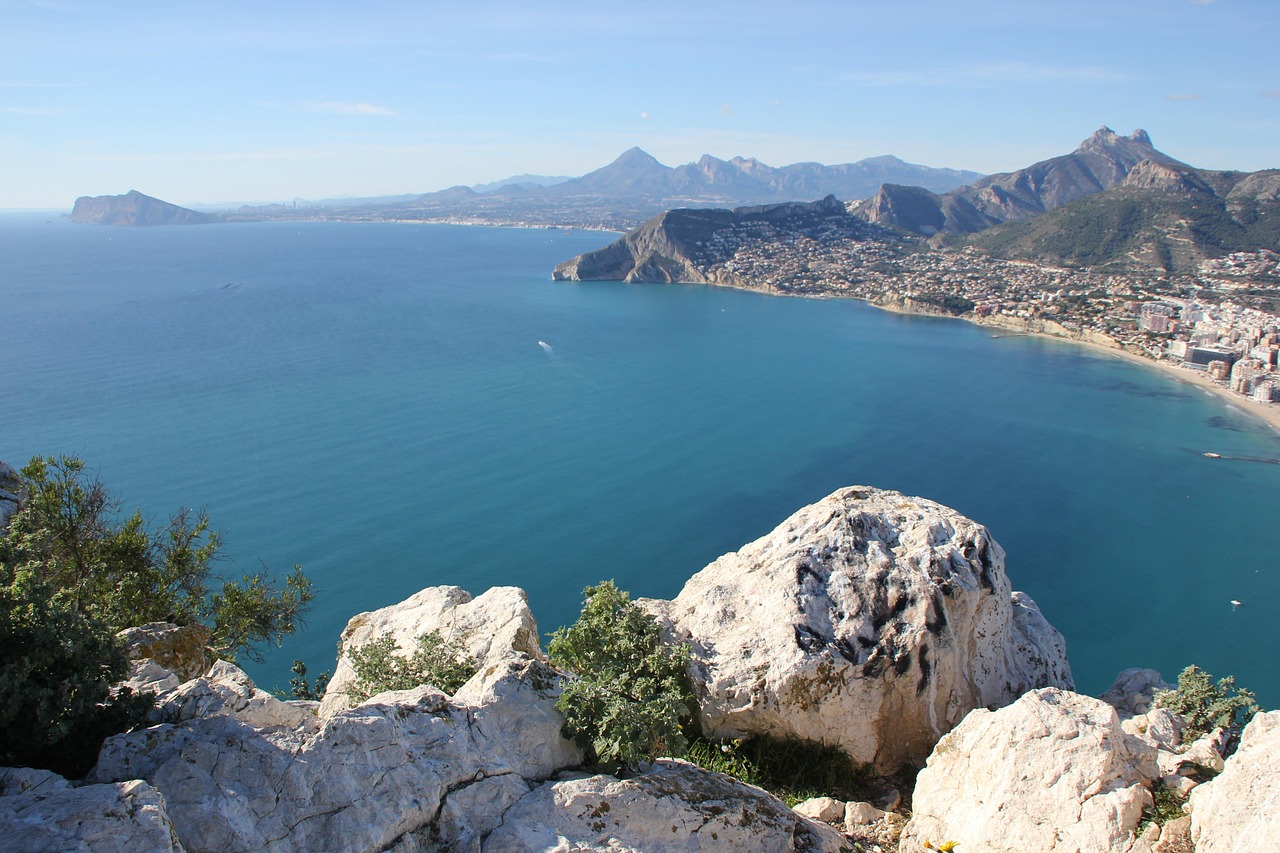
The Arrábida Natural Park, just a short drive south of Lisbon, is arguably one of the world’s best locations for it. Why? The geology. The Serra da Arrábida is a folded mountain range, meaning the cliffs are a dramatic mix of limestone and marble, riddled with caves, grottoes, and hidden arches carved by millennia of waves. The water clarity here is legendary, often compared to the Caribbean, thanks to the calcareous sediment that acts as a natural filter. It’s a landscape that begs to be explored from sea level.
Finding Your Tribe: Top Arrábida Coasteering Tours and Packages
Booking a coasteering trip in Arrábida for 2026 isn’t like booking a bus ticket. You’re entrusting your safety and your thrill-seeking heart to a guide. The quality of the operator is everything. You want certified guides, top-notch equipment, and a philosophy that balances fun with safety.
Portugal Outdoor
Address: Rua Luís de Camões, Loja 2, 2940-253 Sesimbra, Portugal
Hours: Daily, 9:00 AM – 1:00 PM & 2:00 PM – 6:00 PM
Why them: Their guides are local ambassadors who grew up swimming in these coves. Their 3-hour tour is a masterclass in the area’s secrets, including a swim into the famous "Gruta do Zambujeiro." A fantastic choice for Arrabida Coasteering for Beginners.
Mare Nostrum - Diving & Adventures
Address: Avenida da Liberdade, 4, 2940-232 Sesimbra, Portugal
Hours: Daily, 9:30 AM – 7:00 PM
Why them: With a strong focus on all things underwater, they bring a deep knowledge of the marine environment. Their guides are often PADI-certified, adding an extra layer of safety and insight. Great for combining coasteering with a scuba session.
Private Arrabida Coasteering Experience 2026
The trend towards personalized travel is stronger than ever. Why choose a private Arrabida coasteering experience 2026?
- Flexibility: The pace is entirely yours. Spend more time in a beautiful cave or take on a more challenging route.
- Personalization: Perfect for families, nervous swimmers, or experienced groups wanting a tailored adventure.
- Attention: A guide all to yourself means more safety oversight and local knowledge.
A Day in the Life: The Arrábida Coasteering Experience
So, what does a typical day actually look like? Let’s walk through it.
You arrive at the meeting point, usually near a beach like Portinho da Arrábida or Figueirinha. You’ll sign a waiver, and then the fun begins: the wetsuit. Once you’re suited up, the guide gives a thorough safety briefing. This is where you learn the golden rules: how to enter the water safely, how to scramble over rocks, the "crouch and launch" technique for jumping, and the hand signals for communication.
Then, you walk. The first scramble is always tentative. Your boots find their grip on the wet rock. The first jump is the real test. The guides are masters of psychology. They’ll go first, showing you the way. They’ll encourage you, but they won’t push. The swimming sections are pure bliss. You’ll float on your back, looking up at the towering white cliffs. You’ll swim through narrow channels, under natural arches, and into the mouths of sea caves. The light filters in from the entrance, illuminating the water with an ethereal green glow. This is Arrabida Coasteering with sea cave swimming at its finest.
Arrabida Coasteering Safety Tips 2026
Let’s be honest: this sounds terrifying to a lot of people. But the 2026 coasteering scene has truly evolved in its approach to safety.
- Choose a Certified Operator: Look for companies whose guides hold qualifications from bodies like the Royal Life Saving Society (RLSS) or the International Mountain Leader Association (IMLA). Don't be afraid to ask about their qualifications when you book.
- Be Honest About Your Fitness: You don’t need to be an Olympic athlete, but a basic level of fitness helps. Discuss any health concerns with the operator beforehand.
- Listen to Your Guide: This is the most important rule. They read the tides, currents, and swell in a way you can’t. Their job is to keep you safe while having fun.
- Start Small: Most tours offer different routes. For Arrabida Coasteering for Beginners, there are routes with lower jumps (or even the option to scramble around them). You don’t have to be a daredevil to enjoy the experience.
The Practicalities: Arrabida Coasteering Cost and Booking
Best Time to Go
The season generally runs from April to October. For the best balance of warm water and smaller crowds, consider May, June, or September. This is the Arrabida Coasteering best time to go for a more intimate experience.
Cost and Booking
Arrabida Coasteering cost and booking is straightforward. Expect to pay €60-€90 per person for a 3-hour group tour, which includes all equipment. Private tours will naturally cost more (€200-€300 for a small group), but offer immense value in flexibility.
Arrabida Coasteering Equipment Rental
Generally, you don’t seek out Arrabida Coasteering equipment rental separately. It’s part of the guided tour package. This ensures the gear is in perfect condition and fits you correctly, which is a crucial safety measure.
Ready to Take the Plunge?
Don't just read about the adventure—live it. Book your Arrábida coasteering tour for 2026 and discover the coastline from a whole new perspective.
Beyond the Cliffs: The Full Arrábida Experience
A coasteering trip doesn't have to be a standalone event. After your tour, you’ll be buzzing. Head back to the fishing port of Sesimbra and find a restaurant specializing in seafood. The local specialty is Arroz de Marisco (seafood rice) or Sardinhas Assadas (grilled sardines). It’s the perfect end to a day on the water.
Don't miss a visit to the Convento de Nossa Senhora do Cabo da Roca, perched on the westernmost point of the peninsula. And spend an afternoon sunbathing on the golden sands of Portinho da Arrábida or Figueirinha. After a coasteering tour, swimming in a "normal" beach feels wonderfully easy.
A Personal Reflection
I’ve been back to coasteer in Arrábida several times since that first nervous jump. Each time, it’s different. The sea is never the same. The experience changes you in small ways. It chips away at self-imposed limits. It reminds you that the world is bigger and more beautiful than your daily routine. It forces you to be present, to pay attention to the rock under your feet and the wave at your back.
There’s a moment, just before you jump, that I cherish. It’s a moment of pure choice. You can turn back. No one will blame you. But you know, deep down, that the only thing on the other side of that fear is a whole lot of joy. And that, right there, is the essence of Arrábida coasteering.
So, as you plan your 2026 travels, I urge you to consider it. Pack your bravado (even if you have to fake it at first), book a tour with a reputable company, and prepare to meet the Atlantic. It’s a cold, wild, and utterly magnificent embrace. You won’t regret a single second of it.