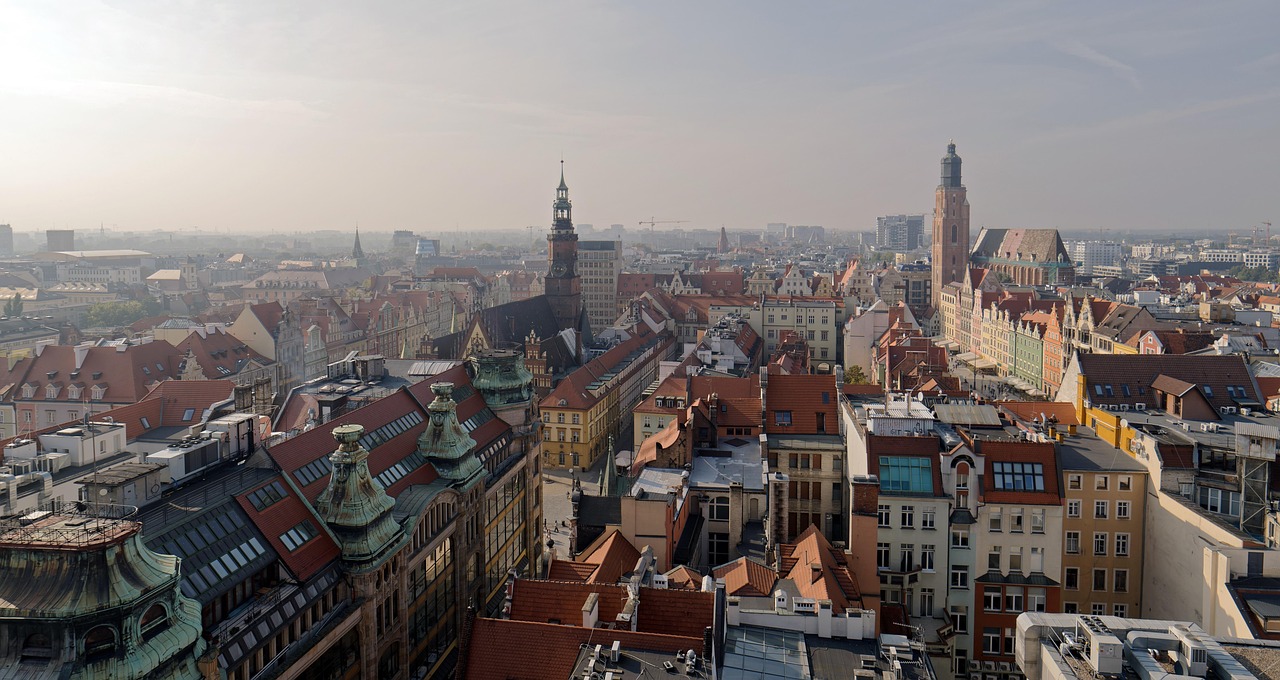
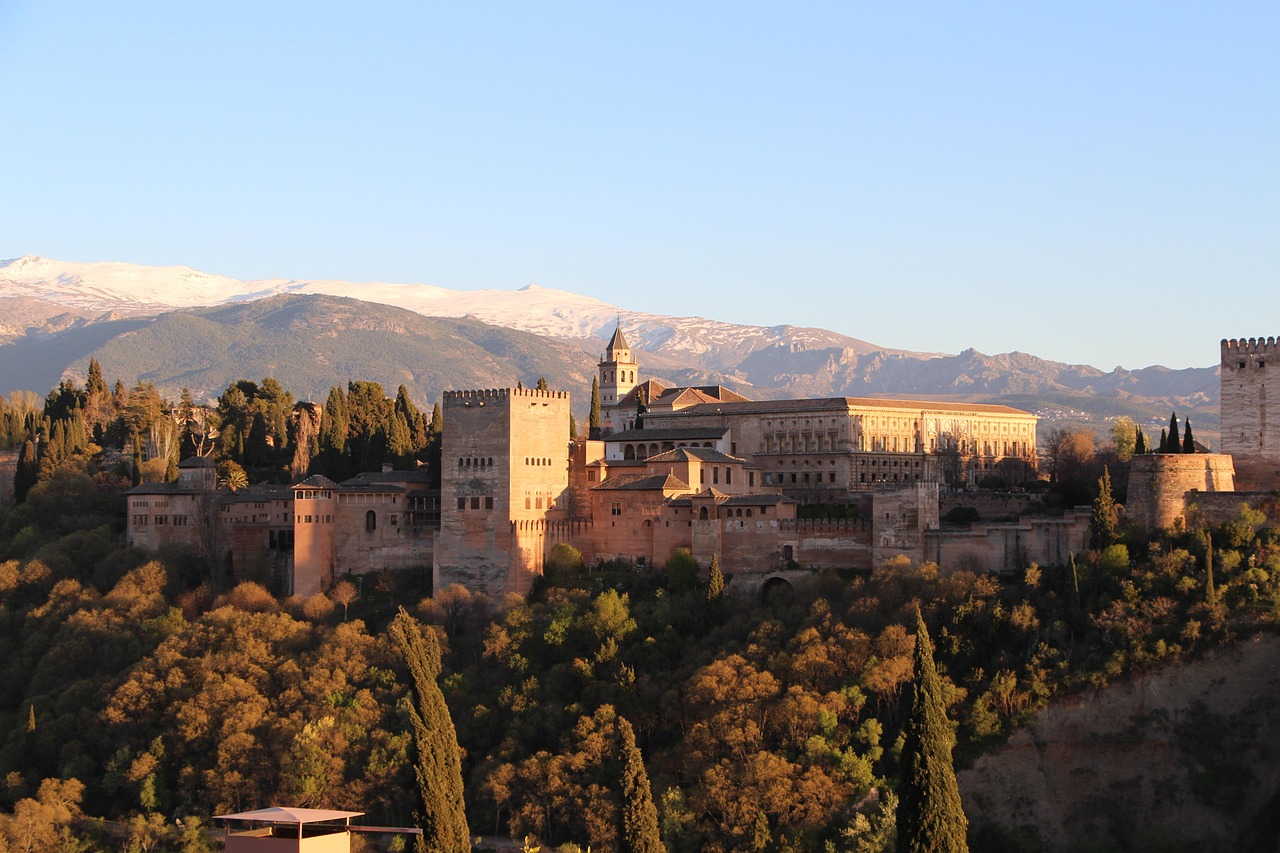


The golden hour in Alentejo doesn't fall; it lingers. It pools in the valleys like honey, clings to the whitewashed walls of ancient villages, and sets the endless rows of olive trees ablaze in a shade of green so deep it borders on black. I’ve traveled the world chasing flavors, from the pungent funk of a Burgundian cave to the chaotic spice markets of Marrakech, but there is a specific, quiet magic to this vast, sun-drenched plateau in southern Portugal. It is a land governed by the cork oak and the olive tree, a rhythm set not by a clock but by the slow turning of the seasons. In 2026, as the world spins ever faster, the Alentejo remains a sanctuary of slowness, a place where the most profound luxury is the time it takes to grow a perfect olive.
My journey began, as most Portuguese adventures do, just outside the walls of Évora. The city itself is a UNESCO World Heritage site, a mesmerizing labyrinth of Roman temples and Gothic cathedrals, but its true power lies in what surrounds it. The Alentejo is not a landscape of dramatic, craggy peaks or roaring oceans; it is a study in subtlety. It is the vastness of the plain, the resilience of the people, and the liquid gold that flows from its soil. I was here to uncover the secrets of that gold: the tasting notes, the hidden groves, the hands that coax the oil from the fruit. I was here for an Alentejo Olive Oil Tour, and I was ready to learn its language.
The Traditional Heart: Casa de Saibreira
My first stop was a place that felt less like a business and more like a family heirloom, a farm tucked away near the tiny village of Cortiçadas de Benfica. This is where you find the soul of the region, not on a polished tour bus route, but down a dusty lane where the air smells of sun-baked earth and wild rosemary.
Casa de Saibreira
Address: Herdade da Saibreira, Cortiçadas de Benfica, 7005-141 Évora, Portugal
Hours: Monday - Saturday, 10:00 AM - 6:00 PM
Note: Tastings are by appointment only. It's essential to book a week in advance, especially during the harvest season of October-January.
Here, I met João, a third-generation olive farmer whose hands were a roadmap of his life’s work—calloused, stained with the dark pigment of the olive, yet gentle. He didn't start with a sales pitch. He started with a story. We walked through his grove, some of the trees gnarled and ancient, their trunks twisted into fantastical shapes by centuries of wind and sun. "This one," he said, patting the trunk of a tree that looked more like a sculpture than a plant, "is over 800 years old. It has seen empires rise and fall. It still produces, maybe only ten kilos of fruit a year, but what fruit."
This is the first secret of authentic Alentejo olive oil: respect for the old. While modern, high-density plantations are efficient, many of the finest, most complex oils come from these veterans. The yields are lower, but the concentration of flavor, the history in every drop, is undeniable. João explained that he and his family still harvest by hand, using traditional rakes (varas) to gently comb the olives from the branches onto nets spread below. It’s back-breaking work, a dance of patience and precision. "We don't shake the trees violently," he told me, his voice a low rumble. "We ask the fruit to fall. We are merely the invitation."
The mill, or "lagar," is a short drive from the grove. It’s a clean, modern facility, but it hums with the legacy of older methods. João’s philosophy is what he calls "the speed of silence." From the moment the olives are picked to the moment they are pressed, the clock is ticking against oxidation. The goal is to get them from tree to press within a few hours, preserving the delicate, volatile aromas that give fresh olive oil its character. "The biggest secret," he leaned in conspiratorially, "isn't a secret at all. It's speed and cleanliness. Everyone wants a fancy machine or a special technique. I just want my olives to see the inside of the press before they even know they've been picked."
The tasting was held in a small, stone-walled room overlooking the groves we had just walked. On a long wooden table, a tasting board was laid out. It’s the classic Portuguese setup: a slice of rustic, dark bread; a wedge of local cheese (in this case, a sharp, tangy Serpa); and a small, green-tinged glass of the day’s press. This is the second secret: olive oil is never meant to be consumed in isolation. It is part of a trinity with bread and cheese, a holy communion of the land. The bread acts as a palate cleanser, the cheese provides a fatty canvas, and the oil sings its song.
Finally, the taste. I took a small sip, slurping it to aerate the oil (another pro tip). The flavor was intense and complex. It started with that vibrant, grassy note, followed by a bitter, almond-like sensation on the tongue, and finished with that glorious, spicy kick in the throat that lingered for minutes. It wasn't just a condiment; it was an experience, a jolt of life. João’s oil was a testament to the philosophy that great flavor comes from great ingredients and a deep, abiding patience. This was the authentic Alentejo olive oil tour with private tasting secrets, one that felt less like a tasting and more like a lesson in terroir and time.
The New School: Monte da Cela
Leaving the quiet contemplation of João's farm, I drove towards the coast, where the landscape begins to soften and the influence of the Atlantic breeze can be felt. My next destination was a world away in philosophy and style, a place that proved the Alentejo is not a monolith but a region of evolving identities. This was the "new school," a sleek, design-forward operation that combines cutting-edge sustainability with a passion for experimental flavors.
Monte da Cela
Address: Herdade da Cela, 7540-204 São Teotónio, Portugal
Hours: Tuesday - Sunday, 11:00 AM - 7:00 PM (Closed for lunch 1:00 PM - 2:30 PM)
Note: Reservations are highly recommended, especially for the full pairing experience.
The drive to Monte da Cela takes you through the Costa Vicentina Natural Park, a rugged, beautiful coastline that feels wild and untamed. The estate itself is a stunning example of Alentejo minimalism—whitewashed walls, clean lines, and huge glass windows that frame the olive groves and the distant ocean. The owner, a young, energetic woman named Mariana, greeted me with the enthusiasm of someone who has found their calling. She left a high-powered job in Lisbon to return to her family's land and reimagine what an Alentejo estate could be.
Sustainability is the core tenet here. The groves are managed with regenerative agriculture, cover crops are planted between the trees to fix nitrogen and retain water, and the mill is powered by solar energy. "The best oil comes from a happy ecosystem," Mariana explained as we walked through the groves. Here, the trees are younger and planted in orderly rows, allowing for mechanized harvesting. It’s a more efficient system, and one that is crucial for producing high-quality oil at a scale that can compete globally. The secret here isn't just speed; it's a holistic approach to agriculture that sees the farm as a single, interconnected organism.
But the real magic of Monte da Cela happens in their tasting room, which doubles as a culinary laboratory. Mariana believes that olive oil is a versatile ingredient that can be pushed in exciting new directions. She introduced me to the concept of "Olive Oil Sommelier," a growing field in Portugal that treats oil with the same reverence as wine. "We have monovarietals," she said, laying out a flight of three distinct oils. "We have a blend. And now, we have infusions."
The first oil was a Koroneiki varietal, a small, peppery Greek olive that has found a happy home in the Alentejo. It was intensely herbal, almost like pesto. The second was a blend of Arbequina and Arbosana, which was softer, fruitier, with notes of green apple and banana. This is the style that appeals to a modern palate, perfect for finishing a delicate fish or drizzling over a summer salad. The third was the showstopper: a traditional Cobrançosa blend, but this time, it was paired not with bread, but with a series of small, inventive bites.
This is where the "pairing secrets" truly came to life. Mariana served a small slate platter. On it sat three creations: a single, plump olive stuffed with a lemon-herb cream; a dollop of sheep’s milk ricotta sprinkled with toasted almonds and a generous drizzle of the grassy Cobrançosa; and a tiny cup of chilled tomato and red pepper gazpacho, its surface shimmering with a fruity, mild Arbequina oil. Each pairing was a revelation. The oil in the gazpacho didn't just add richness; it amplified the sweetness of the tomatoes and added a peppery finish that cut through the cold soup. The ricotta and oil together created a texture so creamy and satisfying it felt like a decadent dessert. This was a masterclass in how to think about olive oil beyond the bottle, how to integrate its flavors into a dish to create something greater than the sum of its parts. For anyone looking for the best small-group Alentejo olive oil farm tour in 2026, Monte da Cela offers an experience that is both educational and deeply delicious, a bridge between tradition and the future.
The Connoisseur's Path: Essência do Azeite in Évora
No olive oil tour in the Alentejo would be complete without a deep dive into Évora, the region's cultural and gastronomic heart. The city is a living museum, but it is also a vibrant center of contemporary Portuguese life. Within its medieval walls, you’ll find some of the most sophisticated tasting experiences available, where the oil is presented as a high-end product, worthy of a connoisseur’s attention. This is the path for those seeking a luxury Alentejo olive oil tour with a sommelier.
Essência do Azeite
Address: Rua da Misericórdia, 4, 7000-650 Évora, Portugal
Hours: Daily, 10:00 AM - 7:00 PM
Note: Walk-ins are welcome, but the full, guided "Masterclass" tasting requires an appointment.
Tucked away on a quiet street just a stone's throw from the Roman Temple, Essência do Azeite is a small, beautifully curated shop dedicated entirely to liquid gold. The air inside is cool and smells faintly of olives and old wood. The woman who runs it, Sofia, is a certified olive oil sommelier. Her knowledge is encyclopedic, her passion infectious. I signed up for her "Masterclass," a two-hour deep dive into the world of Portuguese olive oil.
We started with the basics. Sofia laid out the official tasting glasses, the ones shaped like a chemist's beaker to concentrate the aromas. She taught me the official, codified language of olive oil tasting, a vocabulary I had been clumsily fumbling with on my own. We spoke of "fruity" (the aroma of fresh olives), "bitter" (the taste of unripe olives, a sign of health), and "pungent" (the peppery sensation in the throat, also a sign of freshness and high polyphenols). This was the Alentejo olive oil tour for beginners, but with a professional depth that would satisfy any expert.
She poured a flight of five oils, all from the Alentejo, but each wildly different. One was a "sweet" oil, made from overripe olives, with a buttery texture and notes of banana and almond—perfect for someone who finds traditional oils too aggressive. Another was a single-varietal Galega, the classic Portuguese olive, which was complex and elegant, with notes of fig and fresh herbs. The secret she revealed here was that the "best" oil is entirely subjective. "It's not about a ranking," she insisted. "It's about the right oil for the right moment. A peppery oil will be lost in a vinaigrette. A delicate oil will be overpowered by a grilled steak."
The true highlight of the session was a blind tasting. Sofia placed three glasses in front of me, their contents hidden from view. "One is from Portugal, one from Spain, one from Italy," she said. "Tell me which is which." I swirled, I sniffed, I sipped. I identified the Italian by its artichoke notes, the Spanish by its smooth, fruity character. The Portuguese? It was the one with the kick, the grassy intensity, the complex bitterness. I got it right. In that moment, I felt a surge of confidence, a feeling that I had finally begun to learn the language. Sofia’s secret wasn't just selling oil; she was empowering her customers to become discerning judges themselves. It's an essential skill for anyone who wants to learn to judge extra virgin quality, and it transforms you from a passive consumer into an active participant in the culture.
The Comprehensive Day Trip: Herdade do Esporão
If you're visiting Évora and have a car, it's worth venturing just a little further out to experience a different kind of farm, one that caters to visitors with a broader range of activities. Herdade do Esporão, in nearby Reguengos de Monsaraz, is a wine and olive oil giant, but it manages to maintain a sense of place and quality that is truly impressive.
Herdade do Esporão - Visitor Centre & Winery
Address: Herdade do Esporão, 7150-145 Reguengos de Monsaraz, Portugal
Hours: Visitor Centre & Tasting Room, Daily 10:00 AM - 6:00 PM (Restaurant and winery tours have different hours and require separate bookings)
This is the perfect option if you're looking for a comprehensive Alentejo olive oil tour near Lisbon: day trip tasting secrets experience. The drive from Évora is a beautiful 40-minute journey through rolling hills dotted with cork oaks. Upon arrival, you're met with a sense of scale and professionalism. The estate is vast, the facilities are state-of-the-art, and the visitor experience is seamless.
While their wine is world-renowned, their olive oil program is equally rigorous. They produce several lines, from the accessible "Oliveiras" blend to the high-end, single-estate "Esporão Reserva" olive oil. The tour takes you through the entire process, from the groves to the modern mill, and explains their commitment to integrated pest management and soil health. The tasting room is a beautiful, modern space where you can book a guided tasting that pairs their oils with regional products, including their own bread and cheese. The real secret here is the consistency and quality you can achieve at scale. It’s a testament to the fact that the Alentejo can produce world-class olive oil that can be found on shelves across the globe, without sacrificing its soul. It’s a great place to understand the commercial side of the industry while still enjoying a deeply personal and educational tasting.
The Ultimate Experience: Herdade da Arrogâncio
For the truly dedicated, the ultimate experience is not just to taste the oil, but to be part of its creation. A personalized tour that includes a harvest experience is the holy grail. This is where you get your hands dirty, literally.
Herdade da Arrogâncio
Address: Herdade da Arrogâncio, 7800-909 Castro Verde, Portugal
Hours: By appointment only. The harvest season runs from late October to January. Visits must be arranged well in advance.
Located in the southern part of the Alentejo, closer to the Algarve, Herdade da Arrogâncio is a family-run estate that opens its doors to a select few during the harvest for a truly immersive experience. I spoke with the owner, Miguel, who explained their philosophy. "You can't understand olive oil until you've felt the weight of the basket in your arms and the ache in your back at the end of the day."
A day here starts early, just as the sun begins to warm the air. You're given a traditional rake and a net and you join the family and their workers in the grove. Miguel teaches you the proper technique: how to hold the rake, how to gently comb the olives, how to avoid bruising the fruit. It's meditative work, accompanied by the rhythmic scrape of the metal on the branches and the soft thud of the olaves falling onto the net. You learn to tell which fruit is ready, which is still too green, which is overripe. You learn the names of the trees. You share a simple lunch in the shade of a cork oak with the workers—bread, cheese, chorizo, and a young, vibrant wine from the region.
In the afternoon, you take the harvested olives to the mill. You see them being weighed and washed. You watch them turn to paste in the grinder. You witness the malaxation, the slow churning that allows the tiny droplets of oil to coalesce. And then, you are there for the first press. The oil that comes out is cloudy, opaque, and smells more intensely of fresh olives than anything you have ever experienced. Miguel catches the first trickle in a small glass and passes it around. You taste it right there, next to the humming machinery. It is bitter, it is peppery, it is alive. This is the secret that no bottle can ever truly capture: the emotion of the harvest, the connection between the land, the tree, and the table. It’s a personalized Alentejo olive oil tour with harvest experience that will change the way you think about food forever.
Conclusion: The Language of Liquid Gold
As my journey through the Alentejo’s olive groves came to an end, I found myself sitting on a low stone wall at sunset, looking out over a silent, ancient grove. A bottle of the day’s best oil sat beside me, along with a piece of bread and a small piece of cheese. I drizzled the oil, not with the frantic energy of a chef on a television show, but slowly, deliberately. I watched it coat the bread in a glistening sheen. I inhaled the aroma of grass and pepper. I took a bite.
The flavor was a perfect echo of the journey: the patient wisdom of João, the innovative spirit of Mariana, the scholarly passion of Sofia, the communal joy of the harvest. It was the taste of the sun, the rain, the ancient soil, and the human hands that had guided it all. The secrets of Alentejo olive oil are not hidden in a vault. They are written in the landscape, spoken in the stories of its people, and tasted in every fresh, peppery drop. They are secrets that ask for nothing more than your time, your attention, and an open heart. In 2026, that might be the most valuable secret of all.