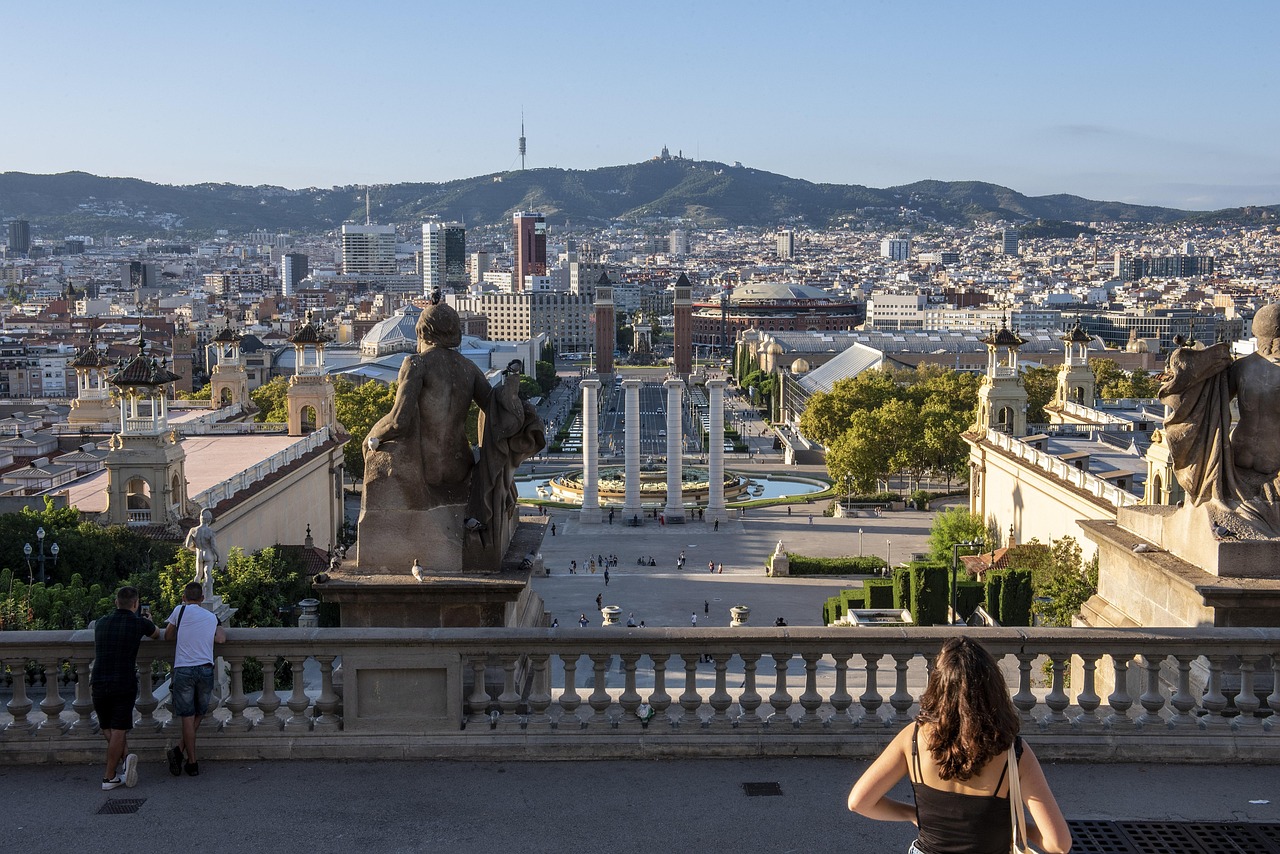
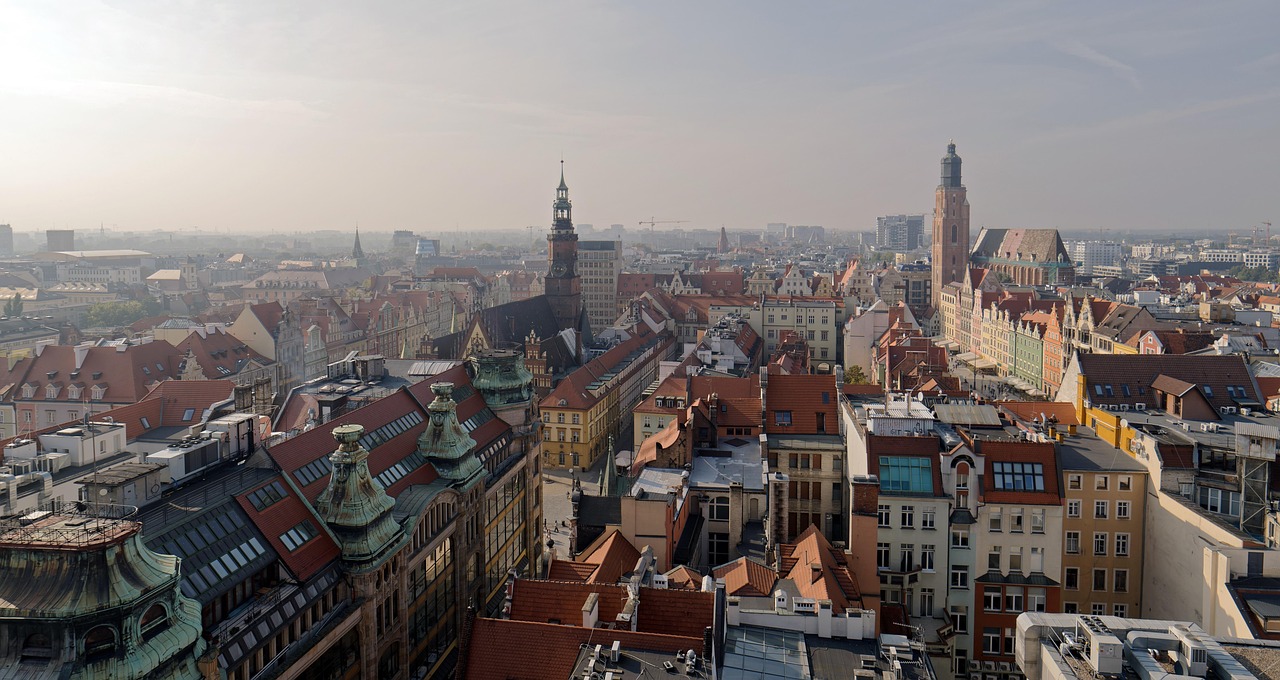
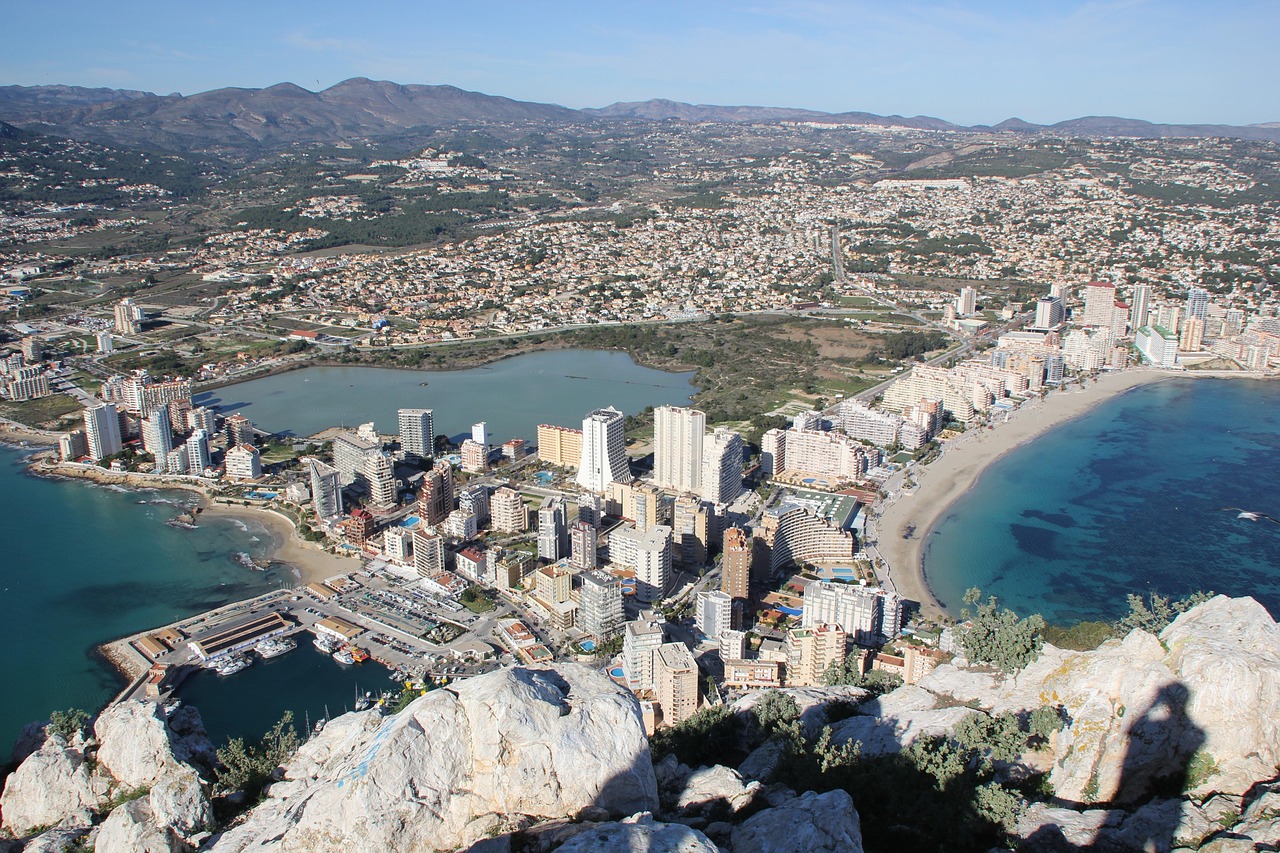
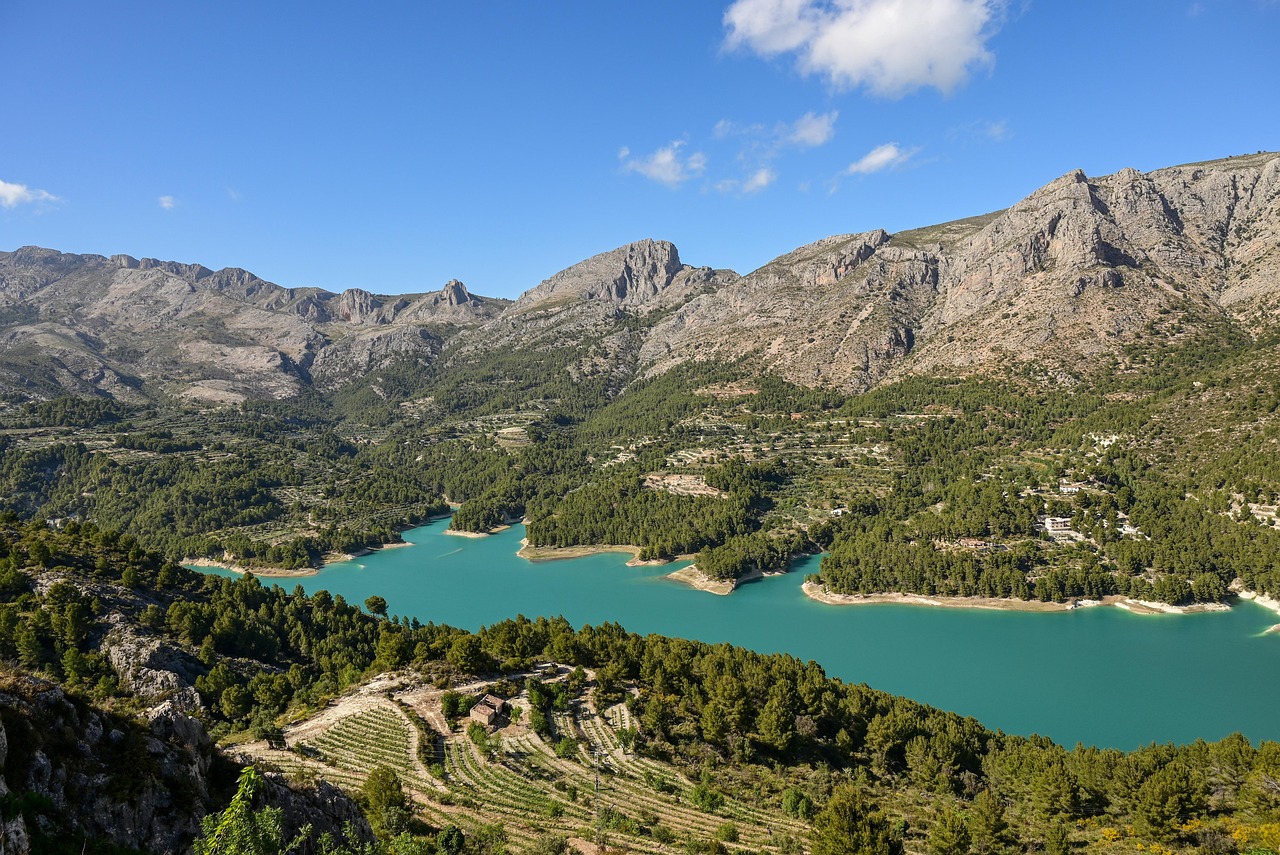
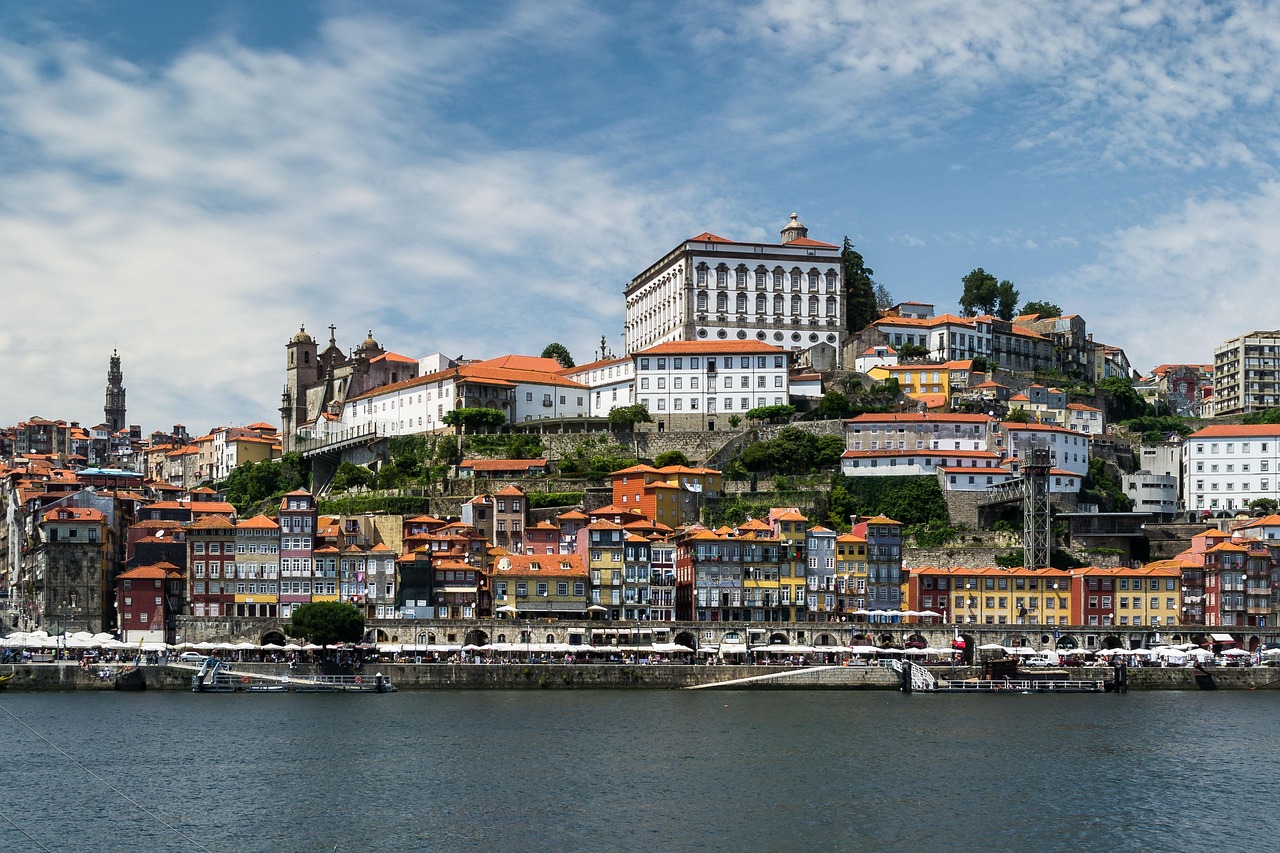
There is a specific slant of light in Alenquer that I dream about on grey mornings in the city. It’s late afternoon, the golden hour that photographers chase and poets ruin, and it hits the limestone slopes of the Serra de Alenquer just so. It turns the rows of vines into a green Morse code, blinking against the ochre soil. It makes the Tagus River, far below in the valley, look like a spilled ribbon of mercury.
I first fell for Alenquer not because of a wine score, but because I got lost there. It was 2014. I ended up on the winding N301, clinging to the side of a hill. The pines smelled like pepper, and the air was cool. I pulled over near a village called Cabanas de Viriato and was adopted by a nonna named Maria who didn't speak English but understood the universal language of a confused traveler. She pointed me toward a tiny place for lunch and told me to order the kid. That kid—roasted in a clay pot—was so good it made me want to learn Portuguese properly.
That’s the thing about the Alenquer wine route in 2026. It’s still that place. It hasn’t been flattened by aggressive tourism. It’s a working wine region with a deep, stubborn soul, just beginning to stretch its arms to the world. If you’re planning a trip, you are standing on the precipice of something wonderful. Let me be your map.
The Lay of the Land: Understanding the Soul of Alenquer
To appreciate the wine, you have to understand the dirt and the sky. Alenquer is a sub-region of the Lisboa DOC, and in 2026, it is the year that changes. The winemakers here are a new generation—university-educated, traveled, and fiercely proud. They are taking the grapes their grandparents grew and turning them into wines of precision and elegance.
The geography is crucial. Protected by the Serra de Alenquer to the north and open to the Atlantic and the Tagus to the south, the region enjoys a unique microclimate. Days are warm and sun-drenched, building sugar in the grapes. But the nights are cool, preserving the natural acidity that is the backbone of any great wine. The result? Wines with a nervous energy, a tautness that makes you want another sip.
The Grapes and The Soil
The soils are a patchwork of granite, limestone, clay, and sand. This diversity means that a single day of driving the route yields a dozen different expressions of the same grape.
- Castelão (Periquita): The king of Alenquer. On limestone, it gives dark cherry fruit, dusty earth, and a grip of tannin that promises a long life.
- Tinta Miúda: Alenquer’s secret weapon. A thin-skinned, delicate variety lending perfume and silky texture.
- Touriga Nacional: Here, it expresses a more floral, lifted side of itself.
- Fernão Pires & Alvarinho: The whites are complex, ranging from crisp citrus to waxy, honeyed wines aged on lees.
This is a region of quiet confidence. The labels aren’t flashy, but the liquid in the glass is profound. It tastes of limestone dust and pine-scented air. It’s wine that demands you slow down and look at the view.
The Quintas: Where the Magic Happens
You can’t talk about Alenquer without visiting the quintas. In 2026, they are more welcoming than ever. Here are the essential stops.
If Alenquer has a flagship, it’s Quinta da Alorna. The estate is breathtaking, with a driveway lined with cypress trees. The family has been at the forefront of the region’s renaissance for decades. The tasting experience is polished; you’ll be seated in a grand room or on the terrace. Don't miss their Alvarinho—it has a saline, sea-spray quality that is unique to the region.
The vibe here is rustic and intimate. The views from the stone patio are the stuff of postcards. The owner, João Pires, is obsessed with Tinta Miúda. His 'Tinta Miúda' is a masterclass: pale in color but explosive with aromas of wild roses and raspberries. This is where you have a conversation, not just a tasting.
If your goal is to drink wine while feeling on top of the world, this is it. The terrace is perched on a cliff edge. The winery is a marvel of sustainable design, built into the hillside. Their flagship red, dominated by high-altitude Castelão, is bold but fresh, with savory herbal notes. Try it paired with Serra da Estrela cheese.
To find the soul of old Alenquer, seek out Romaneira. It feels timeless. This is where you go to understand the deep roots of Portuguese winemaking. They guard old vineyards (vinhas velhas) over 100 years old. Their old-vine field blend is a wine that tells a story of dried cherries, leather, and earth. Book this well in advance.
Beyond the Quintas: The Scenic Route & Food
The drive between quintas is a masterpiece. The N114 is a "spirit road" full of curves. You’ll see cork oaks standing like silent sentinels. Pull over at the Miradouro da Serra de Alenquer for a panoramic sweep of the region.
What to Eat
- Cabrito Assado no Forno: Slow-roasted kid goat with potatoes. The regional signature.
- Leitão da Bairrada: Suckling pig with shattered-tooth crackling.
- Robalo: Grilled sea bass, a perfect match for crisp whites.
- Toucinho do Céu: An almond and egg yolk tart. Try it with Moscatel de Setúbal.
Planning Your 2026 Alenquer Getaway
Alenquer is about 40 minutes north of Lisbon. A rental car is essential to explore the back roads.
The Perfect 3-Day Itinerary
- Morning: Coffee in Alenquer town square. Visit the Igreja Matriz.
- Lunch: Local tasca for "prato do dia".
- Afternoon: Quinta da Alorna for a formal tasting and history lesson.
- Evening: Sunset at the viewpoint, dinner at O Toucinho.
- Morning: Quinta do Portal da Serra. Soak in the altitude and views.
- Lunch: Picnic on the Serra or head to Ventosa for traditional food.
- Afternoon: Quinta do Gradil. A long, conversational tasting focusing on Tinta Miúda.
- Evening: Dinner in the hills.
- Morning: Quinta da Romaneira. A deep dive into history and old vines.
- Lunch: Drive to Vila Franca de Xira for riverside grilled fish.
- Afternoon: Stop at the Convento de Arrábida on the way back to Lisbon.
I’m keeping a bottle of Alenquer red in a special place in my cellar, saving it for a day when I need to be transported back to that hillside, to that specific slant of light. I hope you find what I found there. I hope you find a piece of your own soul reflected in the glass.