There is a specific kind of magic that exists only behind the wheel of a car in a foreign country. It’s the feeling of the unknown unfolding in the rearview mirror and the promise of it stretching out beyond the windshield. In 2026, Spain remains one of the absolute best places to indulge in that wanderlust. It is a country that invites you to slow down, to take the exit ramp that leads to a village you can’t pronounce, and to eat lunch at 2:00 PM just because that’s when the locals do.
This isn't just a checklist of the "big three"—Madrid, Barcelona, Seville. This is a two-week invitation to see the soul of Spain. We are going to peel back the layers, venturing from the jagged, turquoise-coasted Costa Brava in the north, cutting through the arid, wine-scented plains of La Mancha, down to the sun-baked, white-washed villages of Andalusia, and finishing on a coastline that feels more like Greece than Spain. This is the ultimate 2026 road trip for the traveler who prefers the smell of rosemary on a hot road to the smell of tour bus exhaust.
Let’s fire up the engine.
The Logistics: The Boring Stuff That Saves Your Sanity
Before we get to the tapas, let’s talk about the metal box you’ll be sitting in for 14 days.
- The Car: You want an automatic? Book it three months in advance. In 2026, manual transmissions are still common in rental fleets to keep costs down. However, if you’re navigating the labyrinthine streets of Ronda or the steep coastal switchbacks, an automatic is worth the extra euro. Also, try to get a car that isn't the size of a tank. Spanish village streets are narrow; a compact car is your best friend.
- The Paperwork: You need a valid driver's license from your home country. While an International Driving Permit (IDP) is technically required for non-EU license holders, I’ve rarely been asked for it at rental counters, but if you get pulled over by the Guardia Civil, it’s a non-negotiable fine. Just get the IDP before you leave; it takes ten minutes at your local AAA.
- The Tolls (Peajes): Spain has an excellent highway system (Autovías/Autopistas), but many of the best ones (like the AP-7 along the coast or the AP-4 to Seville) are toll roads. You can usually use the "Telepeaje" lanes (green arrow), which require a transponder. Since you’re a tourist, stick to the lanes marked "EF" (Entrada Libre / Open Entry). You take a ticket when you enter, and you pay with a credit card (or cash) when you exit.
- Parking: In big cities (Seville, Granada, Barcelona), parking is a nightmare and expensive. I recommend parking your car at the hotel on the day you arrive and not touching it until you leave.
The Route Overview
Days 1-3: The Secret Costa Brava & The City of Counts
Arrival: Barcelona El Prat (BCN)
Pick up the car: Skip the city center pickup if possible; the airport rates are often better, and you avoid the initial chaotic city traffic.
Day 1: Girona & The Medieval Hamlet
Drive 1 hour 30 minutes north of Barcelona on the AP-7. Do not go straight to the coast. Stop in Girona. It is one of the most underrated cities in Spain. Park in the underground lot beneath the Plaça de la Independència.
- Do: Walk the medieval city walls (Passeig de la Muralla) for views of the red-roofed cathedral. Walk through the Jewish Quarter (Call), one of the best-preserved in Europe. Look at the houses hanging over the Onyar River—they are painted in vivid, impossible colors.
- Eat: Walk to Bubo Girona (Carrer del Nord, 6). Their bomba (a potato croquette filled with meat and spicy sauce) is legendary.
- Stay: Drive 30 minutes northeast to Pals. This is a hilltop village entirely built of stone. Park at the bottom and walk up. It is cobbled, quiet, and smells of jasmine. Stay at Hotel Sant Roc (Plaça Sant Roc, 7) for views over the Empordà plains.
Day 2: The Wild Coast (Begur & Tamariu)
The Costa Brava means "Rugged Coast." Avoid Lloret de Mar (party central) and head for the coves.
- Morning: Drive to Begur. The town sits on a hill with a ruined castle on top. It has a colonial history, so the architecture is unique. Walk down to Sa Tuna, a tiny fishing cove with houses clinging to the cliff.
- Afternoon: Drive the GM-6210. This road is a rollercoaster of hairpin turns hugging the cliff. It’s white-knuckle driving but stunning. Head to Tamariu. It’s a horseshoe bay of pebbles and turquoise water.
- Lunch: Can Pescadors (Passeig Marítim, 11) in Tamariu. Sit on the terrace. Order Suquet de peix, a fisherman’s stew that tastes like the sea itself.
- Stay: Aiguablava. The water here is an electric blue. Hotel Aiguablava (Carrer de Aiguablava, 17) has a pool hanging over the edge of the world.
Day 3: Cadaqués & The Salvador Dalí Connection
- Morning: Drive to Cadaqués. This whitewashed village was Dalí’s obsession. You must book tickets weeks in advance for the Salvador Dalí House-Museum (Portlligat). If it’s sold out, just walking the streets where he walked is evocative enough.
- Afternoon: Drive inland 1 hour 15 minutes on the N-260 towards the Pyrenees. The landscape changes from pine trees to stark, dry mountains. Stop in Besalú to see its iconic 12th-century Romanesque bridge. It looks like a movie set.
Days 4-6: The Empty Quarter & The Moorish Legacy
The Drive: You are now crossing the "Ebro Basin," a vast, flat, hot plain that feels like the surface of Mars. It is famous for windmills (the ones in Don Quixote).
Day 4: Zaragoza
You arrive in Zaragoza, the capital of the Aragon region. It is criminally overlooked by tourists.
- The Big Ticket: Basílica de Nuestra Señora del Pilar. It is massive, Baroque, and sits right on the Ebro River. You can take an elevator up one of the towers for a view of the city and the river bends.
- The Hidden Gem: Palacio de la Aljafería. This is an 11th-century Islamic palace. It predates the Alhambra. The intricate stucco arches and golden light in the courtyard are hypnotic.
- Eat: Zaragoza is famous for ternasco (roast lamb). Go to El Champi (Calle Mayor, 20). It’s loud, chaotic, and the waiters have been there for decades. Order the grilled mushrooms and the lamb.
Day 5: Teruel & The Serrano Ham
Drive 1 hour 45 minutes south to Teruel. This city is known for two things: "The Lovers of Teruel" and Jamón Serrano.
- Do: Visit the Mudéjar towers (UNESCO World Heritage). These are brick towers with geometric patterns that look like ceramic tile work.
- Eat: You must go to Museo del Jamón (Calle Cuesta de Santa Bárbara, 6). Order a plate of Jamón Serrano and a glass of Cariñena wine.
Day 6: Driving into Andalusia
This is a long driving day (approx. 4.5 hours), but the landscape shifts dramatically from red earth to olive groves.
- Stop: Baeza or Úbeda. These are Renaissance towns in Jaén province. They are the world capital of olive oil. The streets are wide, the buildings are limestone, and the silence is heavy. Buy a bottle of olive oil here.
- Night: Arrive in Ronda. This is the crown jewel of the "Pueblos Blancos" (White Villages).
Days 7-9: The Edge of the World & The Heart of Flamenco
Day 7: Ronda
Ronda is built on either side of a massive gorge (El Tajo). The bridge connecting the two sides is 98 meters high.
- Morning: Walk across the Puente Nuevo. Look down. It’s dizzying. Visit the Baños Árabes (Arab Baths) in the Mondragón Palace. They are beautifully preserved with star-shaped skylights.
- Lunch: Mesón Carlos V. Inside the Plaza de Toros (Bullring), which is one of the oldest in Spain. Order Rabo de Toro (Oxtail stew).
- Afternoon: Drive 45 minutes to Setenil de las Bodegas. This is the famous "cave village." The houses are built under the overhanging rock of the canyon.
Day 8: Grazalema & The Drive to Seville
- Morning: Drive the winding road to Grazalema, nestled in the Sierra de Grazalema Natural Park. It is one of the rainiest places in Spain, which makes it lush and green.
- Afternoon: Drive to Seville (1.5 hours). Park the car at your hotel garage. You won't need the car for two days.
Day 9: Seville
- Morning: The Real Alcázar. You need to book this weeks in advance. It is the most stunning example of Mudejar architecture. The Game of Thrones Dorne scenes were filmed here.
- Afternoon: The Metropol Parasol (Las Setas). A massive wooden structure in the center of town. Take the elevator to the top and walk the winding path for views of the city.
- Evening: Triana neighborhood. Cross the bridge. This is the birthplace of Flamenco. Find a small bar. Casa Anselma (Calle Pagés del Corro, 49) is legendary.
Days 10-12: The Coast of Light & Paella Valenciana
Day 10: The Drive to Valencia
Leave Seville and drive towards the Mediterranean. You have two choices: The fast highway (3.5 hours) or the slower route via Córdoba.
- Arrival: Valencia. It’s Spain’s third city, but it feels breezier and more relaxed than Madrid or Barcelona.
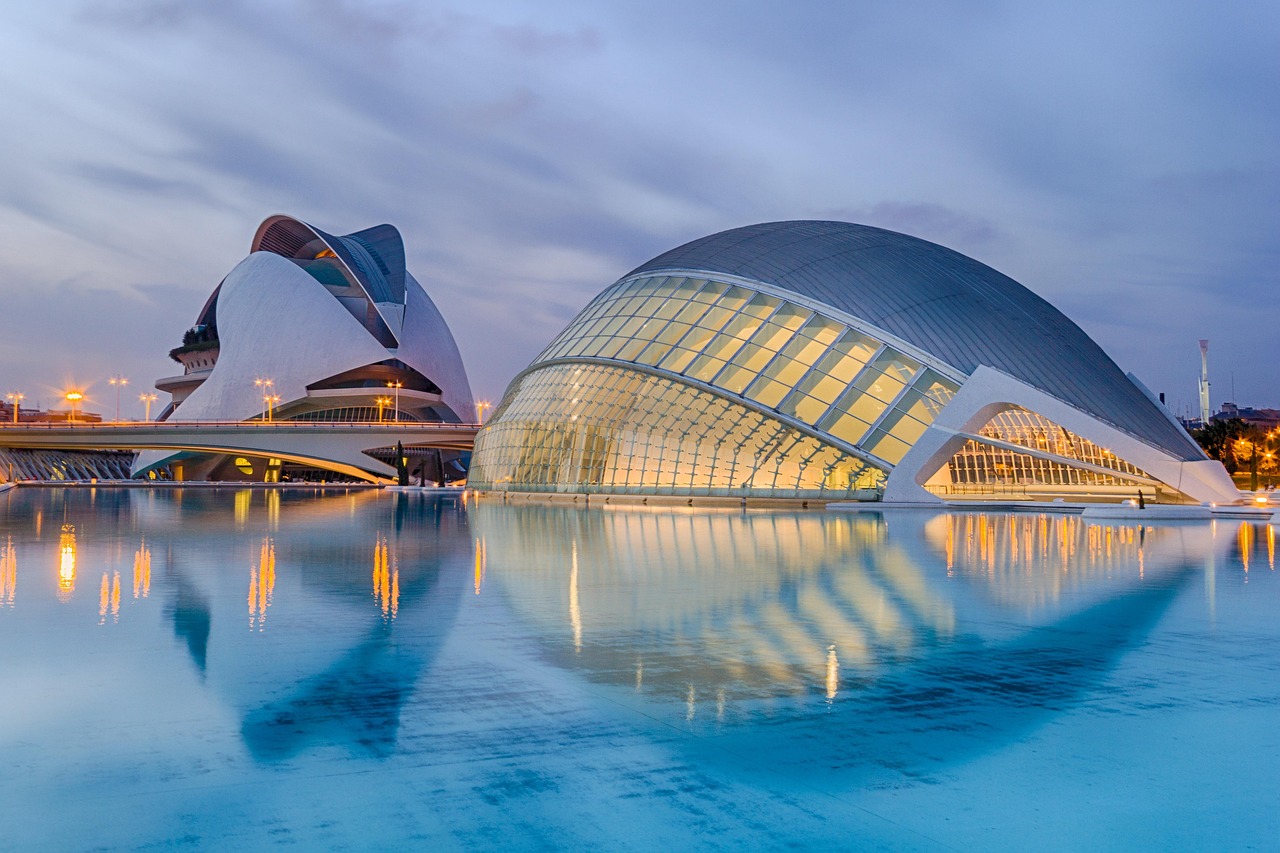
- Stay: Stay near the Ciutat de les Arts i les Ciències (City of Arts and Sciences).
- Eat: La Pepica on Malvarrosa beach. The Paella Valenciana (with rabbit, chicken, and snails) is the real deal.
Day 11: The City of Arts & The Old Town
- Morning: Walk through the Turia Gardens. This is a riverbed that was diverted and turned into a 9km urban park.
- Afternoon: The Mercado Central. It is one of the most beautiful art nouveau buildings in Europe. Inside, it’s a temple to food. Buy a bocadillo de calamares (fried squid sandwich) from a stand inside.
- Hidden Gem: El Carmen neighborhood. It’s a bit gritty, full of street art and medieval lanes. Find the Torres de Serranos. Climb to the top for a view of the old city.
Day 12: The Drive North Along the Coast
The drive from Valencia to Barcelona along the coast (the Costa Daurada) is beautiful.
- Stop: Peñíscola. A castle jutting out into the sea. It was used as a filming location for Game of Thrones (Meereen).
- Stop: Tarragona. The Roman ruins here are spectacular. The Amphitheatre sits right on the edge of the Mediterranean.
- Night: Arrive in Barcelona. Park the car and leave it. You are done driving.
Days 13-14: Gaudí & The Goodbye
Day 13: Barcelona (The Non-Tourist Way)
- Morning: Sagrada Familia. Yes, it’s crowded. But it is the architectural wonder of the modern world. Book the earliest slot possible.
- Afternoon: Escape the crowds in Gràcia. This was once a separate village and retains a village feel. Plaça del Sol is a square filled with terraces and zero tour groups.
- Evening: Bunkers del Carmel. Go here for sunset. It’s a hike (or a bus/taxi) up to an old anti-aircraft battery. It offers a 360-degree panoramic view of the entire city. Bring wine and olives.
Day 14: The Last Breakfast & Departure
- Morning: Go to Bar Mut (Carrer de Pau Claris, 219). It’s a tiny, old-school bistro. Order the Tortilla de Patatas (Spanish omelet) with a Café con Leche.
- Logistics: Drive to the airport (30 mins from the city center). Fill out the paperwork to get your VAT refund (IVA) for any purchases over 90 euros at the customs office before dropping the car.
Final Thoughts on Driving Spain in 2026
Spain is a country that rewards the curious. If you stick to the coast, you get the beaches. But if you go inland, you find the history, the silence, and the flavors that define the nation.
Driving here isn't just about getting from A to B; it's about the experience of the transition. One minute you are smelling the salt air of the Atlantic, and three hours later you are choking on the dust of the olive harvest in Andalusia. You will get lost in a maze of white walls in Ronda. You will be confused by the lunch hours (seriously, everything closes from 2:00 PM to 5:00 PM). You might accidentally order a plate of snails.
But that is the point. This itinerary is designed to make you feel like you live there for two weeks, rather than just observing it. So, charge your camera, buy the extra insurance on the rental car, and remember: the best roads in Spain are the ones that aren't on the map.