
Ultimate Andalusia 2026: Top Things to Do & Hidden Gems
The heat of Andalusia is a physical thing, a presence. It’s not just the temperature; it’s the weight of the sun on ancient stone, the scent of dust and jasmine, the way the light turns the whitewashed walls of a village into a blinding mirror. I remember my first time in Seville, years ago. I was young, armed with a guidebook that felt like scripture, ticking off the "must-sees." I saw the Giralda, I queued for the Alcázar, I ate tapas in a crowded bar recommended by a magazine. It was wonderful, of course—it’s impossible not to be seduced by Andalusia—but it was a performance. I was watching the region, not living in it.
The Andalusia of 2026, the one I want to share with you, is different. It’s the Andalusia you find when you put the book away. It’s the silence of the Alpujarras at dusk, the taste of sherry that has nothing to do with a tourist-trap cocktail, the sudden, heart-stopping beauty of a Roman mosaic discovered by chance in a dusty town square. This guide is an invitation to peel back the layers. We will, of course, visit the titans—the Sevilles and Granadas—but we will approach them with fresh eyes, and more importantly, we will venture beyond, into the wild heart of the region. This is the Ultimate Andalusia 2026, a journey that prioritizes feeling over seeing, connection over collection.
The Soul of Seville: Beyond the Cathedral
Seville is the starting point for most Andalusian adventures, and for good reason. It is the beating heart, a city of such overwhelming sensuality that it can feel like a dream. In 2026, the city continues to hum with a vibrant energy, a blend of deep tradition and modern cool. The key is to navigate its currents wisely.
The Alcázar and the Escape
The Alcázar of Seville is non-negotiable. Yes, it’s crowded. But go early, just as the gates open. Feel the coolness of the morning air in the Patio de las Doncellas. Look up at the wooden artesonado ceiling, a masterpiece of Islamic woodwork so intricate it feels like a night sky captured in timber. The Mudéjar style is the visual language of Andalusia, a conversation in stone and tile between Christian and Muslim artisans, and this is its most eloquent sentence. But after the Alcázar, escape the Santa Cruz quarter’s labyrinth of tour groups. Head west, towards the Triana district, crossing the Isabel II bridge. Triana is the city’s fiery soul, the historic home of potters, flamenco dancers, and sailors. Forget the main drag; dive into the backstreets. You’ll find workshops where the famous azulejos (tiles) are still painted by hand. Stop at the Mercado de Triana, built over the ruins of a castle, and eat fresh oysters at a stall, the briny sea tang a direct link to the Guadalquivir river’s history as a gateway to the Atlantic.
The Rhythm of Life and Authentic Flamenco
For a truly authentic Sevillian experience, you must understand the rhythm of the day. The late morning desayuno (breakfast) of toast with tomato and olive oil. The long, lingering lunch, the main event. And then, the evening tapas crawl. In 2026, the tapas scene is as innovative as it is traditional. Seek out the bars in the Alameda de Hércules, a wide, leafy square that feels like a bohemian village within the city. Here, you’ll find a younger crowd, natural wine bars sitting comfortably alongside traditional tabernas. Find a place called Bodeguita Romero, a tiny, unassuming spot famous for its pringá, a rich, slow-cooked meat stew served on a small slice of bread. It’s a mouthful of history.
And then there is flamenco. So much of what tourists see is a show. To feel the real thing, you need to seek out a peña. These are private clubs, often in unmarked buildings, where aficionados gather to listen, not watch. The atmosphere is intense, intimate, and raw. It’s not a performance; it’s a purge of the soul. Finding one can be tricky, as they are private, but asking a local you’ve built a rapport with might just open a door. It is an experience that bypasses the eyes and goes straight to the heart.
Córdoba: The City of a Hundred Patios
Córdoba is often seen as a day trip from Seville, a quick stop to see the Mezquita. This is a profound mistake. Córdoba deserves at least two nights. It is a quieter, more contemplative city, a place of hidden courtyards and a deep, scholarly past.
The Mezquita and the Secret of the Patios
The Mezquita-Cathedral is the world’s most beautiful architectural argument. You walk through its forest of red-and-white striped arches, a forest of over 850 columns, and you feel the ghost of a thousand years of Islamic prayer. Then, in its very center, a Gothic cathedral was built, a Christian island in an Islamic sea. It is jarring, it is magnificent, it is the story of Spain written in brick and stone. Go early, or late in the afternoon, when the light slants through the arches, turning the air golden and the space ethereal. But don't rush out. Sit. Listen to the silence.
The real secret of Córdoba, however, is the patio. The city is famous for its flower-filled internal courtyards, a tradition that dates back to Roman times and was perfected during the Moorish period as a way to keep homes cool. While the famous Patio Festival is in May, many homes open their courtyards to visitors throughout the year. The best way to see them is to wander the Jewish Quarter (Judería) and the neighborhoods of San Basilio and Santa Marina. Look for the blue-and-white signs that say "Patios de Córdoba." You might be invited into a private home, a moment of incredible intimacy. I once spent an hour talking with an elderly woman in her tiny patio, a riot of geraniums and lemon trees, who told me her family had lived there for four generations. She spoke no English, my Spanish is rudimentary, but we shared a glass of homemade sweet wine and the language of shared space.
Granada and the Alpujarras: The Last Frontier
Granada is the grand finale, the jewel in the crown. The Alhambra is arguably the most spectacular palace complex in the world, a dream of stucco, water, and light. But Granada is also a city of steep, cobbled hills, of bohemian spirits, and of a palpable sense of history.
The Alhambra and the Soul of the Albaicín
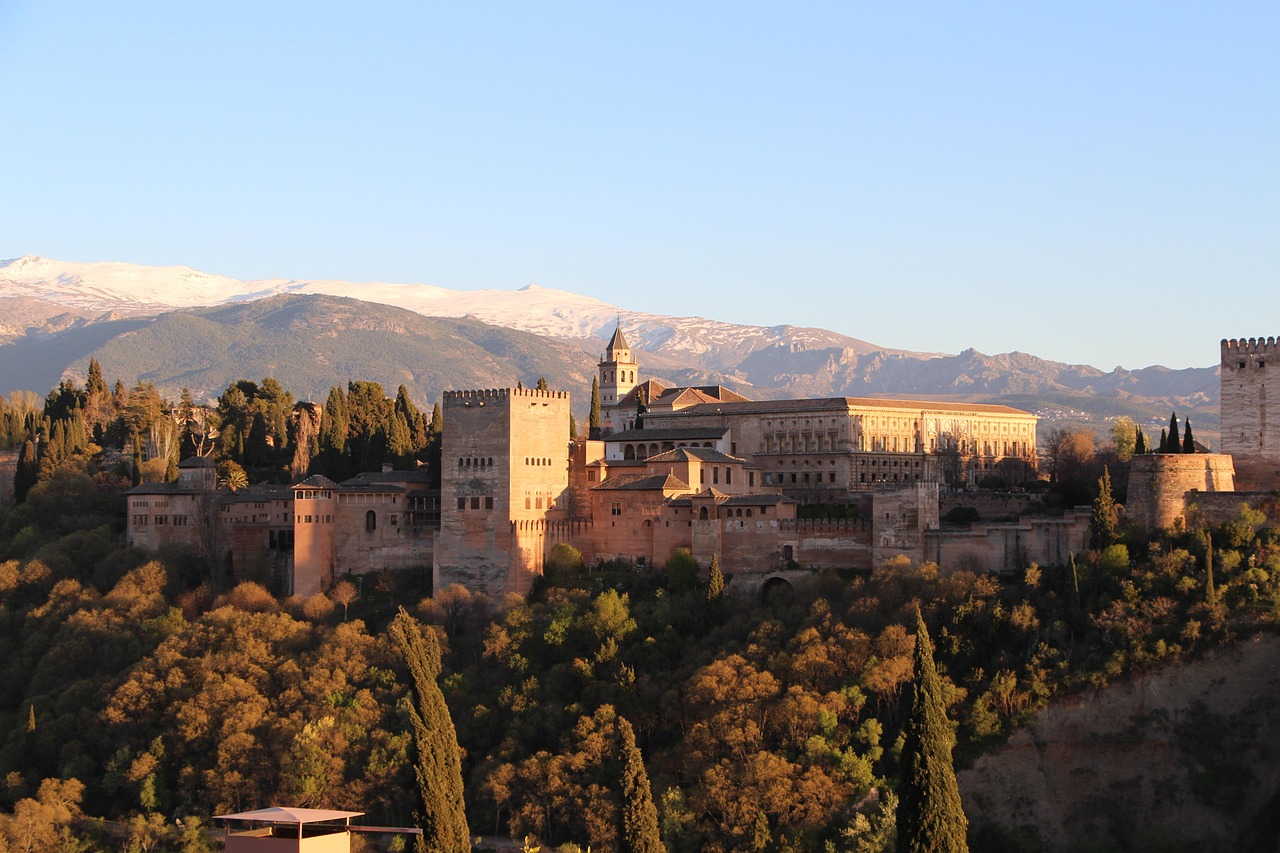
The Alhambra is a logistical challenge as much as a sightseeing one. You need to book your tickets for the Nasrid Palaces—the heart of the complex—at a specific, timed entry slot, often months in advance for 2026. If you miss your slot, you’re out of luck. So, plan your day around it. The Generalife Gardens, with their fountains and fragrant plantings, are a perfect prelude. But the true magic of the Nasrid Palaces is in the details: the calligraphy on the walls, the muqarnas (honeycomb vaulting) that seems to dissolve the ceiling into a constellation of stars, the way the water in the channels reflects the intricate patterns. It is a testament to the power of beauty for its own sake.
But the Alhambra is not the end of the story. To truly understand Granada, you must explore the Albaicín, the old Arab quarter. It’s a maze of impossibly steep streets and white houses, a place that has resisted modernity. Get lost in it. Follow the scent of baking bread and frying fish. Find the Mirador de San Nicolás for the classic sunset view of the Alhambra against the Sierra Nevada mountains. It’s a cliché for a reason, but the feeling of watching the red walls of the palace turn pink as the sun dips behind the snowy peaks is something you will never forget.
Venturing into the Alpujarras
And then, go deeper. Go south. The true hidden gem of this region is the Sierra Nevada and the Alpujarras. An hour’s drive from Granada, you leave the city behind and ascend into Spain’s highest national park. The landscape changes to rugged, lunar-like mountains and deep, green valleys. Here, clinging to the southern slopes of the mountains, are the pueblos blancos, the white villages of the Alpujarras. Villages like Pampaneira, Bubión, and Capileira are famous, but the magic is in the smaller ones, like Mecina Bombarón or La Taha.
The rhythm of life here is ancient. It’s a place of shepherds, artisans weaving esparto grass, and farmers who still tend terraces of cherries and almonds. The air is clean and sharp. Hiking is the main activity, with trails following old Moorish paths (the cañadas reales) used for transhumance. One of the great hikes is from the village of Júarez up towards the peak of Pico de la Veleta. The sense of solitude and the scale of the landscape are humbling. At night, the lack of light pollution means the sky is a blaze of stars. The silence is absolute. This is the Andalusia that recharges your soul.
Beyond the Map: The Wild West and the White Villages
Most tourists stick to the Granada-Seville-Córdoba axis. To truly go off the beaten path in 2026, you need to head west, towards the provinces of Cádiz and Huelva. This is the land of the Pueblos Blancos and the wild, Atlantic coast.
The route is often called the "Pueblos Blancos Route," and it’s best explored by car. Start in Arcos de la Frontera, a town perched on a limestone ridge. The views from the top are staggering. Its old town is a web of impossibly narrow streets and hidden squares. Then, head south to Grazalema, a village nestled in a national park of the same name. The Grazalema Natural Park is a UNESCO Biosphere Reserve, a limestone massif of stunning green valleys and rugged peaks. It’s a paradise for hikers and a haven for the rare Spanish ibex. The village itself is a picture-postcard, with a beautiful plaza and excellent local cheese.
Further south lies Setenil de las Bodegas, one of the most unique towns in Spain. Unlike most white villages that sit on top of a hill, Setenil is built into the cliffs. Its streets are literally caves, with houses and shops carved directly into the rock, sheltered by massive overhanging boulders. Walking through the Cuevas del Sol (Caves of the Sun) and Cuevas de la Sombra (Caves of the Shadow) is a surreal experience. You can buy your bread and chorizo from a shop whose ceiling is a giant, ancient rock.
The ultimate hidden gem of this region, however, is the coast west of Cádiz. Forget the crowded beaches of the Costa del Sol. Here, you’ll find the Parque Natural de la Breña y Marismas del Barbate, with its dramatic cliffs and hidden coves like Playa de la Hierbabuena, accessible only by foot. Or head to the coast of Huelva, to the Doñana National Park, one of the most important wetlands in Europe, a vast expanse of marshes, dunes, and forests home to flamingos, lynx, and the elusive Iberian imperial eagle. It’s a world away from the tapas bars of Seville.
A Culinary Pilgrimage: The Flavors of the Sun
Andalusian food is sun-drenched, simple, and spectacular. It’s built on the holy trinity of the Mediterranean: olive oil, wheat, and wine. But 2026 is a great time to explore its culinary depth, as a new generation of chefs honors tradition while innovating.
In Seville, beyond the tapas, you must experience the ritual of the sobremesa, the time spent lingering at the table after the meal is finished. It’s the social heart of the culture. In Jerez de la Frontera, the heart of the Sherry triangle, a visit to a bodega like Bodegas Tradición is essential. This isn’t just a tasting; it’s an education. You’ll learn that the different styles of Sherry (Fino, Manzanilla, Oloroso, Amontillado) are not just different grapes, but the result of a unique aging system called criaderas y soleras and the influence of a special yeast called flor. Tasting a 30-year-old Amontillado is like tasting time itself—nutty, complex, and utterly unforgettable.
In Málaga, don’t miss the sweet wines, particularly the Pedro Ximénez varieties, which are like liquid Christmas pudding. And for a savory treat, try espetos, sardines skewered on a cane and grilled over an open fire on the beach. The best place is one of the simple chiringuitos (beach bars) along the coast in El Palo. The smell of the wood smoke and the salt from the sea is intoxicating.
Andalusia is also a land of markets. Forget the supermarket. Find the local merado in any town. The Mercado de la Calle Calatrava in Seville is a feast for the senses, piled high with glistening olives, mountains of jamón ibérico, pyramids of oranges, and the day’s catch from the Atlantic. Chat with the vendors. Ask them what’s best. They are the true guardians of the region’s flavor.
Practical Magic: Navigating Andalusia in 2026
Getting around Andalusia is part of the adventure. The high-speed AVE train network is excellent for connecting the major cities (Seville, Córdoba, Málaga, Granada). It’s fast, comfortable, and allows you to watch the landscape unfold. But to see the hidden gems, you need a car. Renting one gives you the freedom to explore the winding roads of the Sierra, to stop at a roadside venta for an unplanned lunch, to discover a village not on any map.
For accommodation, 2026 is the year to seek out character. Skip the anonymous international hotels and look for casas rurales in the villages, small, family-run guesthouses that offer a genuine taste of local life. In the cities, look for the burgeoning scene of boutique hotels, often housed in lovingly restored historic buildings. A place like Hotel Palacio de Villapanés in Seville offers the grandeur of a palace with the intimacy of a small hotel.
The most important piece of advice, however, is about time. Don’t try to see everything. The true luxury of travel in Andalusia is the time to do nothing. The time to sit in a plaza with a coffee and just watch the world go by. The time to follow a path without a destination. The time to let the heat of the afternoon, the siesta, wash over you. This is not laziness; it is a form of respect for the rhythm of the place. It is how you stop being a tourist and start to feel like a traveler.
So, in 2026, come to Andalusia. See the great monuments, yes. But then, put the map away. Let the scent of orange blossom guide you. Let the sound of a distant guitar pull you down an alley. Let the taste of a perfect olive keep you at the table a little longer. Andalusia is not a checklist; it’s a feeling. It’s the golden light, the deep shadow, the enduring warmth. It’s a place that doesn’t just open its doors to you; it opens your heart. And that is a journey worth taking.