



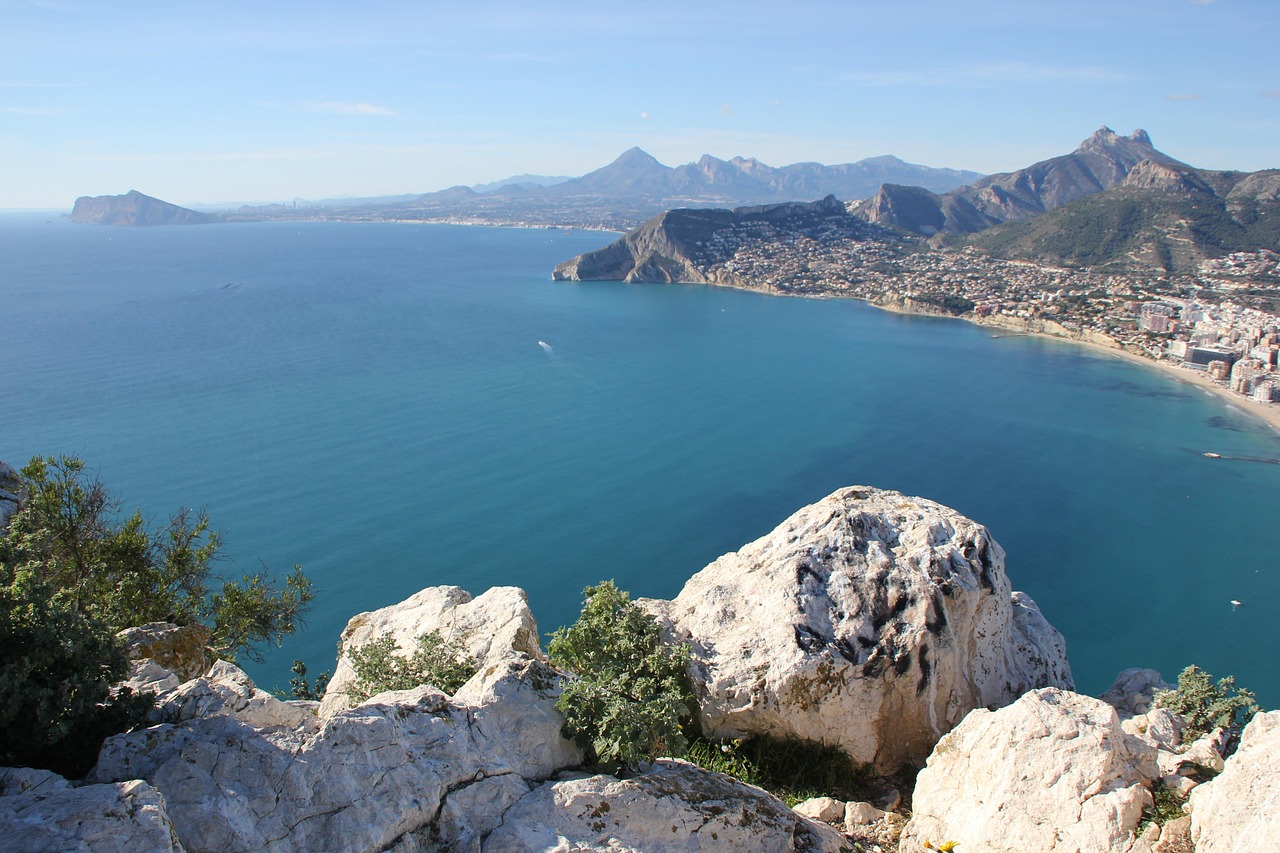


There is a specific shade of blue that exists only in the wetlands of southern Spain. It’s the blue of a winter sky, sharp and crystalline, reflected perfectly in the mirror-still surface of a salt marsh just before the dawn mist burns off. It’s the blue that frames the flash of an electric-pink flamingo taking flight.
I remember the first time I stood on the wooden boardwalks of Doñana, the silence so profound that the only sound was the rustle of a thousand wings and the squelch of my own boots in the mud. It was 2014, a chilly February morning, and I realized I had stumbled into one of the greatest wildlife theaters on Earth.
Doñana National Park isn’t just a place you visit; it’s a pulsing biological heart. Straddling the border of Huelva and Sevilla, this UNESCO Biosphere Reserve is a sprawling mosaic of ecosystems—pine forests, shifting sand dunes, scrubland, and the vast, shallow lagoons of the marismas (the marshes). For a birdwatcher, it is nothing short of Valhalla.
As we look toward 2026, the park remains the crown jewel of European ecotourism. This guide offers a comprehensive Doñana birdwatching guide map and itinerary for beginners, featuring the top 7 spots you cannot miss.
1. The Mocina Palace & The Marismas del Guadalquivir (The Main Stage)
If Doñana is a cathedral of nature, the Mocina Palace is its bell tower. Located right on the edge of the park in the town of El Rocío, this historic building houses the visitor center for the biological reserve. It is the undisputed starting point for any serious birding itinerary.
From the viewing terrace of the Mocina Palace, you are granted a sweeping, panoramic view of the Marismas del Guadalquivir. This is where the sheer scale of Doñana hits you. In winter, the marshes turn into a churning sea of waterfowl. We are talking about tens of thousands of ducks (pintails, shovellers, gadwalls), coots, and greylag geese. But the stars here are the waders. Look for the distinctively spoon-billed Eurasian Spoonbill sweeping its head side-to-side through the water.
The Avian Highlight
The Great Reed Warbler. In the reedbeds bordering the marshes, this "Acrocephalus" sings a harsh, cracking song that sounds like a rusty door hinge—once you hear it, you’ll never forget it. It hides deep within the vegetation, but the Mocina area offers the best acoustic opportunities to locate it.
2. The Birdwatching Center of El Rocío (Centro de Visitantes)
While the Mocina Palace offers the view, the El Rocío Visitor Center offers the context. Just a short walk from the Palace, this is the operational hub of the park. This center is essential for understanding the delicate balance of Doñana, but the real draw for birders is the network of viewing screens and hides located on the edge of the Laguna de Santa Olalla and the Laguna de las Urracas.
The Avian Highlight
The Black-winged Stilt. These long-legged waders are common here, but seeing them against the backdrop of the setting sun, their red legs glowing like embers, is a photographic masterpiece.
This is a prime spot for wheelchair accessible birdwatching hides Doñana Spain. The paths are paved, and the hides have ramps. It is one of the most inclusive birding spots in Spain.
3. The Aspero Trail (La Rocina)
To find the smaller, more elusive birds, you need to leave the open marshes and enter the Coto (the wooded interior). The Aspero Trail is a 5km circular route that winds through pine forests and scrubland. This is a perfect Doñana birdwatching spot with easy walking trails.
The Avian Highlight
The Azure-headed Jay. Seeing that flash of turquoise and chestnut flitting through the oaks is a moment of pure joy. It’s also a reliable spot for the Iberian Chiffchaff.
4. The Odiel Marshes Biosphere Reserve (Marismas del Odiel)
Technically just outside the National Park, the Odiel Marshes are inseparable from the Doñana ecosystem. If you are a serious birder, you cannot skip this. This is the absolute best place to see Greater Flamingos in large numbers.
You can explore the marshes via a wooden boardwalk or take a guided boat tour from the nearby port. The bird numbers here are staggering, particularly in winter. This is where you want to be for the best time to see flamingos in Doñana 2026.
The Avian Highlight
The Slender-billed Gull. A sleek, white gull with a gentle, downward-curved red bill. And, of course, the sheer spectacle of thousands of Flamingos turning the water pink.
5. The Lagunas de Lepe (Lepe Lagoons)
Located on the western edge of the Doñana sphere, these lagoons are a magnet for birds that prefer open water and reeds. It’s fantastic for beginners because the birds are often close and visible.
The Avian Highlight
The Purple Heron. Unlike the common Grey Heron, this bird is a secretive reed-dweller. Its slimmer profile and reddish-brown neck make it a prized sighting.
6. La Rocina (The Stream)
Not to be confused with the Aspero Trail, La Rocina is a stream valley that cuts through the park. Because of this reliable water source, it attracts a specific set of woodland and riparian birds.
The Avian Highlight
The Common Kingfisher. With a bit of patience, you can spot this electric-blue jewel hovering over the water. It’s a flash of impossible color.
7. The Cerrado Garrido Lagoon (Laguna del Cerrado Garrido)
Located near Villamanrique de la Condesa, this is a hidden gem often overlooked by tour buses. It offers a tranquil birding experience and is a reliable spot for Great Crested Grebes.
The Iberian Lynx. While primarily a bird guide, this area is part of the Lynx reintroduction zone. While scanning the reeds, keep your peripheral vision sharp. A movement in the undergrowth could be a Lynx.
Planning Your 2026 Doñana Itinerary
To maximize your birding success, we recommend structuring your trip based on the winter bird migration guide Doñana National Park 2026. Here are two suggested routes:
- Day 1: Start at Mocina Palace at sunrise. Walk to the El Rocío Visitor Center. Afternoon drive to La Rocina for woodland species.
- Day 2: Morning at Odiel Marshes (boat tour). Afternoon at Lepe Lagoons.
- Day 1: Visit the El Rocío Visitor Center and boardwalks. Sunset viewing at the marshes.
- Day 2: Drive to Lagunas de Lepe for an easy walk and picnic. Stop at Cerrado Garrido.
Essential Gear for 2026
Don't get caught out. Use this checklist for the top spots for photography Doñana birdwatching 2026:
- Optics: 8x42 Binoculars (Minimum). Spotting Scope (Highly Recommended).
- Guide: "Birds of Spain and Europe" (Collins).
- App: Merlin Bird ID (Download European pack offline).
- Protection: Hat, Sunscreen, Sunglasses (The Andalusian sun is relentless).
- Layers: The wind at Odiel can be ferocious.
- Stick: Monopod for the sandy Aspero Trail.
A Final Thought from the Marshes
Birdwatching in Doñana is an exercise in patience and awe. You might spend an hour staring at a patch of reeds, feeling the cold seep into your bones. And then, suddenly, the sky fills with the beating wings of a thousand ducks, or a spoonbill rises like a prehistoric ghost, and you remember exactly why you came.
As we plan for 2026, let us do so with respect. This is a fragile environment. Stick to the paths, keep your voice down, and never, ever feed the wildlife. The birds of Doñana have survived floods, droughts, and centuries of human history. Let’s ensure they thrive for centuries more.
Pack your bags, charge your batteries, and look to the sky. Doñana is waiting.