Top 10 Places in Spain Besides Barcelona (2026 Guide)
In 2026, with travel becoming less about ticking boxes and more about immersive experiences, I find myself steering friends, readers, and anyone who will listen toward the edges of the map. Spain is a country of staggering diversity, where a three-hour train ride can transport you from the misty, cider-drinking north to the sun-baked, tapas-slurping south. If you are planning a trip in 2026 and you have already done Barcelona, or if you are simply looking for an alternative that feels a bit more raw, a bit more "real," then this guide is for you.
I’ve spent months curating this list, combining my own favorite memories with what I anticipate will be the trending destinations for 2026—the places that are finally getting the recognition they deserve. From the whitewashed villages of Andalusia to the rugged cliffs of the Atlantic coast, here are the top 10 places in Spain to visit besides Barcelona.
-
1. Cádiz, Andalusia: The Ancient Mariner
If Barcelona is the sophisticated, modernist queen of Spain, Cádiz is the salty, sun-weathered pirate who has seen it all. Believed to be the oldest continuously inhabited city in Western Europe, Cádiz juts out into the Atlantic like a defiant tongue. The magic of Cádiz is in its light. It is blindingly bright, reflecting off the white, dome-topped buildings that crowd the narrow streets of the Barrio del Pópulo.
The real draw in 2026 is the food scene. The Fried Fish (Pescaíto Frito) here isn't just a dish; it's a religion. You must walk the perimeter of the city along the murallas (ancient walls) at sunset. It offers a grittier, more authentic maritime atmosphere without the tourist crush.
-
2. Gijón, Asturias: The Green Coast
Let’s leave the Mediterranean entirely. In 2026, the "Green Spain" region (the north coast) is going to be huge. While Barcelona bakes in the sun, Gijón offers a cooler, wind-whipped energy. It sits on a headland called Cimadevilla, separating two bays, and feels like the end of the world. The cuisine here is heavy, comforting, and world-class. You are in Cider Country.
The ritual of pouring sidra from a great height to aerate it is a must-see. Head to Tierra Astur for a massive feast of fabada asturiana (bean stew). It’s a gateway to the Picos de Europa mountains and offers a distinct Celtic culture that feels worlds away from the Catalan modernism.
-
3. Ronda, Málaga: The Cliffside Wonder
Ronda is the city that defies gravity. Perched atop the El Tajo gorge, the visual shock of seeing the Puente Nuevo straddling the 120-meter drop is something no photograph can truly capture. It is a vertigo-inducing masterpiece. If you walk away from the main bridge and into the older La Ciudad district, the crowds vanish.
For 2026, I recommend visiting Ronda as a base for exploring the Pueblos Blancos (White Villages). Visit the Casa del Rey Moro and descend 360 steps down the cliff face to the water mine. It is a place of deep tradition, far from the modern world.
-
4. Comillas, Cantabria: The Architectural Jewel
When people think of Gaudí, they think of Barcelona. But in 2026, the smart traveler heads north to Comillas. This small fishing village was once the summer retreat for Spanish royalty. The star here is El Capricho, a villa designed by a young Antoni Gaudí before he started the Sagrada Família. It is a riot of yellow brick, ceramic sunflowers, and wrought iron.
The town is a maze of manicured streets, with the Pontifical University looming like a gothic set piece. It is incredibly quiet and upscale, offering high culture and stunning architecture with a fraction of the tourists found in Barcelona.
-
5. Almería, Andalusia: The Hollywood Desert
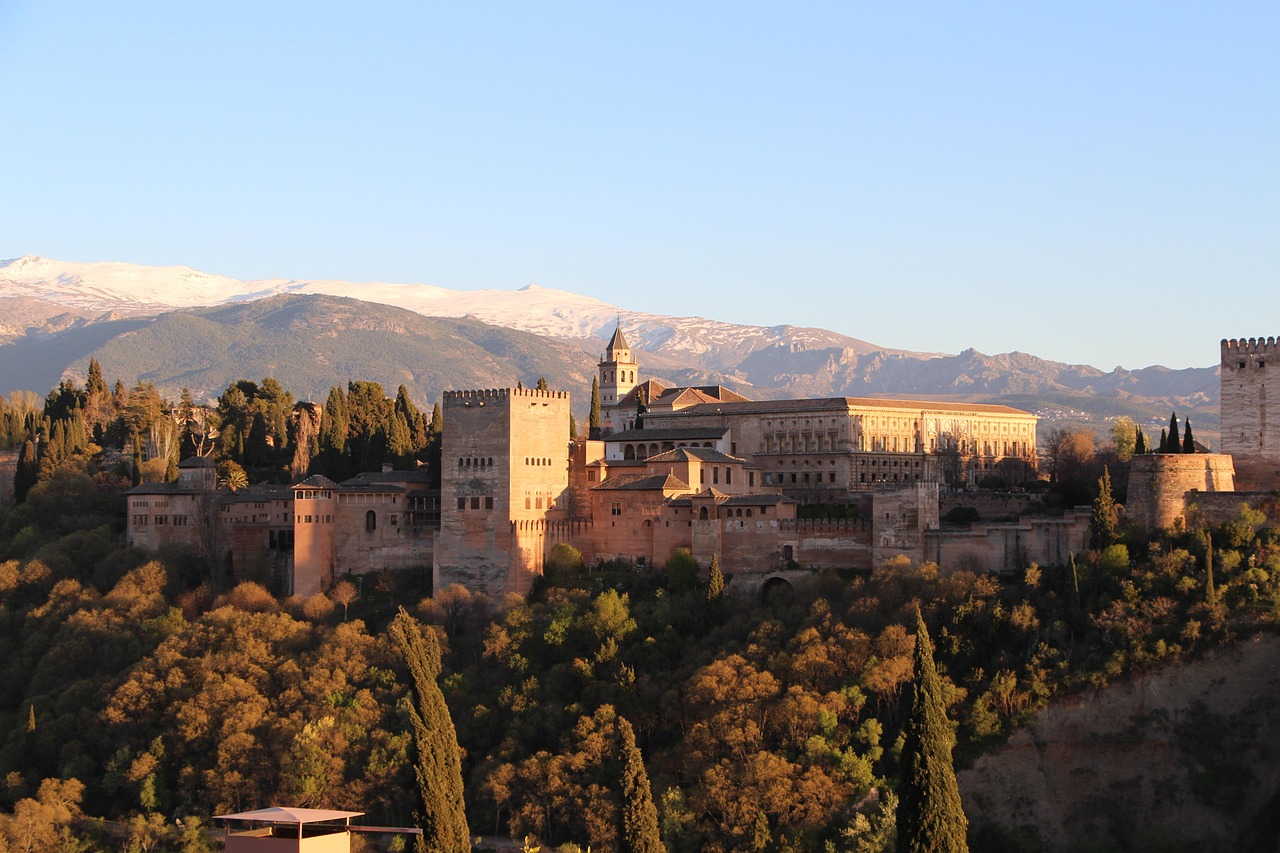
Almería is the most exotic corner of mainland Spain. It is the hottest, driest region in Europe, a landscape of cacti, ochre dust, and blinding white light. This is "Spaghetti Western" country; hundreds of movies were filmed here in the 1960s. The Alcazaba is a massive Moorish fortress that rivals the Alhambra in Granada but sees a fraction of the visitors.
For a 2026 adventure, drive out to Cabo de Gata-Níjar Natural Park. This is a volcanic coastline of black rock and turquoise water. It offers a completely different visual palette, feeling closer to North Africa than to Madrid.
-
6. Pontevedra, Galicia: The Pedestrian Paradise
Pontevedra is a city that has been featured in the New York Times for its radical urban planning: they banned cars from the city center almost entirely. The result is a joyous, safe, and incredibly walkable city. The sound of Pontevedra isn't traffic; it's the clinking of glasses. Located in Galicia, it has a Celtic soul.
The Praza da Leña is the heart of the old town, packed with bars serving pulpo á feira (octopus) and empanadas. It is a masterclass in how a city should function, relaxed and gastronomically obsessed without the hustle and bustle of a major capital.
-
7. Cadaqués, Girona: The Dalí Sanctuary
While technically in Catalonia, Cadaqués feels a world away from Barcelona. It is hidden in the Cap de Creus peninsula, tucked behind a mountain range that historically kept it isolated. This isolation is what drew Salvador Dalí here. The town is a dazzling cluster of white buildings with green shutters, sloping down to a rocky bay.
You must visit the Dalí House-Museum in the neighboring hamlet of Portlligat. It is a warren of rooms filled with his eccentricities. It offers the beauty of the Mediterranean without the urban sprawl, perfect for a 2026 retreat.
-
8. Cáceres, Extremadura: The Medieval Immersion
Cáceres is perhaps the most overlooked gem on this list. It is a UNESCO World Heritage site, yet it remains blissfully quiet. The Old Town is one of the best-preserved medieval complexes in the world. Walking through the Plaza Mayor, you are surrounded by Roman, Islamic, Gothic, and Renaissance palaces. It feels like a movie set.
The city is defined by its storks, which nest precariously on the tops of the towers. It is the home of Jamon Iberico de Bellota (acorn-fed ham) and Pimentón de la Vera (smoked paprika). It is a place to get lost in history, far from the modern world.
-
9. Tossa de Mar, Girona: The Fortress Beach
While many head to the Costa Brava for Cadaqués, Tossa de Mar offers a unique blend of resort convenience and medieval fortification. It is known as the "Blue Wave" destination for 2026. The defining feature is the Vila Vella, the only fortified medieval town standing on the Catalan coast.
You can walk along the top of the ancient walls that circle the old town, which juts out into the sea like a ship's prow. It combines a beautiful beach holiday with a genuine, walkable medieval fortress.
-
10. Pamplona, Navarre: The Culinary & Adrenaline Hub
Pamplona is famous for the Running of the Bulls, but in 2026, I want you to visit for its gastronomy. It is the gateway to the Basque Country, and the food here is sublime. Pamplona sits at the crossroads of the Camino de Santiago, giving it a cosmopolitan, pilgrim energy.
The Old Town is a labyrinth of bars serving pintxos (Basque tapas). The standard is incredibly high. You hop from bar to bar, eating skewers of solomillo (beef tenderloin) with foie gras. It offers a mix of Basque and Navarrese culture that is distinct from the rest of Spain.
The 2026 Traveler’s Mindset
As we look toward 2026, the way we travel is shifting. We are tired of the overcrowded, Instagram-famous spots that offer nothing but a queue. We crave connection. We want to eat where the locals eat, walk where they walk, and see the sun set over a horizon that isn't blocked by skyscrapers.
Barcelona will always be a queen, but she is a demanding one. The cities on this list? They are welcoming you with open arms, a glass of cider, a plate of jamon, or a fresh sardine. They invite you to slow down. Whether you choose the misty north or the fiery south, these places offer something Barcelona can't: the element of surprise.
Pack your bags for the real Spain. It’s waiting just beyond the well-trodden path.