Top 10 LGBT-Friendly Cities in Spain for 2026
There is a particular scent to a Spanish summer night, especially in June. It’s a heady mix of diesel fumes, frying churros, the sharp, clean bite of a gin tonic, and the electric thrum of a thousand conversations bouncing off stone facades that have witnessed centuries of history. It’s the smell of liberation. For years, Spain has been more than just a destination on the map for the LGBTQ+ community; it has been a sanctuary, a pulsating heart of acceptance, and for many, a promised land.
As we look towards 2026, that embrace feels even wider, more inclusive, and more vibrant than ever. Spain has consistently been at the forefront of LGBTQ+ rights, legalizing same-sex marriage back in 2005—a landmark decision that rippled across the globe. But laws are just ink on paper. The real magic lies in the culture, the day-to-day interactions, the feeling of being able to hold your partner’s hand on a sun-drenched plaza without a second thought, of dancing in a bar where your identity is celebrated, not just tolerated.
So, where do you go in 2026? The obvious giants, Madrid and Barcelona, remain titans of the scene, but the country’s queer heartland beats in surprising places, from windswept Atlantic islands to historic inland cities waking up to their own potential. This isn't just a list; it's a curated journey through the Spanish cities that are not just gay-friendly, but are actively, joyfully, and authentically queer-inclusive. We’re talking digital nomad hubs, beachside havens, and cultural capitals that are redefining what it means to travel while queer. Pack your dancing shoes, your sense of adventure, and let’s explore the top 10 LGBT-friendly cities in Spain for 2026.
1. Madrid: The Unshakeable Heartbeat
Madrid is the non-negotiable, the undisputed queen. If you have only one week in Spain, you spend it here. The epicenter is Chueca, a neighborhood that has transformed from a gritty working-class district into a world-famous gay village. It’s a labyrinth of cobblestone streets, where the balconies drip with geraniums and the ground floors hum with life. The ritual of the terraza is sacred here: you order a café con leche or a midday caña (small beer) and you just… watch. The fashion, the flirting, the gossip—it’s all part of the show.
But when the sun dips below the skyline, Chueca ignites. The energy is relentless. You’ll find everything from drag bars that feel like raucous family gatherings to sleek, thumping clubs that host international DJs. My favorite spot for a pre-disco drink is a tiny bar called Anything Goes. It’s chaotic, friendly, and the gin tonics are strong enough to make you believe you can speak fluent Spanish after two. It’s the kind of place where you end up in a three-way conversation about Almodóvar’s best film and leave with three new best friends.
Madrid’s Pride, Orgullo MADO, is simply one of the largest and most significant in the world. It’s a week-long festival that culminates in a massive march through the city center. The 2026 event will be, as always, a political statement and a hedonistic party rolled into one. But beyond the nightlife, Madrid offers world-class art, a food scene that ranges from tapas crawls to Michelin-starred perfection, and the stunning, leafy expanse of El Retiro park, perfect for a Sunday picnic or a first date.
2. Barcelona: The Sun-Kissed Siren
If Madrid is the sophisticated, slightly intense older sibling, Barcelona is the effortlessly cool, artistic, and sun-drenched younger one. The vibe here is different. It’s less about the frenetic indoor club scene and more about the seamless blend of beach, city, and sexuality. The epicenter of gay life is the "Gaixample," a neighborhood within the Eixample district. It’s a beautifully designed grid of wide avenues and stunning Modernista architecture. Here, you’ll find a concentration of lesbian and gay bars, shops, and restaurants that feel a bit more relaxed, a bit more mixed, and a lot more international than Chueca.
The real magic of Barcelona’s scene is its proximity to the sea. A typical summer day for a queer in Barcelona involves a morning working in a sun-drenched café in Gràcia, an afternoon at the gay beach (Playa de la Mar Bella, specifically the section known as "El Playó"), and an evening of tapas and vermouth in the Gothic Quarter before the night truly begins. The beach is a liberating experience; it’s common to see couples of all genders holding hands, sunbathing, and picnicking without a hint of judgment.
The nightlife here is diverse. You have legendary multi-level clubs like Arena Madre that host circuit parties and drag shows, but you also have tiny, hidden cocktail bars and lesbian-frequented spots in El Raval. The city’s progressive spirit is palpable. It’s a place that has long been a haven for artists, bohemians, and outsiders, and that welcoming spirit extends to the LGBTQ+ community. For 2026, look out for the continued growth of the city’s queer film festival and a burgeoning bear and leather scene that is carving out its own unique identity.
3. Gran Canaria (Maspalomas): The Endless Summer
This isn't just a city; it's an island state of mind. The Canary Islands, and Gran Canaria in particular, have been a European gay sun-and-sand mecca for decades. The undisputed epicenter is the Yumbo Centrum in Maspalomas. From the outside, it looks like a fairly standard 80s-era shopping center. Step inside, and you enter a vibrant, multi-level gay universe. There are over 200 bars, shops, and restaurants, all centered around a central plaza where life is lived loudly and proudly, 365 days a year.
The atmosphere is a unique cocktail of German efficiency, Spanish fiesta, and British holiday cheer. You’ll find everything from bear bars with leather nights to flamboyant drag cabarets and lesbian karaoke bars. The crowd is a fascinating mix of all ages, body types, and nationalities. It’s one of the most body-positive and age-positive places I’ve ever been. Nobody judges; everyone is just there to have a good time. The real action, however, happens just outside. A short walk or dune-buggy ride from the Yumbo is the Maspalomas Dunes, a vast, protected natural reserve that culminates in Playa del Inglés, the famous gay nude beach. The freedom here is palpable.
For 2026, Gran Canaria continues to be the reliable, year-round sun trap it has always been. It’s the perfect escape from a European winter. The island’s infrastructure for LGBTQ+ tourism is second to none, with a huge number of gay-owned and gay-friendly hotels, from budget-friendly apartments to luxurious resorts. It’s a place where you can be as wild or as relaxed as you want.
4. Sitges: The Jewel of the Mediterranean
Just a 40-minute train ride from the chaos of Barcelona lies a different world. Sitges is often called the "Saint-Tropez of Spain," but that doesn't quite capture its unique blend of glamour and laid-back, small-town charm. It has been a haven for artists, writers, and queer people since the early 20th century, and that history is woven into its very fabric. The town is stunningly beautiful, with a whitewashed old town, a winding coastline, and a church that sits proudly on the seafront.
The gay scene here is less of a concentrated "district" and more of a town-wide vibe. The main beach, Playa de la Ribera, is lined with chic chiringuitos (beach bars) that are popular with a mixed, fashionable gay crowd. You can spend your day sunbathing, swimming in the crystal-clear Mediterranean, and sipping rosé under a striped umbrella. The social scene revolves around the Passeig Marítim, the seafront promenade, where everyone strolls, cycles, and flirts in the late afternoon sun.
The nightlife is sophisticated and varied. You’ll find small, intimate cocktail bars, lively piano bars, and a handful of clubs that stay open late. Sitges is also famous for its spectacular Carnival and its annual Fetish Week, which draws a dedicated crowd from across Europe. For lesbian travelers, Sitges offers a welcoming and relaxed atmosphere, with several well-known lesbian-friendly bars and events throughout the year. It’s a place that feels both luxurious and unpretentious, a perfect weekend escape from the big city.
5. Valencia: The Cool, Creative Capital
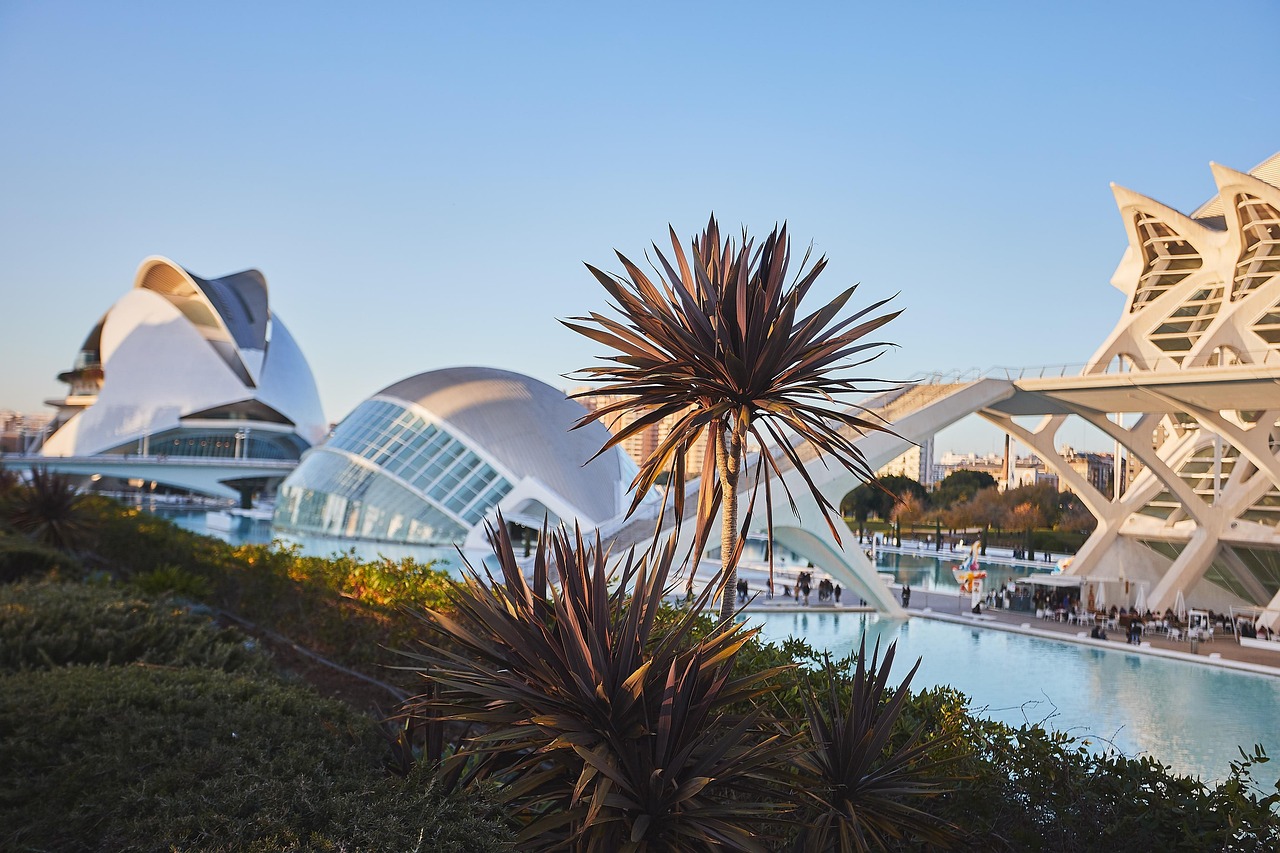
Spain’s third-largest city is often overshadowed by Madrid and Barcelona, but in 2026, it’s the smart traveler’s choice. Valencia is effortlessly cool. It’s a city of contrasts: the futuristic architecture of the City of Arts and Sciences sits alongside the crumbling, ivy-clad buildings of the Carmen neighborhood. It’s a city that breathes innovation and art, and its LGBTQ+ scene reflects this.
The gay scene is more decentralized and less in-your-face than in Madrid or Barcelona. It’s centered around the Russafa and Carmen neighborhoods. Russafa is a bohemian hub of independent boutiques, vegan cafes, and quirky cocktail bars. It’s here you’ll find a younger, artsy queer crowd. The Carmen neighborhood, with its narrow medieval streets, is home to a grittier, more alternative scene, with dive bars and live music venues.
Valencia is also home to one of the most important lesbian cultural events in Spain, the LesBenTrots festival, which celebrates lesbian visibility through film, music, and art. The city’s massive Turia Gardens, a former riverbed turned into a sprawling urban park, is a haven for queer joggers, cyclists, and picnickers. And let’s not forget the food: Valencia is the birthplace of paella. The ritual of eating a massive pan of authentic paella for a long, lazy Sunday lunch with friends is a quintessential Valencian experience.
6. Madrid (Ruzafa Alternative Scene)
While we've covered Madrid, I have to dedicate a separate spot to its burgeoning alternative queer scene, which is finding a new home in the neighborhood of Ruzafa (spelled differently from its Valencian counterpart). Located just south of the main Chueca hub, Ruzafa is a former working-class district that has undergone a dramatic transformation. It's now the epicenter of Madrid's "hipster" culture, and with that has come a wonderfully diverse and inclusive queer scene.
Ruzafa is grittier, more multicultural, and arguably more creative than Chueca. The bars here are often smaller, more experimental, and have a distinct local feel. You'll find drag performances that lean towards the avant-garde, queer poetry slams, and dance parties that mix reggaeton with indie rock. It's a magnet for the younger queer generation, artists, and anyone who feels a bit disconnected from the more polished, mainstream vibe of Chueca. The neighborhood itself is a joy to explore, with vintage shops, art galleries, and some of the best international food in Madrid. For 2026, Ruzafa is the place to go to see the future of Madrid's queer culture.
7. San Sebastián (Donostia): The Basque Foodie Paradise
Tucked away in the green, rugged north of Spain, San Sebastián is a world away from the sun-baked south. This is Basque country, and it has a distinct culture, language, and identity. It’s also, unexpectedly, a fantastic and sophisticated LGBTQ+ destination. The city is world-famous for its food, boasting one of the highest concentrations of Michelin stars per capita in the world. But the real joy here is the pintxos (Basque tapas) culture. The old town is a labyrinth of bars, each with its own specialty pintxo. The queer way to do San Sebastián is to join the txikiteo—the art of bar-hopping with a drink in hand, hopping from one tiny, crowded bar to the next.
The gay scene here is small, but fierce and friendly. It’s less about a specific neighborhood and more about a network of people. The main gay bar, Dabadu, is a welcoming and stylish spot that serves as a community hub. The crowd is a mix of locals, international foodies, and those who have come for the spectacular beaches, like the iconic La Concha. The vibe is very open and integrated; you won’t find a "gayborhood" here, but you will find a general atmosphere of liberal, sophisticated acceptance. The city hosts a small but vibrant Pride, and its stunning location, nestled between mountains and the sea, makes it a breathtakingly romantic destination.
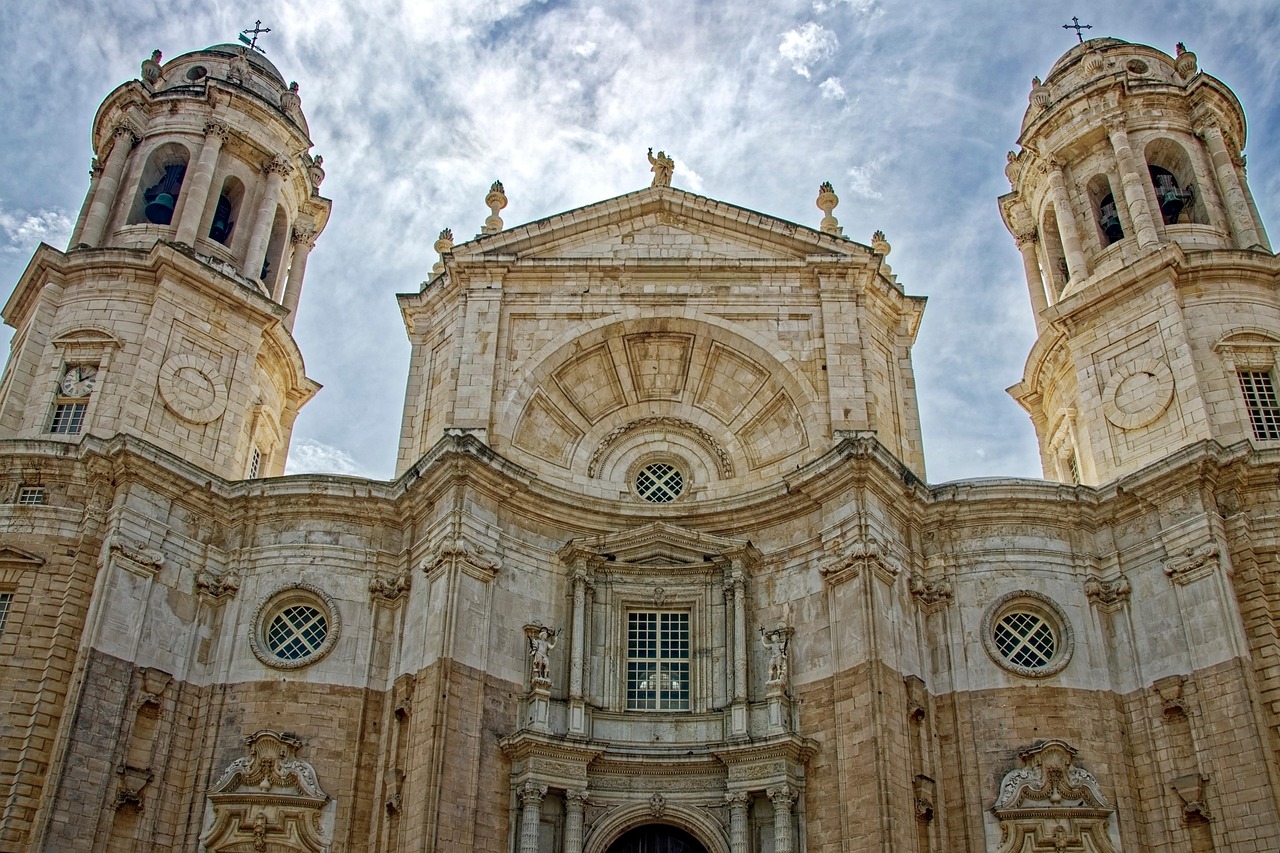
8. Cádiz: The Bohemian Atlantic Soul
Andalusia in the south is the beating heart of Spain, and Cádiz is its soul. Believed to be one of the oldest continuously inhabited cities in Western Europe, Cádiz is a tangle of narrow streets, sun-bleached plazas, and the constant, salty tang of the Atlantic. It feels wilder, more bohemian, and more raw than its more famous Andalusian cousins like Seville or Granada. The city is surrounded on three sides by the sea, and life here is lived to the rhythm of the tides.
The LGBTQ+ scene is small but perfectly formed, deeply integrated into the city's laid-back lifestyle. There isn't a defined gay district, but you’ll find a friendly welcome in many of the tapas bars in the old town, particularly around Calle Plocia. The annual Pride in Cádiz is a joyous, unpretentious affair, a true community celebration. The main draw for queer travelers, however, is the city's atmosphere of free-spirited liberalism. It's a place for long, aimless walks along the seafront, for listening to live music in tiny, hidden bars, and for falling in love with the passionate, defiant spirit of its people.
9. Salamanca: The Golden Age Intellectual Hub
Prepare for a different kind of gay experience. Salamanca is a university city, and its youth keeps it perpetually fresh and vibrant. But this isn't just any university town; its center is a breathtaking masterpiece of Golden Age architecture, built from a honey-colored sandstone that glows in the sunlight, earning it the name "La Ciudad Dorada" (The Golden City). The intellectual, studious vibe is palpable, but so is a youthful, playful energy.
The gay scene is tiny and revolves almost entirely around the student population. It's less about dedicated gay bars and more about a network of inclusive student associations, queer-friendly cafes, and mixed nightlife spots. The Plaza Mayor is the city's living room, a magnificent square where everyone gathers in the evenings. It’s an incredibly safe and welcoming environment. Because it's a university city, the nightlife is vibrant and affordable, with a plethora of bars and clubs catering to the under-25 crowd. For LGBTQ+ travelers, Salamanca offers a chance to experience a Spain steeped in history and intellectual tradition, where inclusivity is woven into the fabric of youthful, modern life.
10. Las Palmas de Gran Canaria: The Urban Beach Mix
While Maspalomas is the dedicated gay resort, the island's capital, Las Palmas, offers a different, more cosmopolitan experience. This is a proper, bustling city that happens to have an incredible urban beach, Las Canteras, stretching for miles. It’s a place where locals live, work, and play, and the LGBTQ+ community is a fully integrated part of that life. The gay scene here is a mix of the urban and the resort; many people stay in Las Palmas for the culture and city life and take a short bus ride to Maspalomas for the nightlife.
The heart of the gay life in Las Palmas is the area around the beach, particularly near the "La Laja" end of Las Canteras, where you'll find several popular gay and gay-friendly bars and cafes. The vibe is very laid-back and international. It’s a fantastic place for digital nomads, with a great climate year-round and a growing infrastructure of co-working spaces and cafes. The city hosts its own Pride, which is a more local, community-focused affair than the massive Maspalomas events. For 2026, Las Palmas is the choice for the queer traveler who wants the sun and the scene, but also the substance of a real, functioning Spanish city.
Spain in 2026 is a country that continues to lead the world in showing how travel, culture, and LGBTQ+ identity can intersect in a way that is celebratory, authentic, and deeply human. From the grand stages of Madrid and Barcelona to the sun-drenched shores of the Canaries and the historic charm of its inland cities, this is a nation that doesn’t just welcome you; it invites you to be yourself, loudly and joyfully. So, start planning. The gin tonics are waiting.