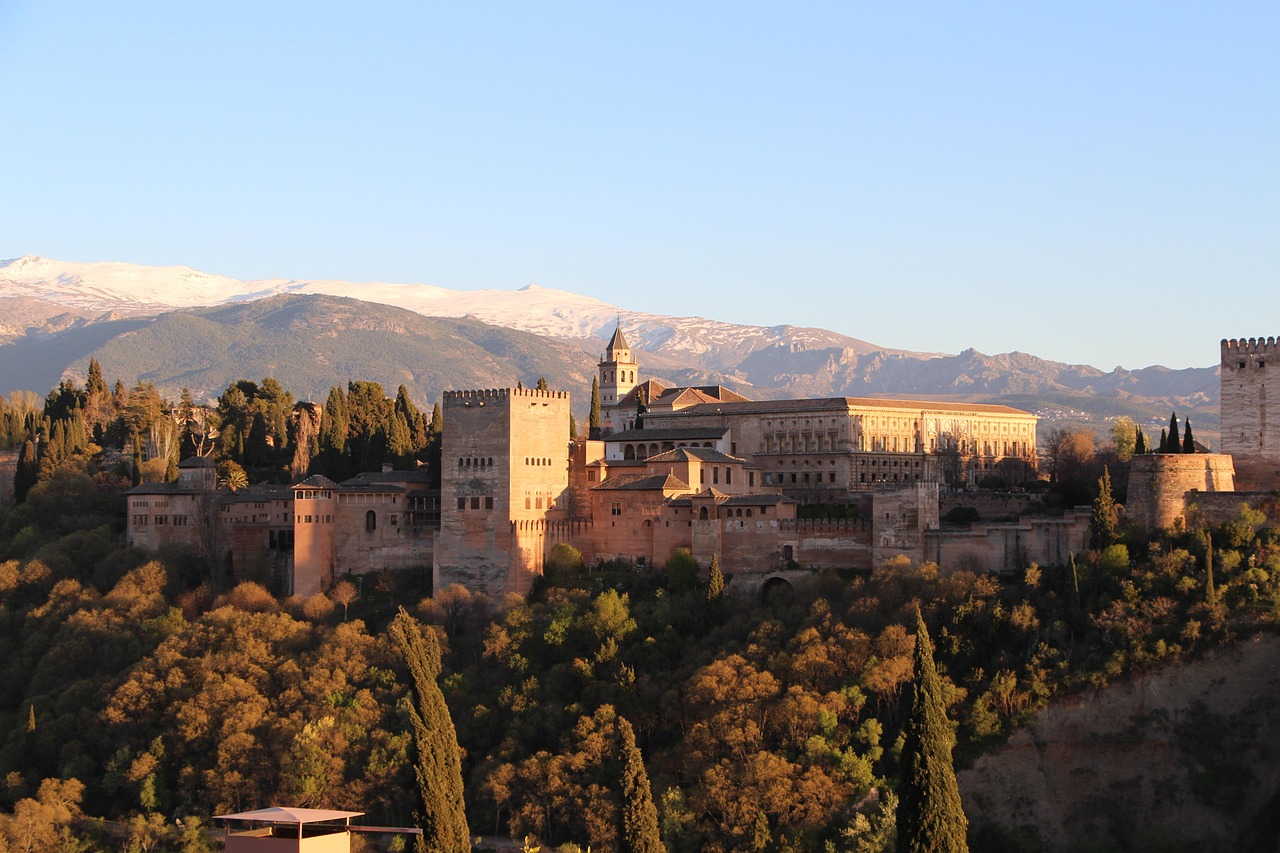

There is a specific quality to the light in Granada. I’ve been to dozens of cities across Spain, but the light here—it hits the limestone of the Alhambra and the whitewashed walls of the Albaicín differently. It’s a soft, honeyed gold, especially in the late afternoon, that seems to linger, suspending time. It makes you want to walk slower, to linger over a coffee, to take the long way around a corner just to see what the shadows are doing.
If you have only two days in this city, you are essentially trying to cram a millennium of history, a complex culinary tradition, and a geography that defies logic into a 48-hour window. It is ambitious. It is, if we are being honest, slightly exhausting. But it is also deeply, deeply rewarding. Granada is not a city you "conquer"; it is a city you surrender to. This 2 days in Granada itinerary is designed to help you do exactly that, balancing the grand imperial majesty of the Alhambra with the tangled, intimate mystery of the Albaicín, with just enough tapas to keep your spirits high.
A Note Before You Start: The Golden Rule of Granada
I cannot stress this enough: Book your Alhambra tickets the moment you decide you are going. Not a week before, not two days before. Months. The Generalife Gardens alone often sell out in peak season. The Nasrid Palaces, the crown jewel, have a strictly enforced, timed entry. If you show up in Granada without a pre-booked ticket, you will look at the walls from the outside, and you will feel a regret that will haunt your vacation. I’ve seen people crying at the ticket office. Don’t be those people.
Day 1: The Imperial City and the Golden Hour
Morning: The Awakening of the Alhambra
Start your day at 8:00 AM. Not 8:30. Not 9:00. You want to be at the Cuesta de Gomérez, the grand stone gateway that marks the entrance to the Alhambra complex, as the city is rubbing the sleep from its eyes. The walk up is steep, a winding path through a forest of oak and chestnut that feels like a transition between the mundane world and something entirely otherworldly.
By the time you reach the ticket office (located near the Palace of Charles V), you should have worked up a light sweat. Collect your tickets if you haven't already, and head straight for the Nasrid Palaces. This is the heart of the Alhambra. It is the last great masterpiece of Islamic Spain. You have a specific time slot on your ticket—usually a 30-minute window. Do not miss it.
As you step into the Mexuar, the Court of the Myrtles, and finally the Court of the Lions, look up. Look at the stucco. The delicate, latticework ceilings (muqarnas) look like honeycomb or stalactites formed by dripping stone. The inscriptions, carved into the walls, are not just decoration; they are poetry, declarations of power, and reminders of the transient nature of life. “There is no conqueror but God.”
Spend an hour here. Let the patterns mesmerize you. The silence in these courtyards is heavy, almost palpable, broken only by the sound of the fountains and the gasps of tourists.
Late Morning: The Fortress and the Views
From the Nasrid Palaces, walk over to the Alcazaba. This is the oldest part of the Alhambra, the military fortress. It’s rougher, more stark than the palaces. Climb the Torre de la Vela. The view from the top is the map of your next 24 hours laid out before you: the Albaicín sprawled out like a white stone avalanche, the Sacromonte caves dug into the hillside opposite, and the modern city sprawling in the distance. It is dizzying. The wind whips around the tower, tugging at your clothes. It’s the kind of view that makes you want to write poetry or conquer something.
The Essential Lunch Break
By now, it is pushing 1:00 PM or later. You are hungry. Leave the Alhambra complex (show your ticket to re-enter later) and walk down toward the Calle Calderería Nueva. This street is known as "Little Morocco." It is a sensory assault of steam, scent, and sound. The shops are piled high with spices, leather goods, and lanterns.
Stop at Café Algibe (Calle Calderería Nueva, 14). It’s a tea house with a relaxed, slightly bohemian vibe. Order a tajine (clay pot stew) or a plate of falafel. If you are brave, order a teta de vaca (a sweet, milky tea that is essentially Moroccan "Berber whiskey"). It’s a perfect bridge between the Moorish history you just witnessed and the vibrant, multicultural present of Granada.
Afternoon: The Cathedral and the Royal Chapel
After lunch, walk back toward the city center (the Plaza Nueva area). You need to balance the Islamic grandeur with the Catholic Kings who eventually conquered it. Visit the Granada Cathedral. It is a masterpiece of Spanish Renaissance architecture, surprisingly light and airy compared to the heavy Gothic of northern Spain. The light filtering through the stained glass creates a kaleidoscope on the floor.
Right next door is the Royal Chapel (Capilla Real). This is where Ferdinand and Isabella, the unifiers of Spain, are buried. It’s a somber, gothic affair. The tombs are magnificent, but the real emotional punch comes from the adjacent museum where their funeral crowns are displayed. It’s a stark reminder that even the most powerful figures in history eventually end up as metal and stone.
Evening: The Ritual of the Tapeo
Dinner in Granada does not happen at a table in a restaurant. Dinner is a movement. It is a tapeo—a hopping from bar to bar. And in Granada, the magic rule is: buy a drink, get a free tapa. It’s not a bowl of olives; it’s often a full plate of food.
Head to Calderería Vieja or the streets around Plaza Nueva. My personal favorite spot is Bodegas Castañeda (Calle de Almireceros, 1). It’s chaotic, loud, and wonderful. The waiters shout orders, wine flows from barrels embedded in the counter, and the tapas are piled high. Try the carne de sandwich (a mysterious, delicious meat spread) and a glass of manzanilla.
Alternatively, go to Bar Los Diamantes (Calle Naveros, 2). It’s a seafood tapas bar that is famous for being packed to the rafters. The shrimp fritters (gambas al ajillo) are legendary. You will stand shoulder-to-shoulder with locals, shouting your order, wiping grease off your fingers, and washing it down with a cold beer. This is the soul of Granada.
Day 2: The Albaicín, Sacromonte, and the Sunset
Morning: Getting Lost in the Albaicín
Wake up late. Have a coffee. Today is about walking, but walking on the Albaicín’s terms. The Albaicín is a UNESCO World Heritage site, a labyrinth of narrow, winding streets designed to confuse invaders (and tourists). Forget Google Maps. It will fail you. It will send you down a flight of stairs that ends in a private patio or a dead end.
Start at the Plaza Nueva and walk up the Cuesta del Chapiz. This is a steep, cobbled path lined with old houses, some crumbling, some restored to perfection. You will pass the Carmen de los Mártires, a Victorian-style mansion with peacocks roaming the gardens. It’s a strange, romantic detour.
Continue upward toward the Plaza Larga. This is the "town square" of the Albaicín. It’s where grandmothers gossip and kids play football. Buy some fruit or pastries at the market here. It feels incredibly authentic.
Midday: The Basílica and the Water
From Plaza Larga, head to the Basílica de San Juan de Dios. The exterior is impressive, but the interior is a riot of Baroque gold. It’s almost overwhelming. If you have the energy, the hospital museum attached to it is fascinating, showing how medical care was administered in the 16th century.
But the true hidden gem of the Albaicín is the El Bañuelo (Calle del Agua, 15). This is an ancient Arab bathhouse from the 11th century. You enter from the street and descend into a dimly lit, brick-vaulted cavern. It’s incredibly atmospheric. You can almost hear the hushed whispers of merchants and nobles from 900 years ago. It’s quiet, cool, and profoundly historic.
Lunch: A Hidden Gem
For lunch, avoid the tourist traps on the main thoroughfares. Duck into Restaurante Cunini (Calle Jardines, 14). It’s an institution for seafood. The pescaíto frito (fried fish) is light and crispy, and the atmosphere is old-school Granada elegance. Or, for something more modern, try Casa Julio (Calle Postigo Velutti, 4). It’s tiny, the service is brusque, but the tortilla de patatas is widely considered the best in the city. You have to wedge yourself inside, but it’s worth the effort.
Afternoon: The Sacromonte Perspective
After lunch, head to the other side of the valley: Sacromonte. This is the traditional Gitano (Roma) quarter of Granada, famous for its cave dwellings (casas cuevas) dug into the hillside. You can walk there from the Albaicín via the Cuesta del Chapiz or the Plaza Larga, following the signs for the Mirador de San Nicolás.
The walk to Sacromonte is steep. It’s a calf-burning climb. But as you go higher, the view of the Alhambra changes. You see the back of the palaces, the towers, the red walls set against the rugged Sierra Nevada mountains. It’s the postcard view.
While in Sacromonte, visit the Centro de Interpretación del Sacromonte (Cuesta del Chapiz, 79). It’s a museum built into the hillside that explains the history of the Gitano community in Granada. It’s educational and visually stunning, blending seamlessly with the landscape.
The Essential Nap (Siesta)
By 4:00 PM, you have earned a break. Go back to your hotel. Lie down. The Spanish siesta is not a cliché; it is a survival mechanism for a lifestyle that runs late into the night. You need to recharge your batteries for the evening ahead.
The Sunset: The Ritual of San Nicolás
Around 7:00 PM, begin the walk to the Mirador de San Nicolás. This is the most famous viewpoint in Granada. It is where the sunset over the Alhambra happens. Get there early. Find a spot on the low wall.
The atmosphere here is electric. There is often a group of guitarists playing flamenco—improvised, raw, soulful. As the sun dips behind the mountains, it bathes the Alhambra in that molten gold light I mentioned earlier. The red walls turn to fire, then to purple. The crowd usually falls silent as the light fades. It is a communal experience. It is spiritual. I have seen people weep here. It’s that beautiful.
Late Night: The End of the Line
After the sun sets, the Albaicín transforms again. The shadows lengthen, and the bars fill up. For your final night, I recommend heading back down toward the center, but specifically to the Realejo neighborhood (the old Jewish quarter), which borders the Albaicín.
Try La Tana (Plaza de la Libertad, 3). It’s a tiny wine bar with an incredible selection of Spanish wines and high-quality tapas. It’s a bit more sophisticated than the raucous seafood bars. Order a glass of Rioja and some manchego or chorizo.
Alternatively, if you want to end with a bang, go to Los Manueles (Cuesta de Marañas, 22). There are two of them next to each other (number 21 and 22). They are famous for one thing: croquetas. Specifically, the croquetas de jamón. They are not small. They are the size of a small fist. They are creamy, salty, and life-affirming. Eating one (or three) at 1:00 AM in Granada is a rite of passage.
Practicalities and Musings
Getting Around
Granada is a walking city. The buses are good (the C32 and C34 connect the city center to the Alhambra), but the streets of the Albaicín are not made for vehicles. Wear shoes with good grip. The cobblestones are smooth and slippery, especially if it rains.
The Granada Card
Consider buying the Granada Card. It covers public transport and offers discounts or free entry to many monuments (though it often doesn't cover the full Alhambra experience, it helps with the Cathedral, Royal Chapel, and buses).
The Vibe
Granada feels different from Madrid or Barcelona. It is slower, more Andalusian, more "laid back" to the point of horizontal. Restaurants don't really get going until 9:00 PM. Bars stay open until 2:00 AM or later. Embrace this rhythm. Do not try to live by your home country's clock.
A Final Reflection
Two days in Granada is a snapshot, not a portrait. You will leave with sore feet and a full stomach. You will have seen the intricate geometry of the Nasrid Palaces and the chaotic beauty of the Albaicín streets. You will have tasted the salt of the sea in a tapa bar and the sweetness of the tea in a Moorish salon.
But more than that, you will carry the memory of the light. The way it catches the plaster work, the way it illuminates the Sierra Nevada, the way it turns the Alhambra into a floating ship on a sea of green trees. Granada is a city that demands you feel it, not just see it. It is a place where history is not behind glass; it is the wall you lean against while waiting for a bus, the floor you walk on, the air you breathe.
If you go back to your hotel, exhausted, and look out the window at the dark outline of the hills, you might hear the faint sound of a guitar drifting up from the caves below. That is the sound of Granada. It stays with you long after you’ve left.