Spain’s 2-Week Itinerary: Hidden Gems & Must-Sees
By Intripper
There’s a moment in every traveler’s journey when Spain stops being a postcard and starts feeling like a second home. For me, it happened in a dimly lit bodega in San Sebastián, where an elderly Basque woman slid a plate of pintxos across the bar and said, “Eat. You look like you’ve been running from the bulls in Pamplona.” I had, in fact, just come from there—disheveled, sunburnt, and utterly in love with this country’s ability to surprise.
Spain is a place where every region feels like its own country: the fiery flamenco of Andalusia, the misty green hills of Galicia, the avant-garde buzz of Barcelona, and the quiet, golden villages where time seems to have paused for a siesta. This 2-week itinerary isn’t just about ticking off the must-sees—though, of course, we’ll hit the Sagrada Família and the Alhambra. It’s about wandering into the hidden gems, the places where Spain’s soul hums loudest. Think: a 12th-century monastery turned boutique hotel, a secret beach where locals grill sardines at sunset, or a family-run sidrería in Asturias where the cider is poured from three feet above your glass.
So grab your most comfortable walking shoes, a phrasebook (your “¿Dónde está el baño?” will improve, I promise), and an empty stomach. We’re going deep.
Day 1–3: Barcelona – Where Gaudí Meets the Underground
Where to Stay:
Hotel Casa Camper (C/ d'Elisabets, 11, 08001 Barcelona)
A boutique hotel with a rooftop terrace overlooking the Gothic Quarter, free 24/7 snacks (yes, including jamón ibérico), and bikes to borrow. It’s the kind of place where you’ll want to linger over breakfast—fresh pan con tomate, local cheeses, and café con leche so good it should be illegal.
Hours: Check-in from 2 PM, check-out until 12 PM.
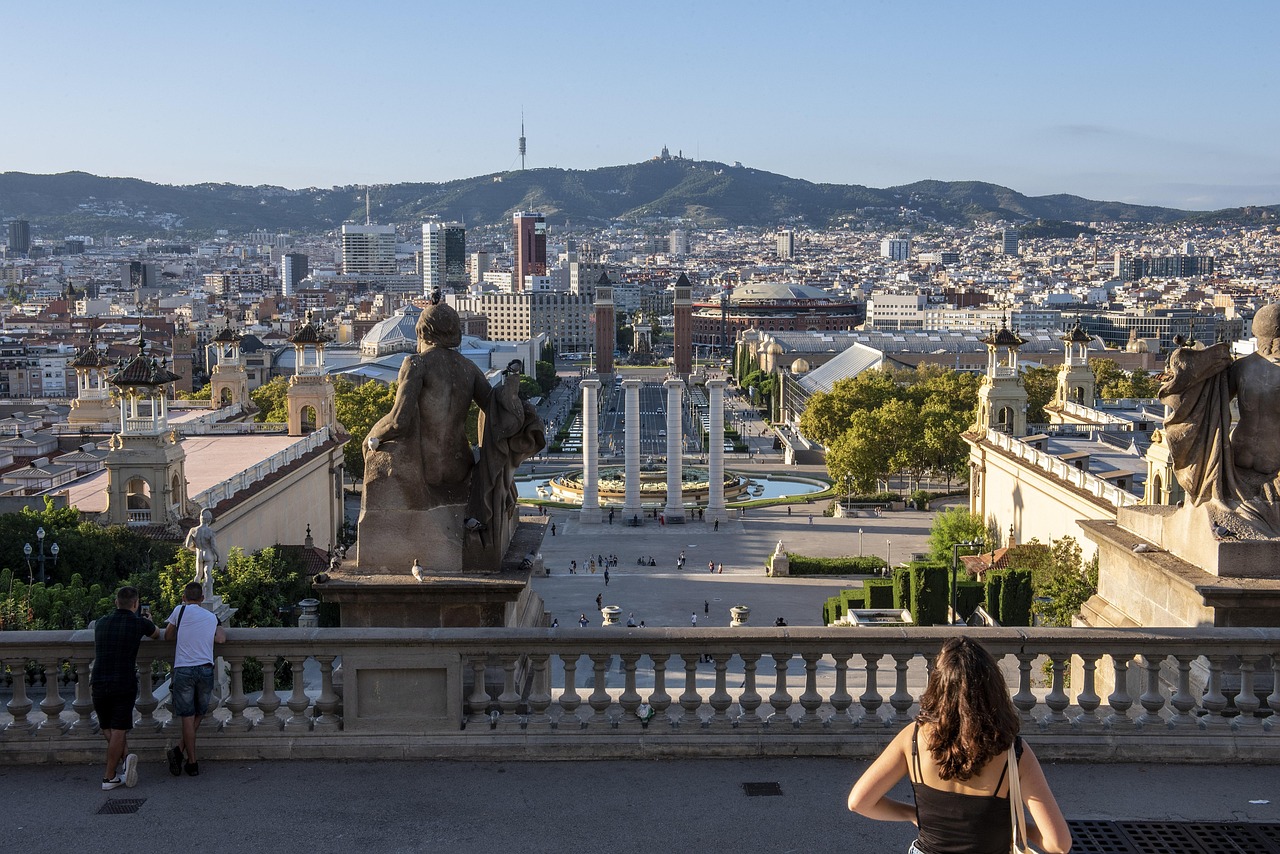
Barcelona is a city that demands you look up—at the swooping, melting facades of Gaudí’s architecture—and down, into the labyrinth of the Gothic Quarter’s alleys, where laundry hangs between medieval buildings and the scent of baking bread leads you to hidden panaderías.
Must-See: La Sagrada Família
You’ve seen the photos, but nothing prepares you for the way light filters through the stained glass, turning the interior into a kaleidoscope of blues, greens, and reds. Book your ticket for 9 AM (before the crowds) and climb one of the towers for a view over the city.
Address: C/ de Mallorca, 401, 08013 Barcelona
Hours: 9 AM–6 PM (varies by season; check online)
Pro Tip: Skip the audio guide. Hire a local architect (many offer private tours) to explain Gaudí’s genius—like how the columns mimic trees or how the facades tell the story of Christ’s life.
Hidden Gem: Bunkers del Carmel
Forget the overcrowded vistas at Park Güell. Head to these abandoned anti-aircraft bunkers from the Spanish Civil War, where you’ll find 360-degree views of Barcelona—from the sea to Montjuïc—with locals sipping wine at sunset.
Address: C/ de Marià Labèrnia, s/n, 08032 Barcelona
Hours: Always open (best at sunset)
Bring: A bottle of cava and some patatas bravas from a nearby takeaway.
Eat & Drink:
- Can Solé (C/ de Sant Carles, 4, 08003) – A 1903 marisquería where the suquet de peix (fish stew) is so rich it’ll make you weep. Go for lunch.
- Bar Cañete (C/ de la Unió, 17, 08001) – A standing-room-only tapas bar where the jamón ibérico is carved to order and the croquetas are crispy perfection.
- El Vaso de Oro (C/ de Balboa, 6, 08003) – A no-frills cervecería near the beach where fishermen and tourists rub shoulders over boquerones (anchovies) and ice-cold beer.
Day Trip: Sitges
Just 40 minutes by train, this bohemian coastal town is Barcelona’s answer to St. Tropez—without the pretension. Wander the Carrer del Parellades, a pedestrian street lined with modernista houses, then head to Platja de les Botigues, a quiet cove where nudists and families coexist peacefully.
Train: R2 Sud from Barcelona Sants (€4.20 one way)
Day 4–5: The Pyrenees & Medieval Villages
Leave the city behind and drive (or take a train to Ripoll, then rent a car) into the Pyrenees, where the air smells of pine and the villages look like they’ve been plucked from a fairy tale.
Hidden Gem: Besalú
This medieval village is all cobbled streets, a 12th-century Jewish mikveh (ritual bath), and a Romanesque bridge so photogenic it’s been in a dozen films. Stop at Cafè de la Plaça for mel i mató (fresh cheese with honey), a Catalan dessert that tastes like childhood.
Address: Plaça de la Llibertat, 17850 Besalú
Hours: Bridge always open; café 9 AM–7 PM
Stay: Hotel Camí del Bosc
(Ctra. de Sant Joan de les Abadesses, km 2, 17867 Ripoll)
A 12th-century monastery turned boutique hotel, where the rooms have stone walls, wooden beams, and views of the forest. The restaurant serves foraged mushrooms and wild boar stew—this is mountain cuisine at its finest.
Eat:
- Restaurant Pont Vell (Besalú) – Try the fricandó (Catalan beef stew) under the vaulted ceilings of this 16th-century building.
- Formatgeria La Pastora (Ripoll) – A cheese shop where the owner, Maria, will let you taste aged *tupí*** (a pungent Pyrenean cheese preserved in oil).
Day 6–8: San Sebastián & the Basque Country
If Barcelona is Spain’s flamboyant artist, San Sebastián is its elegant poet—where the Bay of La Concha curves like a crescent moon and pintxos are elevated to high art.
Must-See: La Concha Beach
Walk the Paseo de La Concha, a seaside promenade where locals jog, grandparents push strollers, and teenagers sneak cigarettes. Rent a rowboat (€15/hour) and paddle out to the Isla de Santa Clara, a tiny island with a lighthouse and a beach.
Hidden Gem: Monte Urgull
Most tourists climb Monte Igueldo for the views, but Urgull is quieter, steeper, and rewards you with a 12th-century castle, a giant statue of Jesus, and panoramas over the bay. At the base, you’ll find La Cuchara de San Telmo, a pintxos bar where the braised beef cheek is life-changing.
Address: Monte Urgull trailhead near Plaza de la Constitución
Eat & Drink (A Pintxos Crawl):
- Bar Txepetxa (C/ de Pescadería, 5) – Famous for anchovy *pintxos*** (try the Gilda—anchovy, olive, guindilla pepper).
- La Cuchara de San Telmo (C/ de 31 de Agosto, 28) – Order the solomillo al whisky (pork loin in whisky sauce).
- Ganbara (C/ de San Jerónimo, 21) – A temple of seafood; the txangurro (spider crab) is a must.
- Atari Gastroteka (C/ de Mayor, 18) – Modern twists on classics, like foie gras with apple gelée.
Day Trip: Hondarribia
A colorful fishing village 20 minutes by bus, where houses are painted in pastel hues and the Castle of Charles V looms over the harbor. Eat at Alameda (C/ de San Pedro, 48), where the kokotxas (hake cheeks) are buttery and divine.
Day 9–11: Bilbao & the Rioja Wine Country
Must-See: Guggenheim Bilbao
Frank Gehry’s titanium masterpiece is worth the hype. Don’t miss Jeff Koons’ *Puppy*** (a 40-foot-tall flower-covered dog) or Louise Bourgeois’ *Maman*** (a 30-foot spider that’s somehow both terrifying and maternal).
Address: Abandoibarra Etorb., 2, 48009 Bilbo
Hours: 10 AM–7 PM (closed Mondays)
Hidden Gem: Casco Viejo’s *Mercado de la Ribera***
Europe’s largest covered market is a feast for the senses: fresh *pulpo* (octopus), *queso Idiazábal* (smoked sheep’s cheese), and *txakoli* (Basque white wine) poured straight from the barrel. Grab a stool at Casa Rufo (inside the market) for bacalao al pil-pil (cod in garlic sauce).
Address: Erribera Kalea, 1, 48005 Bilbo
Hours: 8 AM–2:30 PM (Mon–Sat)
Stay: Hotel Viura
(C/ de la Virgen de la Peña, 1, 26340 Villabuena de Álava)
A modernist winery hotel in Rioja, where rooms have floor-to-ceiling windows overlooking the vineyards. The breakfast—local chorizo, tortilla de patatas, and pan tumaca—is served on a terrace with views of the Sierra de Cantabria.
Wine Tasting:
- Bodegas López de Heredia (C/ de Viana, 2, 26200 Haro) – A 19th-century winery where wines are aged in hand-dug caves. Try the Viña Tondonia (a 1981 vintage if you’re lucky).
- Bodegas Muga (C/ de la Estación, 3, 26200 Haro) – A family-run winery where the barrel room smells like vanilla and oak.
Day 12–14: Madrid – The Grand Finale
Must-See: Prado Museum
Spain’s greatest art museum holds Velázquez’s Las Meninas, Goya’s Black Paintings, and Bosch’s The Garden of Earthly Delights. Go on a Friday or Saturday evening (free entry after 6 PM) when the crowds thin and the golden light makes the paintings glow.
Address: C/ de Ruiz de Alarcón, 23, 28014 Madrid
Hours: 10 AM–8 PM (Mon–Sat), 10 AM–7 PM (Sun)
Hidden Gem: El Rastro & La Taberna de los Cuevas
Madrid’s flea market (Sunday mornings) is a maze of antique postcards, leather boots, and *jamón* knives. After haggling, duck into La Taberna de los Cuevas (C/ de la Cava Baja, 30), a 17th-century tavern where the walls are lined with botas de vino (wineskins) and the rabo de toro (oxtail stew) is legendary.
Eat & Drink:
- Casa Lucio (C/ de Cuchilleros, 35) – The birthplace of huevos rotos (broken eggs with potatoes and ham). Book ahead.
- Bodega de la Ardosa (C/ de Colón, 13) – A 19th-century *cervecería*** where the tortilla de patatas is thick, runny in the middle, and served with a caña (small beer).
- DiverXO (C/ de Padre Damián, 23) – Three-Michelin-starred madness from chef Dabiz Muñoz. The tasting menu is a theatrical, avant-garde journey (think: liquid dim sum).
Final Hidden Gem: El Capricho Park
Madrid’s most romantic park is a secret even to locals. Designed in the 18th century for the Duchess of Osuna, it has a labyrinth, a *casino* (not for gambling—it was a ballroom), and a *lake with black swans***. Go at golden hour when the light turns the fountains to gold.
Address: Paseo de la Alameda de Osuna, s/n, 28042 Madrid
Hours: 9 AM–6:30 PM (weekends only)
Final Thoughts: The Spain You’ll Miss
As your flight takes off from Adolfo Suárez Madrid-Barajas, you’ll already be planning your return. Because Spain isn’t a country you visit—it’s one you fall in love with, slowly and irrevocably.
You’ll miss:
- The sound of *castanets* in a *tablao* flamenco in Seville.
- The smell of *azahar* (orange blossom) in Valencia’s streets.
- The taste of *churros con chocolate* at 3 AM in Madrid’s Plaza Mayor.
- The feeling of sand between your toes on a hidden calas in Mallorca.
But most of all, you’ll miss the people—the abuela who pinched your cheek in Toledo, the bodeguero in Jerez who poured you a fino “just to try,” the taxista in Granada who insisted on taking you to his favorite tetería for mint tea.
Spain doesn’t just show you its beauty—it pulls you into its rhythm, its chaos, its duende (soul). And that’s why, no matter how many times you return, it always feels like coming home.