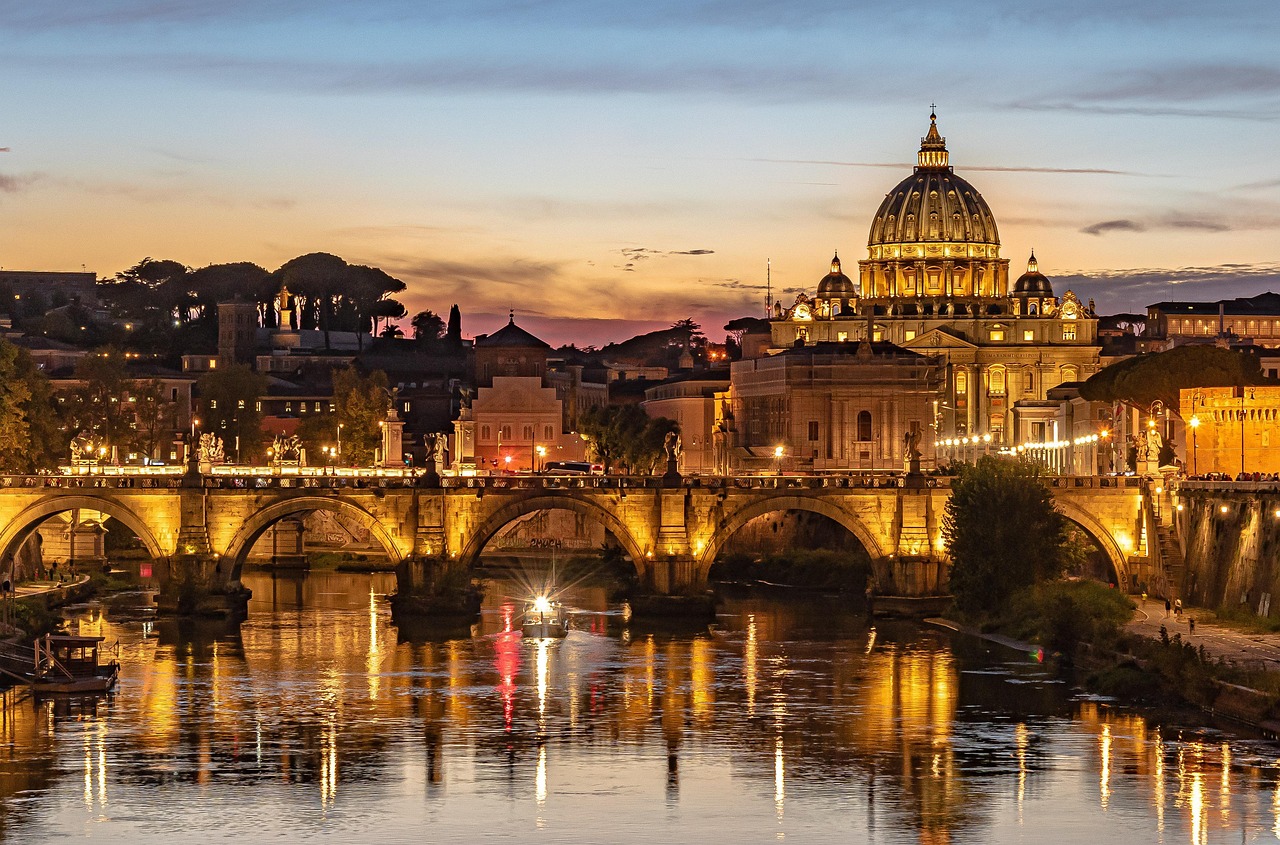
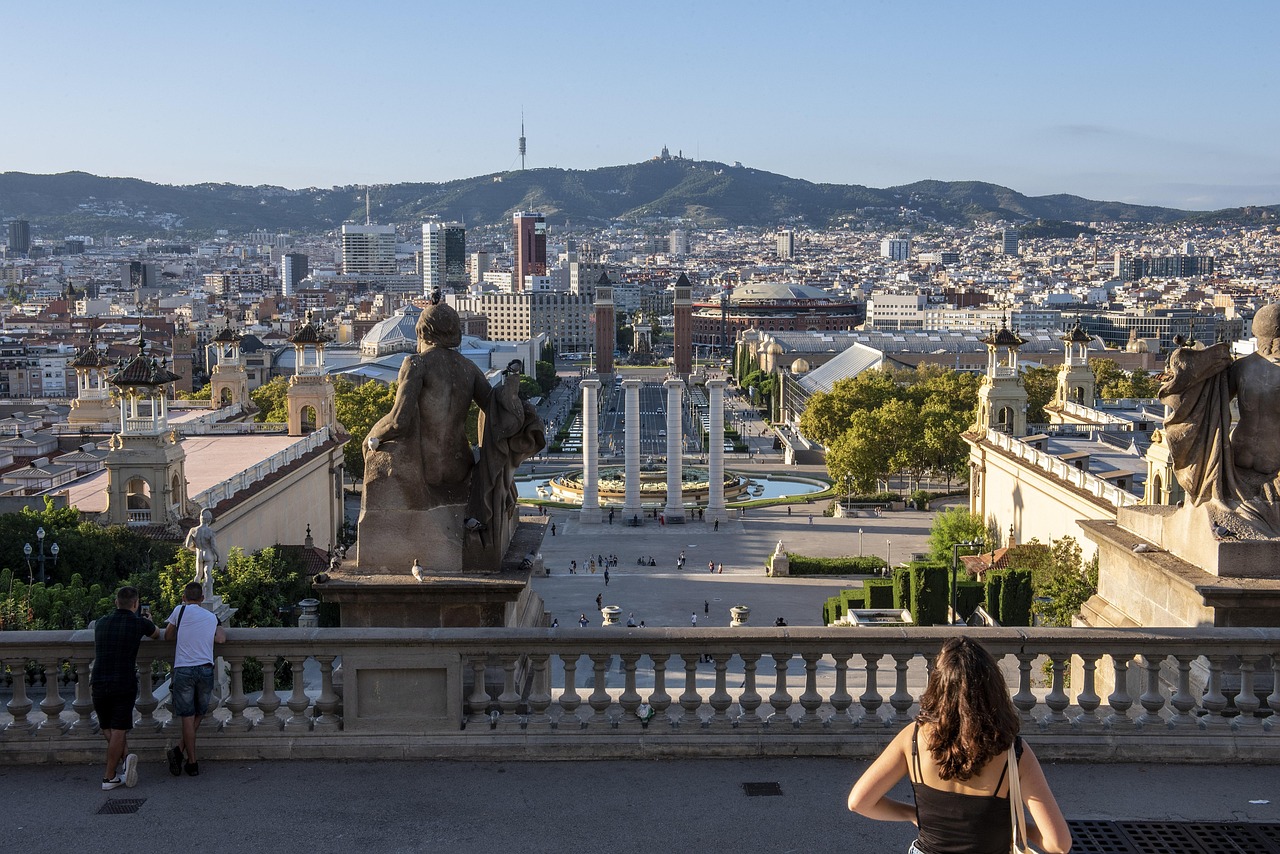
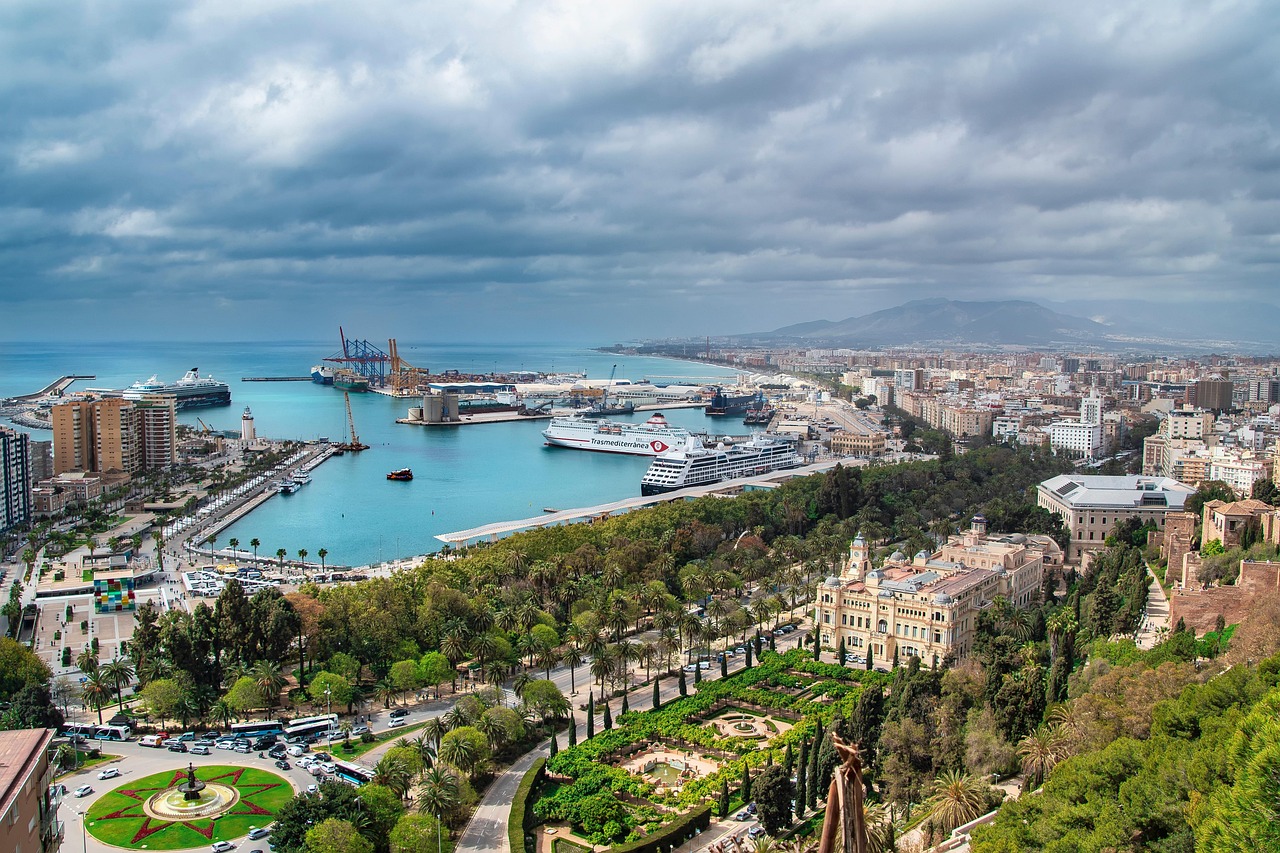

There is a unique quality of light in Spain—ancient yet impossibly bright, like it’s been filtered through a glass of sherry. It turns the honey-colored stone of Toledo into spun gold at dusk and makes the sea in Menorca look like a crumpled sheet of turquoise silk. For over a decade, I've chased this light across the country, learning that the best photographs aren’t just about finding a pretty corner; they’re about understanding the rhythm of a place.
2026 is shaping up to be a fascinating year for Spanish travel. The focus has shifted from sterile perfection to vibrant, lived-in beauty. This is your personal map of the 15 spots that will define the visual story of Spain in 2026.
Andalusia: The Soul of Spain
1. The Patio of the Seville Cathedral (Seville)
Forget the soaring Gothic interiors for a moment. Step into the Patio de los Naranjos, a relic of the 12th-century mosque. The air is thick with the scent of bitter orange trees, and the light here is dappled, falling in intricate patterns through delicate archways. For your 2026 shot, arrive just after the cathedral opens (around 9:00 AM) to capture the morning sun illuminating the ancient tiles.
Best Time: 9:00 AM - 10:30 AM for light and thin crowds.
2. The Face of the Caleta Palace (Cádiz)
The true coastal soul of Andalusia is Cádiz, and its most iconic image is a playful architectural quirk: the "face" of the Palacio de la Diputación. From a specific angle in Plaza de España, the sculpted figures look like they’re sticking their tongues out. It’s a perfect metaphor for Cádiz itself. The shot is pure gold when framed with the shocking pink bougainvillea that climbs the surrounding buildings in late spring.
Best Time: Late afternoon (4:00 PM - 6:00 PM).
3. The Courtyard of the Hospital de los Venerables (Seville)
This 17th-century Baroque building houses a stunning Mudéjar courtyard that is a masterclass in symmetry. A central fountain is surrounded by a perfect ring of orange trees, all capped by a beautiful blue-and-white tiled dome. The key is to shoot from ground level, using the columns to frame the central fountain, and wait for a moment of human interaction to bring life to the perfect architecture.
Best Time: Late afternoon for soft light on the tiles.
4. The Orange Wall of Calle Sierpes (Seville)
Look down the narrow, winding side alleys off Calle Sierpes to find walls entirely covered in orange trees. This isn't just a tree or two, but a solid wall of branches and fruit. The shot is simple but effective: a person walking past, framed by the oranges on one side and ancient, peeling plaster on the other. It’s a texture shot that feels like a Seville dream.
Best Time: Before 10:00 AM on a weekday for quiet streets.
The Mediterranean & The Islands
5. La Pedrera at Blue Hour (Barcelona)
Gaudí’s La Pedrera (Casa Milà) roof terrace is a masterpiece, but the real magic happens at blue hour—the fleeting period after sunset when the sky turns a deep electric blue. You’ll need a tripod. Frame one of the iconic "medieval knight" chimneys against the backdrop of the Sagrada Família in the distance for a shot that screams "Barcelona."
Best Time: 30-60 minutes after sunset (Blue Hour).
6. The Infinite Pool at an Ibizan Hacienda (Ibiza)
Forget the parties; seek out a traditional hacienda-turned-boutique-hotel in northern Ibiza. The quintessential shot is the "infinity pool meeting the sea." The Balearic light is piercingly clear, and in the late afternoon, the sun casts a golden glow. Position yourself so the edge of the pool merges seamlessly with the Mediterranean Sea, and use a polarizing filter to deepen the blue.
Best Time: 4:00 PM - 6:30 PM.
7. The Azure Window's Echo (Menorca)
Menorca is a UNESCO Biosphere Reserve, and its coastline is a treasure trove of hidden coves (calas). Head to Cala Macarelleta and scramble over the rocks to the west. The shot to get is a wide-angle view of the limestone cliffs curving into the turquoise water. The water in Menorca has a unique, milky turquoise quality you have to see to believe. A drone is your best friend here, but a wide-angle lens from the cliff edge works too.
Best Time: Midday when the sun is overhead, making the water the most vibrant.
8. The White Village of Frigiliana (Nerja)
Perched above the Costa del Sol, Frigiliana is a labyrinthine paradise of white and blue. Every corner is a study in texture: whitewashed walls, cobalt-blue window frames, and terracotta pots overflowing with fuchsia geraniums. A great composition is to shoot upwards from the bottom of a steep, cobbled alley, capturing the layers of white houses stacked against the hillside.
Best Time: Mid-morning (10:00 AM - 12:00 PM).
The Architectural Avant-Garde
9. The Golden Cloud of Bilbao (Bilbao)
The Guggenheim Bilbao is a masterpiece, but for 2026, look inside. The most Instagrammable element is Richard Serra’s "The Matter of Time." The best photo is of a person standing at the base of one of the colossal, rust-colored steel arcs, appearing small and vulnerable against the immense scale. It’s a shot that conveys art and human emotion all at once.
Best Time: Right at opening or near closing to avoid crowds.
10. The City of Arts and Sciences (Valencia)
Valencia is the future. The City of Arts and Sciences is a complex so futuristic it looks like it was dropped from space. The classic shot is from the bridge overlooking the Hemisfèric and the Príncipe Felipe Science Museum. For a unique shot, get low to the ground to capture the reflection of the buildings in the shallow pools of water on a windless morning.
Best Time: Early morning (7:00 AM - 9:00 AM) or late afternoon (5:00 PM - 7:00 PM).
The Hidden & The Historic
11. The Albayzín at Sunset (Granada)
There is no sunset like the one viewed from the Albayzín. You climb the winding streets of the old Moorish quarter to the Mirador de San Nicolás. What you see is the Alhambra palace complex sitting on the opposite hill, bathed in the last rays of the sun, which turns the Sierra Nevada mountains behind it a dusty pink. The shot is a balancing act: the Alhambra in focus, with the silhouettes of people and pigeons in the foreground.
Best Time: The 30 minutes leading up to sunset.
12. The Monastery's Silent Garden (El Escorial)
The Royal Monastery of San Lorenzo de El Escorial is sober and imposing, but its secret lies in the Jardín de los Frailes. This is a classic, formal garden with meticulously trimmed hedges and geometric gravel paths. The best shot is from an upper-level balcony, looking down on the garden’s symmetry, framed by the dark, severe lines of the monastery in the background.
Best Time: Morning when the sun illuminates it from the east.
13. The Bardenas Reales (Navarre)
Forget everything you think you know about Spain. The Bardenas Reales is a semi-desert of dramatic canyons and mesas, a landscape of clay, chalk, and sand. It’s the setting for *Game of Thrones*. The most iconic formation is the Castil de Tierra. The landscape is a palette of ochre, grey, and white. The shot is all about scale and minimalism—a single road cutting through the vast emptiness.
Best Time: Golden hour, either sunrise (7:00 AM - 8:30 AM) or sunset (6:30 PM - 8:00 PM).
14. The Balcón de Europa (Nerja)
The heart of Nerja is the Balcón de Europa, a stunning promenade jutting out over the sea. The shot is from the center, looking out towards the horizon, perhaps framing it with the grand statue of King Alfonso XII. For a more unique shot, walk down the steps to the beach below and shoot upwards, capturing the balcony and whitewashed buildings against the blue sky at sunset.
Best Time: Sunset (6:00 PM - 9:00 PM depending on season).
15. The Silk Exchange Ceiling (Valencia)
The La Lonja de la Seda (Silk Exchange) is a masterpiece of Gothic civil architecture. The true secret is in the contract hall (Sala de Contratación). Look up. The ceiling is a breathtaking forest of twisted, carved stone columns that branch out like palm trees. The shot is simple: point your camera straight up and find the right composition within that complex, fractal-like pattern.
Best Time: Mid-morning to early afternoon for the best light beams.