Spain Wheelchair Access Guide 2026: Tips + Hidden Gems
I’ve always believed that the soul of travel isn't found in the distance you cover, but in the textures you touch and the flavors that surprise you. I remember sitting in a tiny, sun-drenched plaza in Seville, a plate of salmorejo glowing a brilliant orange in the afternoon light, watching the world go by. But I also remember the frustration of a friend trying to navigate cobblestones that seemed designed by a medieval sadist, or the panic of arriving at a train station only to find the “accessible” lift was out of service.
Traveling with a wheelchair in Spain isn't a monolith; it's a series of high highs and logistical puzzles. This guide is for you—the traveler who wants to see the Gaudí, taste the jamón, and feel the Atlantic breeze without the unnecessary stress. This is the real-world, tested, and deeply human guide to Spain in 2026.
Barcelona: Gaudí, Gothic, and Getting Around
Barcelona is a city of two halves: the modernist wonderland of Eixample and the tangled, atmospheric heart of the Gothic Quarter. The contrast is stunning, but it presents a challenge. The Gothic Quarter (Barri Gòtic) is a beautiful labyrinth of narrow streets, steep curbs, and those infamous round cobblestones that can rattle your teeth. Don’t let that put you off; you just need a strategy.
Where to Stay in Barcelona
The best wheelchair-friendly hotels in Barcelona for 2026 tend to cluster around the more modern areas or the beachfront. The Hotel Arts Barcelona or the W Barcelona are obvious luxury choices with spacious accessible rooms and roll-in showers. However, for something more central but still accessible, look toward the Eixample district. Many hotels here, like the H10 Casanova, have been recently renovated and offer excellent accessibility, including pool hoists in some cases. Always call ahead to confirm the specific dimensions of doorways and the layout of the bathroom; photos are your best friend.
Navigating the City
Getting around is surprisingly efficient. The Barcelona Metro system has made huge strides, with lifts now installed at the vast majority of stations. The TMB app is essential for real-time updates on lift status. However, the bus network is your true hero. The blue-and-yellow city buses are low-floor and have dedicated spaces for wheelchairs. A personal tip: the Bus Turístic (Hop-On Hop-Off) is actually a fantastic, albeit touristy, way to see the city without the stress of navigating the metro. It hits all the major stops—Sagrada Família, Park Güell, La Pedrera.
Accessibility at Major Attractions
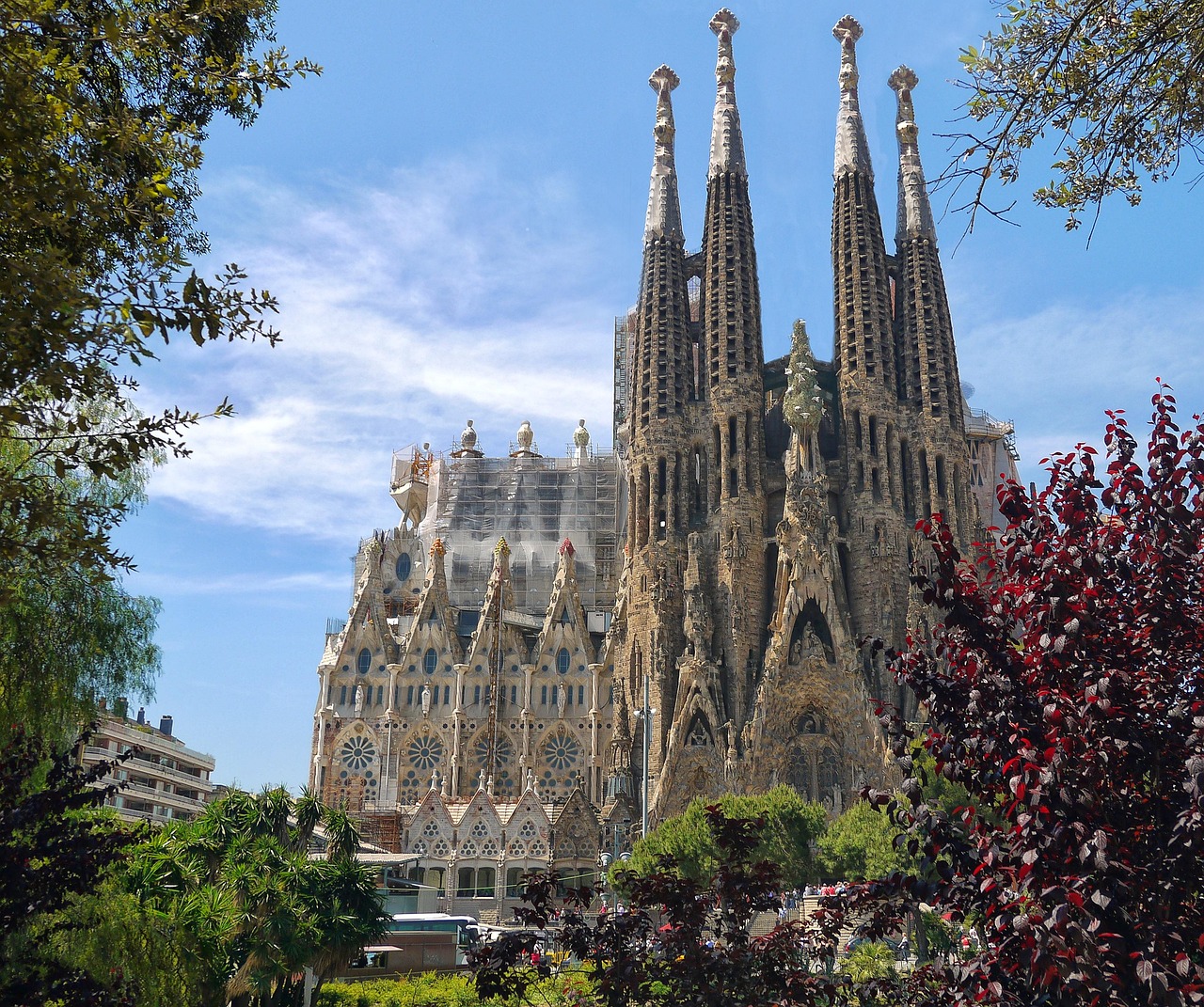
Sagrada Família is a masterpiece, and they have done a stellar job with accessibility. There are lifts to the main nave, and the museum downstairs is spacious. You can borrow a wheelchair if needed, but bring your own for comfort. Park Güell is trickier. It’s built on a steep hill. While there are accessible routes and lifts, the main monumental zone involves some slopes. They offer an accessible shuttle from the main entrance to the core area, but check the official website for 2026 updates on specific route closures. Casa Batlló, on the other hand, is a joy. They provide a virtual reality headset that simulates the upper floors you can't access, and the main floor is navigable and breathtaking.
Madrid: Museums, Parks, and the Art of the Siesta
Madrid is grand, wide-open, and surprisingly accessible. Unlike Barcelona’s Gothic maze, Madrid’s center is built on a more grid-like system with broad avenues. The golden triangle of art—the Prado, Reina Sofía, and Thyssen-Bornemisza—are all highly accessible.
Madrid Wheelchair Accessible Museums
The Prado Museum has a dedicated accessible entrance (Puerta de los Jerónimos) and offers free admission for wheelchair users and a companion. The lifts are large enough for standard power chairs, though the older wings can have some tighter turns. The Reina Sofía, home to Picasso’s Guernica, is modern and fully accessible with smooth floors and spacious galleries. My advice? Don’t try to do all three in one day. It’s museum fatigue waiting to happen. Pick two, and spend the rest of the afternoon in El Retiro Park.
Green Spaces and Hidden Gems
El Retiro is Madrid’s green lung. The paths are generally wide and paved. You can rent accessible rowboats on the lake (they have a transfer system), which is a surprisingly fun and romantic activity. The Crystal Palace is usually accessible on the ground floor and offers a stunning view of the reflective pond outside.
For a truly hidden gem within Madrid, find the Museo del Romanticismo. It’s a smaller, quieter museum in a 19th-century mansion. While historic buildings can be hit-or-miss, they have installed a lift to the main rooms, and the staff is incredibly helpful. It feels like stepping into a Jane Austen novel, with miniature dollhouses and velvet furniture.
Seville: Flamenco, Orange Trees, and Cobblestone Reality
Seville is the heart of Andalusia, a city of passion, heat, and history. It is also where accessibility gets more nuanced. The historic center (Santa Cruz neighborhood) is the postcard image of Spain, with narrow alleys and uneven paving.
Accommodation and The Alcázar
Accommodation here requires diligence. Look for hotels near the Cathedral but on main thoroughfares like Calle Sierpes. The Hotel Alfonso XIII is an architectural marvel and offers luxury accessibility, but for a more boutique feel, the Hotel Casa 1800 Sevilla has accessible rooms with fantastic views of the Giralda. The Cathedral has a side entrance for wheelchair users, and they can arrange a lift to see the tomb of Columbus. The Alcázar, the royal palace, has a dedicated accessible route. The gardens are mostly flat, though some gravel paths can be tricky in a manual chair—bring a pusher.
Seville Wheelchair Accessible Tapas
The food in Seville is life-changing. I dream about the salmorejo (a thicker, creamier gazpacho) at Bar El Comercio. It’s a tiny bar, but usually has a step-free entrance and a high counter that works for some wheelchair heights. For a guaranteed accessible sit-down tapas experience, try Vineria San Telmo. They have a ground-floor entrance, spacious seating, and their “Carrillada de Cerdo” (stewed pork cheek) will make you want to move to Seville permanently.
Toledo: The City of Three Cultures (and Steep Streets)
Toledo is a vertical city perched on a hill. It is historically challenging, but 2026 brings better news than ever. You cannot drive into the historic center, so you must park outside and take a bus or taxi. The accessible bus service (Toledo Bus Turístico) has a lift-equipped vehicle that runs a circuit around the main sights. This is your golden ticket. It drops you right at the base of the Zocodover Square.
The Cathedral is accessible via a ramp on the side (Puerta Llana). Inside, it is vast and mostly flat. The Synagogue of Santa María la Blanca is ground-level and accessible. The Monastery of San Juan de los Reyes has a lift to the cloister.
Costa del Sol: Beaches, Boardwalks, and Salty Air
The Costa del Sol is synonymous with sunbathing. But for wheelchair users, a beach day requires planning. In 2026, Spain is committed to improving beach accessibility, and the Costa del Sol leads the way. The "Blue Flag" status is a good indicator, but look specifically for beaches with "Silla Anfibia" (amphibious chairs) and "Pasarelas" (wooden boardwalks).
Accessible Beaches in Costa del Sol 2026
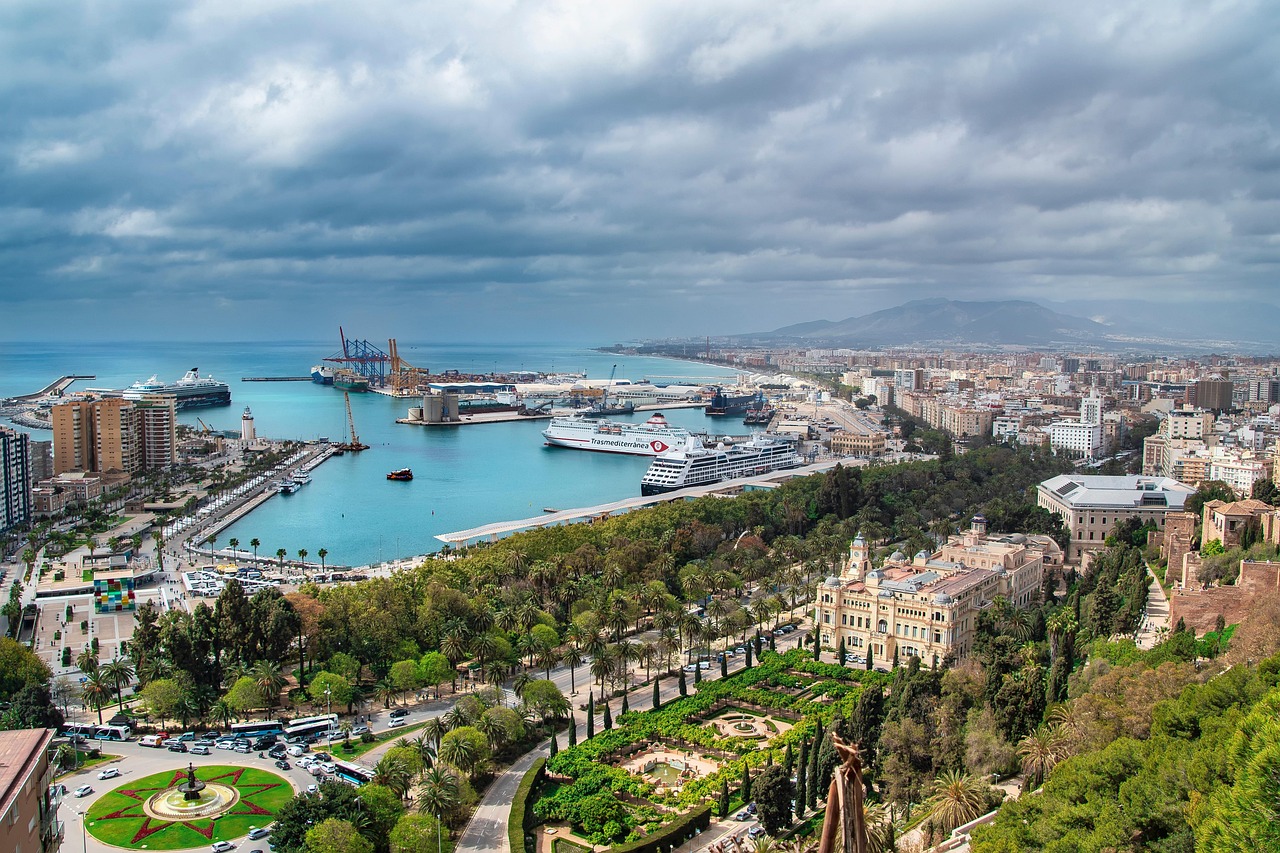
A standout is Playa de la Malagueta in Malaga. It has a designated accessible area with a ramp leading into the water, amphibious chairs available for free (usually at the Red Cross post), and accessible showers and toilets. Further west, near Marbella, Playa de la Fontanilla is excellent. It has a wide boardwalk and plenty of accessible beach bars (chiringuitos). A personal favorite is Playa de El Palo in Malaga. It’s less touristy, more local, and the boardwalk runs the length of the beach. The vibe is relaxed, and the grilled sardines at the beachside restaurants are a must-try.
For accommodation, the Meliá Marbella Banús or the Vincci Selección Estrella del Mar offer full accessibility with roll-in showers and pool hoists. Getting around the coast is best done by train or accessible bus. The Cercanías (commuter train) lines connect Malaga, Fuengirola, and Torremolinos. The stations are modern and accessible.
The Camino de Santiago: An Accessible Pilgrimage?
The Camino de Santiago is a spiritual and physical journey. Traditionally, it’s seen as the domain of the fit and hardy. But in 2026, the conversation is changing. While the classic Camino Francés through the Pyrenees is impossible for manual wheelchair users, there are accessible routes. The French Way (Camino Francés) has sections that are accessible. The stretch from Sarria to Santiago (115km) is the most popular for the "Compostela" certificate. The terrain here is rolling hills, not mountains. However, the track is often dirt and gravel, which can be muddy.
A better option is the Coastal Way (Camino del Norte). The section from Bilbao to Santander is stunning. The infrastructure in the Basque Country is excellent. However, the paths can be narrow and steep. For true accessibility, consider the "Camino Inglés" from Ferrol to Santiago. The first stretch from Ferrol to Betanzos is relatively flat and follows old roads. The Galician government has been working on paving these routes.
My advice? Don't try to do it alone unless you are an experienced adaptive traveler. Use a specialized tour operator. Companies like "Mundiplus" or "Accessible Spain" (check for 2026 operators) can arrange luggage transport, accessible accommodation, and support vehicles. They know which albergues have accessible bathrooms.
Andalusia’s Hidden Gem Villages: Beyond the Tourist Trail
Everyone knows Ronda, but let's talk about the villages that haven't been discovered by the masses. Andalusia is dotted with "Pueblos Blancos" (white villages), and while many are perched on cliffs, some are surprisingly accessible.
- Setenil de las Bodegas: Unlike most white villages that sit on top of hills, Setenil is built into the rock face. The main streets, like Calle Cuevas del Sol, are actually underneath massive overhanging cliffs. The road is paved and relatively flat. You are literally driving or rolling under the rock. It’s surreal.
- Olvera: This village is more traditional, sitting atop a hill. However, the town center itself is compact. The Plaza de la Iglesia is paved. You might skip the castle, but the town itself is worth visiting for the architecture and the olive oil tastings.
- Villafranca de Cordoba: Known for its sherry and brandy. It’s a working town, not a tourist trap. The streets are wider, and the pace is slower. Visit the Bodegas Robert, which often accommodates visitors with mobility issues.
Practicalities: Renting, Trains, and The Airport Maze
Wheelchair Rental Spain Airports Near Me
The phrase "wheelchair rental Spain airports near me" is something I’ve typed in a panic before. The truth is, airport rentals are limited and often booked out. Major Hubs (Madrid and Barcelona) have rental desks, but they are often for manual chairs only. It is much better to use a specialized medical equipment rental company that delivers to your hotel. Look for "Ortopedia" or "Movilidad" in the city you are flying into. Book at least 3-4 weeks in advance.
Spain Wheelchair Accessible Train Travel Tips
Spain’s high-speed AVE trains are generally excellent. Renfe has a specific assistance service called "Atendo". You must book assistance at least 48 hours in advance. You arrive at the station, go to the "Atendo" desk, and a staff member with a portable ramp will escort you to the train. The spaces for wheelchairs are in the middle cars, and the toilets are accessible.
Airports and Rental Cars
Always request "PRM" (Passenger with Reduced Mobility) assistance when booking your flight. Spanish airports are generally good, with excellent lifts and assistance. If you need a rental car with hand controls or a wheelchair accessible vehicle (WAV), you need to book with specialized companies like "Mobility Pass" or "Wheelchair Accessible Vehicles Spain". Plan way ahead.
Navigating the "Old World" Challenges
The biggest challenge in Spain isn't the lack of laws or will; it's the age of the infrastructure. The Spain you see in movies is often centuries old.
- The "Bordillo" (Curb): In many cities, the curb is 15-20cm high. Always look for the "rampas" (ramps). If you get stuck, ask a local: "¿Me puede ayudar con la silla?" (Can you help me with the chair?).
- Cobblestones: There are two types. The smooth, rounded river stones ("cantos rodados") are the worst. The flatter, rectangular stones ("adoquines") are better. Pneumatic tires (air-filled) on your chair are a lifesaver here.
- Bathrooms: Accessible bathrooms are mandatory in public buildings. In small tapas bars, they might be down a step. Plan your route around larger malls or museums where you know facilities are good.
"Traveling in a wheelchair in Spain requires a shift in mindset. You cannot just wander aimlessly. You have to look at maps, call ahead, and sometimes pivot. But that pivot often leads to the best moments."
The 2026 Update: What’s New?
Spain is constantly evolving. For 2026, keep an eye on:
- App Integration: New apps are emerging that specifically map accessible routes. "Accesibilidad BCN" is good for Barcelona.
- High-Speed Rail Expansion: New lines connecting to the Basque Country and Galicia are being built with modern accessibility standards.
- Beach Upgrades: The "Blue Flag" program now has stricter criteria for accessibility. You will see more amphibious chairs and matting on beaches.
Final Thoughts: The Joy of the Unexpected
Spain is a country that lives in the street. It’s about the late-night paseo, the mid-afternoon coffee, the shared tapeo. None of that requires climbing a mountain. It requires patience, a good sense of humor, and the willingness to ask for help. And in Spain, help is almost always offered with a smile and a "¡Pase adelante!" (Come in!).
So, pack your bags. Bring your sense of adventure. And remember that the best travel stories are the ones where things didn't go exactly according to plan. Spain is waiting for you, ramp and all.