There is a specific scent to the soul of Spain that is often masked by the heavy, humid breath of August. It is the scent of orange blossom clashing beautifully with sea salt, of roasting chilies and old stone warmed by a gentle, golden sun. It is the smell of unhurried time.
For years, the world has been sold a singular vision of Spanish travel: a frantic, sunburnt dash between overcrowded plazas, queuing for hours to see a painting that was already in a million Instagram photos, and paying hotel prices that would make a Manhattan landlord blush. But 2026 is whispering a different invitation.
If you are listening—and I hope you are—Spain is finally ready to take off the mask.
Traveling to Spain during the "off-season" (generally November through March, excluding the chaotic peak of Christmas and New Year's) has traditionally been viewed as a consolation prize. You go when the weather is "bad" because you can't afford July. But this mindset is obsolete. In 2026, traveling to Spain in the low season is no longer the budget traveler’s secret; it is the sophisticated traveler’s masterstroke. It is the difference between looking at Spain and actually living inside it.
The Economics of Breathing Room
Let’s address the elephant in the room, or rather, the skyrocketing cost of the room itself. Post-2020 travel has been a volatile beast. Prices surged as demand outstripped supply. But a funny thing happened in 2024 and 2025: the "revenge travel" fatigue set in. Travelers are getting smarter. They want value.
In 2026, the economic argument for the off-season is undeniable. We are talking about a 30% to 50% drop in accommodation costs in major hubs. A boutique hotel in the Gothic Quarter of Barcelona that commands €350 a night in July might drop to €140 in February. But it’s not just the room. It’s the price of a pint of beer? It stabilizes. You stop feeling like you are constantly being "tourist taxed."
But the real value of the off-season isn't monetary; it is temporal. It is the value of time. In July, you spend 40% of your day waiting. Waiting for a table, waiting for a train, waiting in line to see the Alhambra. In February, you walk straight in. You have hours to wander the Mezquita of Córdoba, watching the light shift through the forest of striped arches until you are alone with history. You have the time to sit in a Plaza Mayor and watch the locals argue about football, to actually hear the street musicians, to linger over a lunch that stretches into the late afternoon because the kitchen isn't trying to flip the table for the third seating. That is real wealth.
The Climate: Finding the Goldilocks Zone
The weather is the biggest deterrent, and the biggest lie. Yes, if you want to bake on a beach, January is not your month. But Spain is a high plateau surrounded by mountains and kissed by two very different seas. It is not a monolith of heat.
The "Invierno Español" (Spanish Winter) is often a crisp, cobalt blue affair. In the south—Andalusia—the temperature rarely dips below 10°C (50°F) during the day. It is sweater weather. It is walking weather. It is weather that demands a slow stroll through the Alcazar of Seville, followed by a warm cup of chocolate and churros.
The north, from Galicia to the Basque Country, is a different beast. It is lush, green, and dramatic. It rains. It is moody. And it is spectacular. This is the weather for huddling in a sidrería in Asturias, watching cider being poured from a great height, or wrapping your hands around a steaming bowl of Marmitako in a San Sebastián pintxos bar while the Atlantic wind howls outside.
The Soul of the South: Andalusia Without the Sweat
Seville (Sevilla)
Seville in the summer is an oven. It is beautiful, but it is physically punishing. In the winter, Seville returns to being a living, breathing city rather than a theme park for tourists. The scent of orange trees is sharper in the cold air. The light hits the Giralda tower and turns it into a bar of gold.
A deeper look: The Real Alcázar is the crown jewel. In high season, the line snakes around the block. In January, you might wait ten minutes. The quiet allows you to appreciate the Mudejar architecture—the intricate plasterwork that looks like lace turned to stone—without jostling for a view. The gardens, usually teeming with selfie sticks, become a labyrinth of solitude where the only sound is the drip of water from the fountains and the rustle of palm fronds. It feels like stepping into a Game of Thrones novel. You can spend two hours just staring at the ceiling of the Salón de los Embajadores and not feel rushed. It is a spiritual experience.
Where to stay: Look for a "Casa Palacio" in the Santa Cruz neighborhood. In winter, these historic homes drop their rates significantly. You can find stunning properties with internal courtyards for €100 a night that cost €400 in May.
Granada
The Alhambra is the reason most people come. It is also the reason most people are disappointed, because they see it through a forest of heads. In 2026, make a resolution: see the Alhambra in January.
A deeper look: The Generalife gardens in winter are a study in texture. The box hedges are trimmed tight, the stone is cold and smooth, and the views of the Sierra Nevada mountains are often snow-dusted, providing a stark, white backdrop to the ochre walls of the palace. Walking through the Nasrid Palaces at 9:00 AM with a handful of other people allows you to hear the acoustic resonance of the space. You can read the poetry carved into the walls. You can feel the loneliness of the sultans.
But Granada is more than the Alhambra. It is the Albaicín, the old Moorish quarter. In summer, it is a hot maze of donkey droppings and touts. In winter, it is a misty, atmospheric village. The streets are slick with rain, the smell of woodsmoke and frying olive oil hangs heavy. This is the time to find a small tetería (tea house) and drink mint tea while listening to Oum Kalthoum.
A deeper look: The tapas culture here is legendary. In winter, the "federal" aspect of the free tapas becomes a survival mechanism. You order a caña (small beer) or a glass of wine, and you get a substantial plate of food to warm you up. It’s not the tiny olive and the sliver of cheese of tourist traps; it is stew, chorizo, meatballs. Hopping from bar to bar in the cold, chasing warmth and flavor, is one of the great joys of Spanish travel.
The Atlantic Edge: Green Spain (El Norte)
While the south basks in the sun, the north huddles together. This is the Spain of cider, rain, and Michelin stars. It is wildly different from the "postcard" image of Spain.
San Sebastián (Donostia)
This is a city of gastronomy. It has more Michelin stars per capita than almost anywhere on earth. But in August, the beaches are wall-to-wall bodies, and the pintxos bars are a frantic crush of elbows.
A deeper look: Visit in November or February. The bay of La Concha is often shrouded in a dramatic mist, or sparkling under a fierce, low sun. You walk the promenade alone, watching the waves crash. Then, you head to the Parte Vieja (Old Town). The pintxos experience here is elevated to an art form. Because it is low season, the locals are back in the bars. You can actually talk to the bartender. You can ask about the txakoli wine. You can stand at a counter and eat a foie gras pintxo that costs €4.50 and tastes like heaven, without having to fight for a spot to put your elbow. If you are a foodie, the off-season is the only way to do San Sebastián.
Bilbao
Bilbao is an industrial city that reinvented itself with a titanium flower: the Guggenheim. In summer, it is a day trip for cruise passengers. In winter, it is a gritty, stylish, authentic metropolis.
A deeper look: The Guggenheim is spectacular in winter light. The titanium tiles look like fish scales slick with rain. Inside, the vast atrium feels warmer, more enclosed. The exhibitions have room to breathe. Afterward, head into the Casco Viejo. The architecture here is Gothic and French-influenced, narrow and protective. It is the perfect setting for the "txikiteo" (the Bilbao version of pintxos hopping). The specialty here is "pintxos de gilda" (anchovy, olive, pepper) and heavy stews. It feels like the Basque Country is huddling for warmth, and if you are there, you are invited into the huddle.
The Unlikely Winter Sun: The Canary Islands
If you absolutely need to see your toes in the sand, head to the Canaries. They are technically part of Spain, but they sit off the coast of Africa. The climate is subtropical; the weather is consistently 20°C (68°F) year-round.
A deeper look: Tenerife is often dismissed as a package holiday trap. Ignore the south coast resorts. Go north. Visit the Anaga Rural Park, a UNESCO biosphere reserve that looks like Jurassic Park. The mist rolls in off the Atlantic, draping the ancient laurel forests in mystery. The roads are narrow and winding. The villages are painted in Canarian blues and reds. In winter, the water is choppy, perfect for surfers, but the air is mild. You can hike down to a black sand beach, hear the roar of the Atlantic, and then eat fresh fish in a shack that has been there for fifty years. The Canaries in winter are not a beach holiday; they are a botanical and geological exploration.
The Rituals of Winter: Culture You Can Touch
The true advantage of off-season travel is the ability to participate in local rhythms.
The Festival of Las Fallas (Valencia)
Held in March. This is a riot of fire, satire, and gunpowder. Huge papier-mâché figures (ninots) are built and then burned on the final night. In the off-season, this isn't a curated show for tourists; it is a neighborhood obsession. You see the "casals" (clubs) working on their figures. You hear the daily "mascletà"—a rhythmic firecracker barrage—at 2:00 PM in the Plaza del Ayuntamiento. It is loud, chaotic, and deeply Valencian.
Carnival (Cadiz)
Held in February/March. While Rio gets the headlines, Cadiz has the wit. The Carnival of Cadiz is about satire. Groups dressed in costumes sing songs mocking politicians and current events. It happens in the streets, in the theaters, in the plazas. It is intelligent, biting, and hilarious. The weather is mild enough to wander the streets all night. Because it is winter, the city feels like a giant, open-air theater rather than a stifling stadium.
Semana Santa (Holy Week)
Held in March/April. If you hit the shoulder season right, you might catch Semana Santa. The processions in Seville and Málaga are famous, but also crowded. Go to a smaller town. Go to Zamora or León. Here, the processions are somber, silent, and haunting. The penitents walk in hooded robes at night, illuminated only by candles. The air is cold and smells of incense. It is a medieval ritual brought into the modern day, and it is profoundly moving.
Practicalities: How to Do It Right
Getting Around
In 2026, the Spanish train network (Renfe) is expanding high-speed lines, but the real charm is the regional trains. The "Transcantábrico" or the "Costa Verde Express" in the north are slow trains that wind through mountains and along cliffs. In winter, they are empty. You get a window seat for the price of a coffee. Renting a car is significantly cheaper in the off-season, and parking in cities is less of a nightmare. Just be aware: if you go to the mountains (Sierra Nevada, Picos de Europa), you may need snow chains. The locals will fit them for you; it’s part of the adventure.
Eating
Dinner times shift. In winter, restaurants close earlier. You must adapt. Eat lunch at 2:00 PM (the "Menú del Día"—a three-course meal with wine and bread for €12-€18—is the greatest deal in travel). Dinner is at 8:30 PM or 9:00 PM. Embrace the "Sobremesa"—the art of lingering at the table after the meal is finished, talking and drinking coffee. In the off-season, this is not just tolerated; it is expected. The waiter will not bring you the check until you ask.
Packing
Pack layers. Spain is a land of extremes. The stone floors of an old cathedral are freezing. The sun on a plaza bench is hot. A scarf is your best friend—it provides warmth and fits in with the local style. Good walking shoes are non-negotiable. The cobbles of the old towns are unforgiving.
The Verdict for 2026
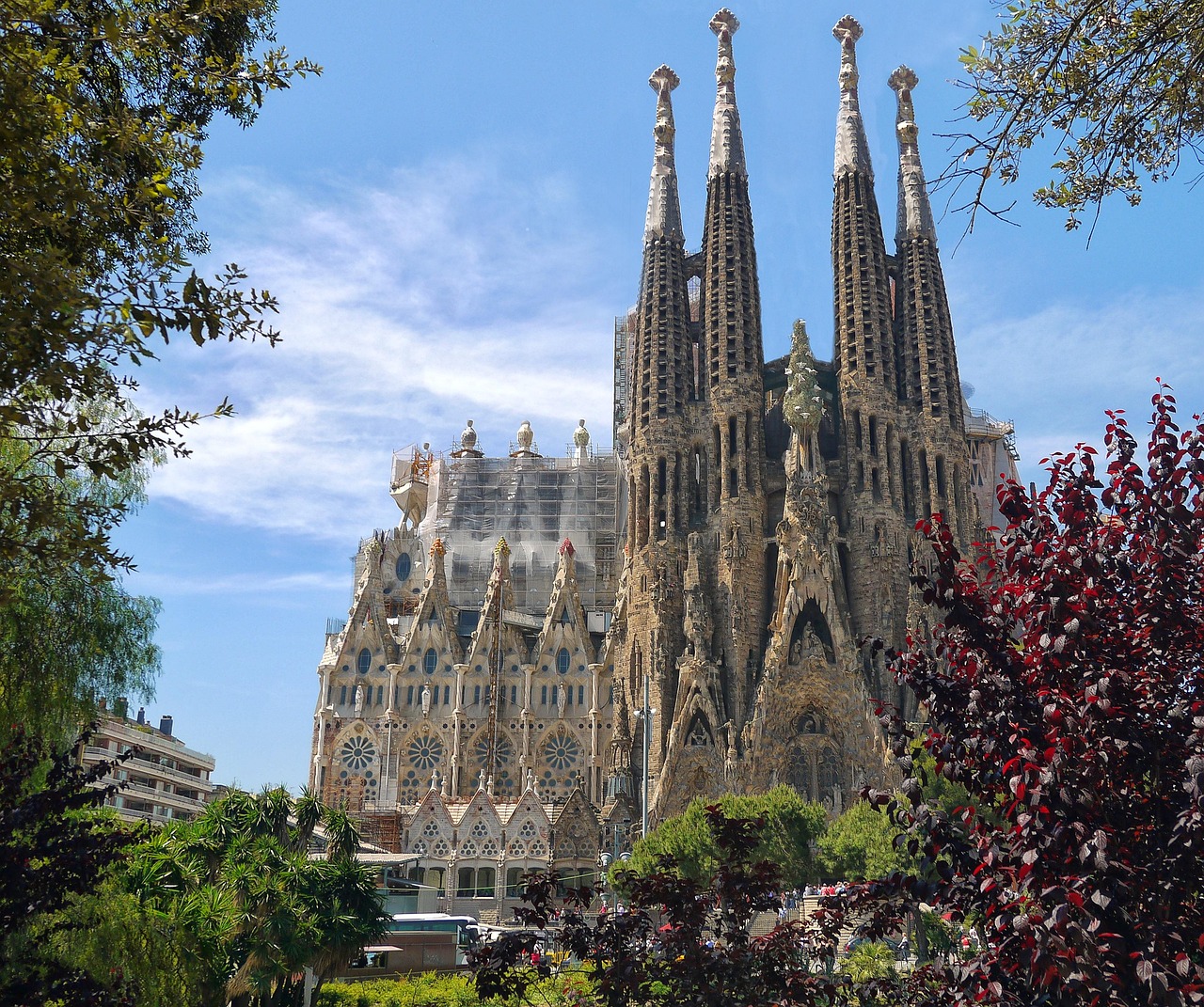
The travel industry is trying to sell you "experiences." They want you to book a guided tour of the Sagrada Familia for €80. They want you to take a "flamenco show" dinner that costs €100.
I am telling you to reject that.
The real Spain is found in a freezing Plaza Mayor in January, buying roasted chestnuts from a vendor. It is found in the moment you realize you are the only foreigner in a crowded bar in Bilbao, and the bartender hands you a slice of tortilla just because he made too much. It is found in the echo of your footsteps in the Alhambra when the only other person is a guard nodding hello.
2026 is the year to travel slowly. To spend less money but gain more value. To see the country not as a backdrop for your holiday, but as a home that invites you in because the summer crowds have finally left.
Spain is waiting. It’s a little cold, a little wet, and more beautiful than you can possibly imagine. Don't bring your swimsuit. Bring your curiosity.