Solo Female Travel Spain 2026: Your Blueprint for Empowerment and Safety
There is a specific flavor of freedom that only solo travel can offer. It’s the kind that settles deep in your bones, a quiet hum of autonomy that drowns out the noise of the everyday world. For me, that feeling crystallized on a sun-drenched plaza in Seville, a glass of tinto de verano sweating in my hand, watching the world go by with no one to answer to but my own curiosity. But let’s be honest: planning a solo trip, especially as a woman, brings a different set of emotions to the table. It’s a cocktail of giddy excitement mixed with a splash of nervous pragmatism. Spain, with its vibrant, chaotic energy and late-night rhythms, often sits right at the center of that tension. It’s magnetic, but it demands a certain savvy.
This guide isn’t about fear. It’s about empowerment. It’s the difference between shrinking into the background and striding through a bustling plaza with the confidence of a local. As we look toward 2026, the landscape of travel continues to evolve, and so do the tactics of those who wish to take advantage. This is the real-world, street-level intelligence you need to not just survive, but thrive, in one of Europe’s most exhilarating countries.
The Pre-Trip Fortress: Building Your Safety Net Before You Land
The most important safety measures are taken long before you ever set foot on the plane. It’s about building a fortress of digital and physical readiness so that when you do arrive, you can focus on the flamenco, not your firewall.
Digital Armor is Non-Negotiable
Your phone is your lifeline, your map, and your translator. Protect it like the crown jewels. First, download a reliable VPN. Public Wi-Fi in airports and cafes is a playground for data thieves. A good VPN scrambles your data, making it unreadable to anyone snooping on the network. Second, enable "Find My iPhone" or its Android equivalent and share your location with a trusted friend or family member back home. This isn't about paranoia; it's about having a digital breadcrumb trail.
For communication, WhatsApp is king in Spain. It’s what everyone from your hostel receptionist to your tapas tour guide will use. However, for a backup, consider downloading an app like Signal. More importantly, have a "panic button" plan. This could be a pre-arranged code word with your best friend. If you text them "Everything is blue," they know to call you immediately, giving you an excuse to extract yourself from an uncomfortable situation. It’s a modern-day safety whistle.
The Paper Trail
In an age of digital everything, don’t underestimate the power of a physical backup. Keep a printed copy of your passport, your accommodation details, and your emergency contacts separate from your actual passport and phone. A tiny folded paper tucked into an inner pocket of your luggage can be a lifesaver if your bag is stolen. Also, make digital copies and email them to yourself. Redundancy is your best friend.
Arrival and Navigation: Touching Down in Iberian Chaos
The first few hours in a new country are often when you’re at your most vulnerable. You’re tired, disoriented, and carrying all your valuables. This is the time for heightened, but not frantic, awareness.
The Airport and Train Station Gauntlet
Spanish airports, particularly Madrid-Barajas (MAD) and Barcelona-El Prat (BCN), are modern and efficient, but they are also prime hunting grounds for pickpockets. The golden rule: never, ever accept unsolicited help with your luggage, especially from someone who approaches you before you’ve even had a chance to look for an official airport employee. A common scam involves someone "helping" you with your bag at the security scanner or customs, only to demand an exorbitant fee or use the distraction to grab your wallet. If you need help, look for the uniform.
When booking transport from the airport, your safest bet is the official taxi rank. In Barcelona, all official taxis are black and yellow. In Madrid, they are white and red. They have a taximeter clearly visible. Apps like Free Now (formerly MyTaxi) are excellent as they use licensed taxis and provide a fixed price upfront, eliminating any confusion or "scenic routes."
For a more budget-friendly option, the Aeropuerto Express bus (Exprés Aeropuerto in Madrid, Aerobús in Barcelona) is incredibly safe, runs frequently, and drops you right in the city center. It’s a solo traveler’s best friend.
Public Transport Savvy
Spain’s metro systems are a marvel of efficiency, but they are also hotspots for opportunistic theft. The key is to minimize your exposure.
- The Bag Switch: This is an oldie but a goodie. You place your bag on your lap or between your feet on a crowded train. At a stop, someone creates a commotion, or "accidentally" bumps into you, and in that split second, their identical-looking, cheap bag is now where yours was. Yours, containing your passport and laptop, is now halfway out the door. Solution: Always have a bag with a locking zipper. Never put it on the floor or the seat next to you. If you have a backpack, wear it on your front in crowded spaces.
- The Map Distraction: Someone will approach you with a map, asking for directions. While you’re politely trying to help, their partner is lifting your wallet from your back pocket or unzipping your daypack. Solution: Be polite but brief. Don’t let yourself be engrossed. Keep moving and keep your hands on your valuables.
City by City: Your Safety Snapshot for 2026
Spain is not a monolith. The vibe in Barcelona is vastly different from the hushed elegance of Granada. Understanding these nuances is key.
Barcelona: The Beautiful, High-Stakes Game
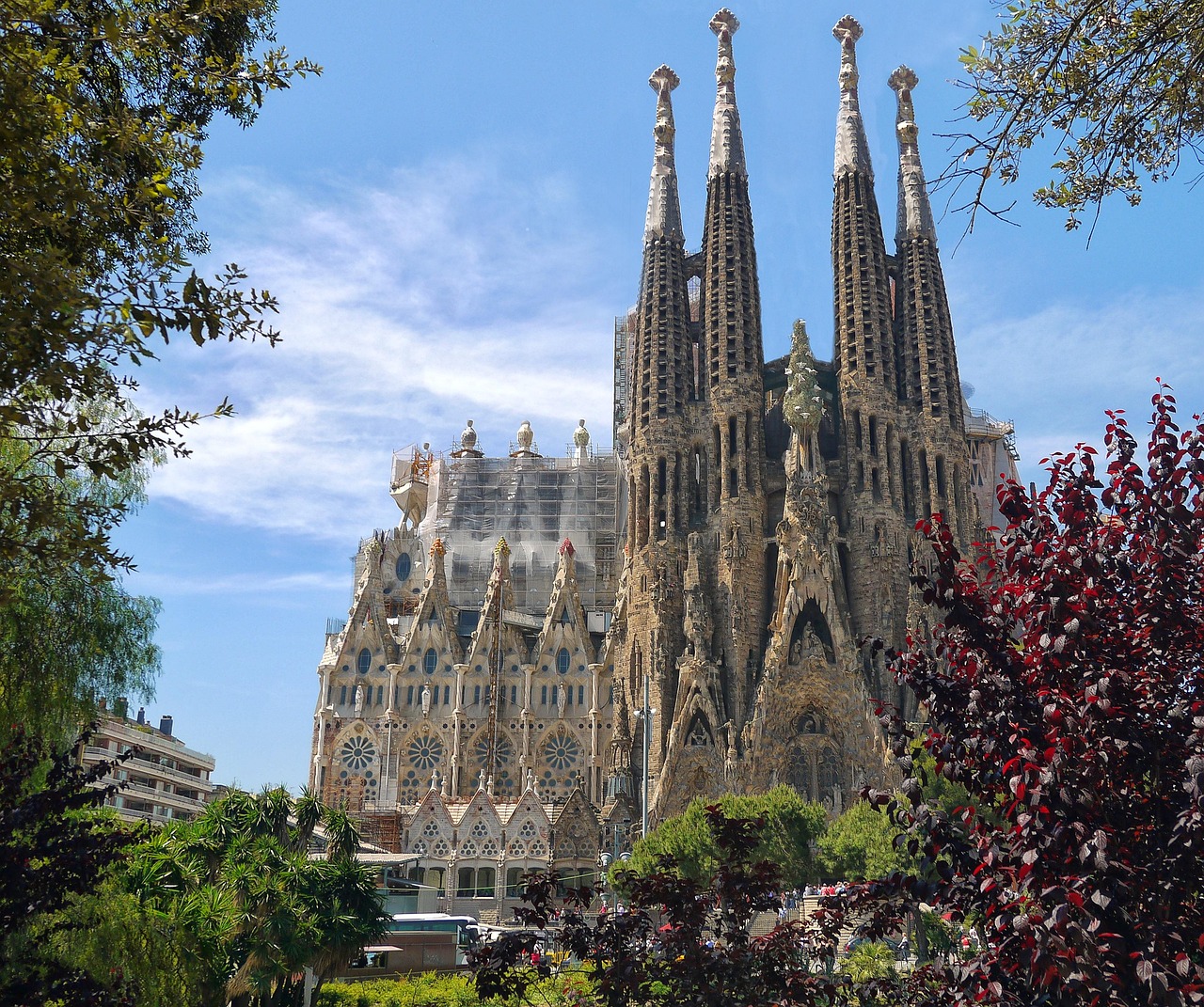
Barcelona is a masterpiece of architecture and energy, but it is also the undisputed champion of pickpocketing in Europe. The Las Ramblas boulevard is ground zero. It’s so prevalent that you can watch YouTube videos of professional pickpockets at work in real-time.
- Safe Areas: The Gràcia neighborhood, with its charming, winding streets and local feel, is a haven for solo travelers. Eixample, particularly the northern parts, is upscale, well-lit, and feels very secure. The Poble-Sec area, at the foot of Montjuïc, has a great local buzz and is generally safe, though it’s wise to stick to the main, well-populated streets at night.
- Hours: The city is a 24/7 beast, but your common sense should have a curfew. The streets around the Gothic Quarter and El Raval can get rowdy and a bit sketchy after 1 a.m. It’s not about danger, but about reducing your risk profile. Stick to well-lit, populated areas.
- Address: La Rambla, 08002 Barcelona, Spain.
- The "Bird Poop" Scam: Someone points out that you have bird poop (or some other substance) on your shoulder and generously offers to help clean it off. In the process, they lift your wallet or phone. Your Move: Do not let anyone touch you. Say "No, gracias" firmly and walk into the nearest shop or cafe to deal with it yourself.
- The "Rosemary" Women: A woman will approach you, often in the Gothic Quarter, and try to place a sprig of rosemary in your hand, claiming it’s for good luck. Once it’s in your hand, she’ll demand payment, sometimes aggressively. Your Move: Keep your hands to yourself. Don’t accept anything from anyone.
Madrid: The Regal, Relaxed Capital
Madrid feels safer than Barcelona. It’s a city of grand boulevards and world-class art, and while you still need to be vigilant, the energy is less frantic. The primary concerns are the same: pickpocketing in crowded areas and late-night scams.
- Safe Areas: Salamanca is the city’s most upscale neighborhood, incredibly safe with beautiful streets for evening strolls. Chamberí is a more local, residential area that feels very secure. Malasaña is bohemian and lively, generally safe, but as with any nightlife district, stay aware.
- Hours: Madrid lives its life later than almost anywhere else. Dinner starts at 9 p.m., and the streets are packed until 2 a.m. or later. This is normal, but it also means that being alone on a side street at 3 a.m. is a different proposition than it is at midnight.
- Address: Plaza Mayor, 28012 Madrid, Spain.
- The "Friendly" Bar Recommendation: A seemingly friendly local strikes up a conversation and recommends a "great, authentic" bar. You go, have a drink, and are presented with a bill for hundreds of euros. This is a scam targeting tourists, often involving drink spiking. Your Move: Only take recommendations from official tourist information offices, your hotel/hostel staff, or reputable guidebooks. If a random person on the street is being overly friendly, be wary.
Granada: The Alhambra and the Albayzín Labyrinth
Granada is a dream. The Albayzín, the old Moorish quarter, is a maze of impossibly steep, cobbled streets. It’s breathtaking, but its very nature makes it a potential safety concern.
- Safe Areas: The areas around the Cathedral and Plaza Nueva are well-lit and bustling. The lower parts of the Albayzín, closer to the city center, are generally fine. However, the higher, darker, and more labyrinthine you go, the more you need to be cautious.
- Hours: The Albayzín is magical at sunset, but once the sun goes down, the lighting is patchy. It’s easy to get lost. Plan to be out of the main labyrinth by 11 p.m. unless you are in a large group or stick to the main, well-lit thoroughfares.
- Address: Albayzín, 18010 Granada, Spain.
- The "Drug Dealers" in Sacromonte: On the edge of the Albayzín, in the Sacromonte area (famous for its cave houses and flamenco), you may be offered drugs. This is a classic setup. Engaging can lead to robbery, or you could be targeted by police. Your Move: A simple, loud "NO" and walking away is the best policy. Don’t engage, don’t negotiate, don’t even make eye contact for too long.
The Nighttime Tango: Dancing with Darkness on Your Own Terms
Spain comes alive at night. The prospect of dining alone or having a drink by yourself can feel daunting, but it is also one of the most liberating experiences you can have. The key is to own your space and make smart choices.
Dining Solo Like a Queen
The Spanish are social creatures, but they appreciate a good tapeo (hopping from bar to bar). This makes solo dining perfectly acceptable.
- Embrace the Bar: The best place to eat alone is at the bar. It’s social, you can chat with the bartender or other solo diners, and you’re surrounded by people. You’ll also get faster service.
- The "Mesa" Rule: If you sit at a table (mesa), especially in a busy restaurant, you might be charged a supplement for table service. At the bar, you pay for what you eat. It’s more authentic and budget-friendly.
- Trust Your Gut: If a place feels uncomfortable or the vibe is off, leave. There are thousands of other options. Your comfort is more important than finishing a mediocre meal.
The Cocktail Conundrum
Having a cocktail is a lovely way to unwind, but it requires extra vigilance when you’re alone.
- Never Leave Your Drink Unattended: This is Travel 101, but it’s worth repeating. If you need to go to the restroom, finish your drink or take it with you. In a pinch, ask a fellow female diner or the bartender to watch it.
- Watch the Pour: Drink spiking is a reality, though less common in Spain than in some other destinations. Be aware of your drink being made. If someone offers to buy you a drink, accept it only if you see the bartender pour it and hand it directly to you.
- The "Liberator" App: A great tool for 2026 is an app called "Liberator." It’s a safety app designed for solo travelers, with features like a fake call function to get you out of awkward situations and an SOS button that shares your live location with pre-selected emergency contacts.
Accommodation: Your Sanctuary in the City
Where you sleep matters. The right accommodation can be a hub of social connection and security, while the wrong one can leave you feeling isolated and vulnerable.
Choosing Your Base
- Women-Only Dorms: This is a game-changer. Many hostels in Spain now offer female-only dorms. They are cleaner, quieter, and offer an immediate sense of security and camaraderie. You’re more likely to meet other female solo travelers, creating a built-in network.
- Reputable Hostels: Look for hostels with 24-hour reception, lockers (bring your own padlock!), and good reviews specifically mentioning safety and cleanliness. Websites like Hostelworld are great for this.
- Private Rooms: If a dorm isn’t your style, a private room in a well-rated hostel or a small, family-run guesthouse (pensión) can be a great middle ground. You get privacy without total isolation.
The Hostel Check-In Ritual
When you arrive, do a quick security sweep. Does your door lock properly? Is there a safe for your passport? Locate the fire exits. It takes five minutes and gives you immense peace of mind. Let the receptionist know you’re traveling solo; they often have great local tips and will keep an eye out for you.
The Inescapable Truth: Machismo and Street Harassment
We have to talk about it. While Spain is a progressive, modern country, a degree of machismo and street harassment (piropos) still exists. Catcalling is not uncommon, particularly in the south.
It’s crucial to understand the cultural context. It’s rarely a prelude to violence; it’s more often a crude, performative attempt at a compliment. But it can be jarring, disrespectful, and make you feel unsafe.
- The Strategy: The best strategy is the "stone wall." Do not engage. Do not make eye contact. Do not smile. Do not respond. Your face should be a blank, uninterested mask. Any reaction, positive or negative, is fuel for their fire. Keep walking with purpose. In the vast majority of cases, they will lose interest and move on.
- The "Papá" Trick: If someone is being persistent, a surprisingly effective trick is to look past them and wave enthusiastically, shouting "¡Papá!" or "¡Tío!" as if your father or uncle is just behind them. The sudden shift in context and the implication of male presence can be enough to make them back off.
- Know the Difference: There is a line between annoying harassment and threatening behavior. If you feel genuinely unsafe, if someone is following you, or if their language turns aggressive, do not hesitate to head into the nearest open business (a shop, a pharmacy, a hotel) and ask for help. Call out for help ("¡Ayuda!" or "¡No me toques!" - Don't touch me!).
Final Thoughts: The Gift of Savvy
Traveling solo as a woman in Spain in 2026 is not about being naive or being a warrior. It’s about being savvy. It’s about replacing fear with awareness. It’s about understanding that a country’s beauty and its challenges can coexist, and that you are fully capable of navigating both.
The scams are predictable, the risks are manageable, and the rewards are immeasurable. The freedom of ordering a caña and a plate of jamón exactly when you want it, of meandering through a museum for three hours without compromise, of sitting on a bench in a Plaza Mayor and simply watching life unfold—that is the prize.
Spain will get under your skin. The late-night laughter, the scent of orange blossoms, the rhythm of a distant guitar. Don’t let outdated fears or a few bad actors keep you from it. Go, be smart, be bold, and let the country work its magic on you. The soul of Spain is waiting, and it has a name: freedom.