Sacromonte Caves Granada: Visit, Views & History Guide
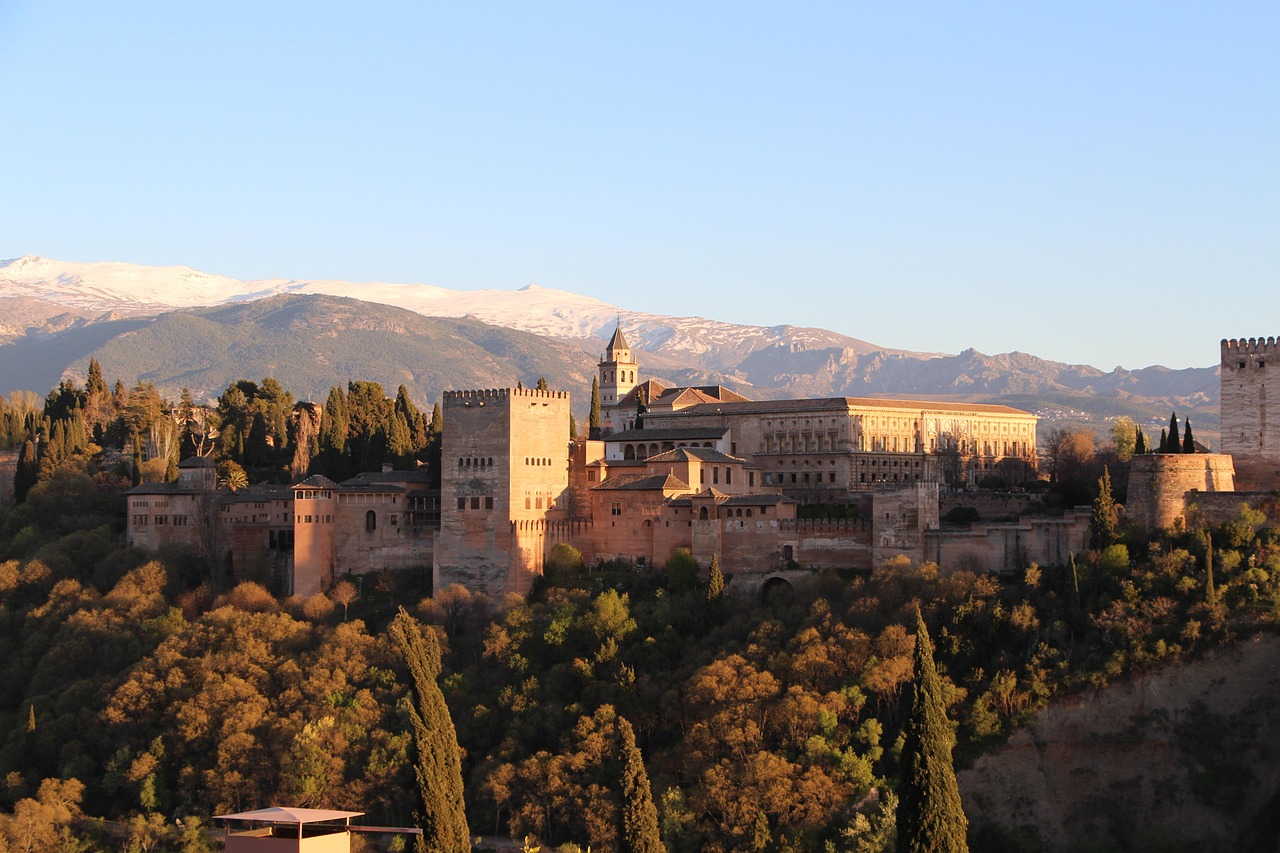
The first time I truly saw Sacromonte, I wasn't looking for it. I was standing in the shadow of the Alhambra, catching my breath after a long climb through the Generalife gardens, when the late afternoon sun dipped below the horizon. Across the valley, the hillside opposite the palace began to shimmer. It looked like a honeycomb carved into the earth, glowing gold and ochre in the dying light. Tiny lights flickered in windows carved into the rock, smoke curled from chimneys that seemed to have no beginning and no end, and the distant, rhythmic clatter of a guitar drifted across the air. It was mysterious, defiant, and utterly magnetic.
That was Sacromonte. Not just a neighborhood, but a living, breathing testament to a way of life that refuses to be erased by time or tourism.
If you are planning a trip to Granada in 2026, you have likely marked the Alhambra as your non-negotiable destination. And you should. But to limit your experience of this city to the fortified palaces alone is to read only the first chapter of a very thick, very complex novel. The real soul of Granada, its flamenco heart and its gypsy history, beats on that steep, sun-baked hill.
This guide is your invitation to climb that hill. To step inside the caves, to understand the history etched into the walls, and to find the spots where the views will steal the breath right out of your lungs.
The Morning Ascent: Finding the Way to the Top
Let’s start with the logistics, because a bad commute can sour even the sweetest adventure. Sacromonte sits roughly 1.5 kilometers from the city center, but in terms of elevation and vibe, it feels a world away. The journey there is part of the story.
The most honest way to reach Sacromonte is to walk. It builds character. From the Plaza Nueva, you head up the Cuesta de Chapiz. It’s a steep, winding street that follows the Darro River. On your left, you’ll see the steep, crumbling facades of the Albaicín, the old Arab quarter. On your right, the river rushes beneath plane trees. The air here is cool, smelling of damp stone and jasmine. As you climb, you’ll pass the old Arab baths (El Bañuelo), a quiet marvel of 11th-century architecture that is often overlooked.
Keep climbing. The path turns into the Cuesta del Chapiz, and then, you have a choice. You can continue straight up, winding through residential streets, or you can take the Cuesta de las Cabras—literally, the "Slope of the Goats." It’s a narrow, cobbled path that cuts directly up the hillside. It’s steep, uneven, and exactly the kind of alleyway where you expect to round a corner and find a wizard leaning against a doorframe.
If walking isn't your style, you can take a taxi. They are plentiful and will drop you right at the entrance to the Sacromonte Caves Museum or the Mirador de Sacromonte. It’s a quick, 5-minute ride from Plaza Nueva, costing roughly €6-€8.
For those who want to see the city without the exertion, the bus is your best friend. The C3 and C4 lines run from the city center (near Plaza Isabel Católica) up to Sacromonte. The C3, in particular, is a favorite because it’s a small, minibus that navigates the narrow streets with surprising agility. It’s cheap (around €1.40) and offers a roller-coaster ride of views. Just be warned: the bus stops are often just signs on a wall, and the bus drivers drive like they are late for a very important date. Hold on tight.
The Museum of the Caves: A Window into the Past
Before you get lost in the winding labyrinth of the neighborhood, your first stop should be the Centro de Interpretación del Sacromonte (The Sacromonte Caves Museum). This is the controlled entry point, the place where the history is contextualized. And history, in Sacromonte, is everything.
The museum isn't a sterile building; it is a complex of reconstructed caves that show how the gitanos (Romani people) lived from the 19th century through the mid-20th century. You step through a heavy wooden door and suddenly you are transported. The caves are dug into the slope, cool and dim. You walk through the "kitchen," with its rustic hearth and clay pots. You see the "bedroom," where whole families slept on simple pallets. You see the forge where blacksmiths hammered iron, the looms where women wove, and the musical instruments that have defined the sound of this place for generations.
What strikes you is the ingenuity. These weren't just holes in the ground; they were homes. They were insulated against the fierce heat of the Granada summer and the biting cold of the winter. They were decorated with whatever could be found or made. The museum does a beautiful job of avoiding the "poverty tourism" trap. Instead, it highlights the resilience, the craftsmanship, and the intense community bonds that allowed Sacromonte to survive.
Visitor Information for the Museum
- Address: Barranco de los Negros, s/n, 18010 Granada, Spain.
- Hours: Generally, it is open Tuesday to Saturday from 10:00 AM to 6:00 PM, and Sundays from 10:00 AM to 3:00 PM. It is closed on Mondays. However, hours can shift slightly depending on the season or local holidays, so always check the official Granada tourism website or call ahead (+34 958 215 373) before you walk up the hill.
- Entry Fee: It is very affordable, usually around €5 for adults, with discounts for students and seniors. It is worth every cent for the context it provides.
- The Experience: Take your time here. Read the plaques. Look at the faces in the old black-and-white photos. Notice the details—the religious icons next to the guitar strings. It takes about 45 to 60 minutes to see properly.
The Views: Painting with Light
Once your eyes have adjusted to the dim interiors of the caves, you need to step back out into the blinding Andalusian sun. Sacromonte is, arguably, the best vantage point in Granada for one specific reason: it faces the Alhambra.
Most tourists spend their day inside the Alhambra, looking at the intricate tilework. But from Sacromonte, you get to see the Alhambra as a fortress, a palace suspended in the sky. You see the massive red walls, the Torre de la Vela, and the Generalife gardens spread out like a map.
The best spot for this is the Mirador de Sacromonte. This is a terrace built specifically for viewing, and it is magnificent. But don't just stop there. Walk the paths that snake along the ridge. Find a quiet spot near the Abbey of Sacromonte (we’ll get to that) or down toward the Vereda de Enmedio.
Sunset Tips
If you are visiting in the summer (June to August), sunset is late—often 9:30 PM or later. The "golden hour" starts around 8:00 PM. By 9:00 PM, the sky turns a bruised purple, and the Alhambra is illuminated. It is a photographer's dream. Bring a tripod. The light changes fast. You want to capture the contrast between the wild, rugged hillside of Sacromonte and the perfect, manicured geometry of the palace across the valley.
The History: Blood, Faith, and Song
You cannot understand the caves without understanding the dual identity of Sacromonte. It is known globally as the birthplace of Flamenco, specifically the Zambra Gitana. But it is also a holy site.
In the 16th century, according to legend, the remains of Saint Caecilius (San Cecilio) were discovered here in a cave, along with the skulls of his followers. This turned the hill into a place of pilgrimage. The Abadía del Sacromonte (Abbey) sits at the very top of the hill. It’s a stunning baroque complex built over the original catacombs. You can visit the Abbey and the catacombs, descending into the dark, subterranean tunnels where the saints were supposedly entombed.
The juxtaposition is jarring and beautiful. You have the sacred Catholic history of martyrs and bishops living literally on top of the secular history of the gitanos, who were often marginalized and persecuted. Yet, they coexisted. The guitar was played in the caves below, while the organ sounded from the Abbey above.
To walk Sacromonte is to walk through this history. You’ll see the "Cueva de la Rocío," a cave turned into a shrine, filled with flowers and photographs. You’ll see the "Cueva del Agua," where a natural spring still flows. Every cave has a story.
The Flamenco: Fire in the Cave
You can’t write a guide to Sacromonte without talking about the shows. There are several venues, known as cuevas flamencas, where you can see authentic Zambra.
The Zambra is not the polished flamenco you see in a theater. It is raw, percussive, and deeply intimate. It evolved from the music played at weddings. The dancers wear long, trailing skirts (not the frilled costumes of the tablao) and dance with a stomping ferocity that shakes the dust from the cave ceiling. The singers wail with a sorrow that feels ancient.
The most famous venues include Cueva de la Rocío and Cueva de la Maria la Canastera. These are family-run businesses. The "stage" is often just a cleared space in the center of the room, and the audience sits on wooden benches or chairs packed tight.
Booking and Logistics
- Tickets: You can book online through their websites or platforms like GetYourGuide. In the high season (May to September), book at least a few days in advance. In the off-season, you can often walk in.
- Timing: Shows usually happen at night, typically two seatings around 8:00 PM and 10:00 PM.
- The Vibe: It is atmospheric. It is often hot. You are sitting in a cave. The acoustics are incredible, but the air can be heavy. Don't expect a lot of legroom. Do expect to be moved.
Specific Venue Recommendation: Cueva de la Rocío
- Address: Vereda de Enmedio, 51, 18010 Granada.
- Hours: Shows generally start at 8:00 PM and 10:00 PM. The box office opens about an hour before.
- Why go: Rocío is legendary. The family has been doing this for generations. The grandmother, Rocío, still often sings. Her daughter dances. It feels like a family gathering that you’ve been invited to. The passion is palpable. It’s not a performance; it’s a possession.
The Best Time to Visit (Seasons and Sanity)
Granada in 2026 will be busy. The "bucket list" travel trend hasn't slowed down. However, Sacromonte offers a rhythm that breaks the city's frantic pace.
- Spring (March-May): This is the sweet spot. The hillside is covered in wildflowers. The air is crisp but not cold. The light is soft. It’s the best time for photography and walking. The temperature in the caves is pleasant.
- Summer (June-August): It is hot. Very hot. The white walls of the Alhambra reflect the sun, and Sacromonte absorbs it. If you visit then, go early in the morning (9:00 AM - 11:00 AM) or wait until the evening (8:00 PM onwards). The caves actually provide a natural cooling effect, so the museum and the flamenco shows are still great escapes from the heat. But walking up the Cuesta de las Cabras at 2:00 PM is a test of endurance.
- Autumn (September-November): The crowds thin out. The light turns golden and heavy. It’s harvest time for the grapes, and the vibe is relaxed. This is the time for long, lingering afternoons at the mirador.
- Winter (December-February): Granada gets cold, and Sacromonte, being high up, gets a biting wind. It’s stark and beautiful. You’ll have the place almost to yourself. The caves are surprisingly warm in winter (they hold the heat from wood stoves). If you don't mind bundling up, this is a very atmospheric time to visit.
Photography Spots: The Shot List
For the shutterbugs, Sacromonte is a goldmine. Here is your itinerary:
- The Cave Windows: The most iconic shot. Find the public pathways that run along the lower slope. Look for cave dwellings that have small, square windows cut into the rock. Through them, you can frame the Alhambra perfectly. The contrast of the rough, textured rock and the distant, ornate palace is stunning.
- The White Walls of the Abbey: The Abbey of Sacromonte is painted a blinding white. Against the blue sky and the rugged brown hill, it is stark and graphic. Use a wide-angle lens here.
- The Flamenco Dancer: If you go to a show, ask permission before shooting. Many allow non-flash photography. Capture the motion—the blur of the skirt, the intense expression of the singer. It’s about capturing energy, not just a pose.
- The "Barranco de los Negros": This is the ravine where the museum is located. The light in the late afternoon filters down into the ravine, creating dramatic shadows. It’s a moody, cinematic spot.
- The Street Cats: Sacromonte has a population of stray cats that are well-loved and fed by the residents. They lounge on warm walls and pose against the rustic backgrounds. It adds a touch of life and whimsy to your shots.
A Local's Secret: The Vereda de Enmedio
Most tourists stick to the main terrace and the museum. But if you walk down the Vereda de Enmedio, you are walking the spine of Sacromonte. This path is lined with caves on one side and drop-offs on the other. It feels precarious and wild.
Walk all the way down until the path levels out. Here, you’ll find a quieter, more residential feel. You’ll hear the clatter of pots and pans from open cave doors. You’ll smell woodsmoke and frying garlic. You might hear a guitarist practicing scales. This is where the "show" ends and reality begins. It’s respectful to walk quietly here—remember, these are people's homes. But the atmosphere is worth experiencing. It gives you a sense of the verticality of the neighborhood, how it clings to the hillside like a swallow's nest.
The Abbey: Reaching the Summit
You cannot leave without climbing to the very top. The Abbey dominates the skyline. The entrance is through a grand gate. Inside, the courtyard is peaceful, filled with orange trees.
The highlight, however, is the Catacombs. You descend a spiral staircase into the earth. It is cool and smells of damp limestone. You walk through the Chapel of the Martyrs and see the "Skull of San Cecilio." It is a deeply religious experience for some, and a fascinating historical curiosity for others. The guides here are usually volunteers from the parish and are incredibly knowledgeable. They can tell you about the excavations and the legends.
Hours for the Abbey
- Generally open daily from 10:00 AM to 6:00 PM (shorter hours in winter).
- Entry fee is nominal (around €5).
- There is a small cafe in the courtyard that serves decent coffee and tostadas (toast with tomato and oil). It’s a great spot to rest your legs after the climb.
Practicalities: What to Bring and Know
- Footwear: Leave the heels at the hotel. Wear sturdy walking shoes. The pavements are uneven, cobbled, or dirt tracks. You need grip and ankle support.
- Water: There are few places to buy water once you leave the main strip near the museum. Bring a bottle.
- Sun Protection: Even in winter, the sun at noon is strong. Sunglasses and a hat are essential.
- Cash: While most places take cards, some of the smaller cave venues or the Abbey gift shop might prefer cash. Have a few euros on hand.
- Respect: This is not a theme park. Do not wander into private caves. Do not take photos of residents without asking. Keep your voice down in residential areas.
Why Sacromonte Matters in 2026
As we move further into a world of curated, digital experiences, places like Sacromonte become more vital, not less. It is a place that resists total commodification. While the flamenco shows are tourist-oriented, the neighborhood itself remains a functioning community. It is a place where the past is not just preserved behind glass; it is lived in.
Visiting Sacromonte is a way to challenge your own expectations of Granada. It asks you to slow down, to sweat a little, to navigate a maze of alleys that have no names. It asks you to sit in a dark, cool cave and listen to a song that has no words, only feelings.
When you finally head back down the hill, past the Albaicín and across the river, the city lights will be twinkling. You’ll be tired. Your calves will ache. But you will have seen the Alhambra not as a monument, but as a neighbor. You will have heard the guitar not as a soundtrack, but as a heartbeat. And you will understand that in Granada, the most precious things are rarely found on the flat ground. They are found on the slopes, in the caves, and in the shadows of the hill.
So, go. Climb the Cuesta de las Cabras. Buy the ticket to the cave museum. Stay for the sunset. Let the history sink into your bones. Sacromonte isn't just a visit; it's a haunting.