Mirador San Nicolás Granada Tips: Best Views & Timing
There are moments in travel that transcend the glossy pages of guidebooks and the curated feeds of Instagram. They are not just sights; they are feelings. They are the sudden, sharp intake of breath when your eyes finally comprehend the scale of what lies before you. For me, one of those moments happened in Granada, in a square of chipped tiles and murmuring voices, looking up at the Alhambra as the sun began its slow, dramatic descent.
The Mirador San Nicolás is more than a viewpoint; it is the soul of Granada’s Albayzín district made visible. It is the place where the Catholic Monarchs supposedly wept at the sight of the city’s beauty, a place where the ghosts of poets and the echoes of flamenco guitarists linger in the air. But to simply show up and stare is to miss the nuance, the rhythm, and the magic of the place. It requires a strategy, a bit of patience, and an understanding of how to navigate the human tides that wash over this iconic spot.
This is not just a guide. This is a conversation between a traveler who has stood on those stones at dawn, at high noon, and under the velvet cloak of night, and someone who is about to embark on that same journey. Let’s walk through it together.
The Prelude: Understanding the Albayzín Stage
Before we even discuss the "best time," you must understand the setting. The Mirador San Nicolás sits at the edge of the Albayzín, the old Moorish quarter. It’s a labyrinth of narrow, winding streets, whitewashed houses, and hidden courtyards. Getting to the mirador is part of the experience. You don’t just pull up in a car; you earn it.
The journey itself is a sensory overload. You’ll smell the sweet, sticky scent of Arab tea shops mingling with the aroma of frying churros. You’ll hear the distant call to prayer from the Alhambra’s watchtowers, a sound that seems to hang in the air like incense. You’ll feel the uneven cobblestones beneath your feet, a reminder that you are walking on centuries of history.
The mirador itself is a wide, open terrace, bordered by a wall that separates you from a sheer drop. Behind you is the church of San Nicolás, a sturdy, unassuming building that belies the cinematic drama unfolding in front of it. It is a stage, and the Alhambra is the lead actor.
The Golden Question: When is the Best Time?
This is the query that plagues every traveler. The answer isn’t a simple timestamp; it’s a matter of personality and priorities.
The Sunrise Seeker (The Purist)
If you crave solitude and a light that photographers call “the blue hour,” set your alarm. Arriving at the mirador an hour before sunrise is a spiritual experience. The air is crisp, often biting in the winter months. The city below is silent, a sea of twinkling lights. You’ll likely share the space with just a few dedicated photographers and perhaps a stray cat.
- The View: The Alhambra emerges from the shadows, a silhouette first, then slowly colored by the pinks and oranges of the rising sun. It is breathtaking and private.
- The Reality Check: You have to climb the Albayzín in the dark. The streets can be steep and disorienting. Wear good shoes and bring a flashlight. The gates to the upper Albayzín may have specific opening times in winter, so check ahead. But for me? It’s worth every ounce of effort. There is no better way to start a day in Granada.
The Midday Explorer (The Detail-Hunter)
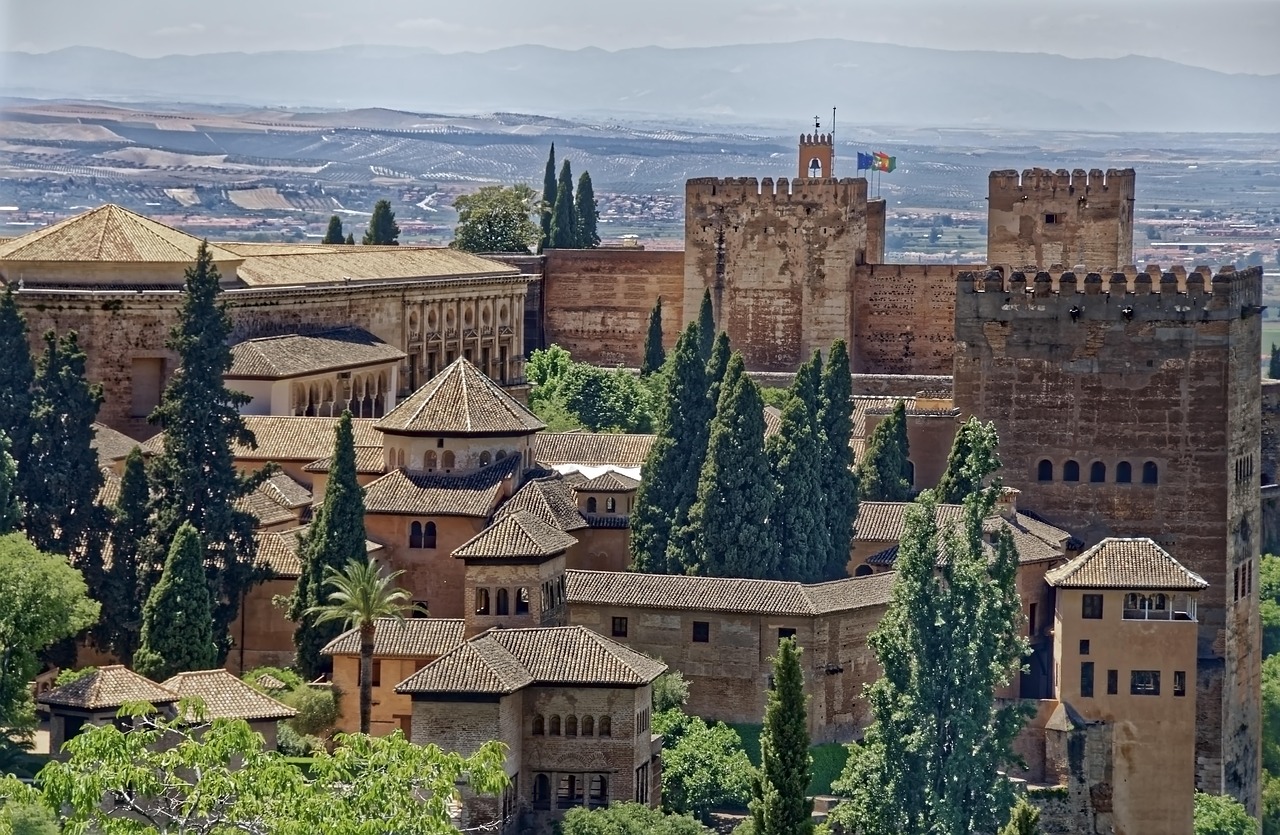
Visit between 10:00 AM and 2:00 PM. This is the time for clarity. The sun is high, the light is bright, and the details of the Nasrid Palaces and the Generalife gardens are sharp.
- The View: You can see the intricate tilework, the texture of the brick, the precise geometry of the architecture. It’s the best time for sketching or for those who want to truly study the monument.
- The Reality Check: This is peak tour bus time. The square will be crowded. You will be jostling for a spot against the wall. The magic of the place can feel a bit diluted by the sheer volume of people. My advice? Use this time to explore the surrounding streets, grab a coffee at a nearby cafe, and circle back. Or, if you’re here in the summer, be prepared for the heat. Bring water.
The Sunset Worshipper (The Romantic)
This is the default answer, the one on every brochure. And for good reason. From about an hour before sunset until the sky is fully dark, the Alhambra glows. The reddish stone of the fortress seems to catch fire.
- The View: The most iconic, romantic view you can imagine. The sky turns a bruised purple, the lights of the Alhambra flicker on, and a collective sigh often ripples through the crowd. It is a performance.
- The Reality Check: You are not alone. To get a decent spot against the wall, you need to arrive at least 90 minutes before sunset, especially in the spring or autumn. And I mean arrive. Find your spot and hold it. Bring a small bottle of wine or some snacks. It becomes a waiting game, a little picnic in the sky. If you hate crowds, this is not your moment. But if you feed off that collective energy, that shared anticipation, you will love it.
This is my personal favorite. Stay past the sunset crowd. About 20-30 minutes after the sun has dipped below the horizon, the tour groups disperse. The sky deepens to a velvety indigo. The Alhambra is now illuminated, a golden fortress floating in the darkness. The contrast is stunning. The walk back down can be tricky, but the sense of peace is unparalleled. You’ll often be joined by locals or a lone guitarist. This is when the mirador feels most like Granada.
Beyond the Square: A Deeper Dive into the Locations
The Main Terrace (Plaza de San Nicolás)
This is the heart of the action. The broad, paved area directly in front of the church.
Quick Info:
- Address: Plaza de San Nicolás, 18010 Granada, Spain.
- Hours: Open 24 hours. It is a public square.
- The Vibe: Energetic, social, and often loud. The ground is flat and paved, making it the most accessible area for wheelchairs or those with mobility issues, though it can still be crowded. The best views are from the low wall that borders the drop-off. Be mindful of your belongings here.
The Lower Terrace (The "Balcony")
Just below the main square, down a small flight of stairs, is a secondary, smaller terrace. Many people miss this.
Quick Info:
- Address: Accessible via the steps on the side of the church.
- Hours: Open 24 hours, but lighting is poor at night.
- The Vibe: Quieter, more intimate. It feels like you’re floating above the city. The view is slightly different, offering a more unobstructed look at the lower parts of the Alhambra and the Darro River valley. It’s a fantastic spot for a quiet moment or a photo without a hundred heads in the frame. Be careful with children here, as the drop is significant.
The Rooftop of the Parador de Granada
This is the ultimate pro-tip. The Parador de Granada is a luxury hotel located inside the Alhambra complex, right next to the convent. Its rooftop terrace offers a view of the Albayzín that is the reverse of what you see at San Nicolás.
Quick Info:
- Address: Calle Real de la Alhambra, s/n, 18009 Granada, Spain.
- Hours: The terrace is generally open to hotel guests. Sometimes, for non-guests, it is accessible if you book a table at their restaurant, Comedor de los Frailes, or their bar. You must check their current policy.
- The Vibe: Elegant, serene, and exclusive. Sipping a cocktail while looking down on the church of San Nicolás and the sprawling Albayzín is a perspective shift that is worth every effort to arrange. It’s the view the Moorish kings had.
The Secret Aljibe del Rey (The Water Cistern)
Not a viewpoint, but a piece of the puzzle. Located in the Albayzín, this 11th-century water cistern is where the Alhambra gets its name (“the Red One”).
Quick Info:
- Address: Callejón de los Aljibes, 18010 Granada, Spain.
- Hours: Typically Tuesday to Saturday, 10:00 AM - 5:00 PM. Closed Sundays and Mondays. Check the official website for current times.
- The Vibe: Cool, dark, and mysterious. The sound of dripping water echoes in the vast, vaulted chamber. It’s a reminder of the incredible engineering of the Zirid dynasty. Visiting this gives you a deeper appreciation for the fortress you see from the mirador.
The Practicalities: How to Actually Get There and Survive
Getting to the Albayzín is an adventure, but you have options.
By Foot
The classic way. From Plaza Nueva, you head up Calle Calderería Nueva. It’s a steep, winding climb that will take 20-30 minutes. It’s like walking through a Moroccan souk, with tea shops and hookah bars lining the street. Wear comfortable shoes. This is non-negotiable.
By Bus
The city bus is a lifesaver. Line C34 (Alhambra-Granada) and Line C35 (Alhambra-Granada) both have stops near the mirador. The bus ride itself is an experience, as the drivers navigate the impossibly narrow streets with terrifying confidence. You can buy tickets on the bus. This is the best option for those with mobility issues or who are tired from a day of sightseeing.
By Taxi
Taxis can get you close, but not all the way to the top. The streets are too narrow. You can get dropped off at the bottom of the Albayzín and walk the rest. It’s a good compromise.
Parking: The Nightmare
Do not even think about driving a car into the heart of the Albayzín. You will get stuck, you will get lost, and you will anger the locals. If you have a car, park it at one of the designated lots at the bottom of the hill, such as the Parking Plaza Nueva or the Parking Alhambra (near the palace entrance) and walk or take a bus/taxi up.
What to Bring with You:
- Layers, Layers, Layers: Granada has a continental climate. Even on a hot summer day, the temperature can plummet after sunset. A fleece or a light jacket is essential, even in July.
- Water: The air is dry. Hydrate constantly.
- Camera, but also... Your Eyes: Don’t spend the entire time looking through a screen. Put the camera down. Breathe. Soak it in.
- Small Change: For the public toilets (often located near the main terrace), or to buy a churro from a wandering vendor.
- Patience: You are going to wait. You are going to jostle. Accept it as part of the ritual.
A Note on Accessibility
The Mirador San Nicolás presents challenges. The main terrace is flat and paved, but getting there involves steep, uneven streets. The Albayzín is not a wheelchair-friendly environment by default. However, the city has made some efforts. The bus is your best friend. The lower terrace is accessible via a ramp, but the main terrace requires stairs. It’s a difficult visit for those with significant mobility constraints, but with planning (bus to the top, taxi drop-off), it is possible.
The Soul of the Place: Flamenco and the Alhambra at Night
Sometimes, the best view isn’t just what you see, but what you hear. On certain nights, particularly in the warmer months, you might hear the haunting strains of a guitar drifting up from the Sacromonte caves opposite the Alhambra. Or you might hear a singer’s voice, raw and full of duende (a spirit of emotion).
There are also the cuevas del Sacromonte, where you can see a flamenco show in a cave. While not at the mirador itself, the experience is intrinsically linked. Imagine watching the show, feeling the raw power of the dance, and then stepping outside to see the Alhambra glowing on the opposite hill. It’s a reminder that this is a land of passion, of art born from struggle and beauty.
Seasonal Wisdom: Winter vs. Summer
- Summer: The sun is brutal. The mirador is a furnace during the day. The sunsets are late (around 9:30 PM), which is great for dinner plans, but the crowds are at their peak. Bring a hat, sunscreen, and water. The air is thick with the scent of jasmine.
- Winter: The light is sharp and clear, the air is cold and bracing. The crowds are minimal, making it a peaceful experience. The sunsets are early (around 6:00 PM), perfect for a post-viewing dinner of tapas. You’ll need a warm coat, gloves, and maybe a scarf. Seeing the Alhambra dusted with snow from the mirador is a rare and magical sight.
Conclusion: It’s More Than a Photo
The Mirador San Nicolás is a rite of passage for anyone visiting Granada. It’s the postcard view, the bucket-list item. But I urge you to see it as more than that.
It is a place of perspective. From there, you can see the two great civilizations that shaped Spain—the Moorish world in the Alhambra, and the Christian world in the Granada Cathedral, barely visible in the distance. You see the old and the new, the intricate and the grand.
It is a place of time. You can feel the centuries pressing in. You can imagine the last Moorish king, Boabdil, turning his back on this view, weeping as he lost paradise.
And it is a place of people. The couples holding hands, the artists sketching, the tour guides spinning their tales, the locals rolling their eyes at the crowds but still coming to check the weather.
So go. Choose your time. Make the climb. Endure the crowd or embrace the solitude. Find your spot. And when you look up at that fortress, glowing in the twilight, know that you are participating in a ritual as old as the city itself. You are seeing Granada not just with your eyes, but with your heart. And that is a view that never fades.