There is a specific smell to the future. It isn’t metallic or sterile like sci-fi movies would have you believe. If you’re standing on a cobblestone street in Spain in 2026, the future smells like ozone after a thunderstorm, toasted bread rubbed with garlic, and the faint, lingering scent of orange blossoms carried on a warm breeze.
We all know about the Barcelona tapas crawls and the flamenco clatter of Seville. We love them, we do. But the travel landscape is shifting. We are tired of fighting for a selfie spot on a bridge crowded with a thousand other people holding the exact same paella pan.
The traveler of 2026 is different. We are seeking silence. We are craving the shock of cold mountain water on our ankles and the disorientation of a dialect we can’t quite place. We want the Spain that exists after the tour buses have parked for the night. We want the Spain that feels like a secret kept just for us.
I have spent the last decade chasing the quiet corners of this country, the places where the Wi-Fi is spotty but the eye contact is deep. As we look toward 2026, I want to take you by the hand and lead you away from the crushing weight of the "must-sees." I want to show you the Spain that requires a map, a sense of humor, and an empty stomach. This is your itinerary for the year you finally stop being a tourist and start being a traveler. Welcome to the hidden Spain.
The Green Kingdom: Asturias and the Picos de Europa
If you picture Spain, you likely picture dust and heat. You are wrong. Up north, in the autonomous community of Asturias, Spain is a lush, brooding kingdom of emerald green. This is the land of the sidrerías, where the cider isn't sipped—it is poured from a great height into a glass held dangerously low, a ritual of aerating the drink that is part engineering, part performance art.
In 2026, the high-speed train lines are extending further, making places like Oviedo and Gijón more accessible than ever. But the real magic lies an hour or so deeper, into the limestone spires of the Picos de Europa. It is a landscape that feels prehistoric, where wolves still roam and the cows wear bells that sound like a church choir lost in the mist.
I remember my first time in the village of Cangas de Onís. I was jet-lagged and delirious, wandering through the morning fog. I stumbled into a bar that smelled of wet wool and frying blood sausage (morcilla). The bartender, a man with a mustache that could have doubled as a broom, looked at my confused face, slid a plate of fabada (a rich bean stew) toward me, and said nothing. We ate in silence. That silence was more welcoming than any "Hola!" I’ve ever heard.
Where to Eat: La Taberna del Zurdo
You cannot visit Asturias without eating cider and cheese, and you do it here. La Taberna del Zurdo is a chaotic, loud, beautiful mess of a place in the heart of Oviedo. It is not a restaurant; it is a collision of locals, farmers, and the occasional bewildered traveler. The floor is perpetually sticky with spilled cider, a badge of honor. The cheese board here is a geological survey of the region—sharp, creamy, nutty varieties you will never find in a supermarket. The pinchos morunos (spiced pork skewers) are grilled over charcoal until they have a char that tastes like campfire smoke.
Address: Calle Gascona, 2, 33001 Oviedo, Asturias, Spain
Hours: Open daily from 11:00 AM to 11:30 PM (kitchen usually closes around 10:00 PM). It gets packed on weekends, so arrive early or prepare to elbow your way to the bar.
Why it’s a gem: It is the definition of sidrería culture. No pretension, just high-quality local produce and the loud, joyous noise of people enjoying themselves.
Where to Stay: Casa Rural La Fresneda
Forget hotels. In Asturias, you stay in a casona, a traditional stone farmhouse. La Fresneda is located just outside the sleepy village of Arriondas, perched on the edge of the Sella River canyon. The building dates back to the 18th century, with massive stone walls that keep the summer heat out and the winter warmth in. The hosts, Javier and Maria, treat you less like guests and more like long-lost cousins who have arrived for a Sunday lunch that never seems to end.
Address: La Fresneda, 33540 Arriondas, Asturias, Spain
Hours: Check-in is strictly by appointment, usually between 3:00 PM and 8:00 PM. Breakfast is served from 8:30 AM to 10:30 AM.
Why it’s a gem: It offers an authentic immersion into rural Asturian life. You aren't just sleeping here; you are participating in a rhythm of life that has remained unchanged for centuries.
The White Village Loop: The Sierra de Grazalema
The Pueblos Blancos (White Villages) of Andalusia are famous, but most tourists stick to Ronda. That is a mistake. In 2026, take the winding, terrifyingly narrow road toward the Sierra de Grazalema Natural Park. The air changes instantly—it becomes cool, smelling of pine and damp earth. This is one of the wettest places in Spain, which explains the startling greenery that carpets the ground even in high summer.
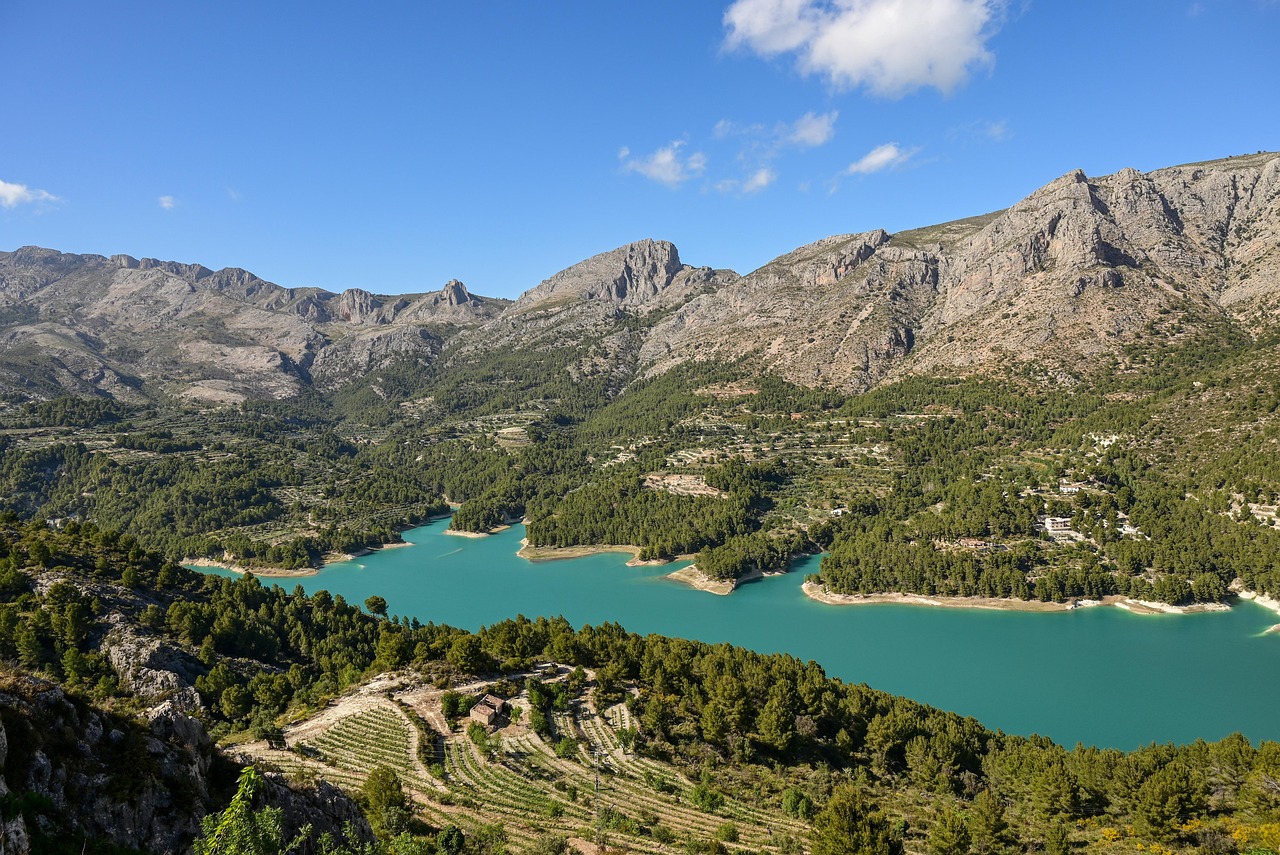
The village of Zahara de la Sierra clings to a cone-shaped hill like a barnacle to a ship. It is dominated by a Moorish castle at the top. Climbing it at noon in July is a form of madness; climbing it at 8:00 AM in May is a form of prayer. From the top, you look out over the reservoir below, a sheet of turquoise glass, and the neighboring village of Grazalema, which sits in a bowl surrounded by sheer limestone cliffs.
I once got lost in the streets of Arcos de la Frontera looking for a specific bakery. I ended up in a dead-end alleyway where an old woman was hanging laundry. She saw my map, laughed, and gestured for me to follow her through her own living room, out into a different street entirely. It was the most efficient shortcut I’ve ever taken.
Where to Eat: Mesón Los Estribos
Located in Grazalema, this place is a sanctuary for carnivores. The specialty here is ternera (veal) slow-cooked in a wood-fired oven that has probably been burning since the 1970s. The interior is rustic—wood beams, checkered tablecloths, and walls adorned with hunting trophies. The portions are comically large; do not order an appetizer unless you have the stomach of a wolf.
Address: Calle Corredera, 13, 11680 Grazalema, Cádiz, Spain
Hours: Open daily for lunch from 1:00 PM to 4:00 PM and dinner from 8:00 PM to 11:00 PM. Closed on Mondays off-season.
Why it’s a gem: It serves honest, fire-cooked food in a region that can sometimes lean too heavily into tourist traps. This is where the locals eat when they don't feel cooking.
Where to Stay: Hotel La Posada de la Judería
In the nearby town of Benaocaz, hidden within a labyrinth of whitewashed streets, is this jewel of a hotel. It is a restored 18th-century palace that feels like stepping into a cooling bath. The architecture is pure Andalusian—inner courtyards with fountains, intricate tile work (azulejos), and arched doorways. The roof terrace offers views of the Sierra that will make you want to write bad poetry.
Address: Calle San Juan, 10, 11612 Benaocaz, Cádiz, Spain
Hours: Reception is open from 9:00 AM to 9:00 PM. You can usually request a late check-in if you let them know in advance.
Why it’s a gem: It feels like staying in a private museum. The attention to detail in the restoration preserves the history while offering modern comfort.
The Lost World: The Alpujarras
South of Granada, on the southern slopes of the Sierra Nevada mountains, lies a region that looks like a slice of Tibet dropped into the Mediterranean. The Alpujarras is a collection of villages—Pampaneira, Bubión, Capileira—that stack up against the mountainside like Lego bricks. The roofs are flat and made of clay tiles, held up by wooden beams that jut out like eyelashes.
This is a place for hikers and those seeking the absolute limit of "off the beaten path." The culture here is distinct; it is a legacy of the Moriscos (Muslims who converted to Christianity) who fled here after the Reconquista. The rhythms are slow. The water is cold and delicious.
I recall sitting in a tiny café in Capileira, watching a storm roll in over the valley. The sky turned a bruised purple, and the wind howled through the narrow streets. The café owner simply lit a fire in a small wood stove, put a pot of chickpeas on top, and started shelling almonds. "Invierno," he shrugged. Winter. It wasn't a problem; it was just the weather.
Where to Eat: Restaurante El Escarabajo
In Pampaneira, you need to find this place. It is unassuming from the outside, but inside, it is a temple to the local cuisine. The Alpujarras is famous for migas (fried breadcrumbs), chorizo al vino, and habas con jamón (broad beans with ham). El Escarabajo does these simple dishes with an elegance that elevates them to art. Their plato alpujarreño is a heart attack on a plate—ham, chorizo, black pudding, sausage, and egg—but my god, it tastes like victory.
Address: Calle Real, 19, 18414 Pampaneira, Granada, Spain
Hours: Open daily from 1:00 PM to 4:00 PM and 7:30 PM to 10:00 PM. It is wise to book for dinner, as the kitchen is small.
Why it’s a gem: It captures the soul of the mountains on a plate. It is the perfect reward after a morning of hiking the Poqueira Gorge.
Where to Stay: Hotel San Antonio Real
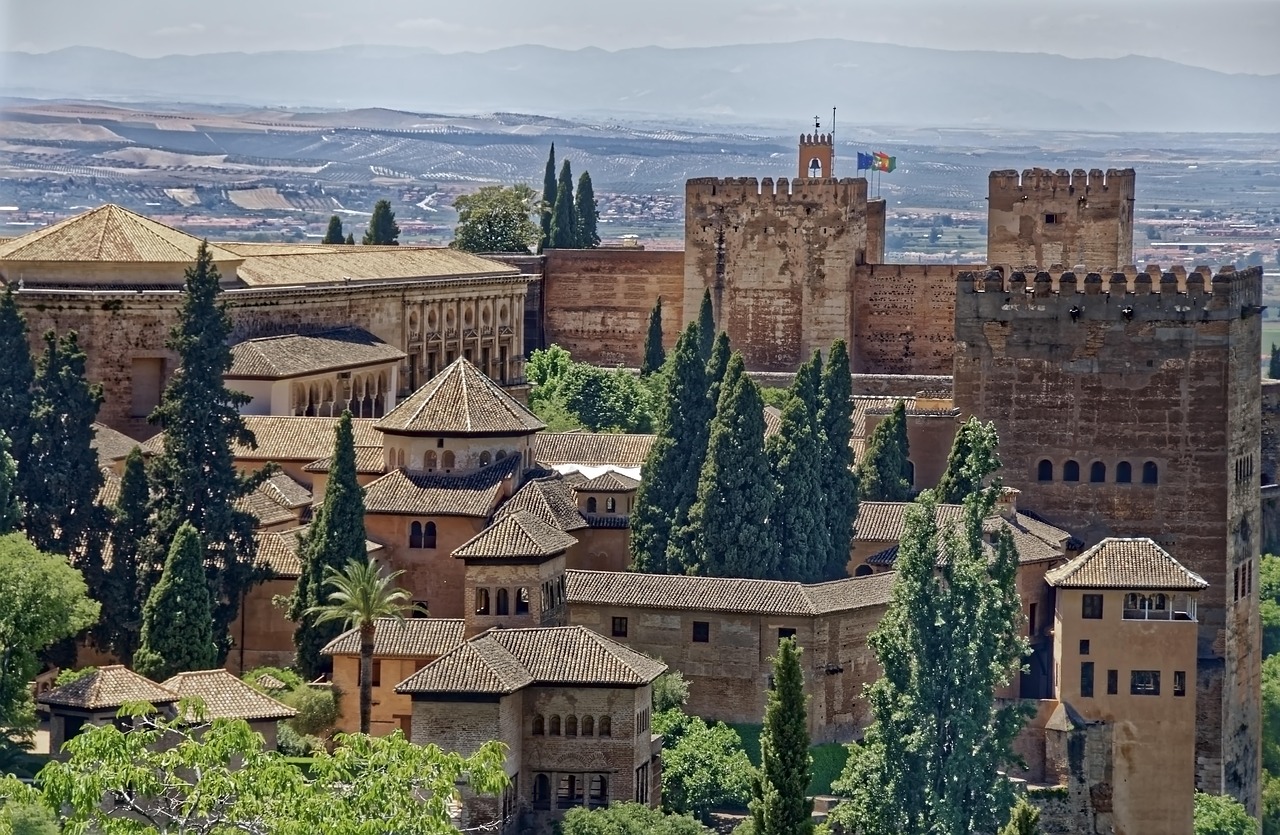
Located in Bubión, this hotel is an institution. It has been run by the same family for generations. The rooms are simple, clean, and cool, featuring the characteristic Alpujarra ceramics. But the real draw is the terrace. It sits on the edge of the world, overlooking the valley toward Granada (on a clear day, you can just make out the Alhambra in the distance). Breakfast is served here, and eating toast with tomato and olive oil while looking at that view is a spiritual experience.
Address: Plaza de la Iglesia, s/n, 18412 Bubión, Granada, Spain
Hours: 24-hour front desk. Breakfast is typically from 8:30 AM to 10:30 AM.
Why it’s a gem: The location is unbeatable, acting as a perfect base for exploring the three tiered villages. The hospitality is warm and unpretentious.
The Marshland of Silence: Las Marismas, Huelva
On the border with Portugal, in the province of Huelva, lies the Coto de Doñana National Park. But rather than staying in the tourist hubs, I want you to head to the edge of the marshlands, to the tiny village of El Rocío. It is a surreal place. There are no paved roads in the center, only sand streets. Horses wander freely, tethered to the railings outside the houses. It feels like a film set for a western that was never made.
In 2026, the focus on sustainable travel will be higher than ever. This is the place to practice it. The ecosystem here is fragile, a vital stop for migratory birds. The silence is profound, broken only by the wind in the reeds and the distant cry of a flamingo.
Where to Eat: Restaurante La Malvasía
If you are going to eat in El Rocío, you must eat seafood. The Atlantic is right there, and the produce is pristine. La Malvasía is located on the main avenue (the sand street). Their atún rojo (bluefin tuna) is caught locally and served tartare-style with a hint of orange. The pescaíto frito (mixed fried fish) is light, greaseless, and tastes of the ocean. Sitting on their terrace, watching the horses clip-clop by, is the definition of slow living.
Address: Av. de la Ribera, s/n, 21760 El Rocío, Almonte, Huelva, Spain
Hours: Open daily for lunch from 1:00 PM to 4:00 PM and dinner from 8:00 PM to 11:00 PM. Highly seasonal; verify opening dates outside of summer and holidays.
Why it’s a gem: It offers high-end seafood in a village that feels like the edge of the earth. It connects you directly to the maritime culture of the region.
Where to Stay: Hotel Vida Silvestre
This is a boutique hotel that champions eco-consciousness. It is built using sustainable materials and runs on renewable energy. The vibe is minimalist but cozy, with large windows that frame the marshland views. It feels modern and 2026. The staff are experts on the local wildlife and can organize bird-watching tours or horseback rides through the park. It is a place for those who want to disconnect from the digital world and reconnect with the natural one.
Address: Av. de la Ribera, 21, 21760 El Rocío, Almonte, Huelva, Spain
Hours: 24-hour reception. Check-in is from 3:00 PM.
Why it’s a gem: It respects the environment it sits within. It offers a comfortable, stylish base for exploring one of Europe's most important wetlands without contributing to its degradation.
The Forgotten Kingdom: La Rioja Baja
Everyone knows La Rioja for the wine. But they usually stick to the Haro station district. In 2026, I implore you to drive east, into the Rioja Baja. This is wilder, rockier country. It is the land of the cante jondo (deep song) flamenco and the Monastery of Yuso, where the Spanish language was first standardized.
The landscape here is dramatic—rugged canyons cut by the Ebro river. The towns, like Cervera del Río Alhama, look like they have been carved directly out of the rock. It is a place of solitude and history.
Where to Eat: Asador La Parada
In the town of Laguardia, a medieval walled town that sits atop a hill, you will find Asador La Parada. The asador (grill) is the heart of Riojan cuisine. Here, the lamb is roasted slowly over vine shoots. The smell is intoxicating—woodsmoke and fat and herbs. The dining room is cozy and dark, lit by candles. Order the chuletón (T-bone steak) or the cordero asado. Wash it down with a bottle of local Rioja that you won't find outside the region.
Address: Calle San Juan, 21, 01300 Laguardia, Álava (Rioja Alavesa), Spain
Hours: Open for lunch from 1:00 PM to 3:30 PM and dinner from 8:00 PM to 10:30 PM. Closed on Mondays and Tuesday lunch.
Why it’s a gem: It is the definitive expression of the region’s grill culture. The quality of the meat and the wine is exceptional.
Where to Stay: Hotel Villa de Laguardia
Staying inside the walls of Laguardia is a must. This hotel is a charming, rustic building with a central courtyard. The rooms are built into the ancient stone structure, so they are cool in summer and warm in winter. The real treasure is the underground wine cellar. The hotel sits atop a network of tunnels used for wine storage, and you can arrange a tasting right there on the premises. It is atmospheric, historic, and deeply comfortable.
Address: Calle San Juan, 25, 01300 Laguardia, Álava, Spain
Hours: Reception hours vary but generally cover 9:00 AM to 9:00 PM. Breakfast is usually from 8:30 AM to 10:30 AM.
Why it’s a gem: It allows you to literally sleep inside the history of the region. The connection to the wine culture is woven into the very fabric of the building.
The Prehistoric Coast: Costa Verde, Cantabria
Finally, we head to the north coast, to Cantabria. If you are planning a trip for 2026, you should know that this region is home to the "Sea of Cantabria," a phenomenon where the waves break in such a way that the water glows a neon blue at night (bioluminescence). It is magical.
But beyond the science, there is the history. This is home to the Cave of Altamira (the "Sistine Chapel of Prehistoric Art"). The replica museum, Neocueva, is breathtaking. But the real hidden gem is the village of Comillas. It is a stunning seaside town filled with Modernist architecture, including Gaudí’s "Capricho." It feels like a slice of Barcelona dropped onto a rugged northern coast.
Where to Eat: La Gallega
In the fishing port of San Vicente de la Barquera, this restaurant is an institution. It sits right on the water. The specialty is sardinillas (fresh sardines) grilled over charcoal and rabas (fried calamari). The seafood here is caught hours before it hits your plate. It is no-frills dining with a million-dollar view. The waiters are gruff but efficient, and the butter served with the bread is local and salty.
Address: Av. de la Luz, 12, 39540 San Vicente de la Barquera, Cantabria, Spain
Hours: Open daily from 1:00 PM to 4:00 PM and 8:30 PM to 11:00 PM. It is very popular in summer, so reservations are recommended.
Why it’s a gem: It offers the freshest seafood in a setting that captures the wild beauty of the northern coast. It is unpretentious and authentic.
Where to Stay: La Casona de la Raya
Located in the countryside just outside Comillas, this is a rural house that feels like a family home. The owners have preserved the traditional architecture while adding modern comforts. The garden is lush, full of hydrangeas and apple trees. It is a place to read books, walk the surrounding hills, and eat breakfast with homemade jam. It is the perfect antidote to the busy life we all lead.
Address: La Raya, 39584 Otañes, Cantabria, Spain
Hours: Check-in is from 3:00 PM to 8:00 PM. Breakfast is usually on request, but available from 9:00 AM.
Why it’s a gem: It offers the peace of the countryside with easy access to the coast and the historic village of Comillas. It is a sanctuary.
Conclusion: The 2026 Mindset
Traveling to these hidden gems in Spain in 2026 isn't just about seeing new places. It is about a shift in how we experience the world. It is about trading the checklist for the conversation. It is about the thrill of ordering a dish without knowing exactly what it is, or asking for directions and being led through someone's kitchen.
These places I've described—Asturias, the Alpujarras, the marshes of Huelva—they don't cater to the superficial needs of the modern tourist. They demand your patience. They require you to slow down, to listen to the cadence of the local dialect, to taste the specific mineral content of the water, to feel the texture of the stone walls.
When you go to Spain in 2026, don't just go to see. Go to feel. Go to get lost. Go to find the version of yourself that exists when the Wi-Fi is off and the only thing on your agenda is a long lunch and a walk through a history that is older than your country. The hidden gems are waiting. They are not waiting to be discovered—they have been here all along. They are just waiting for you to arrive with the right attitude. And that attitude is one of humility, curiosity, and a healthy appetite. Buen viaje.