EN
DISCOVER Granda WITH INTRIPP.COM
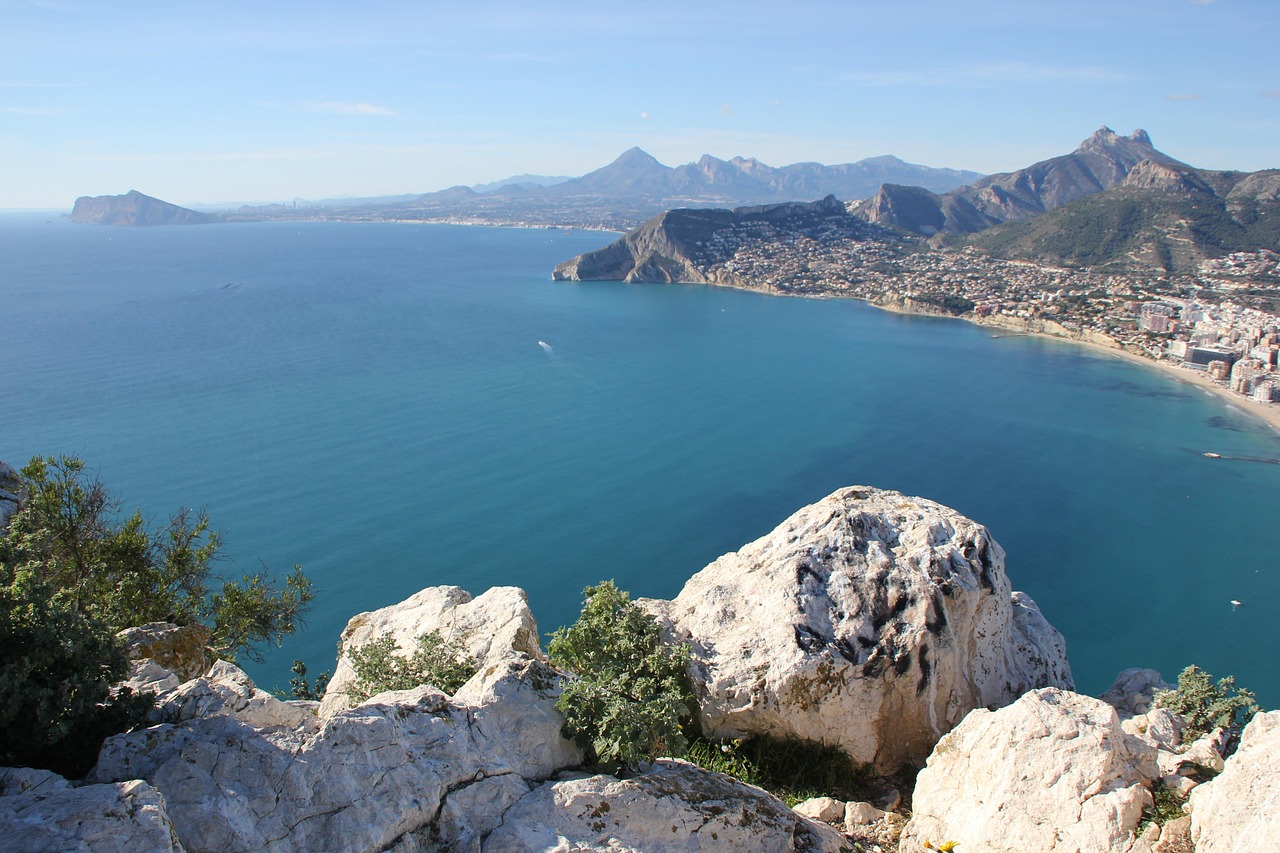
Explore.Create.Travel There is a specific alchemy to the heat of Granada. It’s a dry, ancient heat that bakes the limestone of the Alhambra and radiates from the cobblestones of the Albayzín. It’s magnificent, yes, but by mid-July, when the air in the Plaza Nueva feels thick enough to chew, the landlocked city begins to yearn for the sea. The locals know the secret. They look toward the south, toward the horizon where the Sierra Nevada abruptly drops its jagged white teeth into the Mediterranean. This isn't the flashy, neon-soaked Costa del Sol of our nightmares; this is the Costa Tropical, a rugged, banana-growing, wilder strip of coast that feels like a time capsule of the Mediterranean before the tourism boom.
For years, I thought the drive to the coast meant surrendering to the traffic of Malaga or the tourist crush of Nerja. It wasn't until a blistering August afternoon, when my car’s thermometer read 42°C and the smell of pine needles and hot asphalt was overwhelming, that I blindly followed a winding sign for "La Herradura." That day changed my relationship with the Spanish summer. I discovered that the best beaches aren't just places you go to; they are rewards you earn after navigating a series of increasingly narrow turns, clinging to the side of a cliff, with the blue expanse opening up like a mirage below.
Here is the definitive guide to the coastal escapes that remain hidden, wild, and reachable in under an hour from the shadow of the Alhambra.
***
### Cala En Vedette: The Naturist’s Whisper in Calabajio
**Distance from Granada:** 45 minutes
**Vibe:** Barefoot, bohemian, and blissfully quiet.
If you drive past the turn-off for Almuñecar and head toward the tiny hamlet of Calabajio, you might miss the turn. It happens to the best of us. You are looking for a small, unassuming sign that simply says "Cala." The road descends sharply, a single track of white dust that squeezes between two whitewashed houses. You will hear the crunch of your tires before you see the water.
Cala En Vedette is not a beach for the self-conscious. It is one of the few remaining nudist haves on this stretch of coast, and the vibe is less "party" and more "commune with nature." The sand here is coarse, mixed with tiny, polished pebbles that massage your soles as you walk toward the water. But the water—oh, the water. It is a translucent, electric blue, so clear that you can see the shadows of the fish darting around your ankles from ten feet away.
I remember my first time there. I had brought a book, expecting to read, but found myself staring into the depths for an hour. An elderly man, his skin the color of cured leather, was harvesting sea urchins with a specialized knife. He cracked one open with a practiced flick of the wrist and offered me the roe on a piece of crusty bread. We didn't speak the same language, but we shared the same appreciation for the silence. There are no chiringuitos (beach bars) here, no music blaring from speakers, just the rhythmic shushing of the waves against the rocks that frame the small cove.
**The Logistics:**
* **Address:** Playa Cala En Vedette, 18690, Calabajio, Almuñecar, Granada. (GPS coordinates often struggle here; look for the "Mirador de Calabajio" and follow the dirt track down).
* **Hours:** Open 24/7, but best visited during daylight hours. Parking is extremely limited (about 8 spots), so arrive before 10:00 AM or after 4:00 PM.
* **Why it’s special:** It feels like the edge of the world. The cliffs protect it from the wind, creating a natural jacuzzi effect.
* **Amenities:** None. Bring water, an umbrella, and your own snacks.
* **Safety:** The entry into the water is rocky; water shoes are highly recommended.
***
### Playa de La Herradura: The Half-Moon of History
**Distance from Granada:** 40 minutes
**Vibe:** Family-friendly, expansive, yet uncrowded.
La Herradura is the "big" beach of the area, but it retains a soul that the larger resorts lack. Its name, meaning "Horseshoe," describes the perfect curve of the bay that cradles the town. The drive down is spectacular, hugging the coastline with the Mar de Pulpes (the octopus fishing grounds) on your left. As you descend, the scent changes from dry rosemary and thyme to the salty, briny tang of drying algae.
This isn't a hidden cove in the strictest sense, but it is a hidden gem because it is overshadowed by its louder neighbor, Almuñecar. The beach is a mix of dark volcanic sand and golden pebbles. It is backed by a promenade that feels like it was frozen in the 1980s—pastel houses, bougainvillea tumbling over walls, and small tapas bars where the owners still know their regulars.
My favorite memory here involves a late afternoon in October. The summer crowds had vanished, leaving only the locals and the gulls. I sat at a plastic table at *Chiringuito El Pulpo*, eating fried calamari that was so fresh it practically still tasted of the ocean. The sun was dipping behind the cliffs of Cerro Gordo, turning the water into a sheet of hammered gold. La Herradura is unique because it was the site of the tragic shipwreck of the fleet of Charles V in 1562; sometimes, when the tide is low, you can see the underwater ruins of the old breakwater. It is a beach with layers, both geological and historical.
**The Logistics:**
* **Address:** Paseo de la Herradura, 18690, La Herradura, Almuñecar, Granada.
* **Hours:** The beach is public and accessible 24/7. The chiringuitos generally operate from 10:00 AM to 8:00 PM, season dependent (roughly June to September).
* **Why it’s special:** The balance of amenities and nature. You can get a good coffee and use a clean bathroom without sacrificing the natural beauty.
* **Amenities:** Showers, sunbed rentals, pedal boats, plenty of street parking (though it fills up by noon on weekends).
* **Tip:** Walk to the eastern end of the beach, toward the "Punta de la Mona," for a stunning view of the castle and the turquoise waters of the calmer side of the bay.
***
### Playa de San Cristóbal: The Shadow of the Castle
**Distance from Granada:** 50 minutes
**Vibe:** Historic, central, surprisingly tranquil.
Almuñecar’s main beach, San Cristóbal, might seem like an odd inclusion on a "hidden" list. However, the secret to enjoying it is context and timing. It sits directly beneath the Castillo de San Miguel, a Moorish fortress that looms protectively over the sand. The beach is a mix of coarse sand and small pebbles, and the water is deep and dark, perfect for swimming.
The trick to San Cristóbal is to treat it as a historical immersion. I love to arrive early in the morning, before the town fully wakes up. I park near the port and walk along the promenade, past the Roman Fish Salting Factory ruins (Las Fabricas de Salazones), which are right there, exposed to the elements like an open-air museum. Then, I descend to the beach.
While the main strip has sunbeds, the edges of the cove are rocky and rugged. If you scramble over the rocks to the left, toward the foot of the castle, you find pockets of solitude. The water here is teeming with marine life; it’s a designated marine reserve area. I once spent an entire morning snorkeling here, drifting over the submerged Roman anchors and watching sea bream flit through the seagrass. It’s a beach where you can swim through history. It’s not "hidden" in the sense of isolation, but it’s hidden in plain sight, offering a depth of experience that most sun-seekers miss because they stick to the center of the bay.
**The Logistics:**
* **Address:** Playa de San Cristóbal, 18690, Almuñecar, Granada.
* **Hours:** Public access 24/7. The promenade is lively until late evening.
* **Why it’s special:** Swimming in the shadow of a 10th-century fortress and passing ancient ruins while treading water.
* **Amenities:** Full amenities. Public restrooms, showers, and a wide variety of restaurants nearby (try the espetos de sardines at the chiringuitos).
* **Parking:** Can be difficult in high summer. The underground parking near the Parque Botanical Gardens is your best bet.
***
### El Muerto / El Cañuelo: The Rocky Paradise
**Distance from Granada:** 45 minutes
**Vibe:** Adventurous, rugged, crystal-clear.
The drive to El Cañuelo is the definition of "scenic route." You bypass the main urban center of Almuñecar and head toward the Torrecuevas area. The road becomes narrower, winding through avocado and mango plantations. Eventually, you reach a small parking area and a footpath. There are no signs, no grand entrances. You walk down a dusty trail, and suddenly, the world drops away into a series of rocky inlets.
Locals call this area "El Muerto" (The Dead Man) or simply "El Cañuelo." It is not a sandy beach. It is a collection of flat, smooth rock shelves that serve as natural sunbeds. The geology here is fascinating—slate and shale that have been eroded into perfect pools.
This is my go-to spot for a mid-week escape when I need to clear my head. I bring a cooler and a mask and fins. The water here is arguably the clearest of all the beaches mentioned. Because there is no sand to churn up, the visibility is often infinite. You can swim out to the deeper rocks and see the underwater topography—a maze of arches and tunnels. It’s a playground for advanced swimmers and snorkelers. There is a small, rustic chiringuito perched precariously on the rocks above, serving simple grilled fish and ice-cold beer. It feels like a pirate’s cove.
**The Logistics:**
* **Address:** Camino de los Asperones, 18690, Almuñecar, Granada. (Look for the sign for "El Cañuelo" near Torrecuevas).
* **Hours:** The beach is always open. The chiringuito usually opens around 11:00 AM and closes when the sun goes down (around 7:00 PM).
* **Why it’s special:** The water clarity and the unique rocky landscape.
* **Amenities:** Very limited. The chiringuito has food and drink, but no showers or bathrooms on the beach itself.
* **Footwear:** Absolutely essential. Do not attempt this barefoot. The rocks are sharp and slippery.
***
### Playa de Salobreña: The Sugar White Jewel
**Distance from Granada:** 40 minutes
**Vibe:** Traditional, whitewashed, surprisingly soft.
Salobreña is often dismissed as a package holiday destination, but that’s only if you stay on the main promenade. To find the hidden side of Salobreña, you must look at the beach from the water or from the rock outcrop that divides the town. The beach itself is a crescent of fine, almost white sand (a rarity on this volcanic coast) backed by a cliff of sugar-cube houses topped by a Moorish castle.
The "hidden" aspect here is the western end, near the rock. As you approach the rocks, the sand gives way to a rocky shelf that is fantastic for exploring tidal pools. The water here is deeper and cooler, a refreshing shock to the system. I have a ritual here: I climb the steep steps to the castle for the view, then descend to the beach for a swim, and finally walk to the eastern edge where the Rio Guadalfeo meets the sea.
There is a fantastic sense of community here. In the evenings, families gather for the paseo, and the air smells of frying fish and sweet wine. It’s less "hidden" in the physical sense, but it retains a hidden quality of authenticity that you won't find in the resorts further west. It feels like the Costa Tropical of the past—unpretentious, sunny, and deeply relaxed.
**The Logistics:**
* **Address:** Paseo de Salobreña, 18680, Salobreña, Granada.
* **Hours:** 24/7 public access. Chiringuitos generally 10:00 AM – 8:00 PM.
* **Why it’s special:** The contrast of the white sand against the dark cliffs and the green sugar cane fields in the background.
* **Amenities:** Everything you could possibly need. Parking is available in the underground lots near the beach (paid).
* **Tip:** Visit the chiringuito "El Peñón" for their house speciality, "Marmita," a traditional fisherman’s stew.
***
### Playa de La Rijana: The Wild West
**Distance from Granada:** 55 minutes
**Vibe:** Isolated, wild, bohemian.
This is the furthest beach on the list, and the drive is the most dramatic. You head west past Almuñecar, past the turn-off for La Herradura, all the way to the edge of the province. You are looking for a sign for "Cala Rijana." The road is steep, unpaved in parts, and requires a bit of nerve.
La Rijana is a tale of two beaches. There is the upper beach, which is a small cove of dark sand and pebbles. But the real magic happens at low tide, when a path opens up to the "lower" beach—a secret slice of sand hidden between towering cliffs that can only be reached by scrambling over rocks. This was once a haven for hippies and artists, and you can still feel that bohemian energy.
I once hiked down here with a group of friends, carrying a guitar and a picnic basket. We found a natural amphitheater of rocks and spent the afternoon playing music and diving into the deep, cold water. It feels dangerous and wild. The waves crash with more force here, and the cliffs are sheer vertical drops. There are no facilities. If you get into trouble, you are on your own. But that danger is part of the allure. It is a place that demands respect and rewards you with a profound sense of isolation.
**The Logistics:**
* **Address:** Playa Rijana, 18690, Castell de Ferro, Granada.
* **Hours:** Always open.
* **Why it’s special:** The feeling of being at the end of the earth. The lower beach at low tide is a true hidden gem.
* **Amenities:** None. Zero. Zip.
* **Warning:** Check the tides before you go. Do not attempt to access the lower beach if the tide is coming in, as you could get trapped. The path back up is steep and requires good shoes.
***
### Cala del Pino: The Snorkeler’s Dream
**Distance from Granada:** 45 minutes
**Vibe:** Secluded, quiet, nature-focused.
Tucked away in the municipality of Motril, just past the port, is Cala del Pino. It is often overlooked by those speeding toward the larger beaches of Torrenueva. The access is tricky—a steep set of steps carved into the cliffside.
What makes Cala del Pino special is the vegetation. Ancient pine trees grow right down to the water's edge, providing natural shade—a luxury on these sun-drenched coasts. The sand is dark and fine, and the water is calm, protected by a breakwater.
This is the beach I recommend to friends who want to read a book in the shade and take a dip without fighting waves. The underwater life here is vibrant. I’ve seen octopus, moray eels, and schools of vividly colored fish right near the shore. It’s a small cove, intimate, and feels like a private garden. The sound of the wind in the pine needles mixes with the sound of the waves, creating a natural white noise that is incredibly soothing.
**The Logistics:**
* **Address:** Calle del Pino, 18600, Motril, Granada.
* **Hours:** 24/7 access.
* **Why it’s special:** The natural shade from the pine trees and the calm, clear water perfect for snorkeling.
* **Amenities:** There is a small beach bar (often seasonal) and toilets near the top of the steps.
* **Parking:** There is a small parking lot at the top of the cliff, but it fills up quickly. Arrive early.
***
### The Verdict: Why the Drive Matters
The journey to these beaches is as important as the destination. It is a drive through the "real" Andalusia. You pass through villages where time has stopped, smell the jasmine in the air, and see the contrast of the snow-capped Sierra Nevada in the rearview mirror and the turquoise sea ahead.
There is a specific light on the Costa Tropical. It is sharper, more intense than on the Atlantic side. It reflects off the water with a brilliance that makes you squint. When you finally throw your towel down on one of these hidden coves, the relief is physical. The grit of the sand, the shock of the cold water, the taste of salt on your lips—it’s a sensory reset.
Granada is a city of layers: Roman, Moorish, Christian. The coast reflects this same stratification. You are swimming in waters that have been fished for millennia, walking on sands that have seen empires rise and fall. Don't settle for the crowded pools of the resorts. Turn left at the sign that looks like it leads nowhere. Follow the dust trail. Find the hidden beach. The sea is waiting, and it is only an hour away.
File: seo_head.html