

Granada to Guadix Caves Day Trip: Book Tickets & Tours 2026
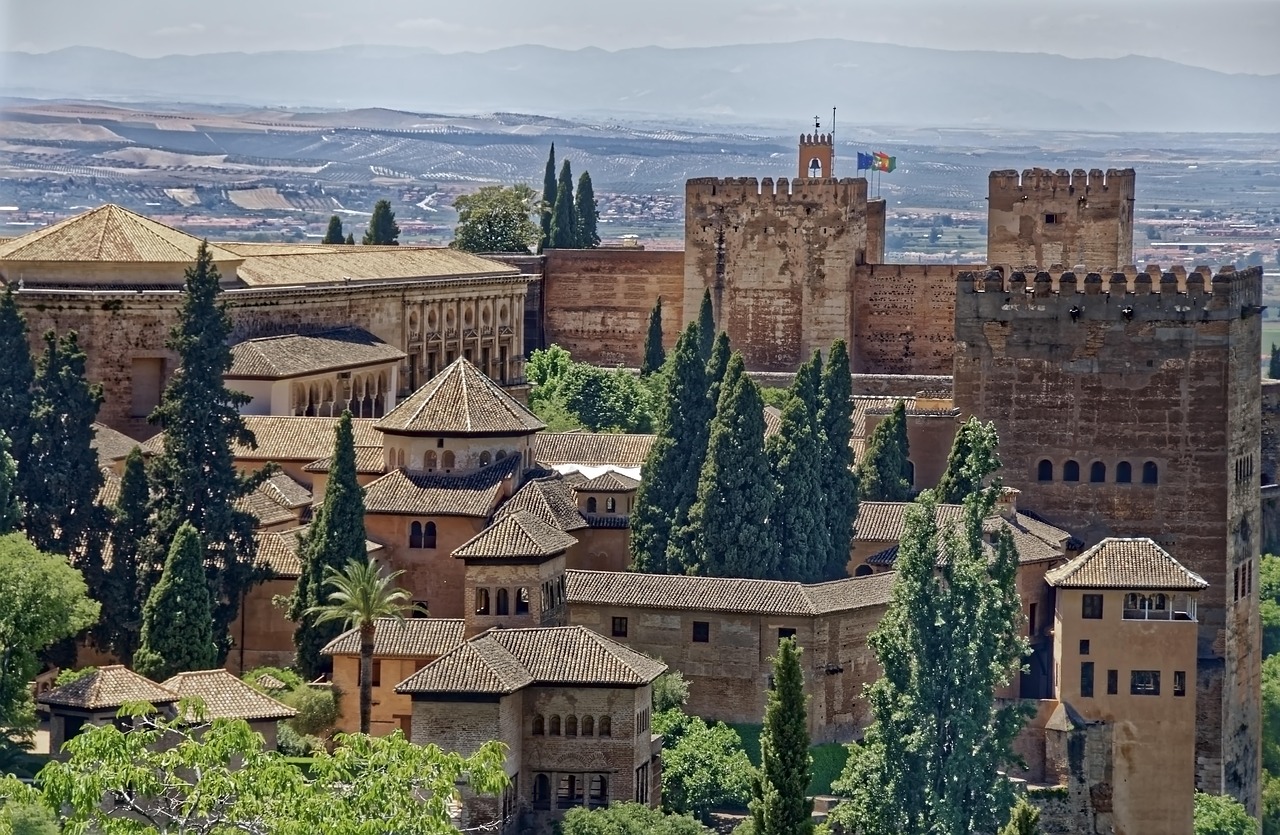
There is a particular scent to Granada in the early morning, before the tour buses clog the arteries of the city and before the sun turns the Albaicín’s whitewashed walls into a blinding glare. It is the smell of damp cobblestones, of fresh churros hitting hot oil in the Plaza Nueva, and of the lingering, metallic tang of the Darro River. It was on one such morning, standing in the shadow of the cathedral with a coffee that was more sugar than bean, that I decided to leave the familiar comfort of Granada’s embrace. I had spent days tracing the intricate Nasid carvings of the Alhambra and eating my weight in free tapas, but a local friend had whispered a word to me that sounded like a dare: Guadix.
“Go underground,” he’d said, wiping his mouth with a napkin. “The people there don’t just live in the earth; they thrive in it.”
Fast forward two hours, and I was standing on a dusty platform at Guadix’s train station, blinking in a light that felt different somehow—sharper, older. The air here tasted of dry clay and wild rosemary. I had come for the famous cave houses, the troglodyte dwellings that dot the hillsides like pockmarks on a giant’s face. But what I found was a living, breathing community that challenges every definition of what a home should be. If you are planning a trip in 2026 to this geological wonder of Andalusia, let me be your Virgil. This is not just a journey from point A to point B; it is a descent into history, architecture, and the sheer resilience of the human spirit.
The Journey: Choosing Your Vessel
Before you can marvel at the subterranean living rooms of Guadix, you have to get there. The 40-kilometer journey from Granada is a scenic transition from the high, rugged Sierra Nevada to the semi-arid lands of the Guadix basin. In 2026, travelers have three primary options, each with its own flavor of adventure.
For the solo traveler or the couple seeking a relaxed start, the train is my personal favorite. There is a romance to rail travel that a highway simply cannot replicate. You depart from Granada’s main station (Estación de Granada), a modern architectural marvel of glass and steel located conveniently near the city center.
Hours: The station is open 24/7, but ticket offices typically operate from 06:00 to 21:00. Self-service machines are available 24/7.
The ride takes roughly 45 to 50 minutes. As the train rumbles north, you watch the landscape shift from lush vegetation to the ochre and sienna tones of the badlands. I remember buying a ticket from the machine, fumbling slightly with the touchscreen, and settling into a seat by the window. A man across from me was eating an orange with a pocket knife, the citrus smell filling the carriage. It felt authentically Andalusian. In 2026, I highly recommend booking your tickets online a few days in advance via the Renfe website or app, especially if you plan to travel on a weekend. The “AVE” or “Avant” services are frequent, fast, and comfortable.
If you are looking for the most economical route, the bus is your best friend. The ALSA bus station in Granada is located right next to the train station, making it easy to compare schedules. The journey by bus takes about 50 to 60 minutes, depending on traffic leaving the city.
Hours: The station generally opens at 05:00 and closes around 22:00 or 23:00, though ticket machines and waiting areas are accessible early.
I took the bus on my return trip to save a few euros. The seats were plush, and the driver handled the winding roads with a confidence that bordered on reckless. It’s a great way to see the roadside olive groves up close. You can book ALSA tickets online or at the station, but for 2026 travel, securing a digital ticket beforehand saves time.
For those wanting the ultimate flexibility—perhaps you want to combine Guadix with a stop at the Gorafe Desert or the Fuente Grande—the private transfer or rental car is the way to go. Driving in Andalusia is a joy, provided you stay off the roundabouts in Granada itself. The A-92 motorway is a straight shot to Guadix.
My advice? If you are nervous about narrow roads, hire a private driver for the day. It costs more, but having a local who knows the hidden spots is worth every penny.
Arrival: Entering the Troglodyte World
You arrive in Guadix, and the first thing you notice is the Cathedral. It rises from the flat landscape, a fortress of faith built from the very stone that defines the region. But look past it, to the hills flanking the town. There, you will see them: clusters of white facades, many topped with chimneys that look like miniature smokestacks. These are the famous cave houses.
To truly understand this place, you must visit the Museo de la Cuevas (Cave Museum). It is the perfect introduction to the subterranean lifestyle.
Hours: Generally open Tuesday to Saturday from 10:00 to 14:00 and 16:00 to 18:30; Sundays from 10:00 to 14:00. (Always check for seasonal variations in 2026, as hours can shift slightly in winter).
I arrived at the museum on a Tuesday morning. The entrance is unassuming, a doorway cut into a hill. Stepping inside is a shock to the system. The temperature drops instantly—about 10 to 12 degrees Celsius cooler than outside. It is a constant, refreshing coolness that characterizes these homes. The museum is actually a network of connected caves that were inhabited until the 1960s. You walk through the “kitchen,” where a rock-hewn sink and fireplace still stand; the “bedroom,” with its recessed niches that served as beds; and the “stable,” where animals once lived alongside the family to provide warmth in the winter.
The sensory experience is profound. The walls are smooth to the touch, worn down by centuries of hands sweeping away dust. There is a faint earthy smell, not of rot, but of dry soil and time. I stood in the main living cavern and looked up at the ceiling, which curved like the inside of a skull. I tried to imagine a family gathered around a fire, the flickering light dancing on the stone, the silence of the earth wrapping around them like a blanket. It was humbling.
The Barrio de las Cuevas: A Living Neighborhood
While the museum provides the history, the Barrio de las Cuevas provides the soul. This is not a theme park; it is a residential neighborhood. People live here. They have Wi-Fi, satellite dishes, and cars parked in driveways carved into the rock. The distinction is crucial: in Guadix, cave living is a choice, not a poverty trap. The geology of the area—soft sandstone and clay—is perfect for excavation. The caves provide natural insulation: warm in winter, cool in summer (a lifesaver in the 40°C heat of an Andalusian August).
For the 2026 traveler, I recommend hiring a guide for this part of the day. While you can wander the streets (called “cantos”) on your own, a guide brings the stories to life. Many tours offer a “Guided tour Granada to Guadix Cave Houses” experience that includes a local expert.
I met a guide named Antonio near the Plaza de las Cuevas. He was born in a cave house just two streets away. He showed me his childhood home. “People think it’s primitive,” he said, leaning against a rock wall that served as his neighbor’s front fence. “But look at the walls. No need for plaster. No need for paint. The earth holds the color for you.”
He took me to the “Cueva de las Campanas” (Cave of the Bells), a massive cavern that has been converted into a cultural center. The acoustics are incredible; a whisper at one end is audible at the other. He explained that the name comes from the shape of the ceiling, which resembles the bells of a church.
If you are booking a tour from Granada in 2026, look for packages that specifically include entry to the Barrio de las Cuevas. Some budget bus tours only drop you off near the Cathedral and leave you to fend for yourself. A small group tour is preferable, as it allows for interaction with the locals. I saw an elderly woman sitting on her doorstep, knitting. Her door was a heavy wooden slab set into a rock face painted a brilliant, shocking pink. She smiled, revealing a gold tooth, and offered me a piece of membrillo (quince paste). That is the Guadix you want to find.
The Cathedral: The Christian Fortress
You cannot visit Guadix without paying respects to its Cathedral. It is often called the “first Renaissance cathedral in Andalusia,” though its construction began in the 16th century on the site of a former mosque. The exterior is severe, almost defensive, a reflection of the Reconquista’s lingering tensions.
Hours: Monday to Friday: 10:00 to 17:30 (last entry usually 30 mins before); Saturdays: 10:00 to 17:00; Sundays: 14:00 to 17:00 (check for mass times).
I entered the Cathedral around noon. The light filtering through the high windows caught the dust motes dancing in the nave. It is a space of vast, imposing columns. But the real treasure, in my opinion, is the choir stalls (coro). They are carved from walnut, depicting scenes from the life of Christ with a vividness that defies the centuries.
There is also a museum attached to the Cathedral, the Museo Catedralicio, which houses a collection of religious art. However, if you are short on time, prioritize the main building. The juxtaposition of the Cathedral’s rigid, vertical grandeur against the horizontal, earth-hugging nature of the cave houses is what makes Guadix so unique. It is a city of two worlds: the celestial and the terrestrial.
Booking for 2026: Tickets, Tours, and Logistics
Planning a day trip for the upcoming year requires a bit of strategy. 2026 is shaping up to be a busy year for Andalusian tourism, as travelers continue to seek out authentic, sustainable experiences away from the crushing crowds of the Costa del Sol.
- The DIY Approach (Granada to Guadix Caves tickets 2026): If you prefer independence, book your train or bus tickets via the official Renfe or ALSA apps. For the cave experiences, you can usually purchase tickets on-site at the Museo de las Cuevas, but I advise against this for peak months (June, July, August). Lines can form in the heat. Instead, look for the “Guadix Turismo” website where they often release timed entry slots for the museum and walking routes.
- The Guided Tour (Best Guadix Caves day trip from Granada 2026): This is the option I recommend for first-timers. There are several reputable operators in Granada. Look for small group tours (max 15 people).
- What to look for: Ensure the itinerary includes the Cathedral, the Cave Museum, and a walk through the inhabited Barrio de las Cuevas.
- Price range: Expect to pay between €60 and €90 per person for a full-day tour with transport and guide included.
- Booking: Use platforms like GetYourGuide or Viator, or book directly with local agencies like “Granada Tapas Tours” or “Feel Granada Tours.” Booking 3-4 months in advance for spring/summer 2026 is wise.
- Private Transfer Granada to Guadix Caves tour: For families or groups, a private car is unbeatable. You can arrange for the driver to wait while you explore (2-3 hours is sufficient). This allows you to add extra stops, like the Salobreña beach for a late lunch on the way back, or the fascinating Gorafe geopark.
- Combined Packages (Granada to Guadix Caves and Cathedral tour): Many operators offer combined tickets that cover the Cathedral entrance and the Cave Museum. This is a great time-saver. Ask your tour operator if they have a “puente” ticket that covers both sites.
- Niche Experiences (Granada to Guadix Cave Museum tickets and tour): If you are a history buff, look for specialized tours that focus on the archaeology of the region. Some guides offer access to caves that are not part of the standard museum route, showing you how modern families have renovated these spaces into luxury living quarters with open-plan kitchens and Jacuzzis. Yes, really.
The Sensory Lunch: Where to Eat
By 14:00, the Spanish stomach demands attention. Guadix is inland, so seafood is present but not the star. The cuisine here is hearty.
I found myself in a tiny tavern called Bar-Restaurante La Parada (a common name, but look for the one with the locals spilling out).
Hours: Typically open 13:00 – 16:30 and 20:00 – 23:00. Closed Mondays.
I ordered migas guadixeñas. This is a dish made from breadcrumbs, garlic, chorizo, and pork. It sounds humble, but it is a flavor bomb of salty, greasy perfection. I ate it on a small plate, wiping my hands on a paper napkin, watching the townspeople go about their business. I also tried the local cheese, Queso de Guadix, which has a distinct, slightly spicy kick.
If you prefer a more formal setting, try Restaurante El Mirador de las Cuevas, which offers views over the cave neighborhood. It’s pricier, but the plato combinado (mixed grill) is excellent.
The Return: Reflections on the Rock
As the afternoon sun began to dip, casting long shadows from the chimneys of the cave houses, I made my way back to the station. The journey back to Granada is always a time for reflection. The landscape rushes by, a blur of olive trees and dry riverbeds.
Why take this trip in 2026? Because the world is moving towards glass and steel, towards vertical cities and digital nomadism. Guadix offers an alternative. It reminds us that we can live with the earth, not just on top of it. It is a lesson in sustainability, in adaptation, in beauty.
When I got back to Granada, the city felt different. The Alhambra, magnificent as it is, seemed like a palace of the past. Guadix felt like a living, breathing possibility.
Practical Checklist for Your 2026 Trip
- Footwear: Wear closed-toe shoes with good grip. The cobblestones in the Barrio de las Cuevas are uneven, and the cave floors can be slippery.
- Clothing: Even in summer, bring a light sweater. The cave interiors are cold, and the temperature drop is significant.
- Water: Carry a bottle. The Guadix sun is dry and relentless.
- Respect: Remember, these are people’s homes. Do not peer into windows or take photos of residents without permission.
- Language: While many guides speak English, a few words of Spanish ("Hola," "Gracias," "Permiso") go a long way in making connections.
Guadix is not just a footnote to a Granada itinerary; it is a destination that stands tall (or rather, sits deep) on its own merits. It is a place where the ground opens up to welcome you, and you realize that sometimes, the best way to see the light is to go into the dark. So, book that ticket, pack your walking shoes, and prepare to go underground. The caves are waiting.