Granada to Antequera Day Trip: The Ultimate Caminito del Rey & Dolmens Guide
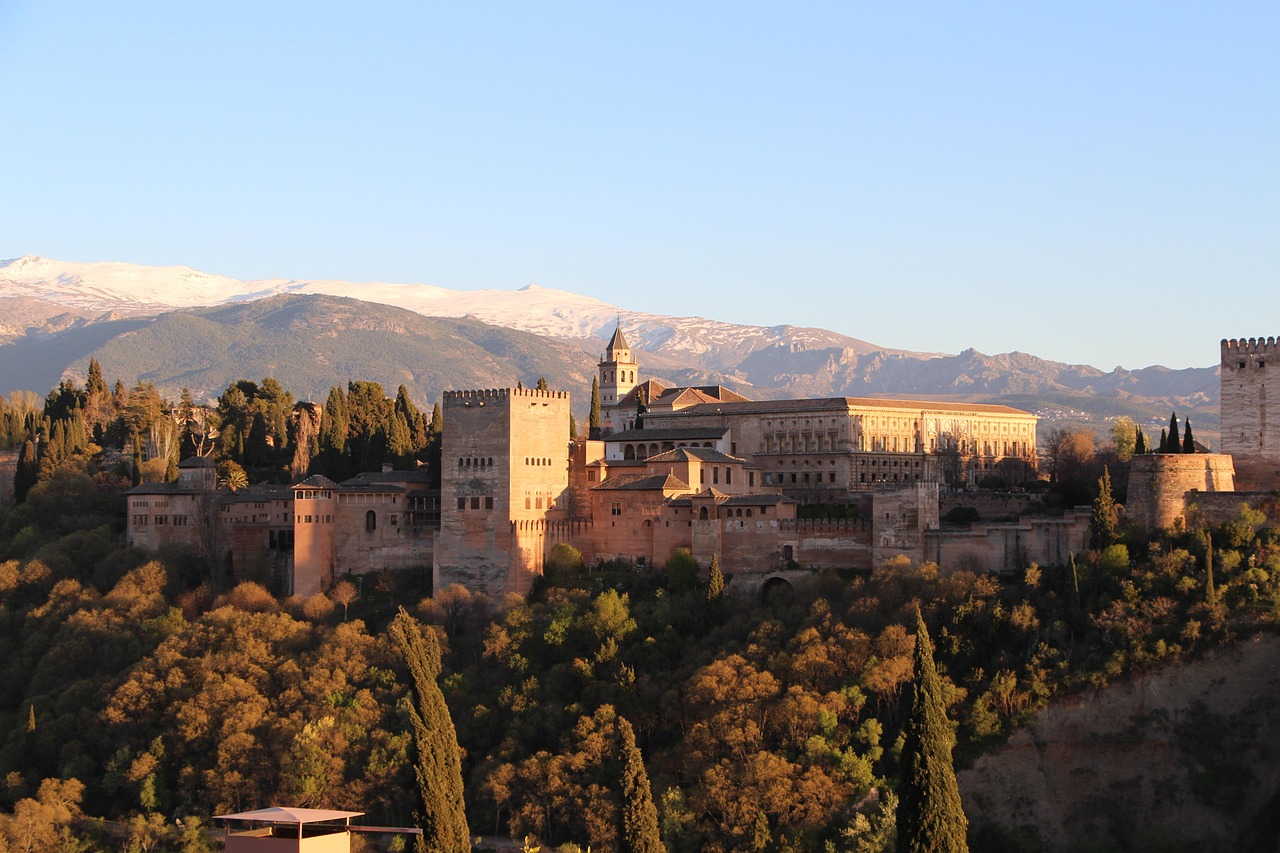
The morning air in Granada has a specific texture. It’s cool, even in the heart of summer, carrying the faint, sweet dust of the earth and the lingering memory of last night’s wine. Standing on the Mirador de San Nicolás, watching the Alhambra blush rose-gold in the first light, you feel a sense of permanence. But the rhythm of Andalusia is a restless one, a palimpsest of civilizations that never truly settled. Today, the Sierras are calling, and the destination is a paradox: a place that was once a "death walk" for workers, now the most thrilling stroll in Spain.
This is the story of a day trip that defies the slow, syrupy pace of Andalusian life. It is a journey from the Moorish heart of Granada to the geological beating heart of the province of Málaga. We are going to Antequera, the "Heart of Andalusia," and beyond it, to the Garganta del Chorro and the legendary Caminito del Rey. It is a journey of limestone, thermals, and ancient dolmens. It requires planning, a little grit, and a good pair of shoes. But I promise you, the view from the other side is worth every step.
The Choice: Independence or Convenience?
Before we even pack the sunscreen, we face the first hurdle: logistics. The Granada to Antequera day trip is not a hop, skip, and a jump; it is a deliberate venture into the wild. You have two distinct paths, and your choice defines the flavor of your day.
Option A: The Independent Traveler (Public Transport)
This is the route for those who want total control. It’s cheaper, more flexible, and honestly, more "real." It involves the ALSA bus system and a lot of looking out of windows.
- The Route: You will head to the Estación de Autobuses de Granada (Bus Station). You need the ALSA bus heading towards Málaga, specifically requesting a drop-off at El Chorro or Álora. The journey to El Chorro takes about 1 hour and 45 minutes.
- The Vibe: The landscape shifts dramatically. You leave the arid, white-earth plains of Granada and enter the undulating green and ochre of the Málaga province. The Guadalhorce river cuts through the rock, and suddenly, the sheer limestone walls of the Garganta del Chorro tower over the road.
- The Return: The bus back to Granada is less frequent. You must be at the bus stop at the exact time, or you risk a very long, very expensive taxi ride. This is the "adventure" part of the itinerary.
Option B: The Relaxer (Guided Tour)
If driving makes you nervous or you hate checking timetables, book a tour. There are several excellent "Caminito del Rey from Granada" tours.
- The Pros: They handle the tickets (which is huge, as we will discuss), the transport, and often include a stop in Antequera proper to see the Alcazaba or the Collegiate Church.
- The Cons: You are on a schedule. If you want to linger for two hours staring at the cliffs, the guide might get antsy. But for a stress-free day, it’s a solid choice.
The Main Event: The King’s Path
Let’s assume you’ve made it to El Chorro. The air here smells different. It smells of pine resin, damp rock, and the faint electric hum of the hydroelectric dam nearby. The village of El Chorro is tiny, a cluster of houses clinging to the side of the gorge, dominated by the train line that tunnels straight through the mountain.
Booking the Damned Tickets
I cannot stress this enough: You cannot just show up and walk the Caminito del Rey.
Years ago, it was the world’s most dangerous hike, an abandoned hydroelectric walkway hanging 100 meters above the river. Now, it’s safe, but strictly regulated.
- The Process: Tickets are free, but the booking fee is roughly €10-€12. You must book weeks, sometimes months, in advance on the official website ("The King’s Path" / "El Caminito del Rey").
- The Scam: If you don't book, you will see people walking the path. These are the "lucky" ones who snagged no-show slots at 8:30 AM. Do not rely on this. Book ahead.
- The Entrance: There are two entrances. The "North Entrance" is at El Chorro (harder to get tickets for). The "South Entrance" is at the Garganta del Chorro. If you take the ALSA bus from Granada, you will likely get off at the Garganta del Chorro stop, which is perfect for the South entrance.
The Walk: Sensory Overload
Once you have your hard hat (mandatory) and you’ve scanned your QR code, the world changes.
The first section is a wide dirt track, winding down towards the gorge. You hear the river before you see it—a dull, rushing roar. Then, the path narrows. You step onto the wooden walkway.
To your right, the rock face is a vertical wall of beige and grey, riddled with pockets and holes where nesting birds live. To your left, the drop is sheer. The gorge here is known as "The Throat." The wind funnels through it, creating a natural air conditioning that is refreshing and slightly terrifying.
Sensory Check: Look down. The water is milky turquoise, churned by the current. Look up. Griffon vultures circle on the thermals, barely flapping their wings, their shadows gliding over the rock like dark spirits.
The most famous section is the suspended bridge that hangs over the deepest part of the gorge. It sways. It’s designed to, but your stomach doesn't know that. It’s 100 meters of nothing but air beneath your feet. This is the "Instagram spot," but the reality is more visceral. It’s the feeling of being a tiny, fragile thing in a massive, indifferent landscape.
The entire walk takes about 2 to 3 hours, depending on how many photos you take (and how often you stop to let your heart rate settle). It ends at the northern side (El Chorro village). From here, you have to walk back along a service road (about 3km, mostly flat) to get to the village, or catch the shuttle bus that runs between the two ends.
Antequera: The Heart of the Matter
After the adrenaline of the Caminito, Antequera is the balm. It is a city of domes and spires, rising from a plain like a stone ship. You can take a short train or bus ride from El Chorro/Álora to Antequera (about 20-30 mins). Alternatively, if you skipped the Caminito or did the tour, you head straight here.
Antequera is often overlooked by tourists rushing from Granada to Ronda, which is a tragedy. It is the geographic center of Andalusia, and it holds some of the most important prehistoric monuments in Europe.
The Dolmens of Antequera
Just outside the city center lies the Dolmen de Menga. It is a passage tomb, built around 3000 BC, making it older than the Pyramids of Giza.
The Experience: You walk down a ramp into the earth. The capstone is a monolithic slab weighing nearly 200 tons. The air inside is cool, heavy, and silent. You are standing in a chamber that has held the dead for 5,000 years. It is a profound, humbling experience that grounds you after the vertigo of the Caminito.
Hours: Usually 9:00 AM to 6:00 PM (check local listings as they shift seasonally). Entry is cheap, a few euros.
The Alcazaba
Dominating the skyline is the fortress, the Alcazaba. It is the second-largest Muslim fortress in Spain after the Alhambra. It’s a climb—steep, cobbled streets will test your calves—but the views are panoramic.
From the battlements, you can see the three great landscapes of Andalusia: the Sierra de los Gredos (North), the Sierra de Tejeda (South), and the Sierra de las Nieves (West). You can physically see the curvature of the earth, the vastness of the agricultural plains dotted with olive groves.
- Address: Plaza de l'Alcazaba, s/n, 29200 Antequera, Málaga.
- Hours: 10:00 AM to 6:00 PM (Winter) / 9:00 AM to 8:00 PM (Summer). Closed on Mondays.
The Peña de Antequera
If you have a rental car and want to extend the day, take the A-7056 towards Archidona. This is the "Ruta de los Pueblos Blancos" (Route of the White Villages) edge. The road twists and turns, offering stunning views of the Peña de Antequera—a massive limestone rock formation that looks like a sleeping lion (or a giant, depending on your angle).
If you are a climber or a hiker, the Peña de Antequera is a pilgrimage. It dominates the city. The hike to the top takes about 45 minutes and offers a 360-degree view that rivals the Alcazaba. The rock is riddled with caves and fissures. There is a "Vía Ferrata" for the brave.
The Hunger: What to Eat
You cannot do this much walking on Spanish fuel and not eat well.
Breakfast in Granada
Before you leave, go to Bar Poë (Plaza de la Trinidad) or Café Fútbol (Gran Vía de Colón). Order tostada con tomate and a café con leche. Granada is famous for its free tapas; don't fill up, but get the energy started.
Lunch in El Chorro
After the walk, you’ll be starving. The village has a few gems.
- Restaurante La Garganta: Located right by the gorge. It’s rustic, serving mountain food. Order the Migas (fried breadcrumbs with chorizo and bacon) or the Plato de los Montes. It’s heavy, delicious, and exactly what you need.
- Bar Restaurante Caminito del Rey: Good for a cold beer and a simple sandwich (bocadillo) if you want something quick before catching the bus.
Dinner in Antequera
If you stay late, Antequera offers the best of the interior.
- The Specialty: Huevos a la flamenca (flamenco eggs) and Porra Antequerana (a thick, cold tomato and bread soup, different from Gazpacho).
- Restaurant Recommendation: Mesón El Portichuelo. It’s authentic, noisy, and serves incredible grilled meats and local stews. It’s located near the bus station, making it a perfect final stop before heading back to Granada.
The "Caves" (The Artache Cave / Cueva de la Peña)
The task mentioned "Antequera caves and Caminito day trip." You might be expecting the famous Cueva de la Pileta (which is actually in Ronda, about an hour from Antequera). However, Antequera has a geological wonder often overlooked: La Cueva de Artache.
It is located just 15 minutes from the city. It is a cave system with impressive stalactites and stalagmites. It is less commercialized than others, offering a raw, caving experience.
- Address: Carretera de Córdoba, km 8,5, 29200 Antequera.
- Hours: Visits are strictly by appointment (call ahead). This is for the true adventurer.
- Note: If you want the "Big Caves" experience, you must drive towards Ronda. But for a tight itinerary, the Artache cave or simply the geological wonder of the Peña de Antequera is sufficient.
Practical Tips for the Perfect Day
1. Water: Bring at least 1.5 liters per person. The Caminito is exposed, and the air is dry.
2. Sun Protection: There is no shade on the walkway. A hat is mandatory.
3. Timing:
- 08:00: Breakfast in Granada.
- 09:00: Bus to El Chorro.
- 11:00: Start Caminito del Rey (South Entrance).
- 14:30: Finish walk, lunch in El Chorro.
- 16:00: Bus to Antequera.
- 16:45: Explore Alcazaba and Dolmens.
- 19:30: Dinner in Antequera.
- 21:00: Bus back to Granada.
Why This Trip Matters
This itinerary isn't just about ticking boxes. It’s about contrasting two versions of "history." In Granada, history is ornamental, delicate, a thing of tiles and carvings. In the Caminito, history is industrial, brutal, and terrifyingly exposed. In Antequera, history is ancient, silent, and earthy.
By the time you get back to Granada, the city lights will be twinkling in the Calle Navas. You will be exhausted. Your legs will ache, your skin will smell of pine and sweat. You will sit down at a bar, order a cold caña (small beer), and the free tapas will arrive. You will bite into a piece of fried fish or a spoonful of habas con jamón (broad beans with ham).
You will look at your hands—perhaps scraped slightly by a rock, or still vibrating with the memory of the wooden railing. You will realize that you have walked a path that kings once walked to inspect a dam, that workers risked their lives to maintain, and that nature has now reclaimed. You have touched the heart of Andalusia, and it has left a mark on you. That is the best itinerary.
Summary of Contacts and Logistics
ALSA Buses (Granada to El Chorro/Álora)
- Departure: Estación de Autobuses de Granada (Calle Juan de la Cierva, 44).
- Booking: www.alsa.es (Book in advance, especially for weekends).
- Journey Time: ~1h 45m.
Caminito del Rey Official Site
- Website: www.caminitodelrey.info (Official booking portal).
- Cost: €10.20 (entry) + €1.50 (booking fee) approx.
- Rules: No flip-flops, hard hat provided.
Antequera Tourist Office
- Location: Plaza de San Sebastián, 8.
- Website: turismo.antequera.es
Emergency Numbers
- Guardia Civil (Mountain Rescue): 062
- Emergency: 112
This trip is a testament to the diversity of the Spanish south. It proves that there is more to Andalusia than just the Alhambra and the Mezquita. There are gorges, vultures, prehistoric stones, and the lingering scent of wild thyme. Go. Walk the King’s Path. Climb the fortress. Eat the porra. And return to Granada with the wind still in your hair.