
There is a rhythm to Granada that you feel before you truly understand it. It’s in the way the evening light turns the Alhambra’s stone the color of old honey, the sudden hush of a guitar string in a crowded plaza, and the percussive clatter of small plates landing on a zinc bar. It’s a city of ghosts and guitarists, of steep, cobbled alleys and the scent of fried fish mingling with orange blossom. For three days, you are going to chase that rhythm. You are going to eat until you’re full without spending a fortune, and you are going to let the soul of Andalusia, expressed in the raw, visceral art of flamenco, seep into your bones.
This isn’t just a checklist. This is a map for a love affair. Granada in 2026 remains the undisputed queen of the tapas crawl and the spiritual home of flamenco. We’ll navigate the labyrinthine Albaicín, brave the steep slopes of Sacromonte, and dive into the vibrant chaos of the city center. We’ll eat free, we’ll splurge wisely, and we’ll sit in dark, intimate rooms where the only light is on the face of a singer pouring her heart out. This is your guide to a perfect, soul-stirring long weekend.
Day 1: The Albaicín, The Art of the Free Tapas, and a Trip to the Stars
Morning: The Albaicín Awakening
Your journey begins, as it must, in the Albaicín. This is the old Moorish quarter, a UNESCO World Heritage site that feels less like a museum and more like a living, breathing organism of whitewashed houses, winding dead-end alleys (called carmenes), and secret gardens. The best way to arrive is from Plaza Nueva, walking up the steep Calle Calderería Nueva. You’ll know you’re there when the architecture shifts from Renaissance to Arabic and the shops start selling leather goods and brass lanterns.
Your first stop is a necessary pilgrimage: Mirador de San Nicolás. Yes, it’s famous. Yes, it can be crowded. But there is a reason. To see the Alhambra rise against the backdrop of the Sierra Nevada mountains is a vision that has broken hearts and inspired poets for centuries. Go in the morning light. The palace is illuminated, the snow on the distant peaks is stark, and the crowds from the day-trippers haven’t arrived yet. Find a spot, breathe in the cool air, and just watch. The military monks of the Catholic Monarchs may have built their palace on the hill, but this view reminds you that the Nasrids truly knew how to choose a location.
From San Nicolás, get lost. That is your only job. Let the narrow streets guide you. Head towards the Church of San Salvador, a beautiful example of Mudéjar architecture (Moorish artisans working under Christian rule). The square in front of it is a perfect spot to order a café con leche and a pastry, watching locals go about their morning business. The air here smells of jasmine and damp stone.
Lunch: The First Taste of the Crawl
By 1:30 PM, your stomach will be rumbling. It’s time to begin the ritual. In Granada, a drink often comes with a free tapa. It’s an art form, a point of civic pride, and your primary budget strategy for the next three days.
Head to the streets of the Albaicín proper. A fantastic spot to start is Bar Poë, located at Cuesta Marañas, 16. It’s a small, bohemian bar with a great atmosphere. The tapas here are inventive and generous. You might get a mini-burger, a slice of tortilla, or their famous salmorejo. The key is to have one drink, eat your tapa, and move on. That’s the crawl. Nearby, on Calle Calderería Nueva, you’ll find a string of bars offering North African-inspired tapas. Pop into one for a lamb skewer or a bit of couscous. The street is often called "Little Morocco" for its tea houses and spice shops.
Afternoon: The Cathedral and the Arab Baths
Wander your way down out of the Albaicín towards the city center. Your destination is the Granada Cathedral. It’s a bit of a jarring transition—from the winding Islamic alleys to the grand, soaring Renaissance nave of the Cathedral. It’s magnificent, but honestly, the real spiritual experience nearby is the Royal Chapel (Capilla Real), where Ferdinand and Isabella are buried. It’s a somber, powerful place.
But before you head in that direction, detour to the Bañuelo, the Arab Baths at Calle Carrera del Darro, 31 (check hours, typically 10:00-17:00, closed Mondays). Hidden beneath a 14th-century house, these are some of the best-preserved public baths from the Islamic period in Spain. Stepping inside feels like time travel. The star-shaped skylights, the low, domed ceilings, the cold stone—it’s easy to imagine the hushed conversations and steam that once filled this space. It’s a quiet, fascinating counterpoint to the grandiosity of the Christian monuments.
Evening: The Santa Ana Square and the Late-Night Tapas
As dusk falls, make your way to Plaza de Santa Ana. This square is the heart of the old town, a bustling, lively space flanked by the Alhambra Palace Hotel and the ancient monastery. It’s packed with tapas bars, and the energy is infectious.
For a traditional experience, head to Bar Los Diamantes, located at Calle Navas, 28. This is not a quiet dinner. It is a chaotic, loud, joyous explosion of seafood. The bar is tiny, the floor is sticky, and the sherry flows like water. Order a plate of gambas al ajillo (garlic shrimp) or their legendary "espetos" (grilled sardines). You’ll be elbow-to-elbow with students, old men, and tourists, all united in the pursuit of fresh, perfectly fried seafood. It’s loud, it’s messy, it’s essential.
If you want something a bit more refined but still buzzing, walk a few streets over to La Bella y La Bestia (Calle Verónica de la Magdalena, 41). They are famous for their creative, high-quality tapas. The “montaditos” (small sandwiches) are incredible. It’s a great spot to see how modern Spanish cuisine is interpreting the tapas tradition. Spend the rest of the night hopping between bars in the Realejo and Plaza Nueva area. The rule is simple: one drink, one tapa, move on. By 1:00 AM, you’ll have had a full dinner and a tour of the city’s nightlife.
Day 2: The Gypsy Heart and The Sacred Mountain
Morning: The Hill of the Sacred
Today you cross the river Darro and head up. Up to Sacromonte. This is the neighborhood of the Gitano (Roma) community, famous for its cave dwellings (casas cuevas) and as the birthplace of the zambra flamenca. The walk from Plaza Nueva up the Cuesta del Chapiz is steep and lung-busting, but the views back over the Albaicín are your reward. Alternatively, you can take the bus (C3 or C32) from Plaza Isabel Católica.
Your destination is the Monasterio de San Miguel de Sacromonte. The views from here are arguably even better than San Nicolás because you’re looking at the Albaicín and the Alhambra. It’s a quieter, more contemplative spot. The monastery itself is built into the rock and houses the catacombs, which you can visit (check hours, usually 10:00-18:00). It’s a place of pilgrimage, with relics of the supposed first martyrs of Granada. The atmosphere is serene, almost otherworldly. You can see the cave houses of the neighborhood built right into the hillside.
Lunch: A Taste of the Mountain
For lunch, you have two choices. You can stay in Sacromonte and find a place like Restaurante Carmen El Adarve (Plaza de la Charca, 3), which offers stunning views and traditional Granada dishes like tortilla del Sacromonte (a very specific, hearty omelet with offal and nuts—not for the faint of heart, but a local delicacy). Or, you can head back down towards the Albaicín and find a local favorite for rabo de toro (oxtail stew).
A great spot for this is Bar Aliatar (Calle Aliatar, 8), near Plaza de la Independencia. It’s a classic, old-school bar with high ceilings and a long history. Their tapas are legendary, and a plate of their oxtail stew with a glass of red wine is pure Andalusian comfort. They offer a huge variety of tapas, so you can make a full meal of it without breaking the bank.
Afternoon: The Art of Rest
After a morning of climbing and a hearty lunch, it’s time for the most Spanish of rituals: the siesta. Go back to your hotel or apartment. Lie down. Close your eyes. Let the city quiet down. Granada comes alive late, and you need to conserve your energy for the night ahead.
Evening: The Sacred Fire of Flamenco
This is the main event. You are in the birthplace of zambra, the raw, earthy style of flamenco that was born in the caves of Sacromonte. You need to see it here.
Option A: The Zambra in the Caves.
Head back up to Sacromonte after 8:00 PM. The most famous tablaos are Cueva de la Rocío and Cueva de la Rocio (yes, they are two different places, often confused). Cueva de la Rocío (Camino del Sacromonte, 49) is legendary. It’s a true cave, dug into the earth. The atmosphere is intense, smoky, and incredibly authentic. The show is powerful—singers, guitarists, and dancers performing with a passion that feels like it comes from the very walls. It’s not a polished tourist show; it’s a raw expression of a people’s history. Tickets are around €35-€45, often including a drink. You must book in advance, especially in 2026.
Option B: An Intimate Tableo in the City.
If the trek up the mountain feels like too much, there are phenomenal tablaos in the city center. The newest, and arguably most beautiful, is Casa de la Guitarra (Cuesta de Marañas, 6). Located in the Albaicín, it’s a more intimate setting with world-class musicians. The focus here is on the guitar, but the singing and dancing are equally superb. It feels like a private concert. Booking is essential.
Option C: The Spontaneous Encounter.
For the truly adventurous, you can find “juergas” (informal flamenco sessions) in the caves of Sacromonte. This is tricky. You need a local connection or a lot of luck. Sometimes, if you wander up Sacromonte late at night, you’ll hear the sounds of a guitar drifting from an open cave door. Don’t be intrusive, but if you’re invited in, it can be the most magical night of your life. This is the true spirit of flamenco—unplanned, raw, and shared.
Day 3: The Alhambra, Modern Granada, and a Final Crawl
Morning: The Palace of Dreams
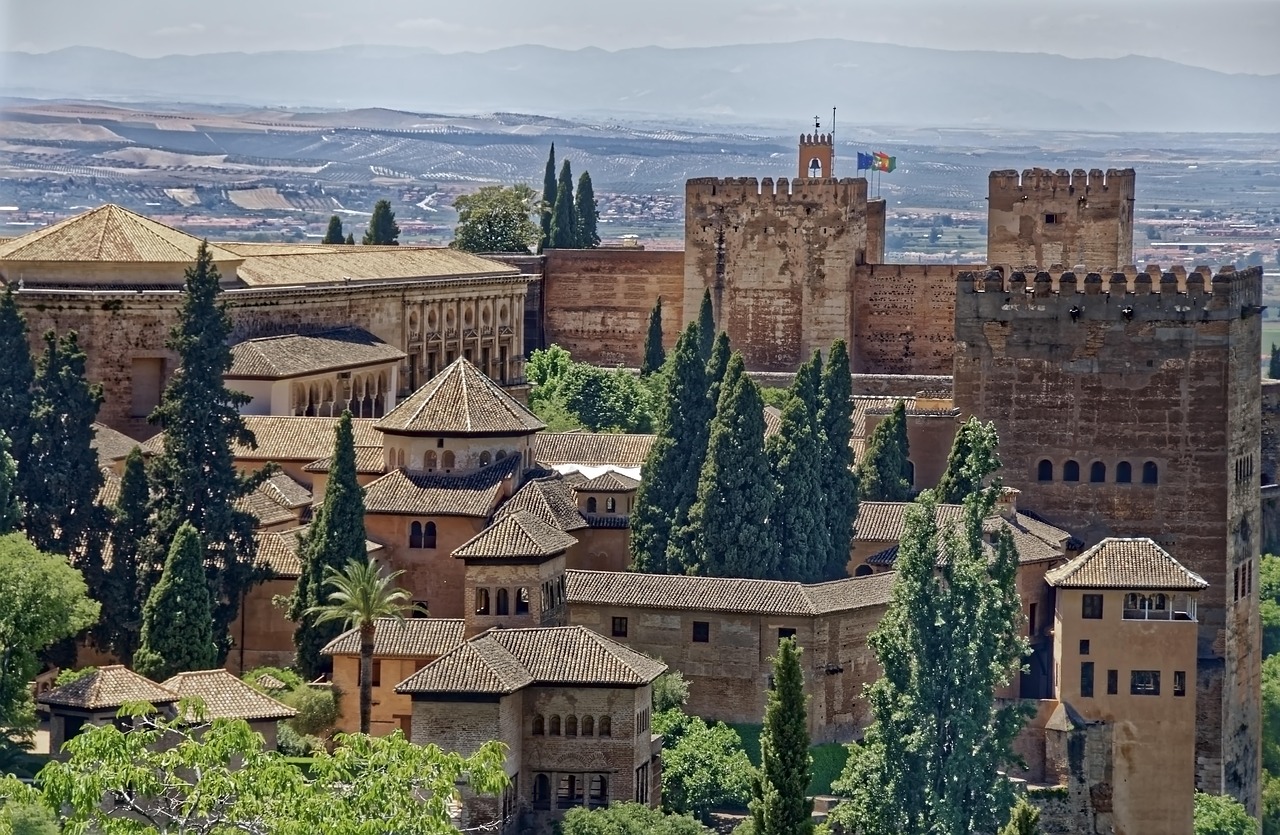
You cannot leave Granada without seeing the Alhambra. It is not just a palace; it is a poem written in stucco and tile. You MUST book your tickets online, months in advance for 2026. The demand is immense. There are different ticket types. The “Alhambra General” gives you access to the Nasrid Palaces, the Generalife Gardens, and the Alcazaba fortress. This is the one you want.
Your entry time for the Nasrid Palaces is strict. You cannot be late. Give yourself at least 3-4 hours to explore the whole complex. Start with the Alcazaba for the views and the military architecture. Then, descend into the Nasrid Palaces. This is the jewel. The intricate stucco work, the wooden ceilings, the courtyards with their reflecting pools… it’s a level of artistry that is almost impossible to comprehend. The Court of the Lions is, of course, the star, but don’t miss the Hall of the Two Sisters, with its breathtaking dome of star-shaped tiles (muqarnas).
After the palaces, walk through the Generalife, the summer palace and gardens. It’s a relief from the dense architecture of the palaces, with its fountains, flowerbeds, and long, green vistas. It’s a place to breathe, to contemplate, to let the sheer scale and beauty of what you’ve seen sink in.
Lunch: A Break from the Tourist Trail
After the Alhambra, you’ll likely exit near the Plaza Nueva or the Gran Vía de Colón. Avoid the restaurants right on the main squares; they’re overpriced and mediocre. Instead, duck into the streets of the Realejo, the old Jewish quarter, which is full of life and great food.
A fantastic modern option is La Finca (Calle Jardines, 16). It’s a bit more of a gastropub vibe, with excellent burgers (the “Maturro” is a local legend), creative tapas, and a great selection of craft beer. It’s a perfect place to decompress after the sensory overload of the Alhambra. For a more classic experience, head to Bar Reca (Calle Recogidas, 17), a simple bar known for one of the best free tapas in the city: their legendary tortilla.
Afternoon: The Cathedral Revisited and Shopping
You saw the Cathedral from the outside; now go in. It’s vast and bright, a stark contrast to the dim, mystical interiors of the Alhambra. The main draw is the light that floods through the enormous stained-glass windows. Afterward, wander through the Alcaicería, the old silk market. It’s a tiny, dense network of streets now filled with souvenir shops. It’s touristy, but the architecture is beautiful and it’s fun to haggle for a leather bag or a set of ceramic bowls.
For a final dose of local life, sit for a while in Plaza Bib-Rambla. It’s a wide, open square often filled with street performers and families. Grab a fresh orange juice from a stand and just watch the world go by. This is the real Granada—the one that exists between the monuments.
Evening: The Grand Tapas Crawl Finale
Your final night is a celebration. You know the city better now. You know the rhythm. Tonight, you mix the old with the new.
Start in the Plaza de la Independencia. Go to Bar Abaco (Calle de los Mesones, 5). It’s a beautiful bar with a courtyard, famous for its elaborate, architectural tapas. One drink, one magnificent creation. From there, head into the heart of the old town. Your mission is to revisit your favorites or try a new one.
Try La Tana (Calle Verónica de la Magdalena, 21), a tiny wine bar with incredible quality tapas. They have a great selection of Spanish cheeses, cured meats, and seasonal specials. It’s a more sophisticated palate cleanser. Then, perhaps, one last wild night at Los Diamantes for that chaotic, celebratory feel. Or, for something different, find a bar specializing in montaditos (small sandwiches), like Bodegas Castañeda (Calle de Almireceros, 1), a classic, bustling spot with barrels of sherry lining the walls.
The goal is to end up, around 1:00 AM, perhaps back in Plaza Nueva or in the Plaza de la Trinidad, listening to a street musician, feeling the cool night air on your face, full of good food, good wine, and the lingering echo of a guitar. You’ll have walked miles, eaten dozens of plates, and felt the fire of flamenco. You’ll have captured the rhythm of Granada.