
Granada & Córdoba Itinerary 2026: The Soul of Andalusia
The light in Andalusia has a quality that defies physics. It’s not just sunlight; it’s a physical presence, a thick, honeyed substance that pours over Roman ruins and Moorish arches, pooling in the courtyards of hidden homes. It’s the light that Picasso tried to capture, the light that made Federico García Lorca write poetry about blood and earth. Traveling here in 2026 isn’t about checking off a bucket list; it’s about stepping into a living, breathing palimpsest of history, where the scent of orange blossom hangs heavy in the air, and the echo of a flamenco singer’s cry bounces off walls that have stood for a thousand years.
If you are planning a trip to Granada and Córdoba for the coming year, you are choosing the heart of the matter. You are bypassing the coastal crowds for the deep, spiritual interior of Spain. This is a land of contradictions—where Christian kings built palaces on top of Islamic ones, where the tapas are free (if you know where to look), and where time seems to slow down just enough for you to actually taste your life.
Here is a guide to navigating these two jewels, whether you have three days to burn or five days to sink into the rhythm of the Andalusian soul.
The Logistics of 2026: A Note on Traveling Now
Before we wander the alleyways, let’s talk practicalities for the year ahead. Spain is aggressively modernizing its tourism infrastructure. By 2026, the high-speed rail network (AVE) will be even more robust, making the connection between cities seamless. However, the most critical piece of logistics remains the Alhambra ticket.
If 2025 taught us anything, it’s that the "last-minute" Alhambra ticket is a myth. For 2026, you must book your entry to the Nasrid Palaces 3 to 4 months in advance. If you are traveling in summer, make it six. The new booking platform is user-friendly but unforgiving. Also, the "no-car" itinerary is not just possible; it is recommended. Parking in Granada’s Albaicín is an Olympic sport I refuse to participate in. The buses are reliable, and your legs will thank you.
The 3-Day "Whirlwind of Emotion" Itinerary
Best for: Weekend warriors, tight budgets, and those who thrive on adrenaline.
This itinerary is intense. It requires good walking shoes and a high tolerance for sensory overload.
Day 1: Granada – The Albaicín and the Sunset
Morning: The Alhambra (The Main Event)
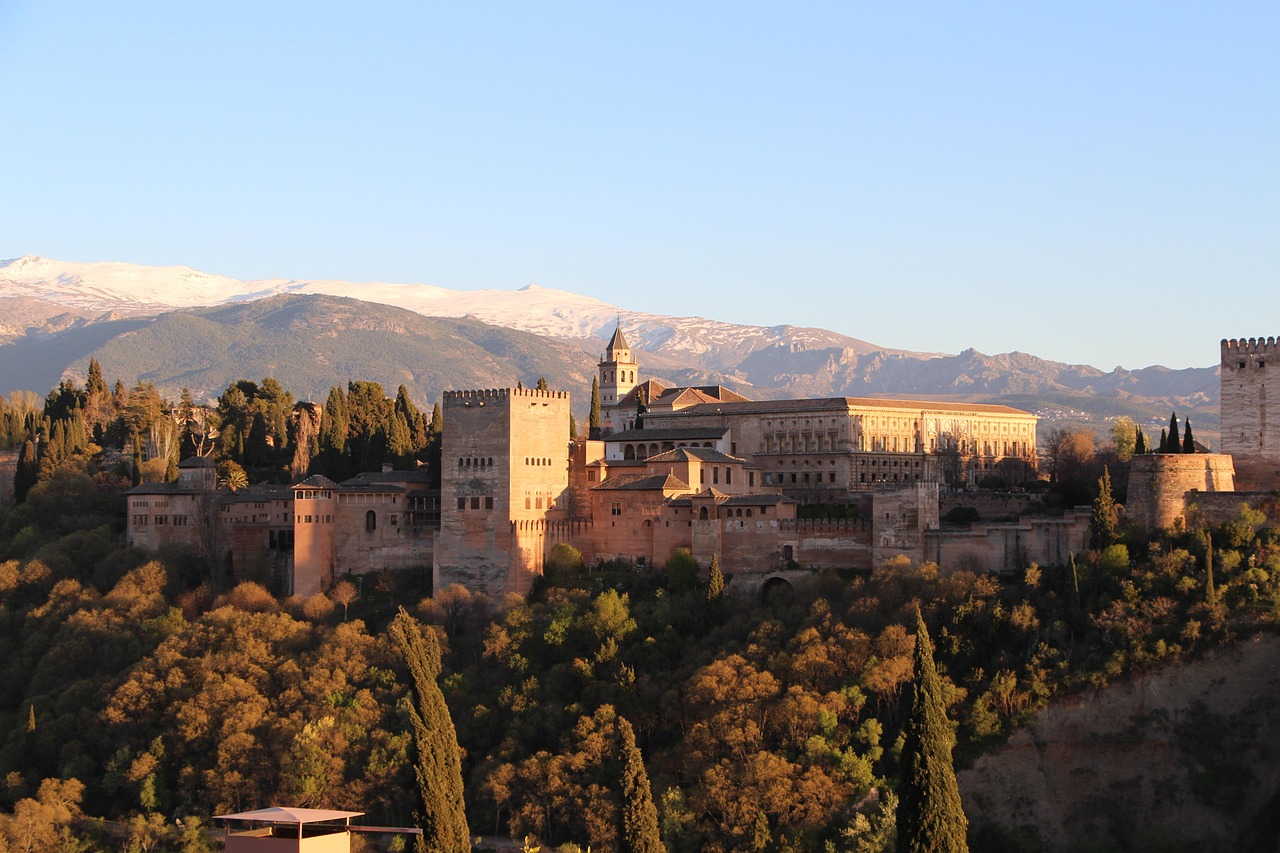
Start your trip with the heavyweight champion. Book your Nasrid Palaces slot for 9:00 AM (the first slot of the day). There is a specific magic to walking through the intricate stucco arches while the morning air is still crisp. The Alhambra is not a museum; it is a frozen dream. Run your fingers over the "Muqarnas" honeycomb ceilings in the Hall of the Abencerrajes. Stand in the Court of the Lions and imagine the water flowing that hasn't flowed for centuries.
Address: Calle Real de la Alhambra, s/n, 18009 Granada.
Hours: Typically 8:30 AM – 8:00 PM (Summer), 8:30 AM – 6:00 PM (Winter). Closed January 1st and December 25th.
Afternoon: The Dive into the Albaicín
Exit the Alhambra and take bus C30 or C32 down to the Plaza Nueva. Walk up into the Albaicín, the old Moorish quarter. It is a labyrinth of narrow, winding streets (called cármenes) designed to confuse invaders (and tourists). Don't look at a map. Get lost. Find the Carrera del Darro, a street that runs along the river, passing ancient arches and crumbling facades.
Evening: The Mirador de San Nicolás
This is non-negotiable. Head to the Mirador de San Nicolás for sunset. Yes, it’s crowded. Yes, it’s worth it. Watching the Alhambra turn from gold to pink to deep purple against the backdrop of the Sierra Nevada snow-capped mountains is a religious experience. Grab a beer or a tinto de verano from a local vendor and join the communal hush of the crowd.
Address: Plaza de San Nicolás, 18010 Granada.
Hours: Open 24/7 (best 1 hour before sunset).
Day 2: Córdoba – The City of the Caliphs
Morning: The High-Speed Dash
Take the early AVE train from Granada to Córdoba (approx. 1 hour 20 mins). The landscape shifts from rugged mountains to rolling olive groves.
Address: Estación de Granada, Plaza de la Constitución, s/n.
Hours: Trains run frequently starting around 6:00 AM.
Midday: The Mezquita-Catedral
Drop your bags at your hotel and go straight to the Mezquita. This is the architectural heart of the world. You walk in expecting a church and find yourself in a forest of red-and-white striped arches. It was built as a mosque, converted to a cathedral. The juxtaposition is jarring and beautiful.
Address: Calle del Cardenal Herrero, 14003 Córdoba.
Hours: 8:30 AM – 6:00 PM (Mon-Sat), 8:30 AM – 11:30 AM & 3:00 PM – 6:00 PM (Sun). Note: Visiting hours change during mass times.
Afternoon: The Jewish Quarter & Patios
Wander into the Judería (Jewish Quarter). Look for the Calleja de las Flores, a narrow alleyway that frames the Mezquita perfectly in flowers. Visit the Synagogue of Córdoba (one of the few remaining in Spain from that era).
Evening: Salmorejo and Sunset by the Roman Bridge
Head to Taberna Salmorejo (Calle Romero, 15) for an authentic dinner. Order the salmorejo (thick, cold tomato soup) and flamenquín. Afterward, walk to the Roman Bridge (Puente Romano) to watch the bats flit around the Torre de la Calahorra as the sky turns orange.
Address: Puente Romano, 14003 Córdoba.
Hours: Open 24/7 (best at dusk).
Day 3: The Deep Dive & Return
Morning: The Alcázar de los Reyes Cristianos
Before heading back to Granada (or Seville), visit the Alcázar. Its gardens are a masterpiece of symmetry and water features. It was where Columbus met Queen Isabella and King Ferdinand.
Address: Plaza Campo Santo de los Mártires, s/n, 14003 Córdoba.
Hours: 8:30 AM – 6:00 PM (Closed Mondays).
Afternoon: The Return
Take a mid-afternoon train back to Granada to connect to your next destination or fly out.
The 5-Day "Slow Travel & Immersion" Itinerary
Best for: Foodies, photographers, families, and those who want to breathe.
This itinerary allows for mistakes, for lingering coffees, and for tapas crawls.
Day 1 & 2: Granada (Expanded)
Repeat the first two days of the 3-day plan, but add these specific gems:
Add-on to Day 1: Sacromonte Caves
After the sunset at San Nicolás, take a taxi or walk up further to the Sacromonte neighborhood. This is the traditional Roma (Gitano) quarter, famous for cave dwellings. Book a show at Cueva de la Rocío or Cueva de la Rocio (Tablao Flamenco).
Address: Cuesta del Chapiz, 18010 Granada (approximate location for the area).
Hours: Shows usually start at 8:00 PM or 10:00 PM.
Add-on to Day 2: The Arab Baths (El Bañuelo)
Hidden under a church, these are some of the best-preserved Arab baths in Spain. They are atmospheric and quiet.
Address: Carrera del Darro, 31, 18003 Granada.
Hours: 10:00 AM – 5:00 PM (Closed Mondays).
Day 3: Córdoba (The Essentials)
Follow the Day 2 itinerary of the 3-day plan, but take your time. Sit in the Plaza de las Tendillas and people-watch.
Day 4: Montilla-Moriles Wine Country (Day Trip)
Córdoba isn't just about history; it's the capital of Montilla-Moriles wines. Since you aren't driving (per the "no car" request), take a guided tour or a local bus to the town of Montilla.
Activity: Visit a bodega like Bodegas Toro Albalá or Bodegas Pérez Barquero. Taste the Fino and Amontillado sherries. This is dry, nutty, complex wine—fuel for the locals.
Day 5: The "Three Cultures" Day in Granada
Return to Granada for a final day to explore what you missed.
Morning: The Cathedral & Royal Chapel
The resting place of the Catholic Monarchs. It’s stark, Gothic, and imposing—a stark contrast to the Alhambra.
Address: Gran Vía de Colón, 30, 18001 Granada.
Hours: 10:00 AM – 6:30 PM (Mon-Sat), 11:00 AM – 6:30 PM (Sun).
Afternoon: Carmen de los Mártires
A short walk from the Alhambra, this is a Victorian mansion with a garden that feels like the Secret Garden. It’s romantic, overgrown, and has peacocks roaming free.
Address: Cuesta de Gomérez, 8, 18009 Granada.
Hours: 10:00 AM – 6:00 PM (Winter), 10:00 AM – 8:00 PM (Summer).
Special Thematic Itineraries
The "No Car" Itinerary (Logistics Deep Dive)
Granada and Córdoba are incredibly walkable, but the hills in Granada are brutal.
- Granada: Use the ALHAMBRA BUSES (C30, C32, C35). They run every 8-10 minutes and hit all the major tourist spots. Buy a multi-journey card (Carto) at any kiosk.
- Córdoba: The train station is a 15-minute walk to the center. Once there, everything is flat and walkable.
- Inter-city: The Renfe AVE is the only way to go. It drops you right in the city centers. Book "Promo" fares well in advance for huge savings.
The "With Kids" Itinerary
Traveling with children changes the pace, but Spain is very kid-friendly.
- Granada: Skip the long lines at the Alhambra by booking a "Garden and General Area" only ticket for the afternoon, and spend the morning at Parque de las Ciencias (Science Museum). It’s interactive, has a planetarium, and a butterfly house.
Address: Av. de la Ciencia, s/n, 18006 Granada. Hours: 10:00 AM – 6:00 PM. - Córdoba: The Andalusian Patios are like a real-life maze. Let the kids lead the way (within sight). Also, the Mural of the Guadalquivir (near the river) is a giant, colorful painted wall that kids love to look at.
- Food Hack: Churros con chocolate is the ultimate kid-magnet. Go to Café Fútbol in Granada for a classic setting.
The 2026 Christmas Markets Itinerary
Visiting in December is a treat. The air is crisp, and the Christmas Markets (Mercados de Navidad) pop up.
- Granada: The main market is in the Alcaicería (the old silk market). It’s tiny but atmospheric. The lights on the Gran Vía are stunning.
- Córdoba: The Plaza de las Tendillas hosts a larger market with a small ice rink.
- Must-Do: On December 22nd, watch the El Gordo (The Fat One) lottery draw on TV in a local bar. It’s a national obsession.
- Food: Look for Turrón (nougat) and Pestiños (honey-fried pastries).
The Budget Itinerary (3 Days)
Andalusia is one of Europe's best budget destinations.
- Accommodation: Stay in Hostal Atenas in Granada (basic, central) or Pensión Río in Córdoba. Expect to pay €50-€70/night.
- Food: The secret is Tapeo. In Granada, buy a drink (€1.50 - €2.50), and you get a free tapa. Hop three times for a full meal. In Córdoba, portions are larger; share a ración between two.
- Free Entry: The Alhambra Gardens (without the Nasrid Palaces) are free on Sunday afternoons. The Cathedral of Granada is free during mass times (but you can't wander). The Mezquita-Catedral of Córdoba is free Monday to Saturday 8:30 AM – 9:30 AM (and Sunday morning, but it's crowded with worshippers).
The Sensory Checklist: What to Eat and Drink
You cannot leave these two cities without tasting the specific terroir.
In Granada:
- Habas con Jamón: Broad beans with cured ham. Simple, salty, perfect.
- Tortilla del Sacromonte: A heavy omelet with brains and offal. For the brave.
- Drink: Cerveza con limón (Beer with lemon soda) or Vino de la tierra (local table wine).
In Córdoba:
- Berenjenas con Miel: Fried eggplant drizzled with cane honey (miel de caña). The sweet and savory crunch is addictive.
- Rabo de Toro: Oxtail stew. Slow-cooked until it falls off the bone.
- Drink: Montilla-Moriles. Ask for a Fino (dry) or Pedro Ximénez (PX) (sweet, syrupy, pour it over vanilla ice cream).
Final Thoughts on 2026
The world is moving fast, but Granada and Córdoba insist on moving at the speed of a walking horse. In 2026, you might see more solar panels on the roofs of the white houses, and you might pay for your tapas with a digital wallet, but the essence remains.
The goal of this itinerary isn't just to see stones and mortar. It’s to understand the "Convivencia"—the period when Muslims, Jews, and Christians lived side-by-side. You can feel it in the architecture, in the flavor of the food, and in the faces of the people. It’s a reminder that beauty often comes from complexity, from the mixing of cultures.
So, pack light, bring your best walking shoes, and leave room in your suitcase for a bottle of sherry. The light is waiting for you.