
The dust of the Camino de Santiago, once the exclusive domain of the devout and the footsore, has settled into the collective consciousness of the modern traveler. We know the rhythm of the Spanish yellow arrow: the pre-dawn rustle of nylon tents, the communal clatter of espresso cups, the singular, hypnotic focus on the next marker, the next blister, the next albergue. It is a beautiful, transformative machine. But for those of us who have walked it, or for those who look at the maps of 2026 and feel a pull toward something quieter, something perhaps a little wilder or a little more obscure, the question arises: where next?
The spirit of pilgrimage—the act of moving through a landscape with intention, trading the currency of your own sweat for a clearer view of the world and your place in it—is not confined to a single path in Spain. It is a human current that has flowed across continents for centuries. In 2026, as we seek not just to travel but to truly connect, these alternative routes offer a chance to step into a story that is less crowded, but no less profound. Here are seven pilgrimage routes that offer the same magic, but in a different key.
1. The Via Francigena: An Italian Feast for the Soul
If the Camino is a rustic loaf of bread, the Via Francigena is a multi-course meal. Stretching from the Great St. Bernard Pass in the Swiss Alps all the way to the heel of Italy’s boot in Puglia, this ancient highway was once the primary route for medieval pilgrims heading to Rome. To walk it is to walk through history, but a history that smells of truffles and espresso.
I remember my first taste of this route not in Italy, but just over the border in Switzerland. The air was thin and crisp, smelling of pine and damp earth. The path, a Roman road paved with stones worn smooth by a millennium of sandaled feet, ox-drawn carts, and hobnailed boots, felt less like a trail and more like a time machine. You leave the silent, snow-dusted peaks and descend into the rolling hills of Aosta Valley. The rhythm here is different. It’s less about mileage and more about indulgence. You don’t just walk to the next town; you walk to the next meal.
The villages of Piedmont and Tuscany are not just stopovers; they are destinations. I recall stumbling into a tiny trattoria near San Gimignano, my legs heavy with the day’s climb, and being served a plate of pappardelle al cinghiale (wild boar pasta) so rich and fragrant it felt like a benediction. The locals, perhaps less jaded by the constant stream of pilgrims than their counterparts on the Camino, are curious. They will ask where you are from, why you are walking, and will often press a fig or a glass of local wine into your hand. The pilgrimage here is a sensory immersion. The sound of church bells is accompanied by the buzz of Vespas; the sight of a medieval tower is framed by rows of silver-green olive trees.
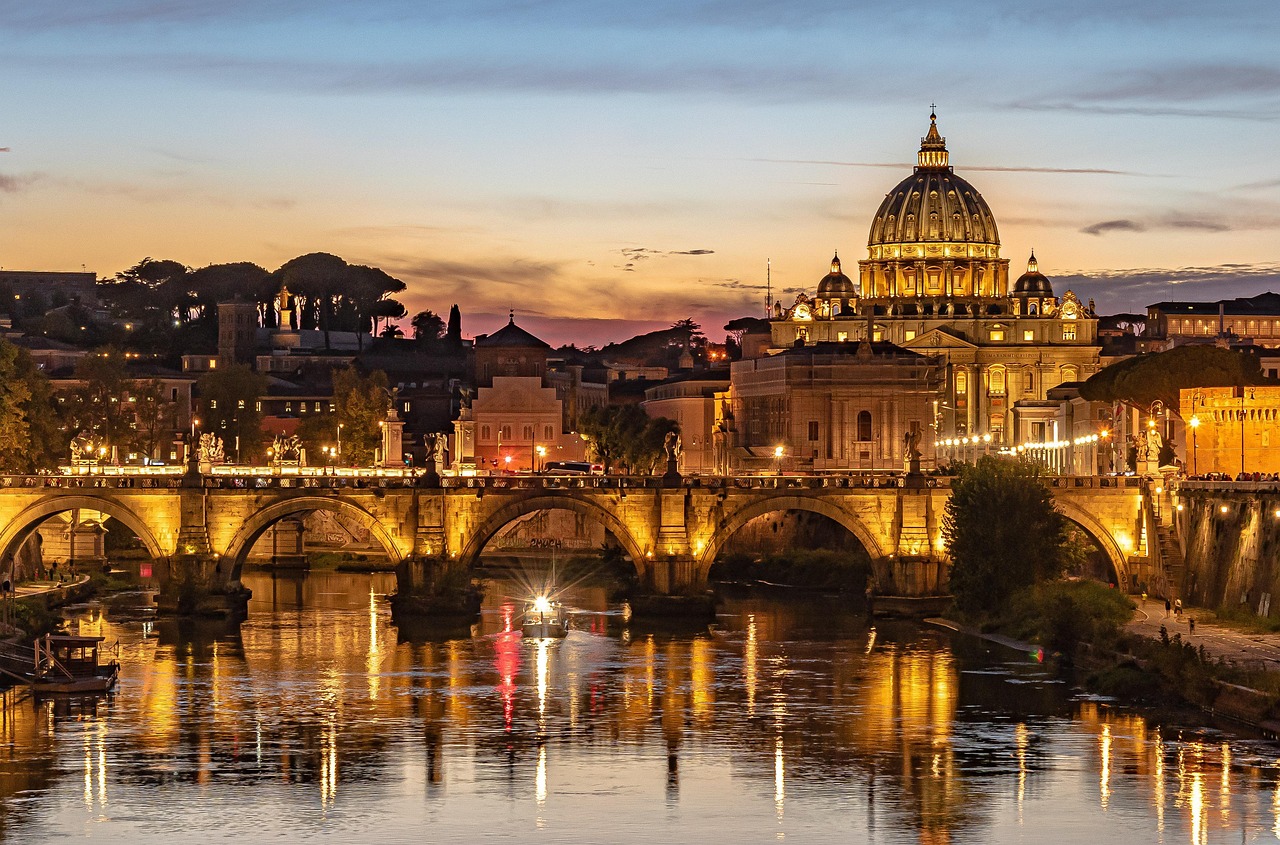
The destination, Rome, offers a finale of immense spiritual and historical weight, but the journey itself is the true reward. It’s a route for the greedy, in the best possible way—a pilgrimage that asks you to gorge on beauty, history, and gastronomy.
Practicalities for 2026:
Address (Start Point): Great St. Bernard Pass, Switzerland (Hospice du Grand-Saint-Bernard). The traditional starting point for modern pilgrims.
Hours/Season: Best hiked from late May to early October. The high Alpine pass is snowbound for the rest of the year. The full route is approximately 2,000 km, but most people tackle it in sections (e.g., the final 100km in Tuscany or Lazio for the "Pilgrim's Credential").
More than 500 characters: The Via Francigena is not a single, well-marked path like the Camino. It is a network of medieval roads. In some stretches, like the Via Francigena in Tuscany, the path is impeccably marked with the route's official logo (a stylized shell with a crown). In other regions, particularly in the north, you will need a good GPS app (like the official Via Francigena app or Komoot) and a detailed guidebook. Accommodation is a mix of religious ospedali (pilgrim hostels), agriturismos, B&Bs, and hotels. It is generally more expensive than the Camino, but the quality of accommodation is often higher. Booking ahead is highly recommended, especially in popular towns like San Gimignano or Viterbo. The "Credenziale" (pilgrim passport) can be obtained from various starting points or from the Via Francigena association website and is essential for collecting stamps and staying in some religious hostels. The route is well-served by public transport, making it very flexible for those who wish to walk shorter sections. The food, from fondue in Switzerland to risotto in Lombardy and porchetta in Lazio, is a constant and glorious companion.
2. St. Olav's Way (Olavswegen): The Silent Call of Norway
For those who find spirituality in vast, empty spaces and the humbling power of nature, St. Olav's Way is the answer. This is not a path of social connection; it is a conversation with the self, held in the cathedral of the Norwegian landscape. The main route runs from the capital, Oslo, to the ancient pilgrimage site of Nidaros Cathedral in Trondheim, covering roughly 640 kilometers.
Walking in Norway is a lesson in scale. The forests are ancient and dark, the lakes are like shards of fallen sky, and the mountains are immense, brooding giants. The silence is the first thing you notice. It’s a deep, resonant quiet broken only by the wind, the cry of a distant bird, or the rhythmic crunch of your own footsteps on gravel. I walked a section of the Glomma River trail, and for three days, I saw more reindeer than people.
The trail is a tapestry of different terrains. You’ll walk through deep pine forests, across wide-open agricultural plains, and over high, windswept plateaus. The weather is a character in the story—changeable, dramatic, and capable of delivering four seasons in a single day. One afternoon, I was huddled in a bothy (a small, basic shelter) waiting out a horizontal downpour, sharing a packet of dried reindeer meat with a German hiker, and the next morning, I was walking under a sky of impossible, crystalline blue.
The infrastructure is different, too. The Norwegian Trekking Association (DNT) maintains a network of cabins, from simple self-service huts to staffed lodges. This system fosters a quiet camaraderie. You might not exchange more than a nod with fellow walkers for hours, but in the evening, you’ll share a pot of coffee in the cabin kitchen, drying your socks by the wood stove, a silent understanding passing between you. You are all here for the same reason: to be small in a big world. Trondheim’s Nidaros Cathedral, a Gothic masterpiece, is a stunning reward at the end, a testament to the enduring power of faith in such a formidable land.
Practicalities for 2026:
Address (Start Point): Oslo Cathedral (Oslo domkirke), Norway. The pilgrimage traditionally begins here.
Hours/Season: The main walking season is from mid-June to mid-September. Outside of this, many trails and cabins are inaccessible due to snow and weather.
More than 500 characters: The trail is marked with the official "Olavswegen" logo, but sections can be faint, making a GPS device or a smartphone with the DNT app and downloaded maps essential. The DNT (Den Norske Turistforening) key is your ticket to unlocked self-service cabins, which are the most budget-friendly accommodation option. You must bring your own food, but these cabins are well-equipped with kitchens. For a more comfortable trip, book stays in the staffed DNT lodges or local hotels well in advance, as options are sparse. The route is well-connected by local buses, allowing you to skip less interesting road walks or tackle the route in stages. Weather is the primary challenge; waterproof everything is non-negotiable. Be prepared for biting insects (mosquitoes and ticks) in the forested sections. The trail is suitable for solo travelers, including women, as the culture of hiking in Norway is very safe and respectful, but standard precautions for wilderness travel always apply. It’s a true "unplugged" experience.
3. The Kumano Kodo: Japan's Ancient Forest Path
For a pilgrimage experience that is completely different in rhythm, philosophy, and aesthetic, the Kumano Kodo in Japan is unparalleled. This network of ancient trails through the Kii Peninsula’s mountainous interior has been a sacred route for over a thousand years, used by emperors and peasants alike to visit the three Grand Shrines: Kumano Hongu Taisha, Kumano Hayatama Taisha, and Kumano Nachi Taisha.
To walk the Kumano Kodo is to step into a living fairytale. The path, often paved with moss-covered stones, winds through cedar forests so deep and hushed they feel sacred. You cross babbling streams on charming stone bridges and pass under torii gates that mark the transition from the mundane to the spiritual. The air is thick with the scent of damp earth, cedar, and the faint, sweet smell of incense drifting from small shrines.
The rhythm of the walk is governed by the Japanese concept of yu-me, a moving meditation. It’s a quieter, more internal experience than the social Camino. I recall one evening, after a long day’s walk, lowering myself into an onsen (a natural hot spring) at a traditional ryokan (inn). The steam rose into the cool night air, and the only sounds were the chirping of crickets and the gentle clinking of the innkeeper’s trays. A bowl of perfectly prepared, multi-course kaiseki dinner was served in my room, a culinary art form that honors the seasons. This is the magic of the Kumano Kodo: the pilgrimage is not just on the trail, but in every detail of life.
The physical challenge is real—the endless stone steps can be brutal—but the reward is a profound sense of peace. You walk alongside the faithful, who stop at shrines to clap, bow, and offer a quiet prayer. The path is a dialogue between nature and spirit, and to walk it is to learn a different language of pilgrimage, one of silence, beauty, and reverence.
Practicalities for 2026:
Address (Start Point): Many start in Kii-Tanabe City at the Kumano Hongu Taisha (though it's a long walk, many take a bus to the trailheads). A popular start for the Nakahechi route is at Takijiri-oji.
Hours/Season: Spring (March-May) and Autumn (October-November) offer the most pleasant weather and stunning foliage. Summer is hot and humid, and winter can bring snow to the higher elevations.
More than 500 characters: The main route, the Nakahechi pilgrimage route, is well-marked with the official Kumano Kodo logo, often alongside the international pilgrim waymark. It is part of the UNESCO World Heritage list. Accommodation is a key part of the experience, ranging from simple minshuku (family-run guesthouses) to luxurious ryokans with onsen. Booking is absolutely essential, often months in advance, especially for popular ryokans. The Japan Hiking Mapsite (JH Map) is an invaluable resource. While it's possible to self-guide, using a service like Oku Japan or a local guide can enhance the experience, providing cultural context and handling logistics. Luggage transfer services are available and highly recommended, as you typically only carry a daypack. The "Goshuin" tradition—collecting unique calligraphy stamps at shrines in a special book—is a wonderful way to document your journey. English is not widely spoken in rural areas, so a translation app is helpful.
4. The Via de la Plata: The Wild, Golden Spine of Spain
For the Camino veteran who craves the familiar rhythm of the Spanish trail but wants to escape the crowds, the Via de la Plata (The Silver Route) is the ultimate alternative. This is the longest of the Spanish Caminos, a vast, challenging, and breathtakingly beautiful route that runs from Seville in the south to Santiago de Compostela in the north, covering over 1,000 kilometers.
The Via de la Plata is Spain at its most raw and elemental. The first few days are a sweltering traverse of the dehesa, a landscape of gnarled cork oaks, grazing cattle, and wide-open skies. The heat here is a physical presence, and the towns are few and far between. You feel a true sense of isolation, of being a tiny speck moving across an ancient land. The route follows a Roman road, and you can often see the original stones beneath your feet.
As you move north into Extremadura, the landscape changes. You climb into the rolling hills and oak forests of the Sierra de Gredos, where the air is cooler and the villages are clusters of stone and slate. The sense of history is palpable. You walk through Roman bridges, past Moorish castles, and into cities like Zamora and Salamanca, where the architecture tells a story of clashing and coalescing cultures. Salamanca, with its golden sandstone buildings and vibrant university atmosphere, is a particular highlight. I spent an evening there listening to street musicians in the Plaza Mayor, feeling the city’s intellectual and spiritual energy.
The route splits after Zamora, with many pilgrims taking the more direct Sanabrés variant to Santiago. The climb out of the plains towards Galicia is arduous but rewarding. By the time you reach Galicia, you feel a sense of earned arrival. The final stretch, while still part of a less-traveled route, begins to merge with other paths, and the camaraderie of the trail re-emerges. The Via de la Plata is for the strong, the patient, and the self-sufficient. It offers a deep, solitary immersion into the soul of Spain.
Practicalities for 2026:
Address (Start Point): The main starting point is Seville Cathedral, at the Puerta del Perdón.
Hours/Season: Best to walk in spring (April-June) or autumn (September-October) to avoid the extreme heat of the Andalusian summer and the cold, wet Galician winter.
More than 500 characters: The route is marked with the standard yellow arrows, but due to the low traffic, some can be faded. A reliable GPS track (e.g., on the Wise Pilgrim app or Gronze.com) is essential. The main challenge is the distance between services, especially in the first third of the route. You must carry water and sometimes food. Accommodation is a mix of municipal albergues, private hostels, hotels, and casas rurales. Booking is less critical than on the Camino Francés, but it's wise to call ahead for the smaller villages. The Sanabrés variant is generally considered more scenic but also more challenging than the more direct Ourense route. This is a great route for budget travelers, as it is cheaper than the Francés, but requires more self-sufficiency. It is suitable for experienced long-distance hikers, but solo female travelers should be prepared for long stretches of solitude and plan their stages carefully around accommodation. The sense of space and silence is a huge draw.
5. The St. Magnus Way: Orkney's Coastal Pilgrimage
For a pilgrimage that is truly off the beaten track, look no further than the St. Magnus Way in the Orkney Islands, off the north coast of Scotland. This is a modern route, created in 2017 to mark the 900th anniversary of the death of St. Magnus, the patron saint of Orkney. It is a 90km journey through a landscape of staggering archaeological significance and wild, windswept beauty.
This is a pilgrimage of light and stone. Orkney is a place where history is layered upon itself: Neolithic stone circles sit a stone's throw from Bronze Age burial mounds, which in turn overlook Viking longships and Renaissance palaces. The route follows the coastline, linking the places associated with the life and death of Magnus Erlendsson, a Viking earl known for his piety and mercy.
Walking here is a constant negotiation with the wind. It’s a physical presence that shapes the trees, the grass, and the very mood of the day. The path takes you along dramatic cliffs where seabirds wheel and cry, across sandy beaches the colour of oyster shells, and through fields of vibrant yellow rapeseed. One moment you are walking on a rough track, the next you are stepping through a 5,000-year-old village at Skara Brae.
The destination is the magnificent St. Magnus Cathedral in Kirkwall, a red sandstone marvel known as the "Light in the North." Built by Magnus's nephew, it stands as a testament to his enduring legacy. But the real power of the St. Magnus Way is the sense of connection—not just to a saint, but to the deep, patient timeline of human existence on these islands. It’s a short route, but its density of meaning is immense.
Practicalities for 2026:
Address (Start Point): Birsay, at the Earl's Palace and the tidal church of St. Magnus. This is where Magnus was first buried.
Hours/Season: The best time is May to September, when the days are long (it stays light until nearly midnight in midsummer) and the weather is most clement. The Orkney winds are a year-round feature.
More than 500 characters: The route is marked with a distinctive logo (a stylized wheel with a cross) but can be faint in places. A map and GPS are highly recommended. The terrain is generally flat but can be boggy and exposed. Waterproof boots and layers are essential. Accommodation is a mix of B&Bs, guesthouses, and a few self-catering options. It is crucial to book well in advance, as capacity is limited. There is a local bus service that can be used to connect different sections. The route is suitable for most fitness levels, but the daily distances can be flexible. The unique selling point is the combination of spiritual journey and world-class prehistoric sites. You are walking through a living museum. The "pilgrim passport" can be obtained from the VisitOrkney website or local tourist offices to collect stamps. It’s a pilgrimage that nourishes the mind as much as the spirit.
6. The Israel National Trail (INT): A Walk Through the Bible
For a pilgrimage that is epic in scale and biblical in its resonance, the Israel National Trail offers a journey unlike any other. While not exclusively a pilgrimage route, it incorporates many of the country's most significant spiritual and historical trails. To walk a section of it is to walk through the very landscape where the stories of Judaism, Christianity, and Islam were born.
The INT is a tapestry of contrasting landscapes. One day you might be hiking the arid, red-rock canyon of the Negev Desert, feeling the blistering heat and the profound silence of the wilderness. The next, you could be walking through the lush, green Galilee in the north, with the scent of wildflowers and the sound of birdsong. The trail famously passes through Jerusalem, a city holy to three faiths, where the weight of history is palpable in every stone.
Walking here is a deeply moving, and at times challenging, experience. It is a pilgrimage through a living, breathing, and complex land. You will encounter ancient ruins, Byzantine churches, and Bedouin encampments. You will walk along the shores of the Sea of Galilee, where Jesus is said to have walked on water, and climb the hills that King David once roamed. The trail is marked in the distinctive Israeli trail-blaze: three parallel stripes (white, blue, orange).
The INT is not for the faint of heart; it is a serious long-distance trail with rugged sections and extreme heat. But for those with a sense of adventure and a desire to connect with the roots of Western faith, it is an unparalleled opportunity. It is a pilgrimage that engages not just the spirit, but also the body and the mind in a profound dialogue with a land that is ancient and eternally contested.
Practicalities for 2026:
Address (Start Point): The trail has two main starting points. The southern start is at the Gulf of Eilat (Red Sea), and the northern start is at Dan, near the Lebanese border. Many choose to hike the northern section (Galilee) or the desert sections separately.
Hours/Season: October to April is the only feasible time for most hikers. The summer months (May-September) are dangerously hot, especially in the desert and south. The desert section is best tackled from November to February.
More than 500 characters: The trail is marked with the three stripes, but navigation requires a detailed guidebook (like the "Israel National Trail Guidebook" by Danny Herman) and a GPS app (e.g., Israel Hiking Map). Water is the single biggest logistical challenge. You must plan your stages around water caches and natural sources, and carry a significant amount. The trail offers a wide range of accommodation: official campsites, wild camping (in permitted areas), hostels, kibbutz guesthouses, and hotels in towns. Shabbat (the Jewish Sabbath, from Friday sundown to Saturday sundown) must be factored into your plans, as public transport and many services cease. The trail is well-served by sheruts (shared taxis) and buses, making it easy to access trailheads. For solo female travelers, it is generally safe, but it's wise to avoid hiking isolated desert sections alone. The cultural experience of staying on a kibbutz or in a Bedouin tent is a highlight.
7. The Lycian Way: Turkey's Coastal Treasure
Blending the line between pilgrimage and epic adventure, the Lycian Way on Turkey's Turquoise Coast is a route of stunning beauty and historical depth. While not a traditional Christian pilgrimage, it follows ancient paths through the Lycian region, a land of rugged mountains and spectacular coastline dotted with well-preserved tombs, amphitheaters, and ruins.
To walk the Lycian Way is to feast on views. The trail constantly undulates between pine-scented mountains and sapphire-blue sea. One minute you are scrambling over Roman paving stones, the next you are descending a steep path to a perfect, empty cove for a swim. The sense of history is ever-present. You will walk past the magnificent tomb of Amyntas in Dalyan, explore the ghostly ruins of Olympos, and climb up to the acropolis of Phaselis. This is a pilgrimage for the senses—the taste of salty sea air, the scent of wild thyme, the feel of sun-warmed stone, the sight of the Mediterranean stretching to the horizon.
The route is challenging. The ascents and descents can be relentless, and the Turkish sun is fierce. But the reward is a profound sense of freedom and discovery. Evenings are spent in simple, welcoming pansiyons (guesthouses) or camping by the sea, eating grilled fish and fresh salads. The hospitality of the Turkish people is legendary; you will often be offered tea or a meal by locals who have no expectation of reward.
This is not a pilgrimage with a single, holy destination. The destination is the journey itself, the act of walking through this ancient, beautiful land. It’s a pilgrimage that connects you to the long history of human settlement on this coast, to the power of the sea, and to the simple joy of moving through a beautiful world under your own power.
Practicalities for 2026:
Address (Start Point): The trail officially starts at Ölüdeniz (near Fethiye), at the Kabak Belen sign, but many start from the more accessible town of Hisarönü.
Hours/Season: The best times are spring (April-June) and autumn (September-November) to avoid the intense heat of summer and the cold of winter.
More than 500 characters: The Lycian Way is marked with the standard Red & White stripes of Turkish trails, but the markings can be sparse. A good guidebook (Kate Clow’s "Lycian Way") and GPS tracks are indispensable. The trail is well-serviced by local dolmuş (shared minibuses), which can be used to skip difficult sections or access trailheads. Accommodation is plentiful in the form of family-run pansiyons, which are very budget-friendly and often offer packed lunches for a small fee. Wild camping is possible in many areas, but always ask for permission. Water sources can be unreliable, especially in the hotter months, so carrying enough is critical. The route is suitable for experienced hikers, but the stages can be adjusted for varying fitness levels. It is a fantastic option for a more adventurous, independent pilgrimage that offers a rich blend of history, nature, and culture.
Choosing Your Path in 2026
The beauty of these seven routes is that they offer a different question for the modern pilgrim. The Via Francigena asks, "How much beauty can you hold?" St. Olav's Way asks, "Can you be comfortable in your own silence?" The Kumano Kodo asks, "Can you find the sacred in the details?" The Via de la Plata tests your resilience, the St. Magnus Way your sense of wonder, the Israel National Trail your endurance, and the Lycian Way your spirit of adventure.
The call to pilgrimage is not a call to a specific place, but to a specific state of being. It is the desire to strip life down to its essentials—walk, eat, sleep, repeat—and see what emerges. In 2026, the paths are waiting, less trodden but no less meaningful. They promise blisters and beauty, solitude and connection, doubt and revelation. All you have to do is take the first step.