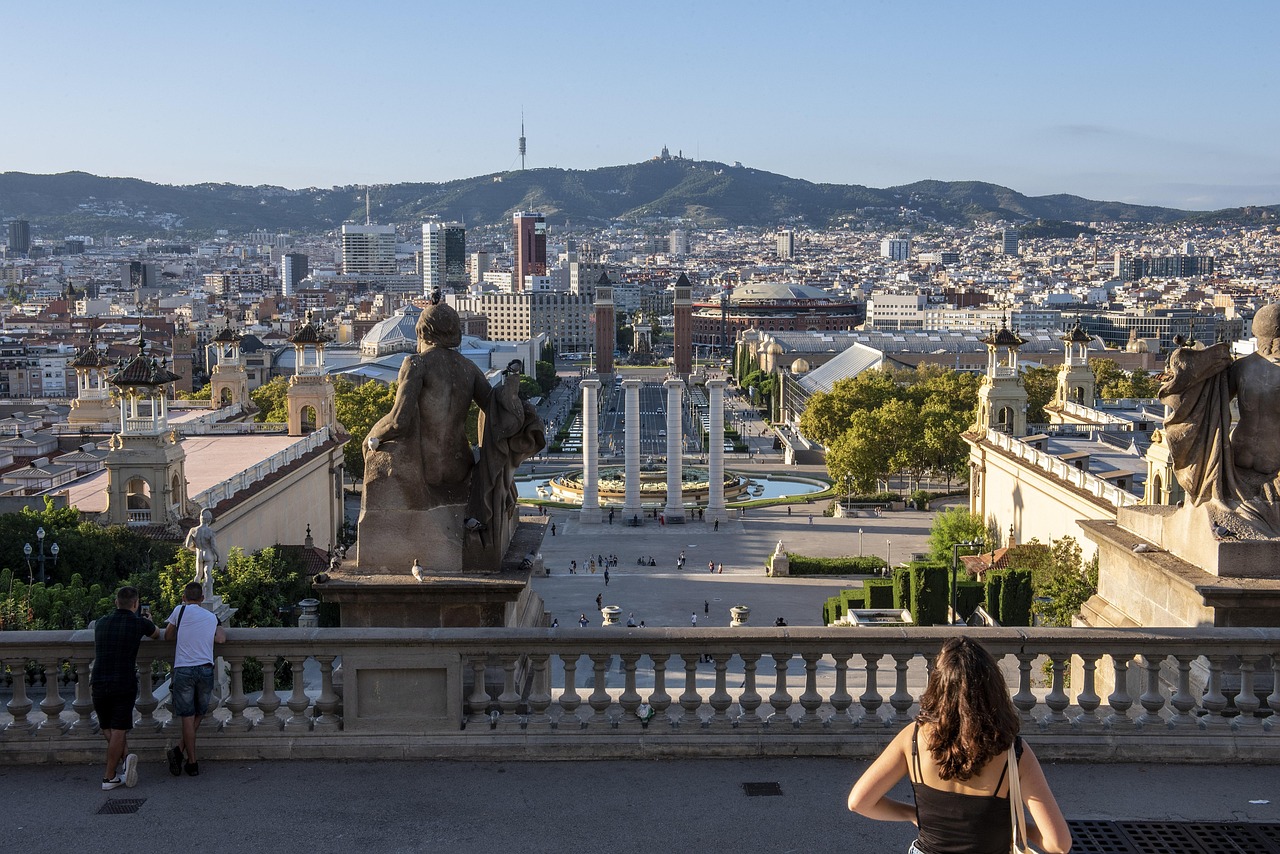

There is a version of Barcelona that exists only in the whispers of locals, a city that breathes differently when the crush of peak tourism exhales and steps back. For years, I’ve chased this elusive version of the Catalan capital, not because I dislike the energy of Las Ramblas—there is a time and place for that electric hum—because the soul of this city reveals itself in the quiet corners, in the unplanned conversations, and in the golden light that hits the Gothic Quarter differently when you aren’t jostling for a photo. As we look toward 2026, a year that promises to be bustling with renewed travel vigor, the savvy traveler needs a new playbook. It’s not just about dodging lines; it’s about inhabiting the city rather than consuming it.
If you are planning a trip to Barcelona in 2026, I want to share the dates that will gift you the city back to yourself, and the secrets that will make those days feel like you’ve stumbled into a private invitation.
The Winter Window: January and February 2026
Most travelers look at a calendar and shiver at the thought of January in Spain. They are missing the point. January and February are the secret velvet ropes of Barcelona. Yes, the Mediterranean wind bites a little sharper, and you’ll need a coat, but the trade-off is monumental. You get the masterpieces, the architecture, and the dining scenes without the friction of crowds.
- The Dates: Aim for the second week of January through the first week of March. Avoid the final week of January if there are lingering post-marathon crowds (Barcelona Marathon usually happens in March, but the city starts buzzing with training events earlier). Specifically, February 10–25, 2026, is a sweet spot. The city has recovered from the New Year rush, and the pre-Easter lull is in full effect.
- The Experience: Imagine walking into the Sagrada Família and finding a pocket of silence to actually look up at the ceiling. Imagine grabbing a table at a tapas bar in El Born where the chef has time to chat. The air is crisp, often 45°F to 55°F (7°C to 13°C), perfect for walking.
- What to Do: This is the time for indoor culture and long, boozy lunches. Visit the Picasso Museum when the queues are non-existent. Spend an afternoon in the Palau de la Música Catalana; the light filtering through the stained glass feels more intimate in winter.
- The Secret: Winter is truffle season in Catalonia. Head to the higher-end restaurants like Els Casals in Gràcia or look for specials at Bodega La Puntual near the Boqueria. The menus shift to heavy, comforting stews like escudella i carn d'olla, a dish that locals eat to warm the bones. You aren’t just avoiding crowds; you are eating the food that sustains the soul of the city.
The Late Autumn Miracle: November 2026
If I had to pick one month to recommend to a friend who wants to fall in love with Barcelona, it’s November. The summer heat has finally evaporated, leaving a temperate, sweater-weather paradise. The rains haven't fully set in (usually), and the city’s rhythm slows to a languid, sophisticated beat.
- The Dates: The first two weeks of November are golden. Specifically, November 3–15, 2026. You miss the Halloween tourist spillover and the Thanksgiving rush (which affects flights but not necessarily the city streets as much).
- The Experience: The light in November is photographer’s gold. It washes over the brick of the Güell Palace and softens the edges of Montjuïc. You can stroll the beaches of Barceloneta without the pretense of summer; the beach clubs are closed, leaving only the sound of the waves and the seagulls.
- What to Do: This is prime hiking weather for Tibidabo or Montjuïc. The sweat of July is gone, replaced by brisk air that makes a view feel earned.
- The Secret: Look for the La Castanyada celebrations lingering in early November. While the main festival is November 1st, the markets sell panellets (sweet potato and almond treats) and roasted chestnuts (castanyes) well into the month. Buy a bag from a street vendor, the smell of roasting nuts mingling with the damp autumn leaves—it’s a scent memory you will never lose.
The Shoulder Season Sweet Spot: Late April to Mid-May 2026
This is the "in-between" that everyone fights for. The weather is approaching perfection, but the "high season" pricing and crush haven't fully hit.
- The Dates: April 20–May 15, 2026. This avoids the Easter week chaos (which shifts yearly, but in 2026, Easter Sunday is April 5th, so by late April, the religious holidays are a distant memory).
- The Experience: The jacaranda trees are blooming, painting the avenues in purple. The city is alive, but manageable. You can still get a reservation at the cool spots, but you won't be waiting an hour on the street.
- The Secret: The Rec Comtal walk. Most tourists never leave the main arteries. In spring, this old irrigation canal that runs through the 21st-century city (specifically near the Glòries area) is green and flowing. It’s a slice of rural history right in the urban core, and in late April, it’s a sanctuary of quiet.
Neighborhood Deep Dives: Where to Hide
To truly travel without crowds, you must abandon the "Gaudi Checklist" occasionally and inhabit a neighborhood. Here are three that offer deep immersion.
1. Poblenou: The Industrial Soul Turned Green
Poblenou is the antidote to the Gothic Quarter’s medieval maze. It’s a living, breathing neighborhood where locals live, work, and eat.
Address: Start at the Rambla del Poblenou, 08005 Barcelona, Spain.
Hours: This is a 24/7 residential area, but the magic happens from 8:00 AM to 10:00 PM. The shops open around 9:00 AM, and the bars stay lively until midnight, but the streets are safe and quiet.
The Deep Dive: Poblenou was the engine of the Industrial Revolution in Catalonia, and you can still see the ghosts of factories alongside cutting-edge architecture. Walk down the Rambla del Poblenou, a wide, tree-lined promenade that feels like a village square. It is lined with vermuterías where old men sit with newspapers and glasses of vermouth at 11:00 AM. Visit the Rambla de la Fosa, a narrow alleyway that feels frozen in the 19th century, covered in ivy and laundry lines. The contrast here is striking: turn a corner and you are facing the Torre Glòries, a shimmering glass skyscraper that looks like a blast of water. But in Poblenou, the ground level is human-scaled. Head to Plaça de la Vila to see the old village bell tower, a relic of when this was a separate town. For lunch, avoid the tourist traps on the main drag and find Can Recasens on Carrer del Taulat. It’s a cavern of cured hams and barrels of olives, serving simple bocadillos (sandwiches) that are perfect. In the evening, the beach end of the neighborhood (near Llacuna) fills with young creatives drinking craft beers at La Tieta. It’s raw, authentic, and blissfully devoid of selfie sticks.
2. Gràcia: The Bohemian Village
Gràcia was an independent town until 1897, and it has fiercely maintained its identity. It feels like a small Andalusian village dropped into the middle of Barcelona.
Address: The center is Plaça de la Vila de Gràcia, 08012 Barcelona, Spain.
Hours: The neighborhood is active from 10:00 AM to 11:00 PM. Most shops close for siesta (roughly 2:00 PM to 5:00 PM), which is the perfect time to head to a shaded square with a book.
The Deep Dive: Gràcia is defined by its squares: Plaça del Sol, Plaça de la Virreina, and Plaça de la Vila. These are the lungs of the neighborhood. In 2026, skip the crowded tables at the center of these squares; instead, look for the bars tucked into the ground floors of the 19th-century apartment buildings. The architecture here is distinct—ornate iron balconies and pastel shutters. Walk up to Park Güell early in the morning, but don't enter immediately. Instead, walk the surrounding streets of the Carmel neighborhood. You’ll find the "food market" of Gràcia is a social ritual, not just a transaction. Visit La Pubilla on Plaça de la Llibertat for a set lunch menu (menú del día) that changes daily based on what the chef bought at the market that morning. It’s a temple of slow food. In the evening, find the hidden speakeasy Negroni on Carrer de Torrijos. It has no sign, just a heavy wooden door. Inside, the lighting is low, the jazz is soulful, and the gin tonics are architectural marvels. Gràcia is where you go to feel like you live there.
3. El Raval: The Gritty, Creative Heart
El Raval has a reputation, but the new wave of culture has softened its edges while keeping its edge. It’s the most multicultural neighborhood in Barcelona, and that makes for incredible food and art.
Address: The heart is near the Sant Antoni market, but explore Carrer de Joaquín Costa, 08001 Barcelona, Spain.
Hours: The energy peaks from 12:00 PM to 1:00 AM. It’s a late-night neighborhood.
The Deep Dive: El Raval is home to the MACBA (Museum of Contemporary Art), which draws skaters and art lovers alike. But the secret is the street life surrounding it. Walk down Carrer de la Cera and Carrer de l'Hospital. The streets are narrow, the buildings tall, creating a canyon of shade that keeps the neighborhood cool even in summer. In 2026, the street art scene here is thriving; look for new murals by local artists that pop up on the sides of centuries-old buildings. Food-wise, El Raval is a masterclass in global cuisine. You can find incredible Pakistani food, Filipino breakfast spots, and of course, classic Catalan bars. Visit Bar Muy Buenas on Carrer de Cera. It’s a time capsule from 1926, with tile floors and a waiter who has been there for decades. It serves the best cured meats and cheeses in the area. For a quiet moment, find the Library Francesca Bonnemaison on Carrer de Sant Pau. It’s a women’s library founded in 1909, a sanctuary of calm and history. El Raval is for the traveler who wants to see the friction and fusion of modern Barcelona.
Strategic Secrets for the Crowd-Free 2026 Traveler
Knowing when to go is half the battle. Knowing how to go is the rest. Here are the strategies I use to keep the magic alive.
1. The "Opposite Direction" Rule
When you exit a major metro station or landmark, count to ten. Count the number of people walking in the primary direction (usually following the flow of tour groups). Now, walk the opposite way. If you emerge from the Liceu station and the crowd flows toward Las Ramblas, turn around and walk into the Raval. If you exit the Jaume I stop and the crowd goes toward the Cathedral, walk toward the El Born market. You will find quiet streets, open cafes, and locals within two blocks.
2. The Museum Hack
Barcelona’s museums are free on the first Sunday of the month. Do not go then. Even in low season, that day brings a localized crowd. Instead, check the "late night" hours. The Picasso Museum is free on Thursday evenings from 6:00 PM to 9:00 PM. In the winter, these hours are dark and atmospheric. You get the art and the vibe without the daytime glare. Also, buy tickets for Sagrada Família or Park Güell exactly 30 days in advance at 8:00 AM Barcelona time. This secures the "sunrise" slots (8:30 AM - 9:30 AM) which are the quietest.
3. The Vermouth Ritual
In Barcelona, the "hour" of vermouth is a religion. It happens between 12:00 PM and 2:00 PM. While tourists are hunting for paella (which is a dinner dish, by the way—never eat lunch paella!), locals are sitting at high tables, drinking sweet red vermouth over ice with an olive and a slice of orange. This ritual buys you peace. The streets are quieter because everyone is inside or at the bar. Join them. Go to Bar Electricitat in Barceloneta (Carrer de Sant Carles, 18). It’s an old fisherman’s bar that hasn’t changed in 50 years. Order a "vermut" and a plate of anchovies. You will blend in perfectly.
4. Accommodation Strategy
For 2026, skip the hotels right on Passeig de Gràcia. They are expensive and loud. Instead, book an apartment in Sant Antoni or Poble Sec.
- Sant Antoni: Bordered by the Raval and the Eixample, this area is anchored by a stunning modernista market (Mercat de Sant Antoni). It’s residential, full of young families and students, and has a burgeoning brunch and coffee scene. It’s a 10-minute walk to the center but feels a world away.
- Poble Sec: At the foot of Montjuïc, this neighborhood is hilly and quiet. It’s famous for Carrer de Blai, a street filled with pintxos bars (Basque tapas). You can eat your way down the street for €20. Staying here means you can walk up to the Olympic Stadium or the botanical gardens easily, avoiding the crowded Funicular.
5. The "Menu del Día" Detective
The Menu del Día is a fixed-price lunch menu (usually €12–€18) that is a legal requirement for many restaurants to offer. It’s often the best value in the city. However, the best ones are rarely advertised with big signs. Look for a handwritten chalkboard outside a door that looks like it leads to someone’s living room. If you see a place with no English menu and old men eating inside, you have struck gold. The food will be simple, fresh, and local. This is how you eat like a king on a budget and avoid the tourist-priced a la carte menus.
6. Navigating the Markets
La Boqueria is an assault on the senses. In 2026, it will be crowded. If you want to see it, go at 8:00 AM on a Tuesday. But for the real market experience, go to Mercat de la Llibertat in Gràcia or Mercat de Sant Antoni. These are covered markets where you can buy jamón, cheese, flowers, and fish without fighting through a sea of backpacks. Buy a wedge of cheese, some pa amb tomàquet (bread with tomato), and head to a park.
7. The Night Shift
Barcelona is a late city. Dinner rarely starts before 9:00 PM. If you want to experience the city without the noise of the party crowd, focus on the "tapeig" (the art of tapas hopping). The best places are often standing-room only. In El Born, Bar del Pla is a gem. It’s small, loud with conversation, and serves incredible foie gras and patatas bravas. The crowd here is a mix of locals and in-the-know travelers. It feels exclusive but welcoming. If you want silence, walk the Parc de la Ciutadella after 10:00 PM. The gates stay open, and under the moonlight, the fountains and the zoo perimeter are hauntingly beautiful and safe.
8. The Day Trip Escape
If the city feels like it’s breathing down your neck (even in low season), take a train. But don't go to the obvious spots.
- Sitges is beautiful but can get crowded.
- Instead, go to Vilafranca del Penedès. It’s a 40-minute train ride from Sants station. It’s the capital of Catalan wine. You can walk to historic wineries (caves) like Codorniu or Freixenet right from the town center. It’s a quiet, elegant town with a beautiful medieval quarter and zero tour groups.
- Or, go to Mataró. It’s the first town north of Barcelona on the coast. It has a Roman archaeological site, a beautiful modernista hospital (the first project of Gaudí’s teacher, Puig i Cadafalch), and a beach that locals actually use. It’s real life, not a postcard.
9. The Weather Reality Check
- January/February: Pack layers. It can be sunny and 60°F one day, and 45°F and raining the next. Bring a scarf; it’s the local accessory that makes you look less like a tourist.
- November: Waterproof shoes are a must. The streets can be slick with rain. But the upside is the thermal springs in the area. While not in the city center, you can take a bus to Caldes de Montbui (about 45 mins away) and soak in Roman baths. It’s the ultimate winter retreat.
- Late April/May: Perfect. T-shirt during the day, light jacket at night. The flowers are exploding. It’s the best time for photography.
10. The 2026 Specific: The "Slow Travel" Mindset
In 2026, the world will be moving fast. The best way to avoid crowds is to simply slow down. Don't try to see Gaudí’s 5 major works in 2 days. Pick one. Go to Casa Batlló (book the "Blue" or "Gold" experience early morning), spend two hours there, and then spend the rest of the day wandering the Eixample grid. Look up. The architecture above the storefronts in Barcelona is a museum in itself. If you are in Passeig de Gràcia, ignore the luxury shops at eye level and look at the balconies of Casa Amatller and Casa Lleó Morera.
A Final Word on Dining
I must reiterate: Dinner is late. If you walk into a restaurant at 7:00 PM and it’s empty, it’s because only tourists eat there then. If you walk in at 9:30 PM and it’s buzzing with a waitlist, you are in the right place. To avoid the wait, book tables for 9:00 PM or 9:30 PM a day in advance, or embrace the Spanish habit of "tapeig"—standing at a bar, moving on after a drink and a bite. This keeps you mobile and lets you sample more.
The Secret Ingredient: The People
The greatest secret to avoiding crowds isn't a date or a place; it's an attitude. The Catalan people are warm, proud, and incredibly hospitable, but they have little patience for rudeness. Learn a few words. "Bon dia" (Good morning), "Gràcies" (Thank you), "Si us plau" (Please). Even if you butcher the pronunciation, the effort is noticed. It changes the dynamic. Suddenly, you aren't a consumer; you are a guest. The waiter might recommend the escudella instead of the tourist menu. The shopkeeper might point you to a hidden courtyard.
Summary of Best Dates for 2026:
- Winter: January 10 – March 5 (Avoid Feb 12-14 for Valentine's hotel peaks).
- Late Autumn: November 1 – November 20.
- Spring Shoulder: April 20 – May 15.
Barcelona is a city that rewards the curious and the patient. In 2026, while the rest of the world rushes from landmark to landmark, you will be sitting in a shaded square in Gràcia, eating a panellet bought from a bakery that has been there for a century, watching the city live its life. That is the Barcelona you will never find in a brochure, and the one you will never forget.