There is a specific smell to the places where flamenco still breathes. It’s a layered scent: old wood, dust, the faint metallic tang of spilled wine, and the unmistakable, human heat of a crowded room. It’s a smell that doesn’t travel well. You can’t bottle it for the gift shops on Calle Calderería Nueva. And that, in a way, is the perfect metaphor for the search for authentic flamenco in Granada in 2026.
I remember my first time in the city, two decades ago, a much younger man with a cheap guitar and a head full of romantic notions. I followed a well-dressed couple down a narrow alley, lured by the rhythmic clapping and a poster that promised an "authentic Gypsy experience." We paid our money, sat at a long table, and were served a lukewarm dinner while a show unfolded that felt more like a rehearsal for a cruise ship than a raw, emotional outpouring. The dancers were technically proficient, but their eyes were vacant. The guitarists played the notes, but not the spaces between them. It was a performance. It was not a conversation.
That night taught me a crucial lesson that I’ve carried ever since: in a city like Granada, which wears its history like a shawl, the line between authenticity and a tourist trap is not just thin, it’s porous. And in 2026, with travel more accessible than ever and the desire for "real experiences" marketed as a commodity, that line is more blurred than ever. But it’s not invisible. You just have to know where to look, and more importantly, how to listen.
This isn't just a list. This is a guide born from years of sitting on rickety chairs, of leaning against cool stone walls in caves, of learning the difference between a show for an audience and a shared moment of catharsis. It’s a journey through the heart of what makes flamenco the profound art form it is.
The Anatomy of a "Show" vs. A "Living Room"
Before we dive into specific venues, we need to establish a vocabulary for what you’re experiencing. Granada offers two distinct flavors of flamenco, and understanding the difference is your primary tool for navigating the scene.
The "Show" (Espectáculo)
This is what most tourists encounter first. It’s often located in the more central, accessible parts of the city, particularly around the Albaicín and the Calderería Nueva. Think: a dedicated venue with a stage, professional lighting, a sound system, and often, a package deal that includes a drink or a tapa. The performers are just that—professionals. They arrive, they perform their set with incredible skill, they leave. The audience is an audience. There’s a clear separation. These shows can be spectacular, especially the larger ones like the legendary Cuevas del Sacromonte, which are technically a "show" but in a location so inherently authentic it transcends the label. However, the "show" can also devolve into the tourist trap: the clapping that is just rhythmic noise, the dancer who is going through the motions, the feeling that you are watching a product.
The "Juerga" or "Tablao"
This is the holy grail. The word "tablao" originally meant the wooden platform on which people would stomp in the early days, but now it usually refers to a smaller, more intimate venue. A true "juerga" is an informal, often spontaneous gathering. In a tablaos, this is more structured, but the ethos remains the same. The space is small, maybe only room for 30 or 40 people. There’s no real stage; the performers are often inches from you. The lighting is low. The sound is raw, unamplified or subtly so. The magic here is the feedback loop. The singer (cantaor) holds a gaze with a spectator, the guitarist (tocaor) responds to a cry from the crowd, the dancer’s footwork is a direct answer to the guitar’s flourish. It’s a conversation. The energy is electric, unpredictable, and deeply human. It’s not a performance; it’s a shared event.
Your goal in Granada, in 2026, is to find the Juerga.
The Cradle of It All: Sacromonte
You cannot talk about authentic flamenco in Granada without starting in the caves. Sacromonte, the old Gypsy quarter, clinging to the eastern slope of the Albaicín, is the birthplace of flamenco as we know it. The Romani people who settled here were instrumental in forging the art form, blending their own musical traditions with the Moorish and Andalusian sounds of the region. To see flamenco in Sacromonte is to see it in its ancestral home.
The venues here are famously built into the hillsides—literal caves. The stone walls absorb the sound, the ceilings are low and soot-stained from centuries of firelight. It’s an atmosphere that cannot be recreated.
Cueva de la Rocío
Address: Cuesta del Aire, 9, 18010 Granada, Spain
Hours: Shows typically at 8:30 PM and 10:00 PM daily. Reservations are essential, especially from May to October.
I have a complicated love for Cueva de la Rocío. It is, without a doubt, one of the most famous and also one of the most "show" oriented of the Sacromonte caves. You will see it on every "top 10" list, and for good reason. It’s a spectacular venue, a real cave that can hold several hundred people. The show is polished, professional, and incredibly energetic. The dancers here are often world-class, and the sheer volume of sound bouncing off the rock walls can be breathtaking. Is it a tourist trap? For the purist, perhaps. The seating is tiered like a small amphitheater, the tickets are not cheap, and the applause feels a bit too scheduled.
And yet... I can’t dismiss it. Because sometimes, especially when the house is full and the energy is high, something transcendent happens. I saw a singer here named Juan de la Rosa years ago, a man with a face like a topographical map of hardship. He sang a soleá that didn’t just fill the cave, it seemed to excavate it. For a few minutes, the hundred-plus tourists faded away, and it was just that voice, raw and cracking, echoing the pain and pride of generations. The skill level on that stage is so consistently high that even if the experience feels packaged, the artistry is undeniable. For a first-timer who wants the big, visual spectacle of a cave in a relatively comfortable setting, Rocío is a safe bet. It’s the bridge between the show and the soul. Just know what you’re walking into: a beautiful, powerful, and very popular show.
Cueva de la Ronda
Address: Cuesta del Chapiz, 9, 18010 Granada, Spain
Hours: Shows usually at 9:00 PM and 10:30 PM. Booking ahead is highly recommended.
A short walk further up the hill from Rocío, you’ll find Cueva de la Ronda. It feels different from the moment you approach. It’s smaller, more understated. The "cave" element feels more intimate here, less like a venue and more like a home that has been opened up. The capacity is smaller, and this is key. With fewer bodies, the connection between the artist and the audience is more immediate.
The show at La Ronda is still a "show," but it has more of the spirit of a juerga. The performers often seem more relaxed, more willing to play off each other and the crowd. I’ve seen guitarists here get into dueling solos that felt completely improvised, and dancers who, instead of just executing choreography, would react to the specific energy of the people in the front row. There’s a moment during the bulerías where the clapping gets faster and faster, and you can feel the whole room holding its breath. La Ronda excels at that breathless tension. It’s less of a spectacle than Rocío, but it has a deeper, more resonant heart. If you want the Sacromonte cave experience but with a bit more intimacy and a slightly less tourist-saturated feel, this is a fantastic choice.
The Labyrinth of the Albaicín: Finding a Shadow
The Albaicín, the old Arab quarter, is a maze of narrow, winding streets, whitewashed houses, and hidden plazas. It’s stunningly beautiful and, in the summer of 2026, will be absolutely teeming with life. It’s also the most dangerous neighborhood for flamenco seekers, riddled with places that are designed to separate you from your euros as efficiently as possible.
Look for the places tucked away on side streets, the ones with a single, hand-written sign, the ones you might walk past without noticing. The best spots here are often small, basement-level tablaos.
El Templo del Flamenco (Casa de la Guitarra)
Address: Cuesta de Marañas, 18, 18010 Granada, Spain
Hours: Shows at 7:30 PM, 9:00 PM, and 10:30 PM. It’s a good idea to book online a day or two in advance.
This place is a gem, and it walks a fine line. It’s popular, it’s well-marked, and it caters to tourists. But it does so with a level of integrity that I deeply respect. The venue is a small, stone-walled cellar, and it’s dedicated to the guitar. The shows feature a rotating cast of exceptional tocaors, supported by a singer and a dancer.
What makes El Templo special is its focus. It’s not trying to be a all-encompassing "Gypsy spectacle." It’s a celebration of the guitar, the instrument that drives the entire art form. The shows are structured, explaining the different styles (palos) of flamenco, which can be incredibly educational for a newcomer. The musicians are the stars, and they are phenomenal. You’re close enough to see the calluses on the guitarist’s fingers, the way their whole body tenses to pull a specific, mournful note from the wood and wire. The dancer here is often more restrained, serving as a rhythmic punctuation rather than the main event. It’s a more cerebral, less visceral experience than the Sacromonte caves, but the musicianship is top-tier. It’s a perfect choice for those who want to appreciate the technical complexity and soulful depth of flamenco guitar in a small, respectful environment.
The Old Town (Centro): Where the Locals Go
Venturing beyond the Albaicín, into the grid of the Centro (the main town), you find a different Granada. This is where life happens, where people shop, work, and live. And here, you can find tablaos that feel less like tourist attractions and more like neighborhood joints. These are the places that don’t rely on a famous address or a cave-like structure. They rely on word-of-mouth.
Tablao Flamenco La Moneta
Address: Calle Calderería Nueva, 12, 18009 Granada, Spain (Note: It's in the "Little Morocco" area, but it's a distinct venue)
Hours: Shows at 8:00 PM and 10:00 PM. Booking is essential, as it's small.
Finding La Moneta is part of the fun. It’s on the bustling Calle Calderería Nueva, but you have to look for a discreet doorway. You descend into a cellar that feels like it’s been there forever. The space is tiny, maybe 25 seats. There’s no stage to speak of. The artists are right there with you. This is the epitome of the intimate tablao.
The quality at La Moneta is consistently excellent because they can’t hide. With so few seats, every person in the room is part of the performance. The artists know it, and they feed off that proximity. The show is raw, passionate, and often unpredictable. I remember a night here where the singer, a woman named La Tati, sang a martinete—a style with no guitar, just the rhythm of the hammer on the anvil, which she conveyed with her voice and clapping. The silence in that room was absolute, a collective holding of breath. You could feel the history of the song, the industrial weight of it. This is not a place for a big, flashy performance. It’s for those who want to feel the music vibrate in their chest, to see the sweat on a dancer’s brow, to be so close they could reach out and touch the guitar. It’s one of the most authentic small-venue experiences in the city center.
The Big Guns: The Spectacles
Sometimes, you don’t want a cramped cellar. You want the grandeur, the history, the sheer scale of a performance that is, in its own way, a masterpiece of Andalusian culture. These are the venues that are famous for a reason. They are "shows," but they are shows of a caliber that is hard to dismiss.
Tablao El Cardal
Address: Cuesta de Marañas, 30, 18010 Granada, Spain (located in the Albaicín)
Hours: Shows at 8:00 PM and 10:00 PM. Booking ahead is crucial.
El Cardal is an institution. It’s larger than the intimate tablaos, with a proper stage and excellent acoustics. It’s been running for decades and has hosted some of the biggest names in flamenco. The production values here are high. The lighting is dramatic, the costumes are elaborate, and the performances are tight and powerful.
What sets El Cardal apart from some of the more generic "shows" is its commitment to quality. It’s not a dinner show, which is a huge plus (food is generally a bad idea for an authentic experience; it distracts from the art and is rarely good). You get a drink, and you focus on the stage. The company is large, featuring multiple singers, guitarists, and dancers who rotate, ensuring a dynamic and varied show. The energy is big, designed to fill the space. It’s less about the quiet, intimate moment and more about the powerful, sweeping statement. If you’re with a group, or if you want a guaranteed high-quality performance in a comfortable, purpose-built venue without the risk of a tourist trap, El Cardal is a rock-solid choice. It’s the kind of place you take your parents to when you want them to be wowed by the spectacle of flamenco.
Tablao Flamenco Ana María
Address: Calle del Agua, 6, 18009 Granada, Spain
Hours: Shows at 7:00 PM, 8:30 PM, and 10:00 PM.
Another long-standing legend, Ana María is often mentioned in the same breath as El Cardal. It’s also a larger, more established venue with a reputation for attracting star talent. The setting is beautiful, often a historic building with lovely architecture. Like El Cardal, it offers a polished, professional show that is all about the art on stage.
The experience here is one of classic flamenco elegance. The performances are often more traditional, sticking to the canonical forms (alegrías, soleá, siguiriya) with a mastery that is breathtaking. They have a knack for pairing singers and guitarists whose styles complement each other perfectly, creating a seamless musical conversation. The dancers here are often technicians of the highest order, their footwork precise and powerful. For the visitor who has done a bit of reading on flamenco and wants to see the forms executed with textbook perfection and soulful intensity, Ana María is a superb destination. It’s a place that honors the tradition and presents it with the dignity it deserves.
The 2026 Factor: Timing and Tactics
The year 2026 doesn’t change the fundamental nature of these places, but it does change the logistics. Granada is perennially popular, but post-pandemic travel trends suggest a continued emphasis on unique, book-in-advance experiences. Here’s how to navigate the scene now.
The Season
Flamenco is a year-round affair in Granada, but the experience changes with the seasons. Summer (June-August) is peak. The city is hot, crowded, and vibrant. The tablaos are full, and the energy is high, but you must book weeks in advance for the top spots. The upside is the late sunsets; you can wander the Albaicín at 9 PM in golden light before a show. Spring (April-May) and Autumn (September-October) are arguably the best times. The weather is perfect, the crowds are more manageable, and the atmosphere is relaxed. Winter is a different beast. It can be cold and wet, but the cave venues in Sacromonte are at their most atmospheric, with the potential for a roaring fire and a cozy, intense feeling of communal warmth.
The Time of Day
Most tablaos offer two or three showtimes per night. The earlier shows (around 7:30 or 8:00 PM) are almost always less crowded and often attract a slightly more respectful audience. The later shows (9:30 or 10:00 PM) are the prime-time slots, often busier and with a more energetic, party-like atmosphere. If you’re a serious purist, go for the early show. If you want to feel the buzz, go for the late one.
Booking
In 2026, "we'll just pop in" is a strategy for disappointment. Use the venue’s official website. Avoid third-party resellers where possible, as they often take a large cut and can obscure the final price. Book at least a few days in advance for the smaller venues (La Moneta, El Templo), and a week or two for the big names in high season (Cueva de la Rocío, El Cardal).
The Neighborhoods: Old Town vs. Albaicín
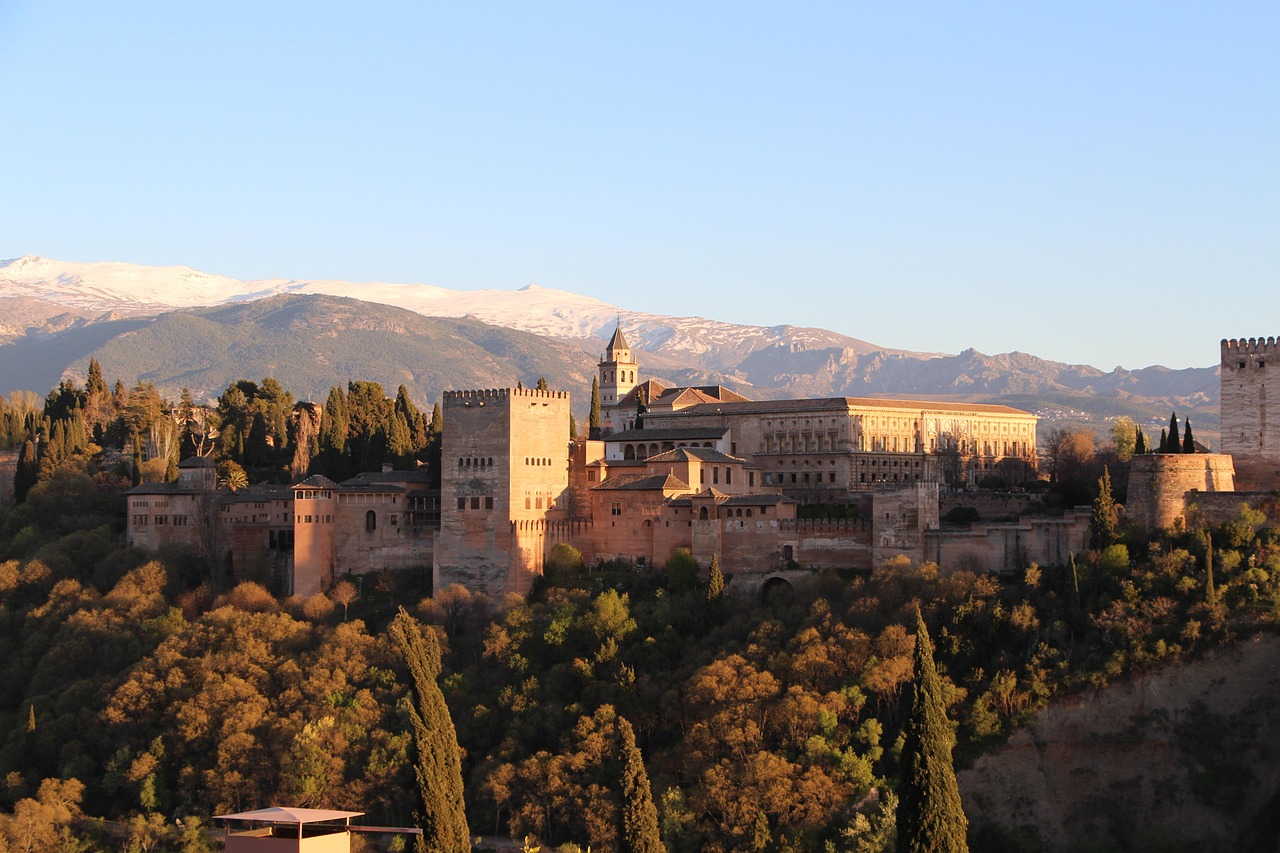
- The Albaicín: The advantage is the setting. A pre- or post-flamenco stroll through the labyrinthine streets, with the Alhambra glowing on the opposite hill, is an experience in itself. The disadvantage is the sheer density of tourist-focused businesses, making it harder to spot the genuine article. You have to be more discerning here.
- The Old Town/Centro: The advantage is the authenticity of daily life. You’re closer to the tapas bars and restaurants where locals eat. The venues here feel more integrated into the city's fabric. The disadvantage is that they can be less visually "romantic" than a cave in Sacromonte. You have to seek them out more deliberately.
The Verdict: A Personal Map
So, where should you go?
If you only have one night and want the iconic, unforgettable "I saw flamenco in a cave in Granada" story, head to Cueva de la Ronda. It offers the best balance of spectacular location and intimate, high-quality performance.
If you want to understand the guitar, to see the soul of the music laid bare by the hands of a master, spend an evening at El Templo del Flamenco.
If you are a purist at heart, who believes that flamenco is best experienced with your knees almost touching the singer’s, then you must, must go to Tablao La Moneta. It’s the real deal, a pocket of raw, unfiltered passion.
And if you want to see the grand, powerful spectacle that flamenco can be, in a venue built for it, with artists at the peak of their powers, book a seat at El Cardal.
The debate between "authentic" and "touristy" will rage on. But perhaps the most authentic thing about flamenco is that it can be all things: a polished spectacle, an educational deep-dive, a raw, spontaneous eruption. The key is to choose your experience with your eyes open, to understand what you’re looking for, and to go in ready to listen not just with your ears, but with your whole heart. That is where the real magic lies. In the listening.
Note: Venue details such as addresses, hours, and performances are subject to change. It is always recommended to check the official venue websites for the most current information and to make reservations in advance, especially for 2026.