There’s a ghost that haunts the cobblestones of Granada. You’ll feel it when the sun dips below the Alhambra, painting the sky in bruised purples and fiery oranges. You’ll hear it in the echo of a single guitar note bouncing off the limestone walls of the Albaicín. It’s the spirit of duende—that untranslatable, raw, gut-wrenching emotion that is the lifeblood of Andalusia. But finding it, truly finding it, is the trick.
In 2026, Granada is a city balancing on a knife’s edge between its ancient soul and a relentless, digital-forward future. The crowds are thicker than a salmorejo gazpacho, and the "Flamenco Shows" advertised on neon signs in five languages are often soulless cattle calls. They’re dinner theaters where the performance is secondary to the paella. I’ve been coming to this city for over a decade, chasing that sound, that stomp, that heart-shattering cry. And if you’re reading this, you’re not looking for a show. You’re looking for a secret.
You want to go where the locals go.
Let me take you there. Leave the main squares behind. Turn off the maps. Follow the smell of jasmine and stale wine. This is the Granada that breathes.
The Cradle of Sound: Sacromonte and the Cave Dwellers
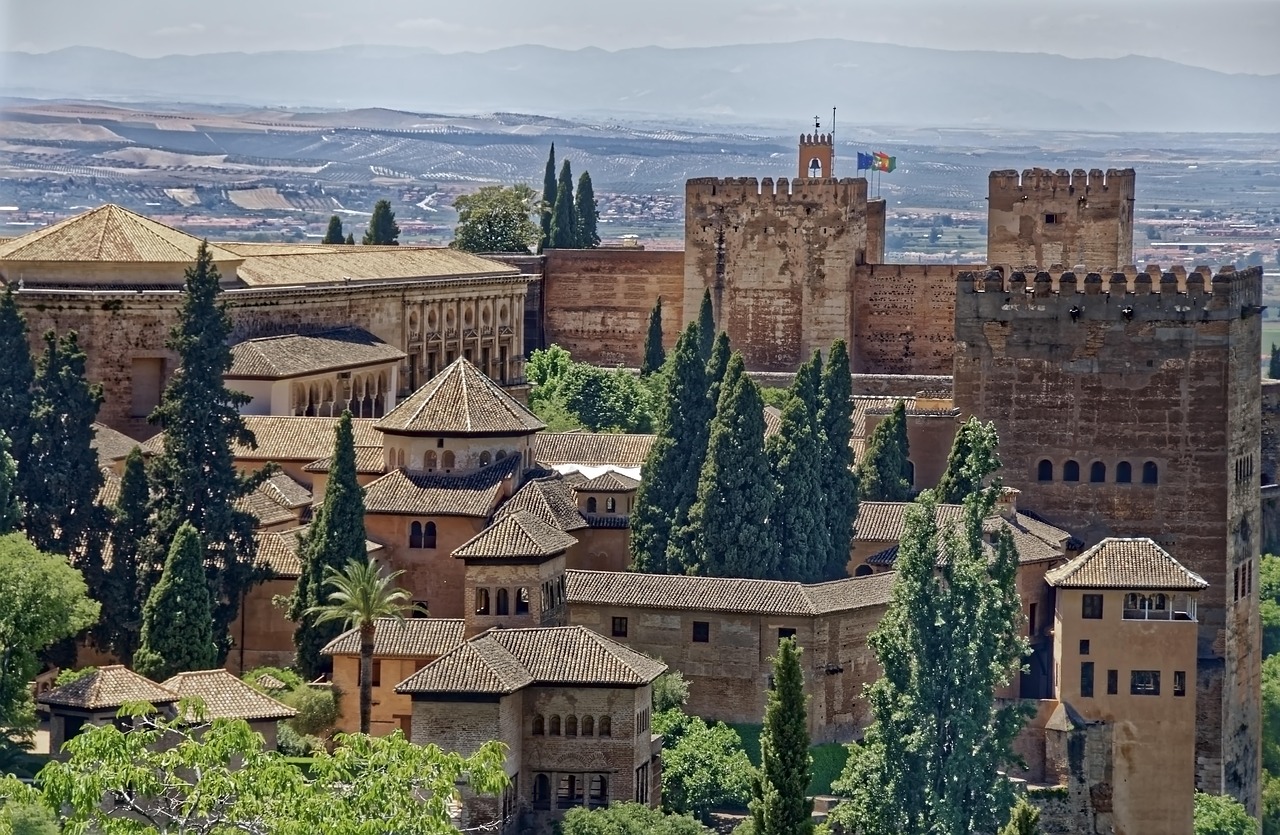
To understand flamenco, you must first understand the geography of the soul. And in Granada, that geography is Sacromonte. Perched precariously on the hillside opposite the Alhambra, this is the ancient Gitano-Roma quarter. The houses here are literally carved into the rock—cave dwellings (casas cuevas) that provided insulation against the brutal summer heat and the bitter winter winds.
In the 19th century, this is where the art form fused. The rhythms of the Roma, the melodies of the Moors, and the harmonies of the Jews all collided in these caves. Today, it’s a labyrinth of whitewashed walls and vibrant geraniums. But don’t let the postcard looks fool you. This is still a working neighborhood, and the flamenco here is the most authentic you’ll find. It’s not polished; it’s chipped, bruised, and beautiful.
My favorite spot, and one that remains stubbornly off the mass-tourist radar, is Cueva de la Rocío. This isn’t a venue; it’s an institution. It’s tiny, hot, and intimate. The air is thick with the smell of sweat, sherry, and history. You sit elbow-to-elbow with locals who have been coming here for thirty years.
Address: Calle Verónica de la Magdalena, 41, 18010 Granada (Located in the Sacromonte neighborhood, a steep but scenic walk up from the Plaza Nueva).
Hours: Shows typically start at 8:30 PM or 10:00 PM depending on the season (always call ahead or check their website, as schedules in Granada are fluid). Closed on Mondays.
The Experience: No frills. No dinner. Just a drink menu and pure, unadulterated art. The performers are often family members. You might see a grandfather on guitar, his son singing, and a young prodigy dancing. The "stage" is a small rug in the center. When the zapateado (footwork) starts, you feel the vibration in your chest. It’s primal. I remember my first time there; a singer, an older woman with a face etched with stories, held a note so long and with such sorrow that the entire room went silent, tears streaming down the faces of hardened men in the corner. This is the authentic flamenco Granada promises but rarely delivers.
Another gem in Sacromonte is Cueva de la Ronda. Slightly larger than Rocío, it offers a bit more breathing room but loses none of the intensity. The acoustics inside the cave are natural wonders; the sound seems to bounce off the curved rock ceiling, wrapping around you. It’s a place where you can see the cante jondo (deep song) performed with a ferocity that feels dangerous.
Address: Barranco de los Negros, s/n, 18010 Granada.
Hours: Evening shows usually at 8:30 PM. Reservations are highly recommended, especially in summer.
The Experience: The stage is slightly elevated here, giving you a better view of the intricate footwork. They often have a rotating cast of talented artists. The vibe is electric. It’s not uncommon for the audience to break into spontaneous applause in the middle of a verse. It’s expensive for Sacromonte (around €35-€45), but the quality of the artistry justifies the price. You aren’t paying for a ticket; you’re funding the preservation of a dying culture.
The Albaicín: The Arab Heart with a Gypsy Beat
Crossing over from Sacromonte to the Albaicín is like stepping through a time portal. The Arab quarter, a UNESCO World Heritage site, is a dizzying maze of narrow alleys (callejones) that dead-end into hidden courtyards. It was here, in the 15th century, that the Gitano population settled, bringing their music into the shadow of the Great Mosque.
While Sacromonte is the cave, the Albaicín is the terrace. It’s where you go to feel the breeze after a hot day. And here, the flamenco venues are often tucked away in basements or small stone rooms that you’d walk right past if you didn’t know what lay beneath.
You need to look for the "Tablao." In 2026, the word "tablao" is often abused. A tablao is a dedicated flamenco venue, distinct from a bar or a club. It’s a place where the artists are paid properly, and the tradition is respected.
One such place, beloved by university students and old-timers alike, is El Templo del Flamenco. It’s located right in the heart of the Albaicín, near the Plaza Larga. It’s a bit easier to find than the Sacromonte caves, but it retains a fierce independence. They offer two shows a night, and they are serious about the rotation of artists. You never quite know who you’ll get, which is part of the thrill.
Address: Calle del Agua, 3, 18010 Granada (Right off the main thoroughfares but tucked into a pedestrian zone).
Hours: Shows at 7:30 PM and 9:30 PM daily. Doors open 30 minutes prior.
The Experience: The interior is decorated with mirrors and brick, giving it a classic, slightly gritty feel. It’s small—maybe 80 seats. The sound engineering here is excellent; they’ve managed to amplify the natural acoustic without losing the dynamics. I once saw a guitarist here, a young man named Isaac, who played with such speed and precision it sounded like two instruments. The singer that night was a powerhouse, a woman named Luna who commanded the room with a glance. It costs about €30 for the show with a drink. It’s the perfect "starter" venue for someone dipping their toes into authentic flamenco—it’s accessible, professional, yet raw.
The "No-Tourist-Trap" Secret: Where the Magic Happens
Now, we need to talk about the elephant in the room: The "Zambra" shows. The Zambra is a specific style of flamenco originally from the caves of Sacromonte, traditionally performed at weddings. In the 1950s and 60s, it was adapted for tourists. By the 2020s, it had become a commercialized spectacle in large venues like the famous Cueva de la Ronda or Mesón de la Ronda (different from the cave I mentioned earlier). In 2026, these are still huge business. They are flashy, loud, and often include a "free" drink or dinner.
I’m not going to tell you to avoid them entirely. If you want spectacle, go. But I am telling you that if you want the duende, you must look for the "Peña Flamenca."
A Peña is a private club, a society of flamenco lovers. In the past, you needed an invitation to get in. But in 2026, many Peñas have opened their doors to respectful visitors who book in advance. This is the absolute peak of authenticity.
Address: Placeta de la Charca, 3, 18010 Granada.
Hours: Events are sporadic, usually Friday and Saturday nights around 10:00 PM. You must check their social media or call.
The Experience: This is not a business; it’s a home. The space is small, maybe 40 people max. The "stage" is the floor. The audience is part of the show. The rules are strict: silence during the performance, no clapping unless invited. I spent an evening here that changed my life. A father and son duo performed a Tarantos. The father, older, missing teeth, sang with a voice that sounded like gravel crunching under boots. The son, barely twenty, answered on the guitar. There was no lighting rig, just a single bulb swinging from the ceiling. At one point, the father stopped playing, looked at the audience, and just wept while singing. Nobody moved. That is not a performance. That is a possession. It costs about €20-€25, paid in cash at the door. It is the real deal.
Navigating the Practicalities of 2026
To do this right, you need a strategy. Granada in 2026 is a city of digital nomads and AI-assisted travelers. The old ways are fading, but the core rules remain.
Booking Requirements
Gone are the days of just wandering into a cave and grabbing a seat. The good places are small, and they fill up with locals and in-the-know travelers a week in advance.
- Sacromonte Caves: Book at least 3-5 days in advance via their official websites or phone. If you don’t speak Spanish, use a simple translation app; English is spoken at the ticket desks, but not always by the person answering the phone.
- Peñas: This is the hardest. You often need to message them on Instagram or WhatsApp. Be polite. Explain you are a serious fan of flamenco, not a casual tourist. "Soy un aficionado al flamenco buscando una experiencia auténtica" goes a long way.
- Tablaos in Albaicín: You can book via major platforms like GetYourGuide or TripAdvisor, but I urge you to book direct if possible. It saves the venue the commission fee, which helps them keep artists paid.
Price Range
- The Tourist Trap (Zambra): €40-€60 (includes drink and sometimes tapas).
- The Authentic Cave (Rocío/Ronda): €30-€45 (show + drink).
- The Albaicín Tablao (Templo): €25-€35.
- The Peña: €15-€25 (Cash only).
Schedules
Granada lives late. Do not book a show for 7:00 PM if you want to eat dinner beforehand. Restaurants don't really get going until 9:00 PM. The standard flamenco schedule is:
- Early Show: 7:30 PM - 8:30 PM (Often aimed at tourists, but still good at the right venues).
- Late Show: 10:00 PM - 11:30 PM (This is when the locals go. The energy is higher, the crowd is more engaged).
The Neighborhoods: Beyond the Map
To truly immerse yourself, you need to understand the vibe of the neighborhoods before you even head to the show.
Sacromonte
This is the rugged frontier. It feels wilder, more isolated. The roads are unpaved in parts. The air smells of woodsmoke and goats. Before your show, wander up to the Mirador de Sacromonte. The view of the Alhambra at sunset is arguably better than from the Albaicín because you are looking at it, rather than being part of the crowd looking from it. Grab a pre-show drink at Bar Los Diamantes on Calle Verónica. It’s a no-nonsense local bar that serves killer fried fish. It’s loud, crowded, and absolutely authentic.
Albaicín
This is the romantic heart. It’s disorienting and magical. Get lost here. Before your show at El Templo, head to Plaza Larga. This is the living room of the neighborhood. Buy a tapa (free with a drink) at Bar Aliatar (Los Caracoles). The specialty is snails, but if that’s not your thing, the fried anchovies are divine. Sit on the low wall surrounding the plaza, watch the elderly men playing dominoes, and listen to the church bells compete with the call to prayer from the Albayzín. It’s a sensory overload.
Reconsidering the "No Tourist Trap" Rule
I’ve told you to avoid the traps. But let’s be honest about what a trap is. A trap is a place that takes your money and gives you nothing but a headache and a bad memory. A place that uses backing tracks. A place where the dancers look bored.
However, sometimes a "tourist" place has a hidden gem. In 2026, the Tablao Flamenco Albayzín (located on Calle Calderería Nueva) is often packed with tourists. It’s right in the thick of the "Little Morocco" street. It’s easy to dismiss. But, if you catch the late show on a Tuesday or Wednesday, the crowd is thinner, and the management sometimes brings in stellar artists to fill the room. Is it the cave experience of Sacromonte? No. But is the talent high? Often, yes. It’s a calculated risk. If you are tired from walking and just want a guaranteed seat with a great view of a dancer, this is an option. Just don’t let it be your only option.
The Anatomy of the Performance
To appreciate what you’re seeing, you need to know the players. Flamenco is a trio, usually. Or a duo. Or a quartet.
- The Cantaor (Singer): The heart. They sing the letras (lyrics), which are often improvised and deal with pain, death, love, and daily life. The rhythm is more important than the melody.
- The Tocador (Guitarist): The hands. They provide the complex harmonic and rhythmic foundation. It’s not just strumming; it’s a percussive instrument played with tapping (golpe) and intricate fingerpicking.
- The Bailaor/Bailaora (Dancer): The physical manifestation. They translate the guitar and voice into movement. The feet are a drum; the arms are a frame for the soul.
- The Jaleo (Cheering/Encouragement): This comes from the artists and the audience. Shouts of "Olé!", "Azúcar!", "Vamos!". It’s interactive. If you feel it, join in. Clap on the off-beats (it’s hard, but try to follow the guitarist). If you’re unsure, just watch the locals. They will be leaning forward, eyes locked, nodding.
A Timeline for the Perfect Night
If I were planning your night in Granada in 2026, here is how I would script it to maximize the magic:
7:00 PM: Head to the Albaicín. Go to Plaza de San Nicolás. Yes, it’s crowded. But the view of the Alhambra against the Sierra Nevada mountains is the stuff of legends. Stay for ten minutes, then escape the crowds.
7:45 PM: Descend into the warren of streets. Make your way to El Templo del Flamenco for the 8:30 PM show. This warms you up. It’s professional, sharp, and gets you in the mood.
9:30 PM: The show ends. You’re buzzing. Now, walk. Head east, out of the Albaicín, crossing the valley toward Sacromonte. It’s a steep climb. The air gets cooler. The lights of the city spread out below you like a carpet of diamonds.
10:15 PM: You arrive at Cueva de la Rocío (having booked days in advance). You grab a glass of Manzanilla sherry.
10:30 PM: The lights dim. The guitar starts. This is the main event. This is where you lose yourself.
12:00 AM: You stumble out of the cave, your ears ringing, your heart full. You walk down the hill, the cool night air soothing your face. You stop at a late-night kebab shop or a tetería (tea house) in the Albaicín for a mint tea to calm down.
The Future of Flamenco in 2026
You might wonder, is flamenco dying? In some ways, the commercialization threatens it. But in 2026, there is a renaissance. Young people are flocking to academies. The conservatorios are full. The art form is evolving, fusing with jazz, rock, and pop. But the roots remain in the earth of Granada.
The places I’ve described—the caves, the peñas—are the guardians of those roots. By choosing to go there, you aren’t just seeing a show. You are voting with your wallet. You are saying that you value the raw, the difficult, the human over the slick and the easy.
There is a specific smell to a cave in Sacromonte. It’s the smell of damp earth, old wood, and expensive perfume. It’s a smell I chase. I’ve been to flamenco in Seville (flashy), in Madrid (professional), in Jerez (traditional). But Granada... Granada has the duende.
It’s because of the setting. You are performing in the cradle. You are singing to the ghosts of the past. When a singer in a Sacromonte cave throws their head back and wails, they aren't just singing a song about lost love; they are singing the history of a people who were marginalized, who carved a life out of rock, who turned their suffering into the most beautiful art in the world.
Don’t go to the big venues with the bus park out front. Don’t settle for the "tapas included" deal that promises a 3-course meal and a show. You can eat tapas anywhere in Spain. You can eat paella anywhere.
But you can only find duende in a small, hot room in Granada, surrounded by strangers who, for that one hour, become a single breathing organism, swept away by the rhythm of a guitar and the pain in a voice.
Go to the caves. Find a Peña. Get lost in Sacromonte. And listen.
That ghost I mentioned earlier? If you’re quiet enough, and if you listen hard enough, you might just hear it sing back to you.