
7 Dreamy Honeymoon Spots in Spain You’ll Never Forget
There’s something about Spain that makes it the perfect honeymoon destination. Maybe it’s the golden beaches kissed by the Mediterranean sun, the winding cobblestone streets that whisper centuries-old love stories, or the way the air smells of salt, citrus, and sizzling garlic. Spain isn’t just a place to visit—it’s a place to fall in love all over again. And after a decade of wandering its sun-drenched landscapes, I’ve found the seven most dreamy, romantic, and unforgettable spots for newlyweds.
Whether you’re looking for luxury, seclusion, adventure, or just a place to slow down and savor each other, Spain has it all. So, grab a glass of cava, get cozy, and let me take you on a journey through the best honeymoon spots in Spain—where every moment feels like a love letter.
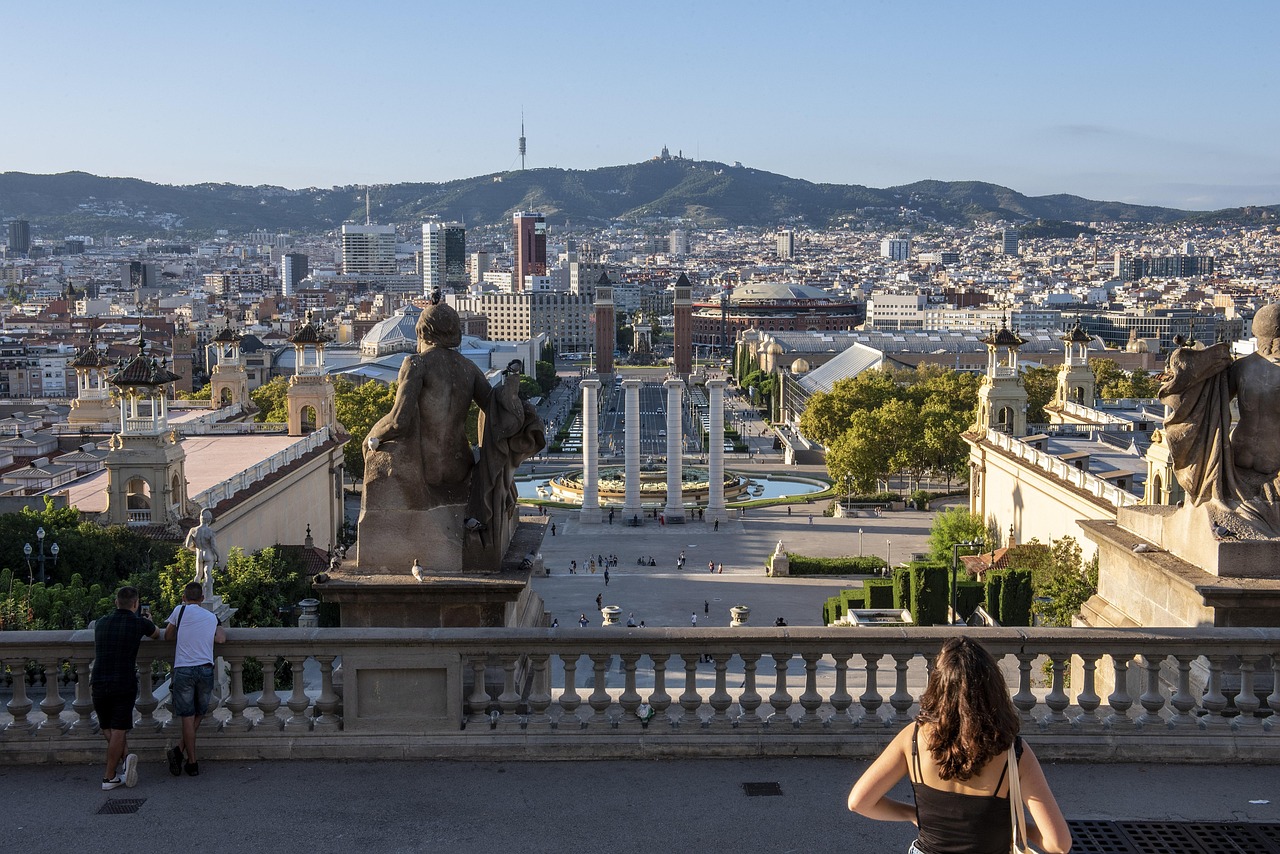
1. Barcelona: Where Gaudí’s Whimsy Meets Mediterranean Magic
Why it’s perfect for honeymooners: Barcelona is a city that dances. It’s where modernist architecture twirls with golden beaches, where tapas bars hum with laughter, and where the Mediterranean Sea shimmers like a sapphire. For couples who want a mix of culture, romance, and vibrancy, Barcelona is a dream.
Where to Stay: Hotel Arts Barcelona
📍 Carrer de la Marina, 19-21, 08005 Barcelona
🕒 Check-in: 3:00 PM | Check-out: 12:00 PM
This sleek, ultra-luxurious hotel is a masterpiece of modern elegance. With its floor-to-ceiling windows offering panoramic views of the sea and the city, a rooftop pool that feels like floating above Barcelona, and a two-Michelin-starred restaurant (Enoteca Paco Pérez), it’s the kind of place where honeymoon fantasies come to life. The spa, with its hydrotherapy circuits and couples’ treatments, is the perfect retreat after a day of exploring.
But what makes Hotel Arts truly special is its location. It sits right on the waterfront, just a short stroll from Barceloneta Beach, where you can watch the sunset with your toes in the sand. And if you’re lucky, you might even catch a live jazz performance at their chic lobby bar—because nothing says romance like a glass of Spanish wine and a saxophone serenade.
What to Do:
- Sagrada Família at Sunrise: Skip the crowds and book the first entry slot of the day. Watching the sunlight stream through Gaudí’s stained-glass windows, casting kaleidoscopic patterns on the stone, is like stepping into a cathedral of light. It’s spiritual, awe-inspiring, and the perfect metaphor for the beginning of your life together.
- Park Güell: Another Gaudí gem, this park is a playground of color and fantasy. Wander hand-in-hand through the mosaic-covered benches, hidden pathways, and whimsical structures. The view from the top, overlooking the city and the sea, is worth every step.
- Gothic Quarter at Night: The narrow, lamp-lit streets of the Barri Gòtic feel like something out of a fairy tale. Lose yourselves in the labyrinth of alleys, stumble upon hidden plazas, and share a bottle of wine at a tiny, candlelit bodega.
- Bunkers del Carmel: For the best sunset in Barcelona, head to these old civil war bunkers. It’s a bit of a hike, but the 360-degree view of the city bathed in golden light is unforgettable. Bring a blanket, some cheese, and a bottle of cava—it’s the perfect spot for a quiet, intimate toast.
Where to Eat:
- Disfrutar: If you’re splurging (and you should—it’s your honeymoon!), this three-Michelin-starred restaurant is a culinary journey. The tasting menu is a symphony of flavors, textures, and surprises. Think liquid olives, edible “rocks,” and desserts that look like works of art.
- Can Solé: A classic Catalan seafood restaurant in Barceloneta. The suquet de peix (fish stew) is legendary, and the atmosphere is warm and unpretentious. It’s the kind of place where you’ll feel like locals by the end of the meal.
- El Xampanyet: A tiny, standing-room-only tapas bar where the cava flows freely and the anchovies are legendary. It’s loud, lively, and the perfect place to experience Barcelona’s tapas culture.
Best Time to Visit:
Spring (April to June) and fall (September to October) are ideal. The weather is warm but not scorching, and the city isn’t overrun with tourists. Avoid August—it’s hot, humid, and many locals leave the city for their own vacations.
2. Seville: The Heartbeat of Andalusia
Why it’s perfect for honeymooners: Seville is passion incarnate. It’s flamenco guitars echoing through ancient courtyards, the scent of orange blossoms drifting on the breeze, and the slow, sensual rhythm of life in southern Spain. If you want a honeymoon that’s steeped in romance, history, and fiery Andalusian spirit, Seville is the place.
Where to Stay: Hotel Alfonso XIII
📍 San Fernando, 2, 41004 Sevilla
🕒 Check-in: 3:00 PM | Check-out: 12:00 PM
This isn’t just a hotel—it’s a palace. Built in 1928 for the Ibero-American Exposition, Hotel Alfonso XIII is a masterpiece of Mudéjar architecture, with its intricate tilework, grand arches, and lush courtyards. It’s the kind of place where you half-expect a Spanish prince to sweep you off your feet.
The rooms are opulent, with hand-painted ceilings, antique furniture, and balconies overlooking the hotel’s stunning gardens. The pool, surrounded by Moorish-style arches and orange trees, feels like a secret oasis. And the service? Impeccable. They’ll arrange private flamenco lessons, romantic horse-drawn carriage rides, or a candlelit dinner in the courtyard—just ask.
What to Do:
- Real Alcázar: This royal palace is a breathtaking blend of Christian and Moorish architecture. The gardens are a labyrinth of fountains, palm trees, and hidden pavilions—perfect for stealing a kiss or two. Fun fact: Parts of Game of Thrones were filmed here, so you might recognize the lush, exotic vibe.
- Seville Cathedral and La Giralda: Climb the ramp (yes, ramp—not stairs!) of La Giralda, the cathedral’s bell tower, for a panoramic view of the city. The cathedral itself is the largest Gothic cathedral in the world, and its sheer grandeur is humbling.
- Flamenco at Casa de la Memoria: Flamenco isn’t just a dance—it’s an emotion. This intimate venue offers raw, authentic performances that will leave you breathless. The singers, guitarists, and dancers pour their souls into every note and movement. It’s impossible not to feel the passion.
- Triana Neighborhood: Cross the Guadalquivir River to Triana, the birthplace of flamenco and the heart of Seville’s ceramic tradition. Wander the colorful streets, pop into tiny ceramic workshops, and enjoy tapas at a riverside bar.
Where to Eat:
- Eslava: This no-frills tapas bar is a local favorite. The dishes are creative, bold, and bursting with flavor. Try the huevos rotos con jamón (broken eggs with ham) and the costilla de cerdo (pork ribs). It’s casual, lively, and the perfect introduction to Sevillian tapas culture.
- Az-Zait: A hidden gem serving modern Andalusian cuisine. The tasting menu is a journey through the region’s flavors, with dishes like oxtail with foie gras and orange blossom ice cream. The courtyard setting, with its trickling fountains and twinkling lights, is pure magic.
- La Brunilda: A tiny, cozy spot with a chalkboard menu that changes daily. The dishes are simple but exquisite—think slow-cooked beef cheek and crispy eggplant with honey. Get there early; it fills up fast.
Best Time to Visit:
Spring (March to May) is the best time to visit Seville. The weather is warm, the orange trees are in bloom, and the city is alive with festivals, including Semana Santa (Holy Week) and the Feria de Abril. Avoid July and August—temperatures can soar above 100°F (38°C), and the city slows to a crawl.
3. Mallorca: A Mediterranean Paradise
Why it’s perfect for honeymooners: Mallorca isn’t just an island—it’s a postcard come to life. With its turquoise coves, rugged mountains, and charming stone villages, it’s the perfect blend of relaxation and adventure. Whether you want to lounge on secluded beaches, hike through pine-scented forests, or explore medieval towns, Mallorca has it all.
Where to Stay: Cap Rocat
📍 Ctra. d’Enderrocat, s/n, 07609, Mallorca
🕒 Check-in: 2:00 PM | Check-out: 12:00 PM
If you’ve ever dreamed of staying in a fortress, Cap Rocat is your chance. This 19th-century military fortress has been transformed into a luxurious, adults-only retreat. The rooms are carved into the stone walls, with private terraces offering sweeping views of the Bay of Palma. The infinity pool, set against the backdrop of the Mediterranean, feels like it’s spilling into the sea.
What makes Cap Rocat truly special is its sense of seclusion. It’s tucked away on a private peninsula, far from the island’s tourist hubs. The only sounds you’ll hear are the waves crashing against the rocks and the wind rustling through the pines. It’s the perfect place to disconnect and reconnect with each other.
What to Do:
- Cala Varques: This hidden cove is one of Mallorca’s best-kept secrets. Accessible only by a 30-minute hike through a pine forest, it’s a secluded paradise of turquoise water and white sand. Pack a picnic, bring snorkeling gear, and spend the day in your own private slice of heaven.
- Tramuntana Mountains: Rent a car and drive the winding roads of the Serra de Tramuntana, a UNESCO World Heritage site. Stop in the stone village of Valldemossa, where Chopin once lived, and visit the historic La Cartuja monastery. The views from the mountain passes are breathtaking.
- Palma Cathedral: Also known as La Seu, this Gothic masterpiece towers over the Bay of Palma. The interior is a dazzling display of light and space, with one of the largest rose windows in the world. If you’re feeling adventurous, book a sunrise visit—you’ll have the cathedral almost to yourselves.
- Wine Tasting at 4Kilos Vinícola: Mallorca’s wine scene is underrated but fantastic. This boutique winery in the island’s interior offers tastings of their organic wines, paired with local cheeses and charcuterie. The setting, among rolling vineyards and olive groves, is idyllic.
Where to Eat:
- Adrián Quetglas: This Michelin-starred restaurant in Palma is a celebration of Mallorcan ingredients. The tasting menu is a journey through the island’s flavors, with dishes like lobster with seaweed and suckling pig with local herbs. The wine pairings are exceptional, too.
- Ca’s Patró March: A legendary seafood restaurant in the fishing village of Cala Deia. The caldero (fish stew) is a must-try, and the setting—right on the water, with boats bobbing in the harbor—is pure charm.
- Es Racó d’es Teix: Nestled in the Tramuntana Mountains, this restaurant offers rustic Mallorcan cuisine with a modern twist. The tumbet (a traditional vegetable and potato dish) and the slow-cooked lamb are standouts. The terrace, with its mountain views, is the perfect spot for a long, leisurely lunch.
Best Time to Visit:
May to June and September to October are ideal. The weather is warm, the crowds are thinner, and the island is lush and green. July and August are peak season, with higher prices and more tourists. If you visit in the off-season (November to March), you’ll find lower prices and a quieter island, but some restaurants and attractions may be closed.
4. San Sebastián: A Food Lover’s Paradise
Why it’s perfect for honeymooners: If you and your partner bond over food, San Sebastián is your honeymoon mecca. This elegant Basque city is home to more Michelin stars per capita than any other city in the world. But it’s not just about the fine dining—it’s about the pintxos (Basque tapas), the golden beaches, and the effortless sophistication of the city.
Where to Stay: Hotel María Cristina
📍 Paseo República Argentina, 4, 20004 Donostia-San Sebastián
🕒 Check-in: 3:00 PM | Check-out: 12:00 PM
This Belle Époque beauty is the grand dame of San Sebastián. With its opulent chandeliers, marble columns, and sweeping staircase, it’s the kind of place that makes you feel like royalty. The rooms are spacious and elegant, with views of the Urumea River or the city’s historic center.
But the real star of the show is the hotel’s location. It’s just steps away from La Concha Beach, the city’s iconic crescent of golden sand, and a short walk from the old town’s pintxos bars. The hotel also has a fantastic spa, perfect for unwinding after a day of eating and exploring.
What to Do:
- La Concha Beach: This is one of the most beautiful urban beaches in the world. The golden sand, the gentle waves, and the backdrop of Monte Urgull make it a postcard-perfect spot. Rent a txalupa (a traditional Basque rowboat) and paddle around the bay, or just relax on the sand with a book and a glass of txakoli (Basque white wine).
- Monte Urgull: Hike up this hill for a panoramic view of the city and the bay. The trail is shaded by trees and dotted with historic landmarks, including a giant statue of Jesus (the Sagrado Corazón) that overlooks the city.
- Pintxos Crawl in the Old Town: San Sebastián’s old town is a labyrinth of narrow streets lined with pintxos bars. The tradition is to hop from bar to bar, sampling one or two pintxos at each. Some must-visit spots include Bar Txepetxa (famous for its anchovy pintxos), La Cuchara de San Telmo (hearty, slow-cooked meats), and Ganbara (seafood heaven).
- Day Trip to Hondarribia: This colorful fishing village, just 20 minutes from San Sebastián, is a hidden gem. Wander the cobbled streets of the old town, visit the Castle of Charles V, and enjoy fresh seafood at a waterfront restaurant.
Where to Eat:
- Arzak: This three-Michelin-starred restaurant is a San Sebastián institution. Chef Juan Mari Arzak and his daughter Elena have been pushing the boundaries of Basque cuisine for decades. The tasting menu is a masterclass in innovation and tradition, with dishes like hake with green apple and txangurro (spider crab) with pil-pil sauce.
- Mugaritz: Located just outside the city, Mugaritz is one of the most avant-garde restaurants in the world. Chef Andoni Luis Aduriz’s tasting menu is a mind-bending journey through texture, flavor, and memory. It’s not just a meal—it’s an experience.
- Bar Nestor: This tiny, unassuming spot is the hardest reservation in town—but it’s worth the effort. Chef Nestor Aranguren serves some of the best seafood in San Sebastián, including his legendary whole turbot and tomato salad. The vibe is casual, the wine list is fantastic, and the food is unforgettable.
Best Time to Visit:
June to September is the best time to visit San Sebastián. The weather is warm, the beaches are inviting, and the city is alive with festivals, including the San Sebastián International Film Festival in September. Avoid November—it’s the rainiest month of the year.
5. Granada: A Moorish Love Story
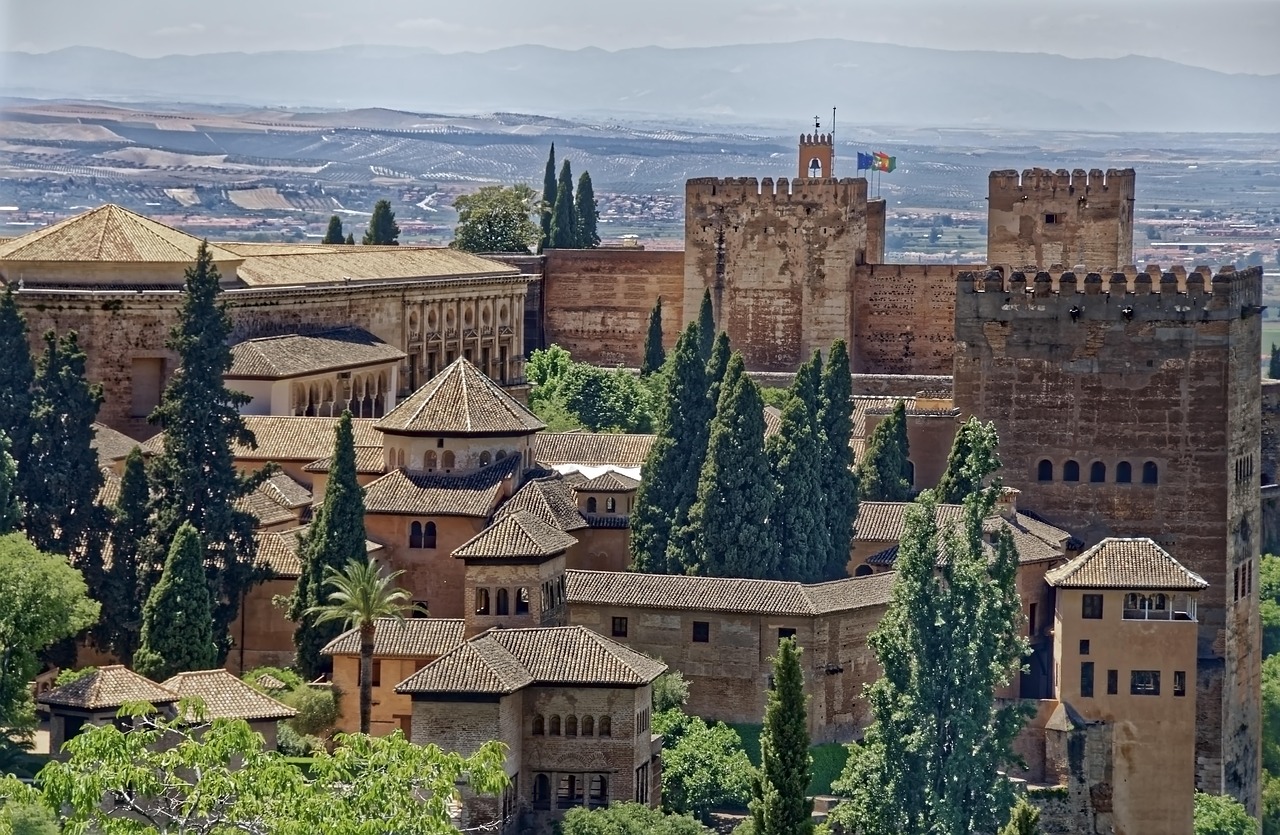
Why it’s perfect for honeymooners: Granada is the stuff of legends. It’s where the Moorish kings built their palaces, where flamenco was born in the caves of Sacromonte, and where the scent of jasmine and spices fills the air. The city’s crown jewel, the Alhambra, is one of the most romantic places on earth—a fortress, a palace, and a garden all in one.
Where to Stay: Parador de Granada
📍 Real de la Alhambra, s/n, 18009 Granada
🕒 Check-in: 2:00 PM | Check-out: 12:00 PM
If you’re going to Granada, you *have* to stay inside the Alhambra. The Parador de Granada is a 15th-century convent that’s been transformed into a luxurious hotel. The rooms are a blend of modern comfort and historic charm, with views of the Alhambra’s gardens or the city below.
But the real magic happens at night. After the tourists leave, the Alhambra is yours. Take a moonlit stroll through the Nasrid Palaces, listen to the fountains trickle in the Generalife gardens, and feel like you’ve stepped back in time. It’s the kind of place where you’ll want to linger over breakfast on the terrace, soaking in the views of the Sierra Nevada mountains.
What to Do:
- The Alhambra: This is the reason you came to Granada. The Nasrid Palaces, with their intricate stucco work, tile mosaics, and reflecting pools, are a masterpiece of Islamic architecture. The Generalife gardens, with their fountains, cypress trees, and rose bushes, are a romantic paradise. Book your tickets *months* in advance—they sell out fast.
- Albaicín Neighborhood: This historic Moorish quarter is a maze of narrow, winding streets, whitewashed houses, and hidden plazas. The best way to explore it is to get lost. Stop at a *tetería* (tea house) for mint tea and pastries, and visit the Mirador de San Nicolás at sunset for a postcard-perfect view of the Alhambra.
- Sacromonte Caves: This is where flamenco was born. The caves, carved into the hillside, were once home to Granada’s Roma community. Today, you can watch intimate flamenco performances in these same caves. The raw emotion and energy are palpable.
- Hammam Al Ándalus: After a day of exploring, treat yourselves to a couple’s massage and a soak in these Arabic baths. The candlelit pools, the scent of orange blossom, and the gentle music create a serene, sensual atmosphere.
Where to Eat:
- Restaurant 1862: Located in the Parador, this restaurant offers modern takes on traditional Andalusian dishes. The views of the Alhambra, lit up at night, are unforgettable. Try the *carrillada ibérica* (Iberian pork cheek) and the *tarta de Santiago* (almond cake).
- Bar Los Diamantes: A tiny, standing-room-only tapas bar in the city center. The seafood is fresh, the portions are generous, and the atmosphere is electric. Order the *boquerones* (anchovies) and the *calamares a la romana* (fried squid).
- Chikito: A Granada classic, this restaurant has been serving traditional Andalusian dishes since 1925. The *tortilla del Sacromonte* (a rich, spicy omelet with lamb brains and testicles—yes, really!) is a local specialty, but if you’re not feeling adventurous, the *rabo de toro* (oxtail stew) is divine.
Best Time to Visit:
Spring (April to June) and fall (September to October) are the best times to visit Granada. The weather is mild, the gardens are in bloom, and the city isn’t too crowded. Avoid July and August—it can get *very* hot, and the Alhambra’s marble floors will feel like a frying pan.
6. Ibiza: Beyond the Party
Why it’s perfect for honeymooners: Ibiza has a reputation as a party island, but that’s just one side of it. The real Ibiza is a bohemian paradise of hidden coves, pine-clad hills, and whitewashed villages. It’s where you can dance under the stars at a beach club, then retreat to a secluded finca (farmhouse) the next day.
Where to Stay: Six Senses Ibiza
📍 Cala Xarraca, 07815 San Juan Bautista, Ibiza
🕒 Check-in: 3:00 PM | Check-out: 12:00 PM
This isn’t your typical Ibiza hotel. Six Senses is a sanctuary of wellness, sustainability, and barefoot luxury. The rooms are spacious and serene, with natural materials, private terraces, and views of the Mediterranean. The resort has multiple pools, a world-class spa, and a farm-to-table restaurant that sources ingredients from its own organic garden.
What makes Six Senses special is its commitment to slow living. There are yoga and meditation classes, sound healing sessions, and even a “sleep concierge” to help you get the best rest possible. It’s the perfect antidote to the island’s party scene—and the perfect place to reconnect with each other.
What to Do:
- Cala Xarraca: This secluded cove, just steps from the hotel, is one of Ibiza’s hidden gems. The water is crystal clear, the sand is soft, and the cliffs are dotted with pine trees. It’s the perfect spot for a quiet, romantic swim.
- Dalt Vila: Ibiza Town’s old quarter is a UNESCO World Heritage site. Wander the cobbled streets, visit the 16th-century cathedral, and stop at a rooftop bar for a sunset cocktail. The views of the harbor and the Mediterranean are stunning.
- Es Vedrà: This mystical rock island off Ibiza’s west coast is said to be the third most magnetic place on earth (after the North Pole and the Bermuda Triangle). Take a boat tour at sunset, and watch as the rock glows pink in the fading light.
- Hippy Markets: Ibiza’s bohemian spirit is alive and well at its hippy markets. The most famous is Las Dalias, where you can browse handmade jewelry, vintage clothes, and local crafts. Go on a Saturday night for live music and a lively atmosphere.
Where to Eat:
- The Cave at Six Senses: This intimate, cave-like restaurant serves a tasting menu of modern Mediterranean cuisine. The dishes are light, fresh, and bursting with flavor—think Ibizan sea salt, local herbs, and just-caught seafood.
- Experiencia: Located in a 400-year-old finca in the countryside, this restaurant offers a multi-sensory dining experience. The menu changes daily, but you can expect dishes like slow-cooked lamb with wild herbs and homemade pasta with truffles.
- Fish Shack at Cala Llentrisca: This tiny, beachfront shack serves some of the best seafood on the island. The bullit de peix (fish stew) is a must-try, and the setting—right on the sand—is pure magic.
Best Time to Visit:
May to June and September to October are the best times to visit Ibiza. The weather is warm, the crowds are thinner, and the island is at its most beautiful. July and August are peak party season, with higher prices and more tourists. If you visit in the off-season (November to April), you’ll find a quieter, more authentic Ibiza—but some restaurants and beach clubs may be closed.
7. Ronda: A Cliffside Romance
Why it’s perfect for honeymooners: Ronda is the stuff of fairy tales. Perched on a cliff above the El Tajo gorge, this whitewashed town is one of the most dramatic and romantic places in Spain. It’s where Hemingway wrote For Whom the Bell Tolls, where bullfighting was born, and where the views will leave you speechless.
Where to Stay: Parador de Ronda
📍 Plaza de España, s/n, 29400 Ronda
🕒 Check-in: 2:00 PM | Check-out: 12:00 PM
The Parador de Ronda is built into the cliffs of the El Tajo gorge, with breathtaking views of the Puente Nuevo (New Bridge) and the surrounding countryside. The rooms are spacious and elegant, with traditional Andalusian decor and modern amenities. The restaurant serves classic Spanish dishes with a contemporary twist, and the terrace is the perfect spot for a sunset cocktail.
But the real magic of the Parador is its location. You’re just steps away from Ronda’s historic center, but the hotel feels like a world unto itself. The gardens, with their fountains and cypress trees, are a peaceful retreat, and the pool, overlooking the gorge, is a dream.
What to Do:
- Puente Nuevo: This iconic bridge spans the El Tajo gorge, connecting the old and new parts of Ronda. Walk across it for heart-stopping views of the river below, or hike down to the bottom of the gorge for a different perspective.
- Plaza de Toros: Ronda is the birthplace of modern bullfighting, and its bullring is one of the oldest and most beautiful in Spain. Even if you’re not a fan of bullfighting, the museum is fascinating, and the arena itself is a masterpiece of architecture.
- Baños Árabes: These 13th-century Arab baths are a hidden gem. The underground chambers, with their star-shaped skylights and intricate tilework, are a glimpse into Ronda’s Moorish past.
- Wine Tasting at Bodega Descalzos Viejos: This boutique winery is housed in a 16th-century convent. The wines are excellent, and the setting—with its vaulted ceilings and candlelit tasting room—is incredibly romantic.
Where to Eat:
- Tragata: This Michelin-starred restaurant offers a modern take on Andalusian cuisine. The tasting menu is a journey through the region’s flavors, with dishes like oxtail with foie gras and Iberian pork with local mushrooms.
- Casa María: A family-run restaurant serving traditional Spanish dishes. The rabo de toro (oxtail stew) is legendary, and the berenjenas con miel (fried eggplant with honey) is a must-try.
- Almocábar: A cozy, romantic spot with a focus on local, seasonal ingredients. The menu changes regularly, but you can expect dishes like slow-cooked lamb with wild herbs and homemade pasta with truffles.
Best Time to Visit:
Spring (April to June) and fall (September to October) are the best times to visit Ronda. The weather is mild, the wildflowers are in bloom, and the town is quiet and peaceful. Avoid July and August—it can get very hot, and the town is more crowded.
Spain Honeymoon Itinerary: 7 Days of Bliss
If you’re planning a week-long honeymoon in Spain, here’s a dreamy itinerary that combines the best of romance, culture, and relaxation:
Day 1-2: Barcelona
- Explore the Gothic Quarter and Barceloneta Beach.
- Visit the Sagrada Família and Park Güell.
- Enjoy a rooftop cocktail at Hotel Arts.
Day 3-4: Seville
- Tour the Real Alcázar and Seville Cathedral.
- Watch a flamenco show in Triana.
- Savor tapas at Eslava and Az-Zait.
Day 5-6: Granada
- Spend a full day at the Alhambra.
- Wander the Albaicín neighborhood.
- Soak in the Hammam Al Ándalus.
Day 7: Ronda
- Marvel at the Puente Nuevo.
- Tour the Plaza de Toros.
- Enjoy a romantic dinner at Tragata.
Final Thoughts: Why Spain is the Ultimate Honeymoon Destination
Spain isn’t just a place to visit—it’s a place to feel. It’s the warmth of the sun on your skin, the taste of a perfectly ripe tomato drizzled with olive oil, the sound of a flamenco guitarist’s fingers dancing on the strings. It’s a country that celebrates love in all its forms—passionate, slow, fiery, and tender.
Whether you’re sipping cava on a Barcelona rooftop, getting lost in the Alhambra’s gardens, or watching the sunset from a Mallorcan cove, Spain has a way of making every moment feel magical. And isn’t that what a honeymoon is all about?
So pack your bags, leave your worries behind, and let Spain sweep you off your feet. Your love story deserves a setting this dreamy.