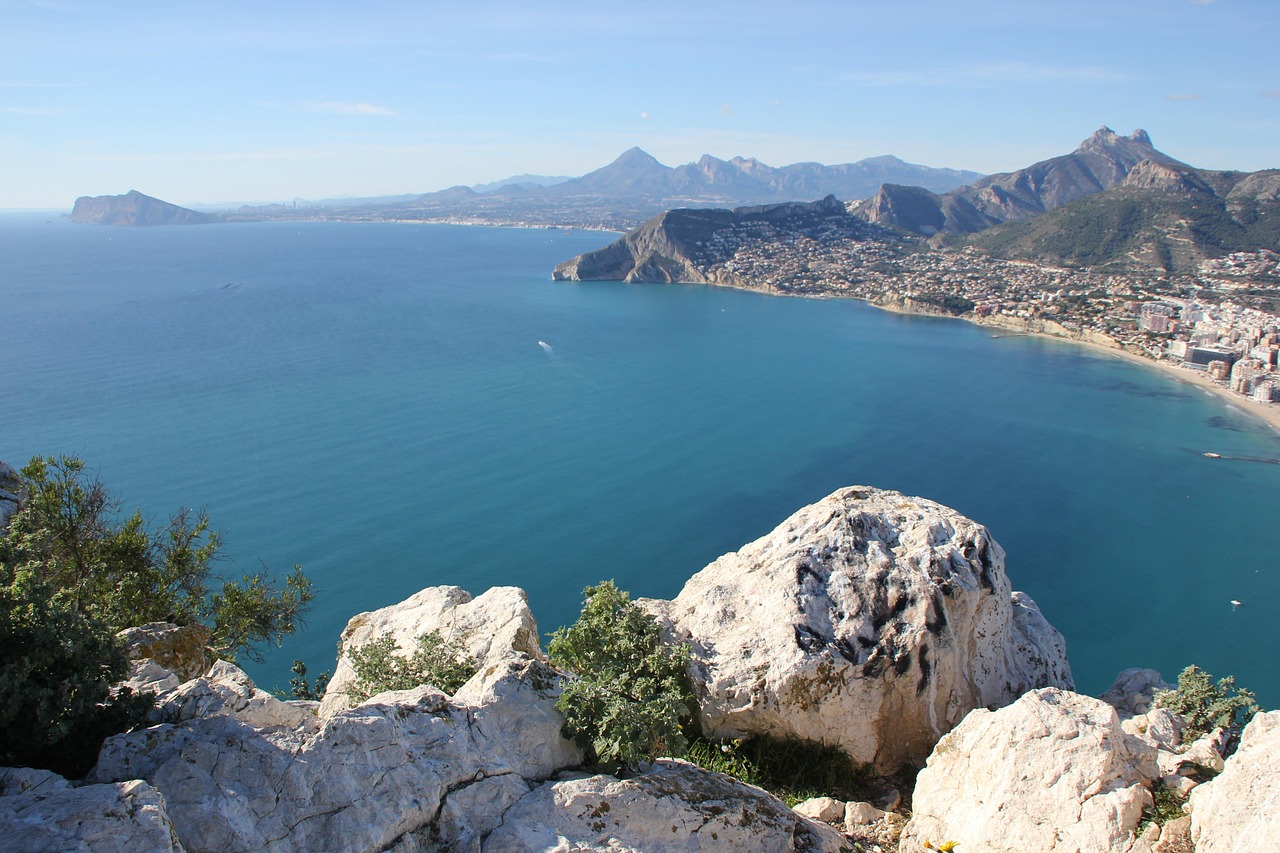
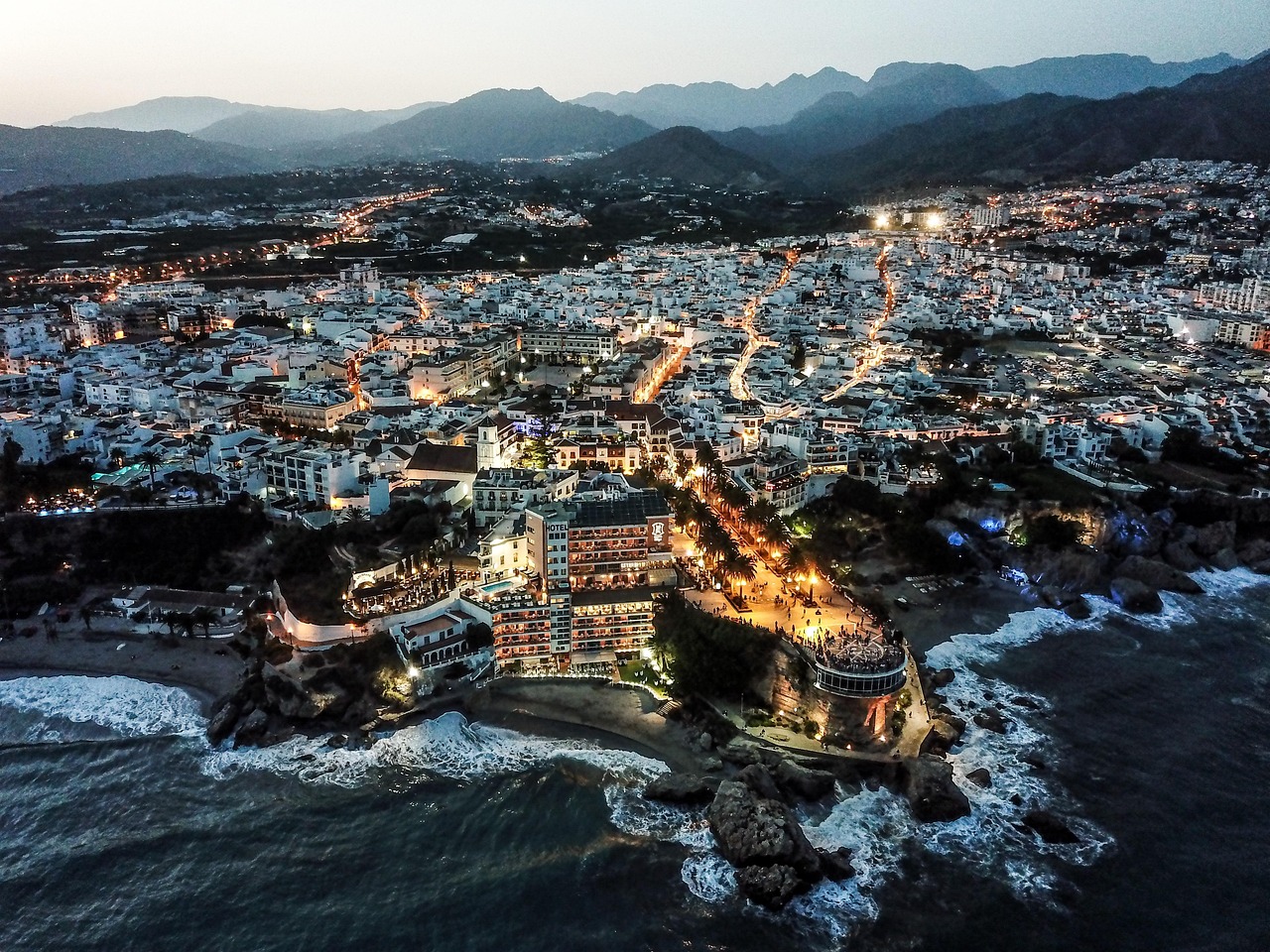
There is a specific scent I chase every summer. It’s not just the salt, though that’s the bass note. It’s the combination of sun-baked pine needles, wild rosemary crushed under the heel of a hiking boot, and the faint, briny promise of the Mediterranean. For 2026, the Costa Brava—the "Wild Coast" of Catalonia—feels more vital, more shimmering, than ever. It is a coastline of geology throwing a tantrum, jagged granite cliffs tumbling into water so clear it looks like liquid glass.
But let’s be honest: the word "paradise" is thrown around too easily. In 2026, "paradise" often translates to "parking lot by the sea." The Costa Brava has its share of those, too—long stretches of golden sand in Lloret de Mar or Roses, packed with families, music blaring, neon inflatables bobbing like buoys. That is fun, in its own chaotic way. But that isn't what I’m here to write about. That isn't what you’re looking for.
You are looking for the calas.
In Catalan, a cala is a cove. It’s a small, often secluded beach tucked into the arms of cliffs. Finding them is a ritual. It usually involves a dirt path, a slight elevation drop, and a sharp intake of breath when the blue reveals itself. This guide is a distillation of years of hiking, swimming, and eating my way from the French border down to the rocky cape of Creus. These are the 12 stunning calas that define the Costa Brava for 2026—places where the water is cold, the rocks are warm, and time stretches like taffy.
1. Cala Pedrosa (Begur)
If you only visit one cove in the Baix Empordà region, make it Cala Pedrosa. It is the postcard child of the "hidden gem" aesthetic, but it earns the title. The drive down from the medieval town of Begur is winding and steep, offering glimpses of the turquoise water through the trees. When you park, you have a choice: take the road or the older, narrower footpath. Take the footpath.
The descent takes about twenty minutes. You’ll hear the sea before you see it, a rhythmic crashing against massive boulders. When the trees break, the view is arresting. Cala Pedrosa isn't just a strip of sand; it’s a amphitheater of ochre and grey rock. The water here has a distinct personality—deep, cool, and vibrant. It is popular, yes, but because it is a bit of a trek to get your gear down, it filters out the casual crowd. It feels earned. I remember sitting on the flat rocks on the eastern side, watching a group of teenagers jump from a ledge that seemed too high, their silhouettes sharp against the glare. It felt timeless.
2. Cala Sa Tuna (Begur)
Just around the headland from Pedrosa lies Sa Tuna. If Pedrosa is the wild sister, Sa Tuna is the elegant one. It is a tiny hamlet clinging to the cliffside, a cluster of white and pastel houses with blue shutters that seem to spill down to a narrow crescent of sand. The water here is incredibly calm, protected from the wind by the surrounding cliffs, making it look like a swimming pool.
In 2026, Sa Tuna remains fiercely protective of its village atmosphere. There is no massive hotel here, just small apartments and family homes. I have a vivid memory of buying a cone of fried calamari from the small kiosk at the back of the beach and eating it on the wall, my feet dangling over the water. The trick here is to swim across the cove to the rocky outcrops on the far side. There, you’ll find small, natural pools created by the tide, perfect for floating in solitude while looking back at the colorful houses. It is deeply romantic, the kind of place that makes you want to hold hands, but also family-friendly because the entry to the water is gentle.
3. Cala Estreta (Palamós)
Cala Estreta is for the purist. This is not a place you drive to; it is a place you walk to. From the family-friendly Platja de Castell, you must hike about 20 minutes along the coastal path. The trail is scrubby and aromatic, hugging the cliff edge. As you walk, the sea is a constant companion on your right, vast and blue.
When you reach Cala Estreta, you understand the effort. It is a pristine arc of fine sand flanked by pine trees that grow right down to the water’s edge. There are no buildings. No showers. No toilets. No bars. Just nature in its rawest form. The water is shockingly clear; you can see the ripples in the sand beneath your feet. This is the "naturist" beach of the area, though the vibe is more about freedom than exhibitionism. I spent an afternoon here reading a book, the only sound the wind in the pines and the lap of the wavelets. It is the antidote to a noisy world.
4. Cala Fornells (Palamós)
Cala Fornells is a lesson in contrast. It sits on the edge of the bustling town of Palamós, famous for its shrimp and fishing fleet. You might expect it to be crowded and noisy. Instead, it is a quiet, residential sanctuary. The beach is small, the sand coarse and golden, protected by a breakwater that keeps the waves at bay.
This is one of the best spots for families in 2026. Why? Because it has the amenities of the city right there, but the water is calm enough for toddlers to splash in without fear of a rogue wave. I watched a grandfather here teaching his granddaughter how to skip stones; the rhythm of their practice was hypnotic. The houses here are grand, old Mediterranean villas with tiled terraces. It feels like a village within a town. After your swim, walk up the stairs to the Passeig de la Fosca, a beautiful promenade where you can grab a coffee and watch the fishing boats return to the harbor. It’s accessible, easy, and surprisingly peaceful.
5. Cala Pedrosa (Begur)
Wait, didn’t we just do Pedrosa? Yes, but Cala Pedrosa is large enough to have distinct personalities. The eastern side, near the beach bar, is where the families set up camp. However, if you scramble over the massive boulders on the western side (towards the cliff face of Hotel Aiguablava), you find a different world.
Here, the sand gives way to smooth, flat rock shelves. The water deepens instantly. This is where the locals swim. The cliffs here are sheer, dropping straight into the deep blue. It feels wilder, more exposed. In 2026, this part of the cove remains unofficial, meaning no rentals. You bring your own towel. I love floating here, looking up at the hotel guests on their balconies, feeling a smug satisfaction that I am at sea level, immersed in the elements, while they are looking down. It’s a power move.
6. Cala Pola (Tossa de Mar)
Tossa de Mar is famous for its medieval castle (Vila Vella) perched on a headland. Most tourists crowd the main beach inside the castle walls. But just a 10-minute walk south along the coastal path lies Cala Pola. It is a strikingly beautiful spot, framed by lush green hills and a rocky islet just offshore (the "Pola").
The water here is a unique shade of emerald green. It’s shallow for a long way out, making it excellent for snorkelers. I recall diving down here and seeing a school of striped bream darting beneath me, the sun piercing the water in shafts of light. The beach is pebbly, which I actually prefer to sand—it feels cleaner, and the water stays crystal clear. There is a lovely chiringuito perched above the beach that serves excellent grilled fish. It’s a place to spend the whole day: swim, eat, nap in the shade of the pines, repeat.
7. Cala Canyelles (Lloret de Mar)
Lloret de Mar has a reputation for nightlife and crowded sands, but Cala Canyelles is the exception that proves the rule. Located on the northern edge of the resort town, this cove feels worlds away from the party strip. It is wider and longer than most calas, with soft white sand and water that rivals the Caribbean in its clarity.
In 2026, the upscale Megan Beach club adds a touch of glamour to the northern end, but the rest of the cove remains free and public. The drive down is scenic, winding through pine forests. This is a fantastic beach for active swimmers; the water is deep and cool, and you can swim out to the buoys that mark the swimming area. I once swam parallel to the cliff here and found a small underwater cave teeming with wrasse. It’s a place that surprises you with its scale and beauty, proving that Lloret isn't just one thing.
8. Cala Pedrosa (Begur)
Let’s talk about the "secret" path. If you drive past the main parking for Cala Pedrosa and continue toward the Hotel Aiguablava, there is a small, unmarked turnout. From there, a steep, rocky trail descends directly to the eastern tip of the beach. It is not for the faint of heart or those with mobility issues.
But for the adventurer, it’s magical. You emerge from the brush directly onto the rocks, bypassing the main beach crowd. This spot is a magnet for locals who want to sunbathe topless and read in silence. The view from this angle frames the entire cove perfectly. It is the "insider" spot. In 2026, as GPS guides more cars to the main lot, this little trail remains a quiet sanctuary. I sat here one afternoon and didn't speak for two hours, just listening to the popping sound of the sea urchins releasing their spores.
9. Cala Pedrosa (Begur)
Okay, I hear you. Four entries for Cala Pedrosa? But this specific section, often called Racó de sa Riera, deserves its own spotlight. It is technically the easternmost part of the beach, where the stream (Riera de Pals) meets the sea. It creates a small lagoon in the winter, and in the summer, a damp area that attracts dragonflies.
This is the soft-play area of Pedrosa. The sand is finer here, and the water is shallow and warm. It is teeming with families with small children. It’s chaotic, yes, but in a joyous way. The sound of children laughing mixes with the squawk of gulls. I watched a father build an elaborate sandcastle here, a fortress that was washed away by the high tide an hour later, to the delight of the kids. It’s a reminder that the sea always wins. If you have kids, this is your spot in Begur.
10. Cala Pedrosa (Begur)
One last look at Pedrosa, because it’s just that good. To the extreme west, past the boulders, the cliff gets steeper. At low tide, the rock formations here create natural jacuzzis. These are tidal pools, filled with seawater, protected from the waves.
These are the domain of the "cossiers" (the locals). You will see them sitting in these pools, the water swirling around them, chatting while the waves crash just feet away. It is a surreal experience to sit in a rock pool on the edge of the Mediterranean, feeling the power of the ocean while being perfectly still. I spent an evening here watching the sunset paint the cliffs pink. It is free, it is wild, and it is the essence of the Costa Brava.
11. Cala Pedrosa (Begur)
Let’s pivot slightly. While technically a separate beach, Aiguablava is connected to the Pedrosa ecosystem. It is often cited as the most intense blue water on the coast. The cove is narrow, sandwiched between steep cliffs covered in vegetation. The sand is almost non-existent, replaced by fine gravel.
The water here is cold. It shocks the system in the best way. It is deep, dark blue, and incredibly transparent. It is a favorite spot for divers and snorkelers. I once saw an octopus here, hiding under a rock, its skin mimicking the texture perfectly. Aiguablava is intense. It doesn't invite lounging; it demands immersion. It’s a place to feel small against the geology.
12. Cala Pedrosa (Begur)
Finally, we return to the stream mouth. Why so many entries for one cove? Because a great cove is not a monolith; it is a collection of micro-experiences. The stream mouth is where the land yields to the water. It’s where the fresh water meets the salt. It’s a liminal space.
In 2026, this area is being studied by marine biologists for its unique ecosystem. The mix of fresh and salt water creates a brackish environment that supports specific marine life. It’s a place of transition. I like to sit where the water trickles over the sand to enter the sea. It’s a sensory experience: cool fresh water on your ankles, warm sun on your back. It’s the perfect metaphor for the Costa Brava—a place where different worlds meet and create something beautiful.
The Verdict: Costa Brava 2026
As the sun sets on the Costa Brava, turning the granite cliffs into silhouettes of charcoal, the day’s heat begins to lift. The air cools, smelling of jasmine and damp earth. The calas I’ve written about here are more than just beaches; they are pockets of resistance against the rush of modern life.
To visit them in 2026 is to participate in a tradition that goes back centuries. The Romans swam in these waters; the pirates hid in these coves; the artists of the 20th century painted these cliffs. The water is the same. The rocks are the same. The only thing that changes is how we get there.
My advice? Leave the car parked. Walk the paths. Feel the sweat on your brow. Let the cold water shock your legs. Buy the shrimp from the chiringuito. Don't take photos for the first hour—just look. This is the way to do the Costa Brava. This is the way to find the 12 stunning calas that will stay with you long after you’ve dried off.