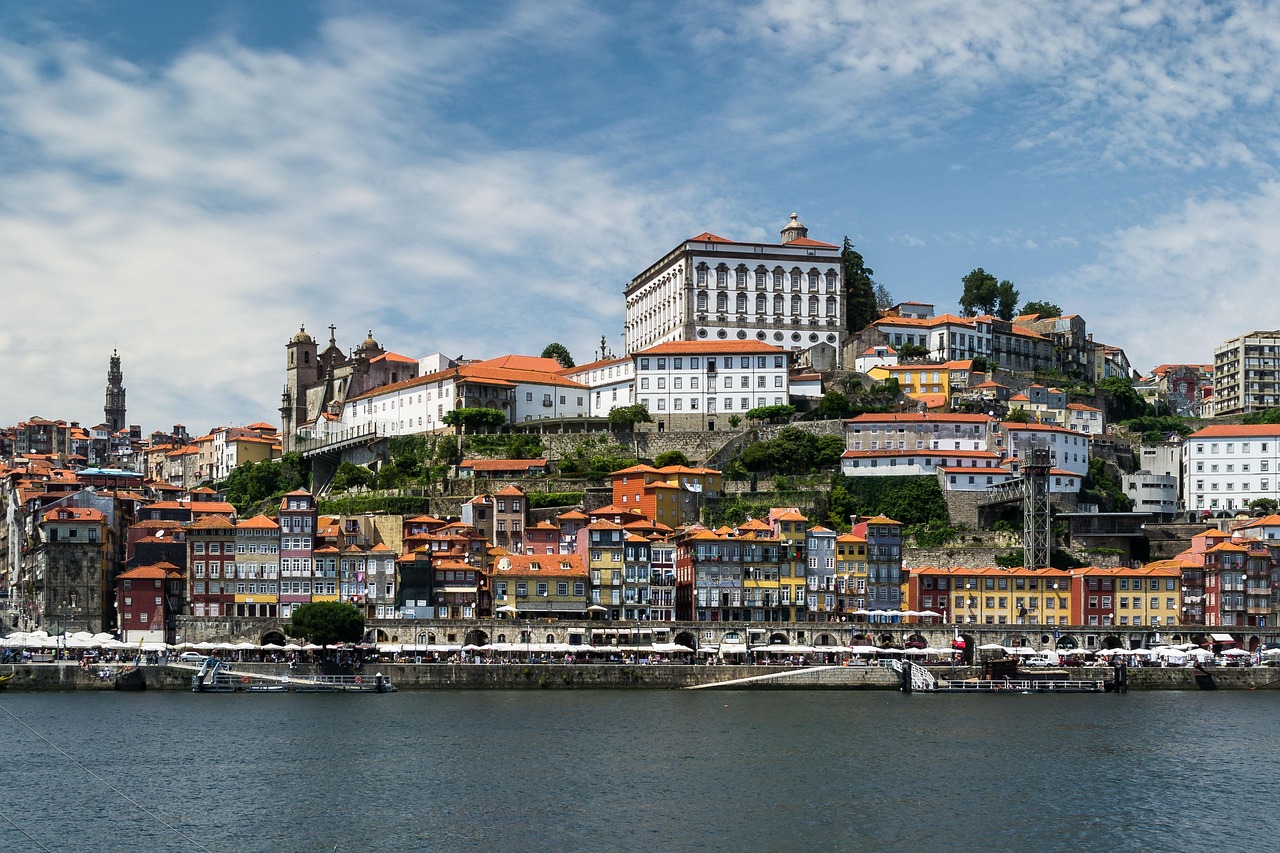



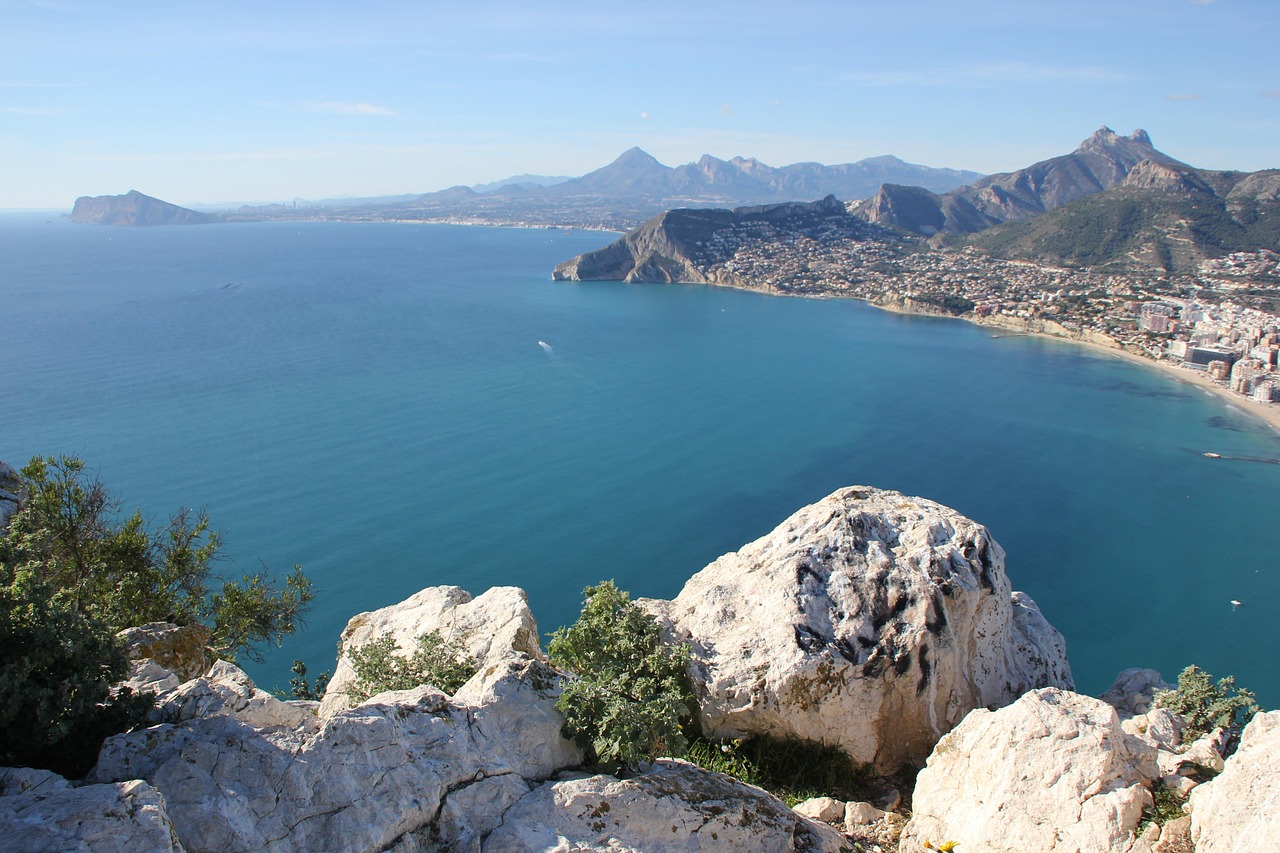
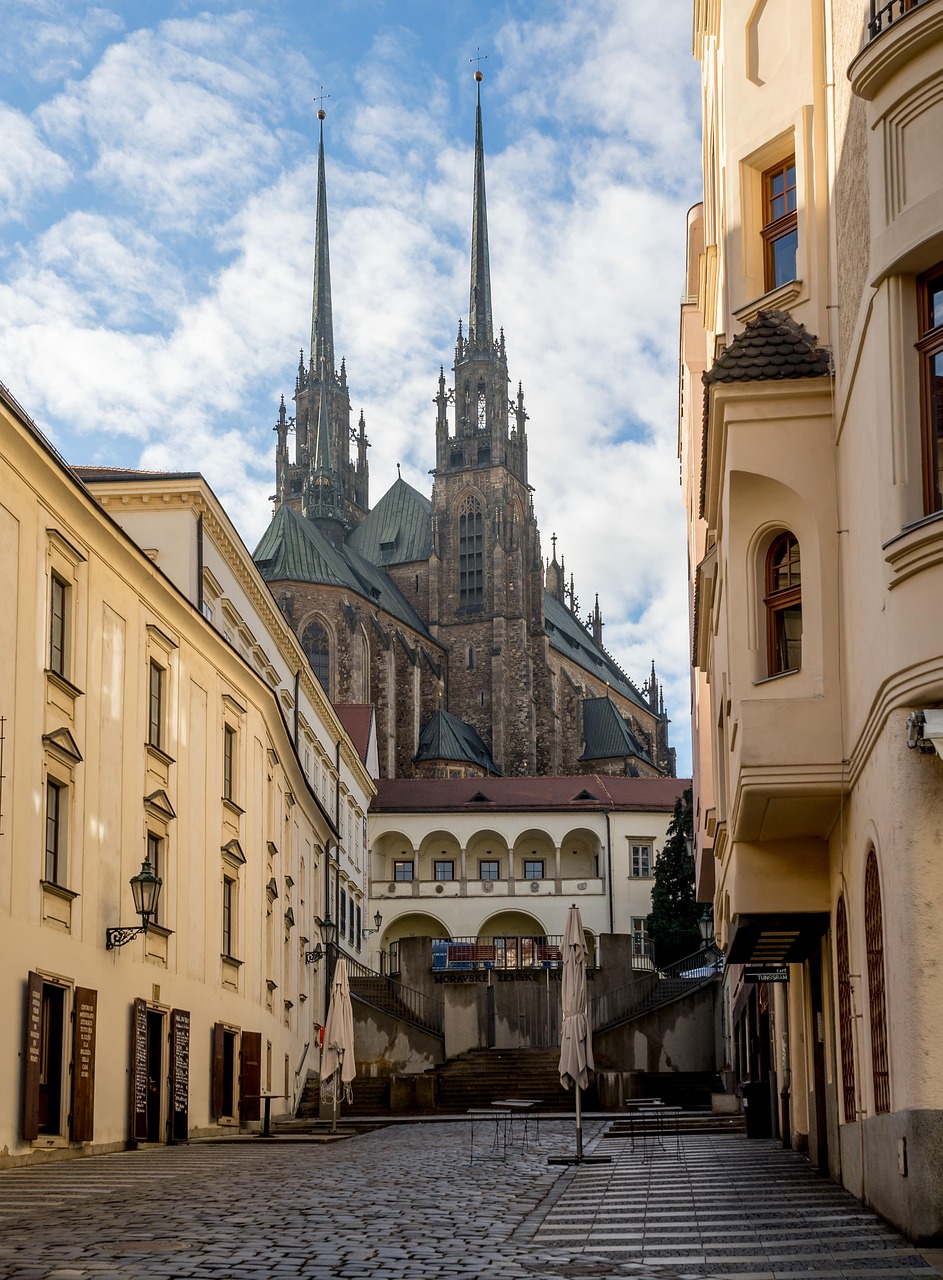
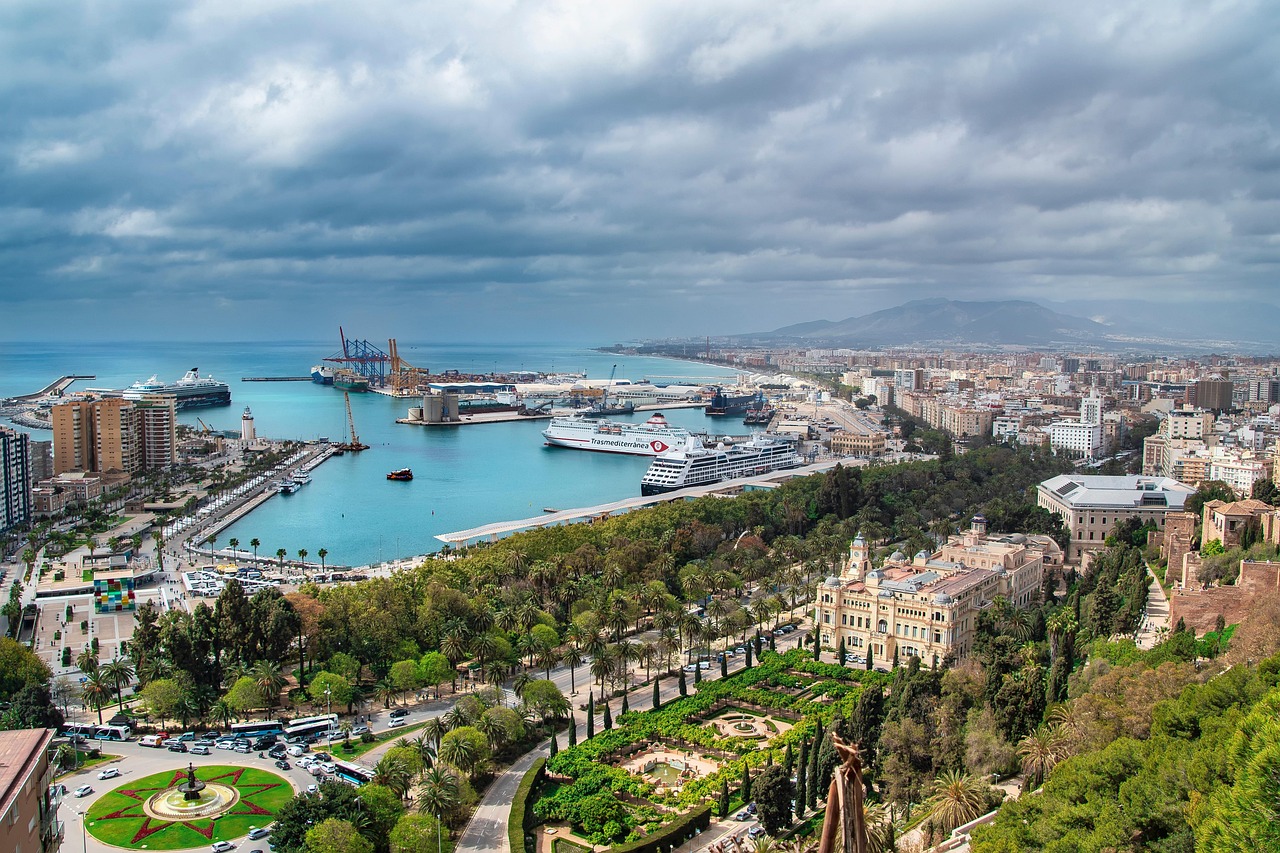
Cadiz doesn’t shout. It whispers. It’s a city poured from seashells and salt, built by Phoenicians and polished by the Atlantic breeze. When you step into the oldest continuously inhabited city in Western Europe, you don’t just sightsee—you listen. You lean into the chatter of laundry fluttering on cords strung between wrought-iron balconies, the low rumble of fishing boats nudging the harbor, the sudden, bright cry of a street guitarist letting a flamenco note hang in the air like a question.
I first came to Cadiz on a whim, chasing a promise of fried fish and a coastline that looked like the edge of the world. I stayed three days, then found excuses to return for three years. If you’re planning a trip in 2026, think of Cadiz not as a checklist but as a rhythm. You’ll feel it in your feet—cobblestones underfoot, ocean wind on your face—and then the 12 best things below will help you dance to it.
1) Lose Yourself in the Historic Heart: A Hidden-Gem Walking Tour of the Old Town
Start at Plaza de las Flores, where the morning market is a mosaic of color and chatter. The air smells like citrus rind and cuttlefish ink. A flower seller arranges bougainvillea while a neighbor leans out a second-floor window to negotiate the price of a kilo of tomatoes. This is the mood of Cadiz: intimate, lived-in, slightly theatrical.
Walk east toward the Cathedral, but don’t rush. Duck into Calle Plocia and Calle Ancha, where the shadows are cool and the walls are thick enough to swallow the city’s noise. You’ll pass tucked-away plazas—Plaza de la Mina, Plaza de San Antonio—where kids chase soccer balls and old men debate the day’s catch. Keep your eyes up; the iron balconies are a museum in the air. Near the Teatro Romano, you’ll spot the interpretive center with its glass floors, a window onto Roman history. This hidden-gem walking tour of Cadiz old town is about peeling the city like an orange: slow, fragrant, essential.
The old town is always open, but shops and cafes typically run 9:00–14:00 and 17:00–21:00. The Roman Theater interpretive center generally opens 10:00–18:00 (closed Mondays, but double-check in 2026). Allow 2–3 hours for a wandering route. Start at Plaza de las Flores, 11004 Cádiz, Spain.
2) Cathedral of the Holy Cross (The “Cathedral of the Sea”) and Its Golden Light
Cadiz Cathedral is a love letter to light. Built in the 18th century with stone quarried from the far-off island of Sanlúcar, it glows like a candle at dusk. Inside, the nave is airy and maritime; the light filtering through the high windows feels like surf breaking. Climb the Torre del Reloj if you can—the steps are narrow, your heart will be a little loud—but the reward is a 360-degree sweep of white rooftops, blue water, and the faint silhouette of the bay’s bridge.
Go late afternoon. The gold inside warms up, and the city outside softens into a postcard. It’s one of the best romantic things to do in Cadiz, Spain at sunset, especially if you time your descent with the bell’s chime.
Typically 10:00–18:00 (last entry often 30 minutes before closing). Sundays and religious holidays may have restricted visiting hours. Plaza de la Catedral, s/n, 11004 Cádiz, Spain.
3) Caleta Beach and the Castles: A Historic Landmarks in Cadiz La Caleta Guide
Caleta is the city’s backyard pool, a crescent of golden sand tucked between two fortresses. On one side stands the whimsical, turreted Castillo de San Sebastián; on the other, the stout Castillo de Santa Catalina. It’s a rare beach where history keeps you company. Locals jog the causeway at dawn, fishers cast lines off the rocks, and in the late afternoon the water turns a translucent green that makes you want to jump in even if you’re not a swimmer.
Walk out along the pier to the tiny Chapel of San Sebastián and watch the city breathe. This is also where the old thermal baths once drew health-seekers; today, you come for sea air and sunsets that stain the water copper. If you’re compiling a list of historic landmarks in Cadiz La Caleta, these castles and the promenade are the heart of it.
The beach is always open. The castles typically open 10:00–18:00, but hours vary seasonally. Playa de la Caleta, 11003 Cádiz, Spain.
4) Mercado Central de Abastos: A Sensory Deep Dive
If Cadiz had a heartbeat, it would sound like the Mercado Central. The building is a 1920s Modernista jewel with ironwork and tile, but the life inside is pure present tense. Stalls spill over with glistening red mullet, silver anchovies, and the city’s famous bluefin tuna when in season. The fishmongers are poets with knives; they’ll tell you which cut is best for adobo (vinegar, cumin, and a quick fry) and which is destined for a simple grilled dinner with nothing but salt and lemon.
Vendors hawk olives from nearby Sanlúcar, wheels of goat cheese from the Sierra, and sun-warmed tomatoes that smell like summer. Stand at the central bar for a plate of boquerones (fresh anchovies) and a cold caña (small draft beer). It’s arguably the best tapas bar in Cadiz by default: the raw material is the star, and the banter is free.
Typically 8:00–15:00 daily. Some stalls close on Sundays and Mondays. Calle Candelaria, s/n, 11004 Cádiz, Spain.
5) Tapas Crawl in Barrio del Pópulo and La Viña: Cadiz Food Tour Best Tapas Bars 2026
Start in Barrio del Pópulo, the medieval quarter with stone arches and a sense of drama. Order fried fish—pescaíto frito—here, a mix of tiny calamari, dogfish (cazón in adobo), and shrimp that crackle under your teeth. The batter should be feather-light, the oil clean. Move on to La Viña, the neighborhood that feels like a seaside village inside the city. At La Taberna del Tío Juan, try the tortillitas de camarones (shrimp fritters as delicate as lace). At Lo Güeno, ask for the special montaditos and let the owner recommend. Finish at El Manolo for a glass of manzanilla and a plate of jamón. If you want a guided angle, you can book a Cadiz food tour that ties these places together, but the soul of Cadiz tapas is DIY: walk, taste, talk, repeat.
Most bars open 12:00–16:00 and 19:30–23:30. Barrio del Pópulo (Calle Compañía/Plocia) and La Viña (Calle Virgen de la Palma) are within a 10–15 minute walk of Plaza de las Flores.
6) Las Tres Villas Viewpoint and Santa María Quarter: Romantic Cadiz at Sunset
For the most romantic corner of Cadiz, climb into the Santa María neighborhood, where the houses are painted in candy colors and the streets are narrow enough to touch both walls if you stretch your arms. Find the small mirador at Calle Las Tres Villas. The view is pure theater: the cathedral dome in the foreground, the bay beyond, the distant hills of Puerto Real.
As the sun drops, the city warms to amber; the call to prayer from a nearby mosque mingles with church bells. It’s quiet up here, intimate. Bring a small bottle of fino and two plastic cups, sit on the low wall, and watch the sky burn down. This is one of those best romantic things to do in Cadiz, Spain sunset moments that doesn’t cost a thing but will stay with you for years.
Always open; best 30 minutes before sunset. Mirador de Las Tres Villas, off Calle Las Tres Villas, Barrio de Santa María, 11004 Cádiz, Spain.
7) Parque Genovés: A Quiet Green Oasis with Ocean Views
Parque Genovés is Cadiz’s living room. It’s a botanical garden wrapped around a historic palace, with winding paths, lagoons, and a cascade that spills over mossy stones. You’ll find a statue of Columbus, shady benches, and the kind of silence that makes you notice the rustle of palm fronds. Walk to the northern edge for a balcony over the Atlantic; waves crash against the rocks below, sending spray into the air on windy days.
It’s perfect for families: kids can run, parents can breathe. Bring a book, a pastry from a nearby bakery, and surrender to the shade. If you’re looking for budget friendly things to do in Cadiz 2026, this park is a daily dose of beauty at no cost.
Typically 8:00–22:00 year-round. Paseo de la Alameda, s/n, 11004 Cádiz, Spain.
8) La Caleta’s Tide Pools and the Old Thermal Baths (Balneario de la Caleta)
At low tide, the edges of Caleta Beach become a playground of natural pools. Kids and playful adults hop between rocks to find starfish and tiny crabs. The Balneario de la Caleta, a handsome Modernista building, once welcomed sea-bather clients for its thermal waters. Today, the structure is a quiet landmark—part of the city’s long romance with the sea. Walk its promenade, peer into the clear pools, and, if the wind is right, watch kite surfers carve arcs beyond the harbor mouth.
It’s a lovely add-on to your La Caleta tour and a reminder that Cadiz has been healing and entertaining itself with the ocean for centuries.
Promenade always accessible; interior access varies. Paseo de la Caleta, near Calle San Miguel, 11003 Cádiz, Spain.
9) Day Trip to Jerez: Sherry Bodega Tour and Horses
Cadiz is a gateway to the sherry triangle, and Jerez de la Frontera is the star. In about 45 minutes by bus or train, you’ll swap ocean breezes for the warm, nutty scent of soleras. Book a tour at a classic bodega like Tío Pepe (González Byass) or Lustau; you’ll learn how palomino grapes become fino, manzanilla, or oloroso, and you’ll taste the differences like a crash course in liquid geography. Pair it with a visit to the Royal Andalusian School of Equestrian Art for the famed “How the Andalusian Horses Dance” show. This is a perfect Cadiz to Jerez sherry bodega tour day trip: elegant, delicious, and deeply Andalusian.
Bodegas typically offer tours 10:00–18:00; book ahead. The equestrian show is often at 12:00. Trains run regularly from Cadiz to Jerez (about 40–50 minutes). Tío Pepe: Calle Fernández y González, 12, 11402 Jerez. Real Escuela Andaluza: Avenida de Duque de Abrantes, s/n, 11407 Jerez.
10) Day Trip to Tarifa: Kite Surfing, Wind, and White Villages
Tarifa is the wind capital of Europe and a magnet for kite surfers. From Cadiz, it’s about 70–90 minutes by car or bus, and the landscape shifts to dunes, wide beaches, and the dramatic silhouette of Morocco across the Strait. Even if you’re not riding the wind, it’s worth it to stand on Playa de Los Lances and watch the colorful kites dance. The town itself is a maze of whitewashed lanes, surf shops, and sunny plazas.
Add a detour to Bolonia for Roman ruins and a wild beach. If you’re looking for a day trip from Cadiz to Tarifa kite surfing experience, you can book lessons or taster sessions; the schools are professional and welcoming.
Kite schools generally operate 10:00–18:00, weather permitting. Playa de Los Lances is just north of town. Plaza de Santa María, 11380 Tarifa, Spain.
11) Playa de la Cortadura and Playa del Chato: Best Beaches Near Cadiz for Families 2026
If you want wide, soft sand and safe swimming, head south to La Cortadura. It’s a long arc of beach backed by dunes and a pine grove, with boardwalks and ramps for strollers and wheelchairs. Lifeguards are usually on duty in summer, and the waves are gentle enough for kids to splash in. A bit further is Playa del Chato, quieter, with a view of the shipping lanes and the distant outline of Rota.
Bring a picnic, a shade tent, and a frisbee. These are the best beaches near Cadiz for families in 2026 because they’re easy to reach (15–20 minutes by car or bus), clean, and unpretentious. You’ll hear the clink of anchor chains and the laughter of kids, and you’ll realize Cadiz is as much a beach town as it is a historic city.
Always open. Lifeguards typically 11:00–19:00 from June to September. Playa de la Cortadura: Access via N-340 or Avenida de la Cortadura, 11100 Cádiz.
12) San Carlos Church and the Puertas de Tierra: A Walk Through Time
Finish your Cadiz journey by stepping through the old city gates, the Puertas de Tierra, which once guarded the landward approach. The neoclassical San Carlos Church sits beside them, a quiet counterpoint to the seafront grandeur. This area is less crowded but rich in atmosphere: military architecture, leafy avenues, and locals heading to work or the park.
It’s a good spot to reflect on the city’s layered history—from Phoenician traders to modern port life. Pair it with a stroll down Avenida Cánovas del Castillo toward the port, where you’ll see the skyline you’ve just come to know by heart.
Gates always accessible. San Carlos Church generally opens for services; check current times. Puertas de Tierra, Plaza de la Hispanidad, 11005 Cádiz.
Cadiz, Spain 3-Day Itinerary for First Timers (2026 Edition)
Day 1: Old Town Heart and Harbor
Morning: Start at Plaza de las Flores for coffee and churros. Dive into the hidden-gem walking tour of the old town (Pópulo, Roman Theater, Calle Ancha). Visit the Cathedral mid-afternoon for the golden light.
Late Afternoon: Caleta Beach and the castles.
Evening: Tapas crawl in La Viña—fried fish, tortillitas, fino.
Night: Walk the seafront promenade under the stars.
Day 2: Green Spaces and Sunset Magic
Morning: Parque Genovés and a slow stroll along the sea balcony. Visit Mercado Central de Abastos for breakfast and a fish tasting.
Lunch: Market bar or nearby taberna.
Afternoon: Tide-pool exploring at La Caleta and a visit to the thermal baths exterior.
Late Afternoon: Head to Santa María and the Las Tres Villas viewpoint for sunset.
Dinner: Romantic, simple—grilled fish and a bottle of manzanilla.
Day 3: Day Trips Choose Your Adventure
Option A (Culture): Train to Jerez. Bodega tour at 11:00, equestrian show at 12:00, plaza lunch. Return for a final evening stroll.
Option B (Coast/Adrenaline): Bus or car to Tarifa. Morning kite-surf watching or a beginner lesson, lunch in the old town, afternoon at Playa de Los Lances. Optional detour to Bolonia for Roman ruins at Baelo Claudia.
Option C (Families): Head to Playa de la Cortadura for sandcastles and swimming. Picnic under the pines. Return for an early dinner and park time at Parque Genovés.
Budget-Friendly Cadiz Tips (2026)
- Walk everywhere: The historic core is compact and flat; you’ll save money and see more.
- Go to the market for lunch: The central bar’s daily specials are the best value.
- Sunset is free: Las Tres Villas and the seafront promenade cost nothing and deliver world-class views.
- Use municipal beaches: La Cortadura is clean, accessible, and often free of the big crowds.
- Take buses to Jerez and Tarifa: Frequent, affordable, and scenic.
How to Get Around
Cadiz is a walking city. From the train station, it’s a 15–20 minute walk to the cathedral. Local buses cover beaches and outer neighborhoods; taxis are reliable. For Jerez, the train is swift and comfortable. For Tarifa, buses run from the station; driving is easy but parking in Tarifa’s old town can be tight in summer.
Where to Stay (Quick Suggestions)
- Near Plaza de las Flores: For first-timers who want to be in the middle of it all.
- Barrio del Pópulo: For atmospheric lanes and late-night tapas.
- La Viña: For beachy vibes and family-friendly stays.
- Near the seafront promenade: For sunrises and ocean sounds.
A Final Note on Cadiz’s Soul
Cadiz is a city that invites you to slow down and pay attention. The 12 best things to do in Cadiz, Spain are less about ticking boxes and more about finding your favorite corners: the café with the best churros, the bench with the best view, the bar where the owner remembers you after one visit. In 2026, the city will still be itself—weathered, luminous, Atlantic-soaked—ready to meet you wherever you are. Bring good shoes, a curious heart, and an appetite for the simple pleasures that Cadiz has perfected over millennia. The ocean will do the rest.