
10 Stunning Spanish Destinations You Can Explore Without a Car
Spain's best cities and towns are easily accessible by public transport. Here's how to explore them without needing a rental car.
Why Traveling Spain Without a Car is Magic
There’s something deeply liberating about traveling without a car. No parking stress, no confusing roundabouts—just you, your senses, and the slow, delicious unfolding of a place on foot, by train, or by bus. Spain, with its world-class public transport and pedestrian-friendly cities, is one of the best countries in Europe for car-free travel.
1. Barcelona, Catalonia
Why Visit Barcelona Without a Car?
Barcelona rewards those who explore on foot. From Gaudí's surreal architecture to the sun-drenched beaches of Barceloneta, this city is best experienced without a car.
How to Get to Barcelona
Barcelona is one of Europe’s best-connected cities. El Prat Airport (BCN) is served by metro (L9 Sud), regional trains (R2 Nord), and buses (Aerobús). From Madrid, high-speed AVE trains take just 2.5 hours.
Getting Around Barcelona
Barcelona’s public transport is excellent. A T-Casual ticket (€11.35 for 10 trips) works on metro, buses, and trams. The Hola BCN! card offers unlimited travel for 2–5 days. But honestly? Walk as much as you can.
Where to Stay in Barcelona
- Budget: Hostel One Paralelo – A social, fun hostel with a great rooftop. Dorm beds from €20.
- Mid-range: Hotel Brummell – A stylish boutique hotel in Poble Sec, with a pool and fantastic brunch. Doubles from €150.
- Luxury: Hotel Casa Camper – A design lover’s dream, with a 24-hour snack bar and rooftop terrace. Doubles from €300.
Top Things to Do in Barcelona
- Sagrada Família – Gaudí’s masterpiece. Book tickets weeks in advance.
- Park Güell – Another Gaudí gem. Go early to avoid crowds.
- La Boqueria Market – A feast for the senses. Try jamón ibérico at El Quim de la Boqueria.
- Bunkers del Carmel – The best sunset spot in the city. Bring a bottle of wine.
Where to Eat in Barcelona
- Can Solé – Classic bodega serving the best suquet de peix (fish stew) in Barceloneta.
- Bar Cañete – Tiny, lively, and packed with locals. Order the secretos ibéricos (Iberian pork).
- Els Quatre Gats – A historic café where Picasso once dined. Try the crema catalana.
2. Madrid, Community of Madrid
Why Visit Madrid Without a Car?
Madrid is a city of grand boulevards, golden museums, and late-night revelry—all easily explorable on foot or by metro.
How to Get to Madrid
Adolfo Suárez Madrid-Barajas Airport (MAD) is connected by metro (Line 8), Cercanías trains (C1, C10), and the 24-hour Exprés Aeropuerto bus (€5). High-speed AVE trains link Madrid to Barcelona (2.5 hours) and Seville (2.5 hours).
Getting Around Madrid
Madrid’s metro is one of the best in Europe. A 10-trip ticket (€12.20) is a steal. But again, walk. The city’s layout is logical.
Where to Stay in Madrid
- Budget: The Hat Madrid – A rooftop bar with views of the Royal Palace. Dorms from €25.
- Mid-range: Room Mate Óscar – A design hotel in Chueca with a fun, theatrical vibe. Doubles from €120.
- Luxury: Mandarin Oriental Ritz – The grand dame of Madrid hotels. Doubles from €500.
Top Things to Do in Madrid
- Prado Museum – One of the world’s greatest art museums. Don’t miss Velázquez’s Las Meninas.
- Retiro Park – Madrid’s green lung. Rent a rowboat on the lake.
- Mercado de San Miguel – A gourmet market where you can graze on croquetas and boquerones.
- Gran Vía – Madrid’s answer to Broadway. Catch a flamenco show at Corral de la Morería.
3. Seville, Andalusia
Why Visit Seville Without a Car?
Seville is the heart of Andalusia—passionate, sun-baked, and dripping with history. Its historic center is compact and best explored on foot.
How to Get to Seville
Seville Airport (SVQ) is 10km from the city. The EA bus (€4) runs every 20 minutes. High-speed AVE trains from Madrid take 2.5 hours (from €30).
Getting Around Seville
Seville’s historic center is walkable. For longer distances, the tram (T1) and buses are efficient. Bike rentals are also popular.
Where to Stay in Seville
- Budget: Oasis Backpackers’ Palace – A lively hostel with a rooftop pool. Dorms from €18.
- Mid-range: Hotel Casa del Poeta – A charming boutique hotel with a courtyard pool. Doubles from €100.
- Luxury: Hotel Alfonso XIII – A stunning Moorish-style palace hotel. Doubles from €350.
Top Things to Do in Seville
- Real Alcázar – A breathtaking Moorish palace with gardens that feel like something out of One Thousand and One Nights.
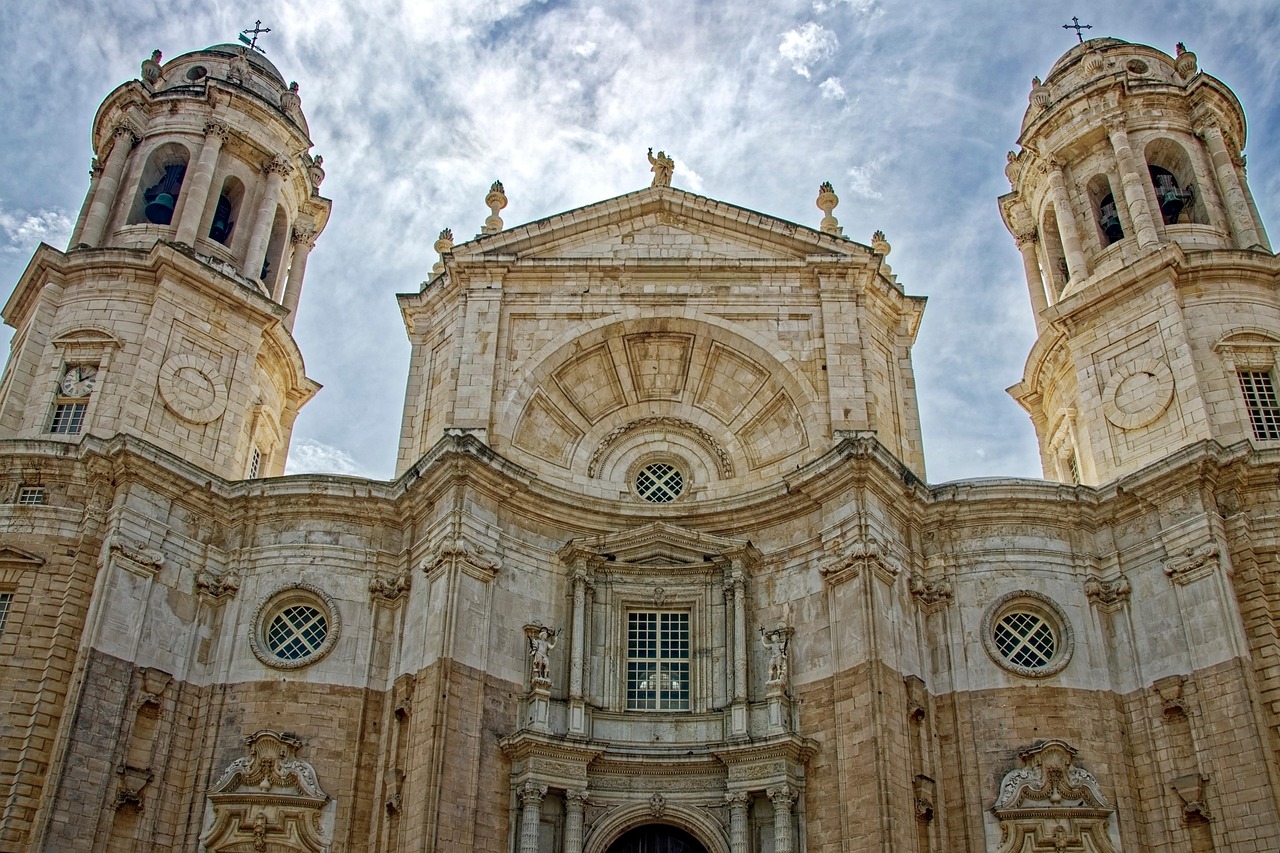
- Seville Cathedral & Giralda – The largest Gothic cathedral in the world. Climb the Giralda tower for panoramic views.
- Barrio Santa Cruz – The old Jewish quarter, a maze of whitewashed alleys and hidden plazas.
- Flamenco at Casa de la Memoria – An intimate, authentic flamenco experience.
4. Granada, Andalusia
Why Visit Granada Without a Car?
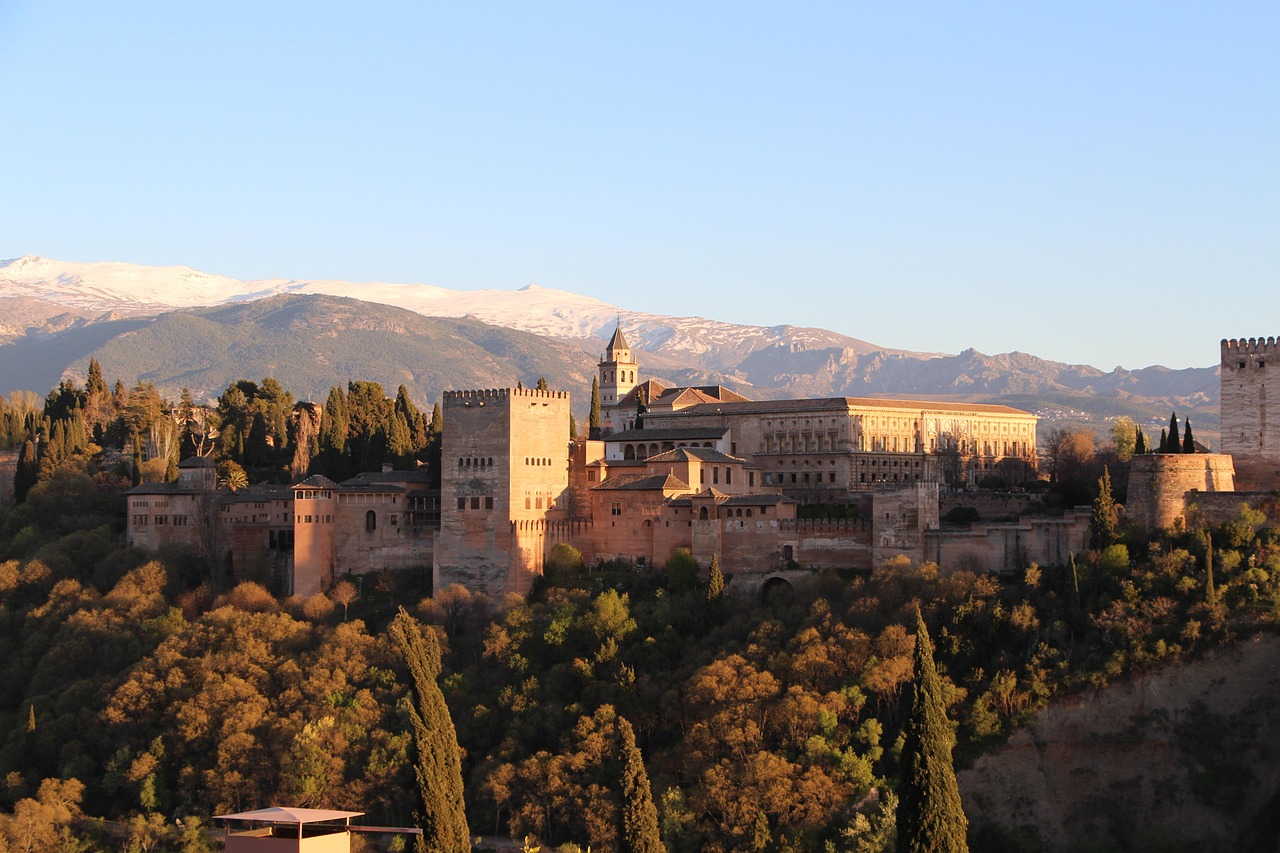
Granada is a city of legends, where the Alhambra’s red towers glow at sunset and the echo of Moorish Spain lingers in every corner.
How to Get to Granada
Granada Airport (GRX) has limited flights. Most travelers arrive by bus (ALSA from Seville, Madrid, or Málaga) or train (Renfe to Granada station).
Getting Around Granada
Granada’s center is walkable, but hilly. The local buses (€1.40 per ride) are useful for getting to the Alhambra or Albaicín.
Where to Stay in Granada
- Budget: Makuto Hostel – A cozy, artsy hostel with a great vibe. Dorms from €15.
- Mid-range: Hotel Casa 1800 Granada – A restored 19th-century mansion with a rooftop pool. Doubles from €90.
- Luxury: Parador de Granada – Staying in a former Moorish palace within the Alhambra grounds is a once-in-a-lifetime experience. Doubles from €250.
Top Things to Do in Granada
- Alhambra – The crown jewel of Granada. Book tickets months in advance.
- Albaicín – The old Moorish quarter, a labyrinth of narrow streets and whitewashed houses.
- Sacromonte – The gypsy quarter, famous for its cave houses and flamenco zambras.
- Hammam Al Ándalus – A stunning Arab bathhouse. Book a massage and melt into the marble.
5. Córdoba, Andalusia
Why Visit Córdoba Without a Car?
Córdoba is a city of contrasts—where a mosque’s arches cradle a cathedral, and flower-filled patios hide behind ancient walls.
How to Get to Córdoba
Córdoba Airport (ODB) has limited flights. Most travelers arrive by train—AVE trains from Madrid (1h 45m, €30) or Seville (45m, €15).
Getting Around Córdoba
Córdoba’s center is tiny and entirely walkable. The tourist bus (€10) is useful for an overview, but just wander.
Where to Stay in Córdoba
- Budget: Hostel Socorro – A simple, clean hostel in the heart of the Jewish Quarter. Dorms from €16.
- Mid-range: Hotel Madinat – A charming hotel with a courtyard pool. Doubles from €80.
- Luxury: NH Collection Amistad Córdoba – A 17th-century palace turned boutique hotel. Doubles from €150.
Top Things to Do in Córdoba
- Mezquita-Catedral – The star of Córdoba. A forest of red-and-white arches, with a Renaissance cathedral in the middle.
- Jewish Quarter (Judería) – A maze of narrow streets and flower-filled patios. Don’t miss Calleja de las Flores.
- Alcázar de los Reyes Cristianos – A fortress with beautiful gardens and Roman mosaics.
- Patios of Córdoba – If you visit in May, don’t miss the Festival de los Patios.
6. Valencia, Community of Valencia
Why Visit Valencia Without a Car?
Valencia is Spain’s third-largest city, but it feels like a breezy, sun-drenched village. It’s where paella was born, and where futuristic architecture meets medieval streets.
How to Get to Valencia
Valencia Airport (VLC) is 8km from the city. The metro (Lines 3 and 5, €4.90) takes 25 minutes. High-speed AVE trains from Madrid take 1h 40m (€30).
Getting Around Valencia
Valencia’s metro and buses are excellent. A Bonobús (10 trips, €7.20) is a bargain. The city is also bike-friendly.
Where to Stay in Valencia
- Budget: Red Nest Hostel – A social hostel with a rooftop terrace. Dorms from €18.
- Mid-range: Caro Hotel – A boutique hotel in a restored 19th-century palace. Doubles from €120.
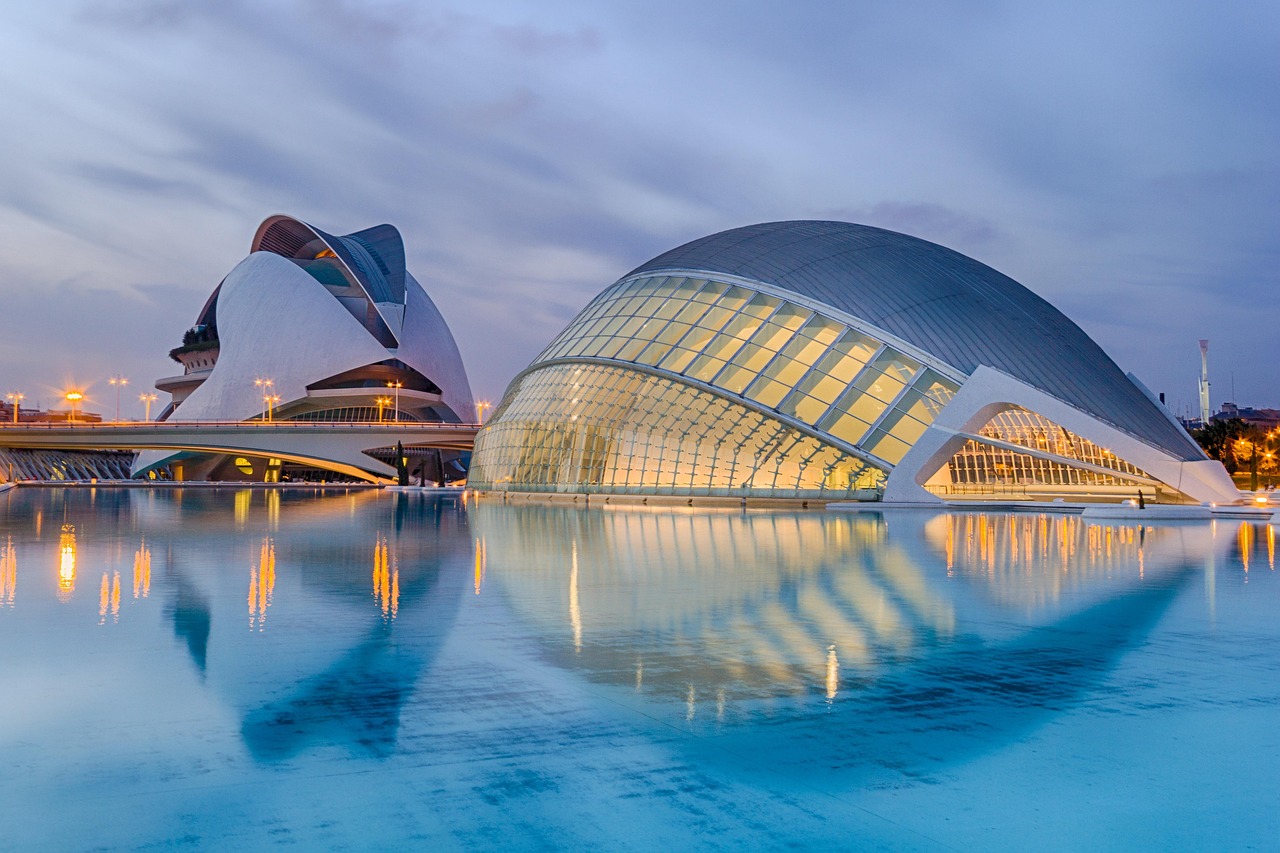
- Luxury: The Westin Valencia – A sleek, modern hotel in the City of Arts and Sciences. Doubles from €200.
Top Things to Do in Valencia
- City of Arts and Sciences – A futuristic complex designed by Santiago Calatrava.
- Central Market – A stunning Modernist market. Try horchata at Horchatería Santa Catalina.
- La Lonja de la Seda – A UNESCO-listed Gothic masterpiece.
- Malvarrosa Beach – A long, sandy beach perfect for a sunset walk.
7. San Sebastián, Basque Country
Why Visit San Sebastián Without a Car?
San Sebastián is a city of dreams—where emerald hills meet the sea, and where pintxos (Basque tapas) are elevated to an art form.
How to Get to San Sebastián
San Sebastián Airport (EAS) is 20km from the city. The E21 bus (€2.85) takes 30 minutes. From Madrid, take the Renfe train to Bilbao (5h, €30) and transfer to the Euskotren (1h, €5).
Getting Around San Sebastián
San Sebastián is tiny—you can walk from one end to the other in 30 minutes. The buses (€1.75 per ride) are useful for the hills.
Where to Stay in San Sebastián
- Budget: A Room In The City – A stylish, affordable guesthouse. Doubles from €70.
- Mid-range: Hotel Villa Soro – A 19th-century villa with a garden. Doubles from €150.
- Luxury: Hotel María Cristina – A Belle Époque masterpiece. Doubles from €300.
Top Things to Do in San Sebastián
- La Concha Beach – The city’s iconic crescent-shaped beach.
- Monte Urgull – A short hike with panoramic views of the city.
- Pintxos crawl in Parte Vieja – Start at Bar Txepetxa and end at La Cuchara de San Telmo.
- Peine del Viento – A striking sculpture by Eduardo Chillida.
8. Toledo, Castile-La Mancha
Why Visit Toledo Without a Car?
Toledo is a city frozen in time—a medieval labyrinth of swords, synagogues, and El Greco paintings, perched on a hill above the Tagus River.
How to Get to Toledo
Toledo is an easy day trip from Madrid. AVE trains take 30 minutes (€10–€20). ALSA buses take 1h 15m (€5).
Getting Around Toledo
Toledo’s streets are steep and cobbled—wear comfortable shoes! The tourist bus (€10) is useful for an overview.
Where to Stay in Toledo
- Budget: Hostal del Cardenal – A simple, clean guesthouse. Doubles from €50.
- Mid-range: Hotel Carlos V – A 16th-century palace with a courtyard. Doubles from €100.
- Luxury: Parador de Toledo – A stunning hilltop parador with views of the city. Doubles from €180.
Top Things to Do in Toledo
- Toledo Cathedral – A Gothic masterpiece with a sacristy full of El Greco paintings.
- El Greco Museum – Dedicated to Toledo’s most famous artist.
- Sinagoga del Tránsito – A stunning 14th-century synagogue.
- Mirador del Valle – The best viewpoint over Toledo. Go at sunset.
9. Santiago de Compostela, Galicia
Why Visit Santiago de Compostela Without a Car?
Santiago de Compostela is the endpoint of the Camino de Santiago, one of the world’s most famous pilgrimage routes. It’s small, walkable, and full of Galician charm.
How to Get to Santiago de Compostela
Santiago de Compostela Airport (SCQ) is 12km from the city. The bus (€3) takes 20 minutes. Renfe trains from Madrid take 5h (€30).
Getting Around Santiago de Compostela
Santiago’s center is tiny and walkable. The buses (€1.20 per ride) are useful for the outskirts.
Where to Stay in Santiago de Compostela
- Budget: The Last Stamp – A pilgrim-friendly hostel. Dorms from €15.
- Mid-range: Hotel Spa Relais & Châteaux A Quinta da Auga – A luxurious countryside retreat. Doubles from €150.
- Luxury: Parador de Santiago – Hostal Reis Católicos – A 15th-century parador overlooking the cathedral. Doubles from €250.
Top Things to Do in Santiago de Compostela
- Santiago Cathedral – The heart of the Camino. Attend the Pilgrim’s Mass to see the botafumeiro swing.
- Mercado de Abastos – A food lover’s paradise. Try pulpo a la gallega.
- Alameda Park – A lovely green space with views of the cathedral.
- Day trip to Finisterre – The “end of the world” in Roman times.
10. Ronda, Andalusia
Why Visit Ronda Without a Car?
Ronda is the quintessential Andalusian white village—dramatically perched on a cliff, with a gorge splitting it in two. It’s romantic, historic, and easily explorable on foot.
How to Get to Ronda
Ronda is best reached by bus from Málaga (1.5h, €10), Seville (2h, €12), or Granada (2.5h, €15).
Getting Around Ronda
Ronda is tiny—you can walk from one end to the other in 20 minutes. The local buses (€1.20) are useful for the outskirts.
Where to Stay in Ronda
- Budget: Hostel Ronda – A simple, clean hostel. Dorms from €16.
- Mid-range: Hotel Catalonia Ronda – A modern hotel with a pool. Doubles from €90.
- Luxury: Parador de Ronda – A stunning parador with a cliffside pool. Doubles from €180.
Top Things to Do in Ronda
- Puente Nuevo – The iconic bridge spanning the El Tajo gorge.
- Plaza de Toros – One of Spain’s oldest bullrings.
- Baños Árabes – 13th-century Arab baths, some of the best-preserved in Spain.
- Alameda del Tajo – A lovely park with views of the countryside.