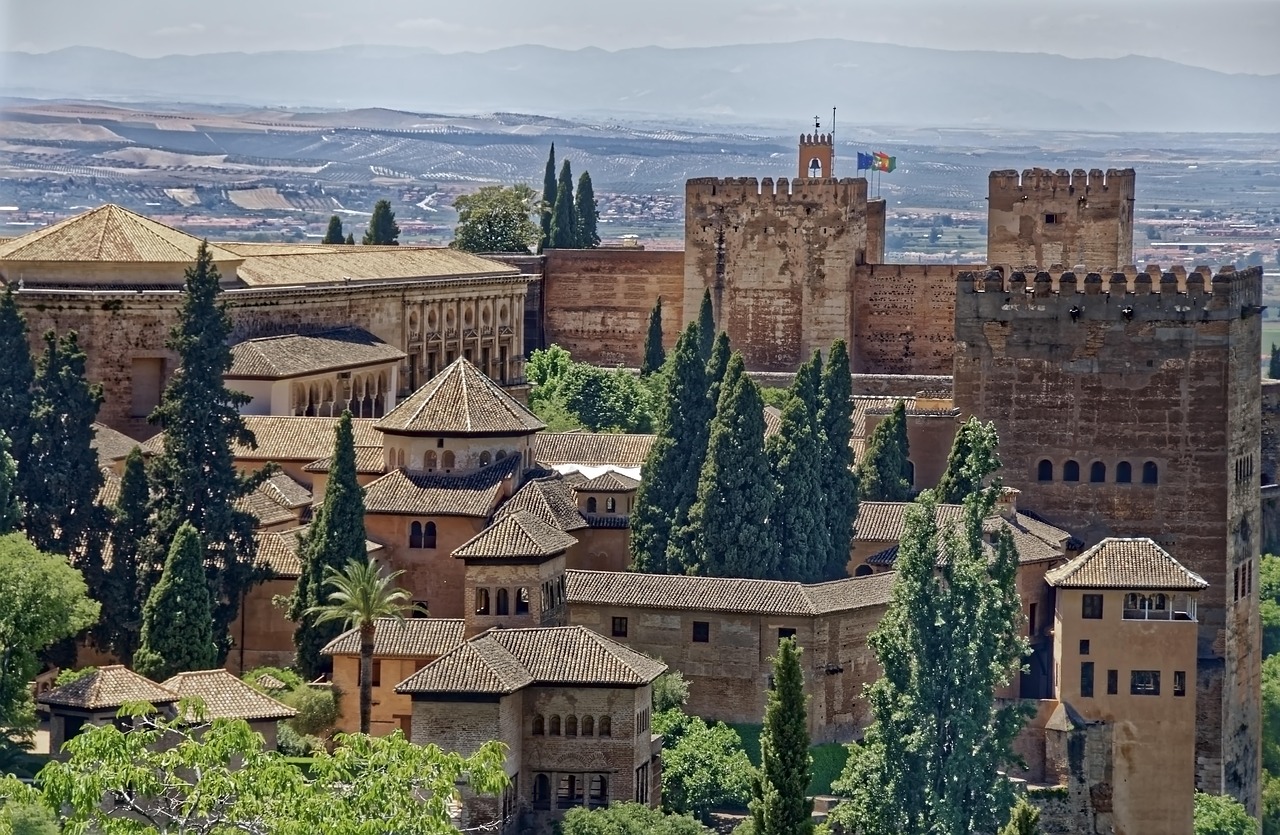
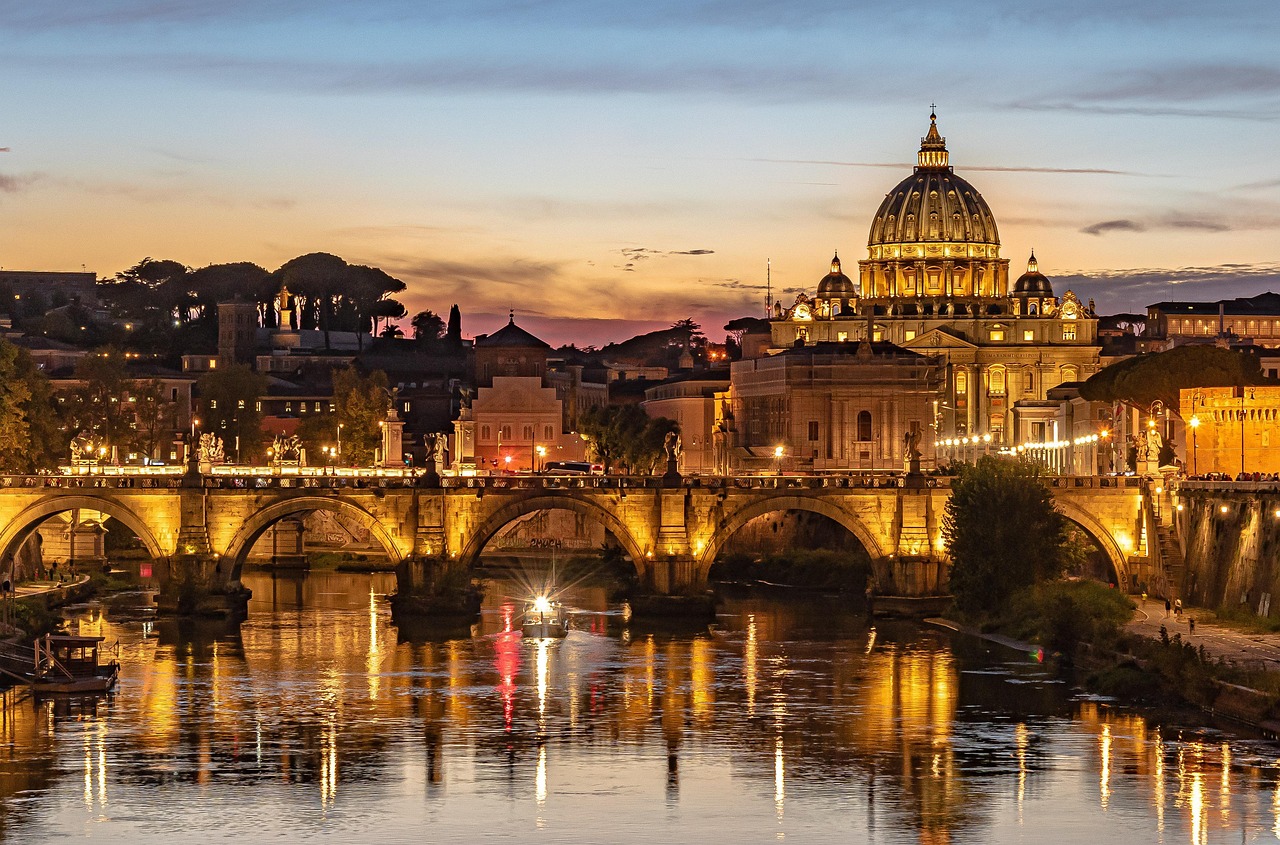

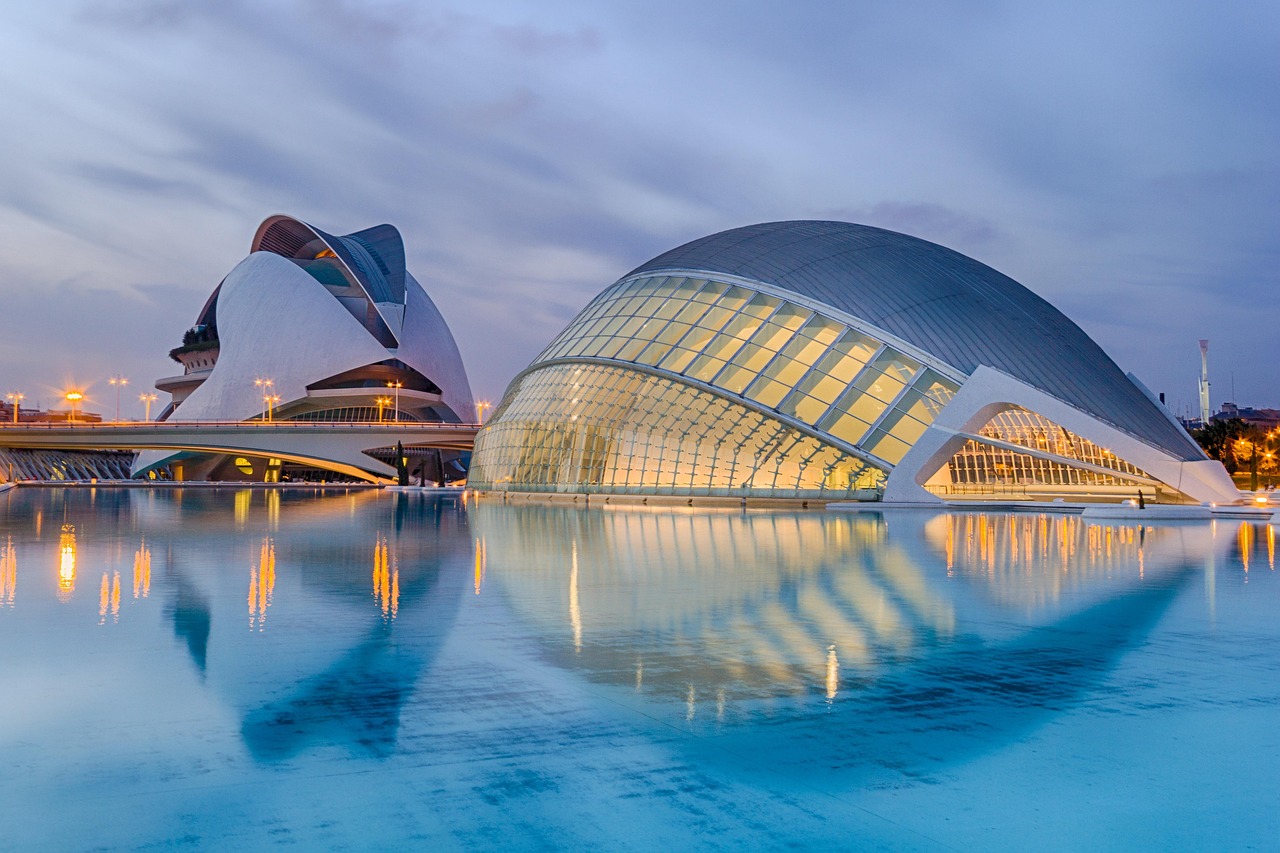
There’s something magical about stumbling upon a place so breathtaking it feels like you’ve stepped into a postcard—except no one else knows about it. Spain, with its sun-drenched landscapes, medieval villages, and dramatic coastlines, is a photographer’s paradise. But beyond the well-trodden paths of Barcelona’s Sagrada Família or the Alhambra’s intricate tilework lie hidden corners where the light dances just right, where the colors pop in ways that make your camera (and your heart) sing.
I’ve spent years wandering Spain’s backroads, chasing golden hour in forgotten pueblos and waking up at dawn to catch mist curling over secret valleys. These aren’t just places to snap a quick shot—they’re experiences. The kind where you linger, where the air smells of wild rosemary or salt from the sea, where an old man might nod at you from his doorway and say, “Ah, *este* is the real Spain.”
So, if you’re tired of jostling for space at Park Güell or waiting in line for that *perfect* shot of the Mezquita, here are 10 hidden gems where you can capture Spain’s soul without the crowds. Pack your camera, charge your batteries, and let’s go.
1. Ronda’s Hidden Balcony (Andalusia)
Address: Calle Tenorio, 29400 Ronda, Málaga
Hours: Best at sunrise or sunset; accessible 24/7
Ronda is famous for its jaw-dropping Puente Nuevo, the stone bridge spanning the El Tajo gorge. But most tourists snap their photos from the same two viewpoints and leave. The real magic? A tiny, unmarked balcony tucked away on Calle Tenorio, just a five-minute walk from the bridge.
I found this spot by accident one evening, chasing the last rays of sunlight. The balcony juts out over the gorge, offering an unobstructed view of the bridge from below—no railings, no crowds, just you and the sheer drop into the river valley. The light here is ethereal, especially in the early morning when mist clings to the gorge walls. Bring a wide-angle lens to capture the bridge’s grandeur and a telephoto for the eagles that often circle overhead.
Pro tip: Visit in spring when the almond trees bloom, adding a soft pink haze to the dramatic landscape.
2. The Ghost Village of Belchite (Aragón)
Address: 50134 Belchite, Zaragoza
Hours: Open daily, but best in late afternoon for long shadows
If you’ve ever wanted to photograph a place frozen in time, Belchite is it. This village was destroyed during the Spanish Civil War and left in ruins as a memorial. The new town was built nearby, but the old one remains, crumbling and hauntingly beautiful.
Walking through Belchite’s skeletal streets, you’ll find peeling frescoes in abandoned churches, bullet holes in walls, and doorways leading to nowhere. The play of light and shadow here is incredible—especially in the golden hour when the sun turns the stone a warm ochre. It’s eerie, yes, but also profoundly moving. I once spent an entire afternoon here, capturing the way ivy crept over a collapsed bell tower, nature slowly reclaiming what war had taken.
Pro tip: Visit on a weekday to have the ruins almost to yourself. And bring a tripod for long-exposure shots of the empty streets.
3. The Blue Lagoon of Las Médulas (Castilla y León)
Address: 24442 Las Médulas, León
Hours: Sunrise to sunset; best in early morning for still water
Las Médulas is a UNESCO World Heritage site, but it’s often overlooked in favor of more famous Spanish landmarks. This was once the largest gold mine in the Roman Empire, and today, its landscape is a surreal mix of red clay cliffs and emerald-green lagoons.
The Laguna de las Médulas is the star. At dawn, the water is so still it mirrors the sky perfectly, creating a dreamy, almost otherworldly reflection. The colors here are unreal—deep blues, fiery reds, and vibrant greens. I remember sitting on the shore one morning, watching the mist rise off the water as the first light hit the cliffs. It felt like standing on another planet.
Pro tip: Hike the Mirador de Orellán for a panoramic view of the entire site. The contrast between the lagoon and the rugged cliffs is stunning.
4. The Secret Beach of Cala Macarelleta (Menorca)
Address: Cala Macarelleta, 07740 Ciutadella, Menorca
Hours: Best before 10 AM or after 5 PM to avoid crowds
Menorca’s beaches are some of the most beautiful in the Mediterranean, but Cala Macarelleta is the crown jewel. Unlike its more famous neighbor, Cala Macarella, this tiny cove is hidden behind a short hike through pine forests and rocky outcrops.
The water here is so clear it looks like liquid turquoise, and the sand is powdery white. What makes it perfect for photography? The way the sunlight filters through the trees, casting dappled shadows on the sand. I once spent an entire afternoon here, photographing the way the waves lapped at the shore, the texture of the wind-carved rocks, and the lone sailboat that drifted by at sunset.
Pro tip: Bring a polarizing filter to enhance the water’s color and reduce glare.
5. The Fairy-Tale Village of Albarracín (Aragón)
Address: 44100 Albarracín, Teruel
Hours: Best at golden hour; streets are quieter in the early morning
Albarracín is one of Spain’s most beautiful medieval villages, but it’s still relatively unknown outside of Aragón. The entire town is built from a warm, pinkish stone, and its winding streets and ancient walls glow in the late afternoon sun.
I fell in love with Albarracín the first time I visited. The way the light hits the Plaza Mayor, the intricate ironwork on the balconies, the old women selling handmade lace in the doorways—it’s like stepping into a storybook. One of my favorite shots is of the Albarracín Cathedral at sunset, its silhouette stark against the pink sky.
Pro tip: Climb to the Mirador de Albarracín for a panoramic view of the village nestled in the valley.
6. The Salt Flats of Torrevieja (Alicante)
Address: Salinas de Torrevieja, 03180 Torrevieja, Alicante
Hours: Best at sunrise or sunset for soft light
You’ve heard of the pink lakes in Australia, but did you know Spain has its own? The Salinas de Torrevieja are a series of salt flats where the water turns a surreal shade of pink due to the algae and microorganisms that thrive in the salty environment.
I first visited on a whim, and I was blown away. The contrast between the pink water, the white salt crusts, and the deep blue sky is incredible. The best time to photograph is at sunrise when the light is soft and the flamingos (yes, flamingos!) are most active.
Pro tip: Use a drone for aerial shots of the geometric salt pans and the flamingos wading in the water.
7. The Hidden Waterfall of Ordesa Valley (Huesca)
Address: Parque Nacional de Ordesa y Monte Perdido, 22340 Broto, Huesca
Hours: Best in early morning for soft light and fewer hikers
The Ordesa Valley is one of Spain’s most stunning national parks, but most visitors stick to the main trails. If you’re willing to hike a bit, you’ll find Cola de Caballo, a hidden waterfall that cascades down the mountainside like a silver ribbon.
The hike to the waterfall is about 3 hours round-trip, but it’s worth every step. The valley is lush and green, with wildflowers dotting the meadows and the sound of the river accompanying you the whole way. When you finally reach the waterfall, the mist creates a rainbow effect in the sunlight—perfect for long-exposure shots.
Pro tip: Visit in early summer when the snowmelt makes the waterfall especially powerful.
8. The Abandoned Train Station of Canfranc (Aragón)
Address: Estación Internacional de Canfranc, 22880 Canfranc, Huesca
Hours: Exterior accessible 24/7; interior tours available on weekends
The Estación Internacional de Canfranc is one of Europe’s most hauntingly beautiful abandoned buildings. Once a grand railway station connecting Spain and France, it fell into disrepair after a bridge collapse in the 1970s. Today, its crumbling halls and peeling frescoes are a photographer’s dream.
I spent hours here, capturing the way the light streamed through broken windows, illuminating the dust motes in the air. The station’s grandeur is still evident, even in its decay—marble staircases, ornate ironwork, and faded murals tell the story of a place frozen in time.
Pro tip: Visit in winter when the station is often dusted with snow, adding a magical touch to the scene.
9. The Lavender Fields of Brihuega (Castilla-La Mancha)
Address: Campos de Lavanda, 19400 Brihuega, Guadalajara
Hours: Best in July when the lavender is in full bloom
If you’ve ever dreamed of photographing endless fields of purple lavender, Brihuega is the place to go. This small town in Castilla-La Mancha is home to some of Spain’s most beautiful lavender fields, and in July, the entire landscape turns into a sea of violet.
I visited last summer and was overwhelmed by the scent—sweet, earthy, and intoxicating. The best time to shoot is at sunrise when the dew makes the lavender glow and the light is soft and golden. Bring a macro lens to capture the tiny bees and butterflies that flit among the flowers.
Pro tip: Visit the Castillo de Brihuega for a panoramic view of the fields stretching to the horizon.
10. The Starlit Skies of Teide National Park (Tenerife)
Address: Parque Nacional del Teide, 38300 Tenerife, Canary Islands
Hours: Best for astrophotography; arrive before sunset to set up
If you’ve ever wanted to photograph the Milky Way, Teide National Park is one of the best places on Earth to do it. The park’s high altitude and lack of light pollution make it a prime spot for astrophotography.
I’ll never forget the first time I saw the stars here. The sky was so clear, so vast, it felt like I could reach out and touch the galaxies. The volcanic landscape adds a dramatic foreground—twisted lava rocks, the shadow of Mount Teide, and the occasional flash of a shooting star.
Pro tip: Bring a wide-angle lens (14-24mm), a sturdy tripod, and a headlamp with a red light to preserve your night vision.
Final Thoughts: Chasing the Unseen
Spain is a country of contrasts—where ancient and modern collide, where the land shifts from desert to forest to sea in the span of a few hours. But its true magic lies in the places that haven’t been Instagrammed to death, the corners where time moves slower and the light feels softer.
These 10 hidden gems are more than just photography spots; they’re invitations to slow down, to look closer, to see Spain in a way most travelers never do. So pack your camera, step off the beaten path, and let these places surprise you. Because the best photos aren’t just taken—they’re *felt*.