
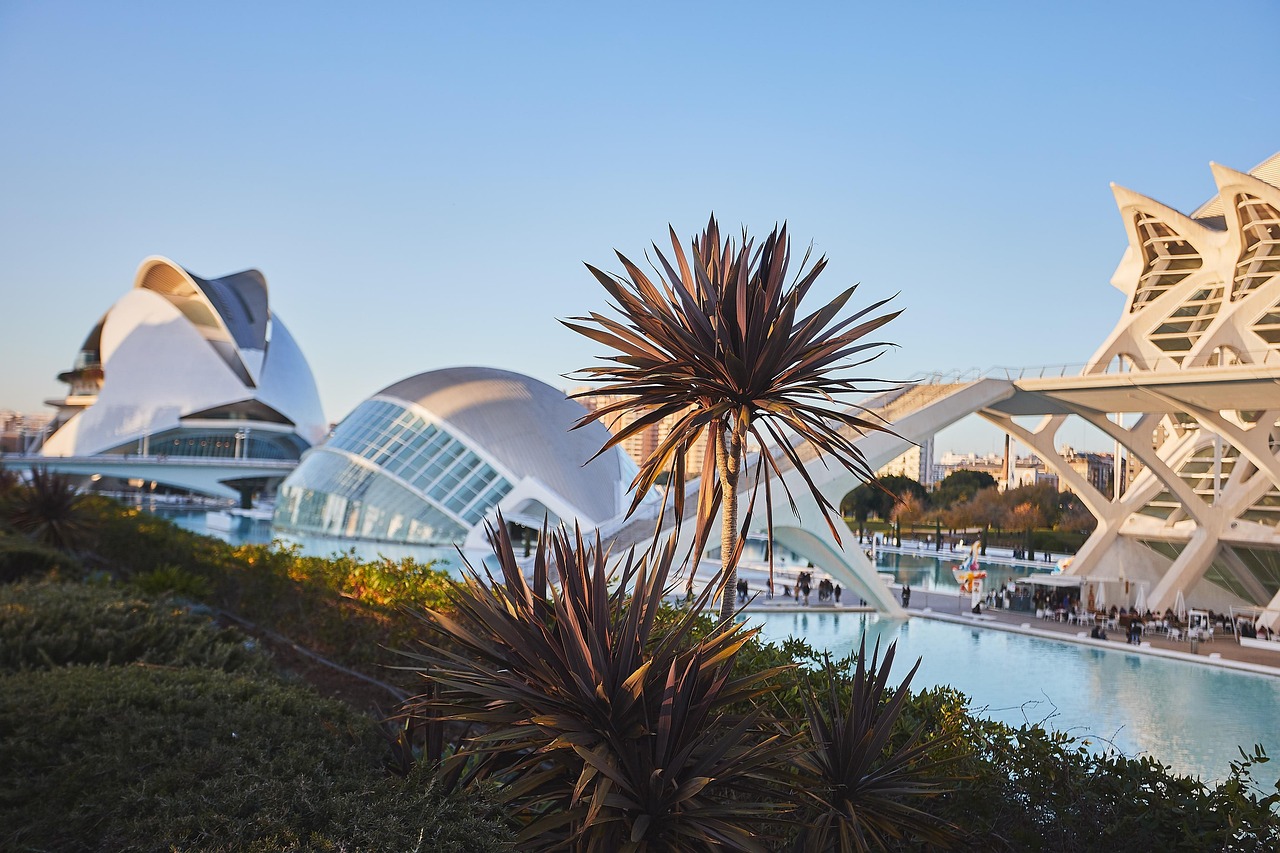
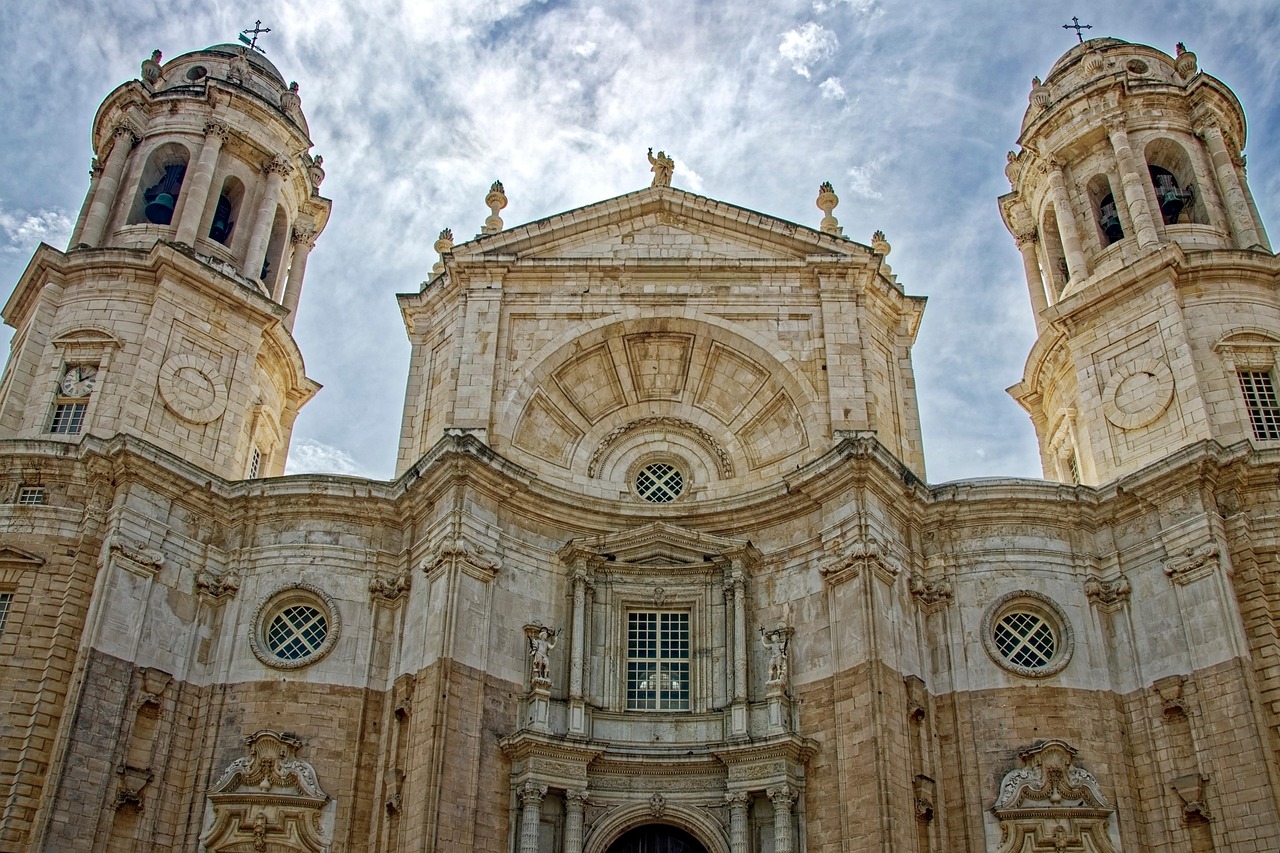
There’s something magical about Spain in the summer. The sun hangs golden over ancient stone streets, the scent of sizzling garlic and sea salt drifts through the air, and the sound of laughter and clinking glasses fills the plazas long into the night. But if you’re tired of the same crowded beaches and tourist traps, let me take you off the beaten path. Over the past decade, I’ve wandered through Spain’s lesser-known corners, stumbling upon hidden villages, secret coves, and quiet towns where time seems to slow down. These are the places where you can still feel the soul of Spain—untouched, authentic, and utterly unforgettable.
Pack your bags, grab a map (or just follow your intuition), and let’s dive into 10 hidden gems that will make your summer escape anything but ordinary.
1. Cadaqués, Catalonia: Where Salvador Dalí Found His Muse
Address: Cadaqués, Girona, Catalonia
Hours: Best explored in the early morning or late afternoon to avoid the midday sun.
Tucked away on the rugged Cap de Creus peninsula, Cadaqués is a dreamy whitewashed village that feels like it’s been plucked from a Greek island and dropped into the Mediterranean. The winding streets, painted in shades of blue and white, lead you to hidden plazas where artists set up their easels and fishermen mend their nets. This was Salvador Dalí’s beloved retreat, and you can feel his surrealist spirit lingering in the air.
Start your day at Platja de Portlligat, a secluded cove where Dalí once lived. His house, now a museum, is a labyrinth of oddities—egg-shaped rooms, a giant stuffed bear, and a garden filled with strange sculptures. The beach itself is a quiet stretch of pebbles and crystal-clear water, perfect for a morning swim before the crowds arrive.
For lunch, head to Compartir, a Michelin-starred restaurant run by three friends who met while cooking at elBulli. Their menu is a love letter to Catalan cuisine, with dishes like grilled octopus with romesco sauce and a deconstructed paella that’s as much a work of art as it is a meal. If you’re craving something simpler, Es Baluard serves up the freshest seafood you’ll ever taste, right on the waterfront.
As the sun sets, climb up to the Church of Santa Maria, where the views over the bay are nothing short of breathtaking. The light here is soft and golden, casting long shadows over the rooftops. It’s no wonder Dalí called this place “the most beautiful cove in the world.”
2. Albarracín, Aragon: A Medieval Fairytale in Stone
Address: Albarracín, Teruel, Aragon
Hours: The town is best explored during the day, but the evening light makes it even more magical.
If you’ve ever dreamed of stepping into a medieval storybook, Albarracín is your destination. This tiny village, perched on a cliff in the Sierra de Albarracín mountains, is one of Spain’s most stunning hidden gems. The entire town is a UNESCO World Heritage site, and it’s easy to see why. The buildings are made of a distinctive reddish stone, giving the village a warm, glowing hue that changes with the light.
Start your visit at the Albarracín Castle, a 10th-century fortress that offers panoramic views of the surrounding countryside. The walk up is steep, but the reward is worth it—you’ll feel like you’re standing on top of the world. From there, wander through the Medieval Walls, which wind their way around the town like a protective embrace.
For lunch, Restaurante El Portalón is a must. Housed in a 16th-century building, it serves up hearty Aragonese dishes like ternasco (roast lamb) and migas (a traditional breadcrumb dish with chorizo and grapes). The portions are generous, and the atmosphere is cozy, with wooden beams and flickering candlelight.
Don’t leave without visiting the Cathedral of El Salvador, a mix of Gothic and Renaissance styles that’s as impressive inside as it is out. And if you’re feeling adventurous, take a short hike to the Pine Forest of Rodeno, where ancient rock formations and hidden caves await.
3. Isla de Ons, Galicia: A Wild Island Paradise
Address: Isla de Ons, Pontevedra, Galicia
Hours: Ferries run from Portonovo, Bueu, and Sanxenxo; check schedules in advance.
If you’re looking for a true escape, Isla de Ons is your answer. This tiny island, part of the Atlantic Islands of Galicia National Park, is a haven of untouched nature, pristine beaches, and a slow, peaceful rhythm of life. There are no cars here—just winding dirt paths, wild horses roaming freely, and the sound of the ocean crashing against the cliffs.
The ferry ride from Portonovo takes about 40 minutes, and as you approach the island, you’ll see why it’s worth the trip. The water is a deep, jewel-like blue, and the beaches are stretches of golden sand backed by lush green hills.
Start your exploration at Playa de Caneliñas, a secluded cove with calm, shallow waters perfect for swimming. If you’re up for a hike, follow the trail to the Farol de Ons, a lighthouse at the island’s highest point. The views from here are staggering—you can see all the way to the nearby Cíes Islands on a clear day.
For lunch, Casa Paco is the only real restaurant on the island, and it’s a gem. The menu is simple but delicious: grilled fish, octopus a la gallega, and fresh seafood salads. Eat on the terrace, where the breeze keeps you cool and the sound of the waves is your background music.
If you’re spending the night, book a room at Pensión Ons, a charming guesthouse with a garden full of flowers and a view of the sea. Falling asleep to the sound of the ocean and waking up to the scent of salt and pine is an experience you won’t forget.
4. Ronda, Andalusia: The City That Stole My Heart
Address: Ronda, Málaga, Andalusia
Hours: Best visited in the early morning or late evening to avoid the heat and crowds.
Ronda is one of those places that gets under your skin and stays there. Perched on a dramatic cliff overlooking the El Tajo gorge, this Andalusian town is equal parts breathtaking and heartbreakingly beautiful. It’s the kind of place where you’ll find yourself stopping every few steps just to take it all in.
The star of the show is the Puente Nuevo, a stunning 18th-century bridge that spans the gorge. Standing on it, looking down at the river far below, is enough to make your head spin—both from the height and the sheer awe of it all. For the best views, head to the Mirador de Ronda, a viewpoint that offers a postcard-perfect panorama of the bridge and the surrounding countryside.
But Ronda isn’t just about the views. The town has a rich history, from its Moorish roots to its role in the Spanish Civil War. Visit the Baños Árabes, some of the best-preserved Arab baths in Spain, or the Palacio de Mondragón, a former royal residence with a beautiful courtyard and a small museum.
For food, Tragata is a must. This tiny tapas bar is run by a husband-and-wife team who serve up some of the most creative small plates in Andalusia. Try the berenjenas con miel (fried eggplant with honey) or the rabo de toro (oxtail stew). And if you’re a wine lover, don’t miss Bodega Descalzos Viejos, a winery housed in a 16th-century convent. Their tours are intimate and informative, and the wine is excellent.
5. Besalú, Catalonia: A Medieval Jewel
Address: Besalú, Girona, Catalonia
Hours: The town is small and best explored during the day.
Besalú is one of those places that makes you feel like you’ve stepped back in time. This tiny medieval village, with its cobbled streets and stone houses, is so well-preserved that it’s hard to believe it’s not a movie set. The centerpiece is the Pont de Besalú, a stunning 12th-century bridge that arches over the Fluvià River. Walking across it, you can almost hear the echoes of the past—knights on horseback, merchants selling their wares, children playing in the streets.
Start your visit at the Jewish Baths (Mikveh), a 12th-century ritual bath that’s one of the best-preserved in Europe. The small, dimly lit room is eerily beautiful, with a pool of water fed by an underground spring. From there, wander through the Jewish Quarter, where narrow alleys and hidden courtyards tell the story of Besalú’s once-thriving Jewish community.
For lunch, Restaurant Pont Vell is a local favorite. Their menu is a mix of Catalan classics and modern twists, like fideuà (a paella-like dish made with noodles) and crema catalana (Catalan custard). The terrace overlooks the river, making it the perfect spot for a leisurely meal.
Don’t leave without visiting the Church of Sant Pere, a Romanesque gem with a stunning cloister and a small museum. And if you’re a fan of Game of Thrones, you might recognize Besalú as one of the filming locations for the sixth season—though you’ll have to use your imagination to see it as Braavos.
6. Cudillero, Asturias: A Fishing Village Straight Out of a Postcard
Address: Cudillero, Asturias
Hours: Best visited in the late afternoon when the fishing boats return.
If you’ve ever dreamed of a quintessential Spanish fishing village, Cudillero is it. Nestled between steep cliffs and the Cantabrian Sea, this colorful town is a cascade of pastel houses tumbling down to the harbor. The streets are so steep that they’re actually called calles (streets) and callejas (little streets), and wandering through them feels like exploring a maze.
Start your visit at the Playa de Silencio, a secluded beach about 15 minutes outside of town. The name says it all—this is a place of quiet beauty, with dramatic cliffs, golden sand, and waves that crash against the rocks with a hypnotic rhythm. It’s the perfect spot for a morning swim or a picnic lunch.
Back in town, head to the harbor, where you can watch the fishermen unload their catch and the seagulls dive for scraps. The scent of salt and seafood is thick in the air, and you’ll find plenty of small restaurants serving up the day’s freshest catch. El Pescador is a local favorite, with a menu that changes daily depending on what’s been brought in. Try the merluza a la sidra (hake cooked in cider) or the calamares en su tinta (squid in its own ink).
For a taste of local culture, visit the Ecomuseo de los Molinos, a small museum dedicated to the traditional water mills that once powered the town. And if you’re feeling adventurous, take a hike along the Ruta del Caretas, a coastal trail that offers stunning views of the sea and the surrounding countryside.
7. Aínsa, Aragon: A Pyrenean Gem
Address: Aínsa, Huesca, Aragon
Hours: The town is best explored during the day, but the evening light is magical.
Aínsa is one of those places that feels like a secret, even though it’s been around for over a thousand years. This medieval village, nestled in the Pyrenees, is a perfect blend of history, nature, and charm. The center of town is the Plaza Mayor, a stunning square lined with stone houses and arched porticos. It’s one of the most beautiful plazas in Spain, and sitting at a café here, sipping a coffee and watching the world go by, is an experience in itself.
Start your visit at the Church of Santa María, a Romanesque gem with a stunning cloister and a small museum. From there, wander through the old town, where narrow streets and hidden courtyards tell the story of Aínsa’s past. Don’t miss the Castle of Aínsa, a 16th-century fortress that offers panoramic views of the surrounding mountains.
For lunch, Casa Cuello is a must. This family-run restaurant serves up hearty Aragonese dishes like chireta (a traditional lamb sausage) and cocido (a rich stew with meat, vegetables, and chickpeas). The portions are generous, and the atmosphere is warm and welcoming.
If you’re a nature lover, Aínsa is the perfect base for exploring the Ordesa y Monte Perdido National Park, one of Spain’s most stunning natural wonders. The park is home to dramatic canyons, waterfalls, and some of the best hiking trails in the country. The Faja de las Flores trail is a favorite, offering breathtaking views of the Ordesa Valley.
8. Formentera, Balearic Islands: The Quiet Sister of Ibiza
Address: Formentera, Balearic Islands
Hours: Best visited in the late spring or early autumn to avoid the summer crowds.
If Ibiza is the life of the party, Formentera is the quiet, introspective sibling who prefers long walks on the beach and sunset picnics. This tiny island, just a short ferry ride from Ibiza, is a haven of turquoise waters, white sand beaches, and a slow, peaceful rhythm of life.
Start your visit at Playa de Ses Illetes, often ranked as one of the most beautiful beaches in the world. The water here is so clear and shallow that it looks like a giant swimming pool, and the sand is soft and white. It’s the perfect spot for a morning swim or a lazy afternoon with a book.
For lunch, head to Restaurante 10.7, a beachfront spot that serves up fresh seafood and Mediterranean dishes. Try the fideuà or the grilled lobster, and be sure to save room for their famous ensaimada, a traditional Balearic pastry.
If you’re feeling adventurous, rent a bike and explore the island’s many hidden coves and beaches. Cala Saona is a favorite, with its calm waters and stunning sunset views. And don’t miss the La Mola Lighthouse, perched on a cliff at the island’s eastern tip. The views from here are staggering, and the ride out is an adventure in itself.
9. Almagro, Castilla-La Mancha: A Baroque Masterpiece
Address: Almagro, Ciudad Real, Castilla-La Mancha
Hours: Best explored during the day, but the evening light makes it even more magical.
Almagro is one of those places that feels like it’s been frozen in time. This tiny town, in the heart of Castilla-La Mancha, is a Baroque masterpiece, with a stunning central square, a grand theater, and a rich history that dates back to the Middle Ages.
Start your visit at the Plaza Mayor, one of the most beautiful squares in Spain. The buildings are painted in warm shades of ochre and red, and the arcades are lined with cafés and shops. It’s the perfect spot for a coffee or a glass of wine, and people-watching here is an art form.
From there, visit the Corral de Comedias, a 17th-century theater that’s one of the best-preserved in Europe. The wooden seats and stage are original, and the acoustics are so good that you can hear a whisper from the back row. If you’re lucky, you might catch a performance—Almagro is famous for its annual theater festival, which takes place in July.
For lunch, Restaurante El Rincón de Almagro is a local favorite. Their menu is a mix of traditional Castilian dishes and modern twists, like migas (a breadcrumb dish with chorizo and grapes) and carrillada ibérica (slow-cooked pork cheek). The portions are generous, and the atmosphere is cozy and welcoming.
Don’t leave without visiting the Convent of la Asunción de Calatrava, a stunning 17th-century convent with a beautiful cloister and a small museum. And if you’re a fan of Don Quixote, you’ll feel right at home here—this is the heart of Cervantes country, and the landscape is straight out of his novel.
10. Vejer de la Frontera, Andalusia: A Whitewashed Dream
Address: Vejer de la Frontera, Cádiz, Andalusia
Hours: Best explored in the early morning or late afternoon to avoid the heat.
Vejer de la Frontera is one of those places that feels like a dream. This whitewashed village, perched on a hill overlooking the Atlantic, is a maze of narrow streets, hidden plazas, and stunning views. It’s the kind of place where you’ll find yourself getting lost—and loving every minute of it.
Start your visit at the Castle of Vejer, a 10th-century fortress that offers panoramic views of the surrounding countryside. From there, wander through the old town, where the streets are so narrow that you can touch both sides with your arms outstretched. Don’t miss the Church of El Salvador, a stunning mix of Gothic and Baroque styles.
For lunch, El Jardín del Califa is a must. This Moroccan-inspired restaurant is housed in a 16th-century palace, with a courtyard filled with fountains and tilework. The menu is a mix of Andalusian and North African dishes, like couscous with lamb and berenjenas con miel (fried eggplant with honey). The atmosphere is magical, especially at night when the courtyard is lit by candles.
If you’re a beach lover, Vejer is just a short drive from some of the best beaches in Andalusia. Playa de El Palmar is a favorite, with its long stretch of golden sand and perfect waves for surfing. And don’t miss Playa de los Caños de Meca, a secluded cove with dramatic cliffs and crystal-clear water.
Final Thoughts: Why These Hidden Gems Matter
Spain is a country of contrasts—of bustling cities and quiet villages, of dramatic landscapes and hidden coves, of ancient history and modern life. But it’s in these hidden gems, these off-the-beaten-path destinations, that you’ll find the true soul of Spain. These are the places where traditions are kept alive, where the food is made with love, and where the people welcome you like family.
So this summer, skip the crowded beaches and tourist traps. Head to Cadaqués and feel the surrealist spirit of Dalí. Wander the medieval streets of Albarracín and lose yourself in time. Swim in the turquoise waters of Formentera and let the world fade away. These are the places that will stay with you long after you’ve left—where the memories are as vivid as the colors, the flavors as rich as the history, and the experiences as deep as the ocean.
Pack your bags, follow your curiosity, and let Spain surprise you. You won’t just be taking a trip—you’ll be stepping into a story.