
There is a specific sound that defines a successful family vacation. It isn’t the roar of an airplane or the chime of a hotel notification. It is the sound of your children laughing while you drink a coffee that is actually still hot. It is the sound of splashing water at 11:00 AM on a Tuesday. It is the sound of silence in a rental car because everyone is finally asleep after a day of genuine, bone-deep joy.
Spain understands this sound. For over a decade, I have been traveling through the Iberian Peninsula, not just as a writer, but as a partner, a friend, and an observer of human nature. I have watched families navigate the chaotic energy of Las Ramblas and the serene stillness of a private pool in Andalusia. I have seen toddlers chase waves in the Atlantic and teenagers pretend they aren't having fun at a tapas bar (they are).
As we look toward 2026, the landscape of family travel is shifting. Parents are no longer looking for just a beach; they are looking for a narrative. They want safety, they want culture that doesn't bore the kids, and they want logistics that don’t require a military operation. Spain, with its high-speed trains, incredible infrastructure, and cultural obsession with children, is the perfect canvas for this.
If you are planning your escape for the coming year, here are ten destinations that offer the perfect blend of siestas and fiestas, specifically curated for families who want the trip of a lifetime.
1. Costa Brava: The "Toddler-Safe" Paradise
Location: Girona Province, Catalonia | Best For: Families with infants and toddlers (0-4 years)
Let’s start with the water. The Mediterranean is a siren song for children, but the Costa Brava has a geography that is uniquely kind to parents of small humans. Unlike the steep cliffs of the Côte d'Azur, the coastline here is punctuated by calas—small, sheltered coves where the water is often as clear as glass and as calm as a bathtub.
The beaches here are vast. You aren't fighting for a square foot of sand like you do in the South of France. The magic extends beyond the shoreline to the rhythm of the towns. In Begur or Calella de Palafrugell, the afternoon hours are sacred. The streets empty out, the heat settles, and the world slows down. This is the time for a nap in a shaded apartment, followed by a late lunch where no one rushes you.
For 2026, the region is doubling down on eco-tourism. Look for agritourism stayings (masias) inland, where kids can run through olive groves and see how cheese is made. It’s a gentle introduction to Spain, one that prioritizes safety, shade, and the simple joy of a bucket and spade.
2. Tenerife, Canary Islands: The "Endless Summer" Playground
Location: Santa Cruz de Tenerife | Best For: Year-round warm weather, thrill-seekers, and water park enthusiasts
If you are reading this from a snowy driveway in January, let me sell you on Tenerife. It is the antidote to the winter blues. The Canary Islands sit off the coast of Africa, meaning they bathe in sunshine when the rest of Europe is shivering. This is the ultimate "drop your bags and relax" destination.
In 2026, Tenerife remains the undisputed king of family resorts. They have mastered the art of the kids' club. We aren't talking about a room with a TV and a coloring book. We are talking about mini-discos, cooking classes, excursions, and staff trained to make your child feel like a VIP. This allows parents the rare luxury of a dinner alone or a hike up the Teide volcano without a stroller in tow.
The center of the family universe here is, without a doubt, Siam Park. I am not exaggerating when I say this Thai-themed water park ruins all other water parks. The wave pool generates waves that are genuinely surfable, the lazy river drifts through shark-filled tanks, and the architecture is stunning. It is an all-day event. Go early, rent a cabana, and prepare to be wet and happy.
3. Barcelona: The "Stroller City" Adventure
Location: Barcelona, Catalonia | Best For: Urban explorers, architecture lovers, and foodie families
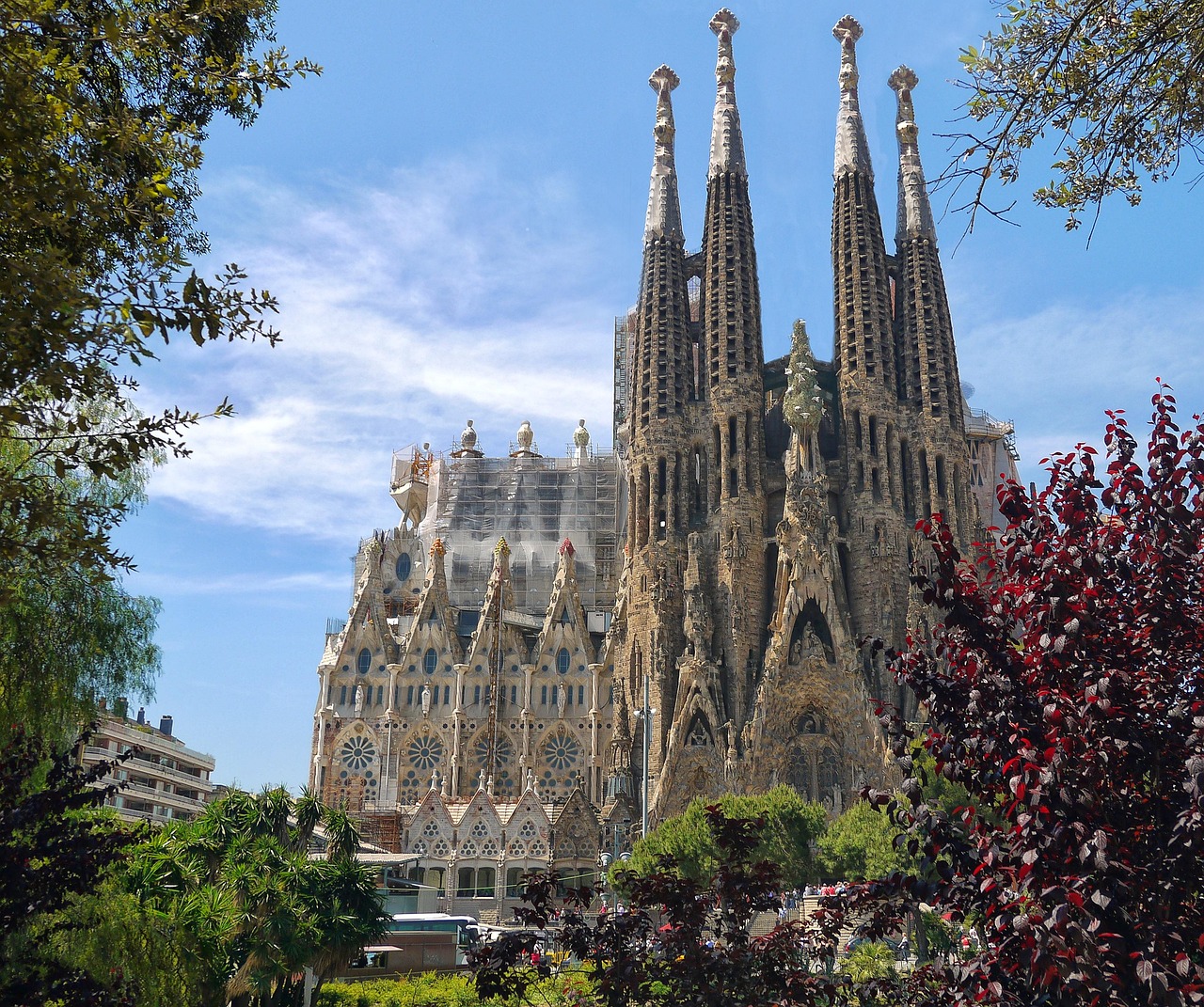
There is a misconception that cities are not for kids. Barcelona laughs in the face of that notion. This is a city built for strollers and wanderers. The wide boulevards of the Eixample district are flat and perfect for walking, while the Gothic Quarter offers a labyrinth of streets that feel like a real-life escape room.
In 2026, the city is buzzing with new culinary concepts. The absolute must-do is Park Güell. Designed by Antoni Gaudí, it is essentially a fairy tale land built out of mosaic tiles. There is a dragon that looks like it belongs in a storybook, and winding pathways that beg to be run along. For a sensory overload, head to La Boqueria Market. It is loud, colorful, and smells of fresh fruit and fried fish.
For a rainy day, CosmoCaixa is a science museum that rivals anything in London or New York. It features a "Flooded Forest"—a massive Amazonian rainforest ecosystem that you can walk through. Barcelona requires energy, but the food is worth it. You can get a high-chair in a Michelin-starred restaurant or a plastic chair at a tapas bar that serves the best patatas bravas in the world.
4. Mallorca, Balearic Islands: The "Mediterranean Majesty"
Location: Palma de Mallorca | Best For: Nature lovers, beach bums, and luxury seekers on a budget
Mallorca is the island that has it all. It is often overshadowed by its smaller sister, Ibiza, but Mallorca is the true family gem of the Balearics. The landscape is dramatic—mountains rise straight out of the sea—but the interior is dotted with flat, fertile plains perfect for cycling.
If you have active kids, Mallorca is a dream. You can rent electric bikes and cycle the old train track from Palma to Sóller, a 30km route through tunnels and citrus groves. It is safe, car-free, and incredibly scenic. For beach time, head to the north. The beaches of Pollença and Alcúdia are long, sandy, and shallow, keeping kids safe within arm's reach.
One of the most magical experiences is a trip to the Coves del Drach (Dragon Caves). Located in Porto Cristo, these underground caverns are immense. You walk through stalactites and stalagmites, and at the end, a classical quartet plays on a small island in an underground lake. It feels like Journey to the Center of the Earth.
5. Seville and Andalusia: The "Flamenco & Palaces" Immersion
Location: Seville, Andalusia | Best For: History buffs, sensory seekers, and warm-weather winter travel
If you want to introduce your children to the concept of "culture" without them falling asleep, go to Seville. This city is a sensory explosion. The smell of orange blossoms (azahar) hangs heavy in the air in spring. The sound of clicking heels from flamenco dancers echoes from open windows.
The Real Alcázar is a royal palace that feels like something out of Game of Thrones. The gardens are a maze of hedges, fountains, and peacocks. Give the kids a map and let them lead the way. For a high-energy activity, head to Metropol Parasol (Las Setas). You take an elevator to the top and walk along a serpentine path that offers panoramic views of Seville.
But the real secret weapon is the Tapas Culture. In Seville, you hop from bar to bar. This "grazing" style is perfect for kids. They can eat a little, move on, see something new, and eat a little more. No one is trapped at a table waiting for the check.
6. Basque Country: The "Mini-Foodie" Capital
Location: San Sebastián, Bilbao | Best For: Culinary families, cool weather travel, and art lovers
Let me let you in on a secret: San Sebastián might be the best food city on earth. And surprisingly, it is incredibly kid-friendly. The Basque people adore children. You will see toddlers running around pintxo bars at 10:00 PM looking perfectly at home.
The activity here is eating. Specifically, the pintxo (Basque tapas). These are small bites skewered with a toothpick, displayed on the bar. The game for kids is to walk along the bar, point at what they want, and watch it be heated up. Beyond the food, San Sebastián has La Concha Beach, a shell-shaped bay that is arguably the most beautiful city beach in Europe.
A short train ride away is Bilbao. The Guggenheim Museum is an architectural marvel. While the art inside might be abstract for young kids, the outside is a playground. There is the giant "Puppy"—a terrier made of flowers—and the "Tulips." It feels like being inside a spaceship.
7. Costa de la Luz: The "Wild Atlantic" Escape
Location: Cádiz, Andalusia | Best For: Kitesurfing parents, nature reserves, and authentic Spanish vibes
This is for the family that wants to escape the crowds. The Costa de la Luz faces the Atlantic, not the Mediterranean. The water is wilder, the beaches are immense, and the wind is fresh. This is where Spanish families go on holiday.
The towns of Conil de la Frontera and Zahara de los Atunes are low-rise, painted white, and have a distinct fishing village charm. The sand is golden and soft. The waves here are perfect for boogie boarding (or just getting knocked over by, which kids love). Because of the wind, this is a mecca for kitesurfing.
Just north of Conil is Doñana National Park, one of the most important wetlands in Europe. You can take a 4x4 tour into the dunes to see flamingos, deer, and the elusive Iberian lynx. It’s a safari experience on European soil. The food here is seafood-centric and incredibly fresh. Fried fish (pescaíto frito) is a religion.
8. Marbella: The "Glamour with Goggles" Retreat
Location: Marbella, Costa del Sol | Best For: Luxury amenities, golfing families, and private pool villas
Marbella has a reputation for glitz, but don't let that fool you—it is a family powerhouse. In 2026, the trend for luxury family travel is "private but supported." This means renting a high-end villa with a private pool, but having access to the amenities of a 5-star resort like the Marbella Club Hotel or the Puente Romano.
Their kids' clubs are legendary. I have seen children here learning to cook sushi, doing archery, and attending "Teddy Bear Teas." Meanwhile, parents can play tennis, golf, or just sit at a beach club sipping rosé. For an active day out, head to Aventura Amazonia, a massive ropes course suspended in the trees with levels for all ages.
Marbella also serves as a great base for exploring the wider Costa del Sol. You are 15 minutes from Málaga (Picasso’s birthplace) and 45 minutes from Ronda. The infrastructure here is top-tier. English is widely spoken, medical care is excellent, and the roads are smooth.
9. Gijón & Asturias: The "Green Spain" Mystery
Location: Asturias, Northern Spain | Best For: Hiking families, cider lovers, and off-the-beaten-path adventures
"Green Spain" is a different universe from the dry, sunny south. Asturias is lush, rainy, rugged, and fiercely independent. It is Celtic Spain. It feels more like Ireland or Scotland than the stereotypical image of Spain.
Gijón is a city that lives on the ocean. It has a fantastic promenade, a Roman villa right on the beach, and a vibe that is unpretentious and fun. The real draw for families here is the mythology and the landscape. You can visit the Narón Valley to see Pre-Romanesque churches that are over 1,500 years old.
But the food is the hook. This is the land of Cider (Sidra). In a sidrería, the cider is poured from a great height to aerate it ("escanciar"). It’s a performance! Kids love watching the stream of liquid. The local food is hearty—stews, beans, and grilled steak. It is comfort food at its finest.
10. Madrid: The "Royal & Park" Capital
Location: Madrid | Best For: Art, easy walking, and classic city vibes
We end with the capital. Madrid is often overlooked for Barcelona, but for families, it has distinct advantages. It is flat (easy to walk), incredibly clean, and has more green space per capita than almost any other European capital.
The heart of the city for kids is El Retiro Park. It is enormous. You can rent rowing boats on the lake, wander through the Crystal Palace (a glass greenhouse), and watch puppet shows at the Teatro de Títeres. For a thrill, the Teleférico is a cable car that rides over the Casa de Campo park, offering a bird's eye view of the city.
Madrid is also home to the Museo del Prado (free entry in the last two hours) and the Palacio Real. It is the logistical hub of Spain, the perfect place to start or end your trip via high-speed train. It is a city that feels safe, walkable, and endlessly engaging.
Practical Tips for Spain 2026
As you plan your 2026 adventure, keep these three "Golden Rules" of Spanish family travel in mind:
- Embrace the Siesta: Do not fight it. Between 2:00 PM and 5:00 PM, shops close and the streets quiet down. This is the time for a hotel swim, a nap, or a long, lazy lunch. If you lean into it, you will be refreshed.
- The "Menú del Día" is Your Friend: At lunchtime, almost every restaurant offers a three-course meal for a fixed price (usually €12-€20). It includes bread, water/wine, and dessert. It is the best value in the world and guarantees you don't have to hunt for food.
- Sunscreen and Water: The Spanish sun in July and August is no joke. It hits differently. Apply sunscreen religiously and carry water everywhere. Dehydration is the quickest way to ruin a perfect vacation day.
Conclusion: The Soul of the Family Trip
While Spain is a year-round destination, the "best" time for a family trip is generally May/June or September/October. The weather is pleasant, the water is warm enough for swimming, and the intense summer crowds have dispersed.
Regarding safety, Spain is one of the safest countries in the world for tourists. The biggest risk is pickpocketing in crowded areas of Barcelona or Madrid. Use common sense: keep bags zipped, don't leave phones on restaurant tables, and teach your kids to stay close in crowds.
Regarding Spain all inclusive family vacation packages for summer 2026: these are excellent for the islands (Canaries and Balearics) if you want zero stress. However, for the mainland (Andalusia, Costa Brava), I recommend a "hybrid" approach: book a nice hotel with breakfast included, but eat lunch and dinner out. This gives you the safety net of the hotel while allowing you to experience the incredible local gastronomy.
Why do we travel with our children? We do it to break the routine. We do it to show them that the world is bigger than their backyard. But mostly, we do it to see them experience joy.
Spain offers a specific kind of joy. It is a joy that smells of garlic and sea salt. It is a joy that sounds like "¡Hola!" shouted by a waiter who treats your shy child like an old friend. It is a joy that tastes like a perfect peach bought from a roadside stand.
In 2026, the world might be full of noise and screens and stress. But in a plaza in Seville, watching your daughter chase a pigeon while your son tries to speak Spanish to a waiter, and your partner smiles over a glass of wine... the noise fades away.
Spain isn't just a destination; it's a permission slip to slow down. To eat late. To stay up late. To nap in the middle of the day. To live on "Spanish time." And for a family, there is no greater luxury than that.