Oratorio San Felipe Neri, Cádiz: The Quiet Spot Where Spain's 1812 Constitution Began
I got turned around in Cádiz's old town one drizzly spring afternoon, phone map glitching as usual. A guy in a flat cap—Manuel, I think—nudged me toward an alley off a quiet plaza. "The oratorio," he said with a grin. "You go." That led me to San Felipe Neri, this tucked-away spot that punches way above its weight. It's not flashy like the cathedral nearby, but it's where, in the chaos of 1810, Spanish liberals holed up during the Napoleonic wars and hammered out the constitution that shook up Europe. No wonder locals still get a spark in their eye talking about it.
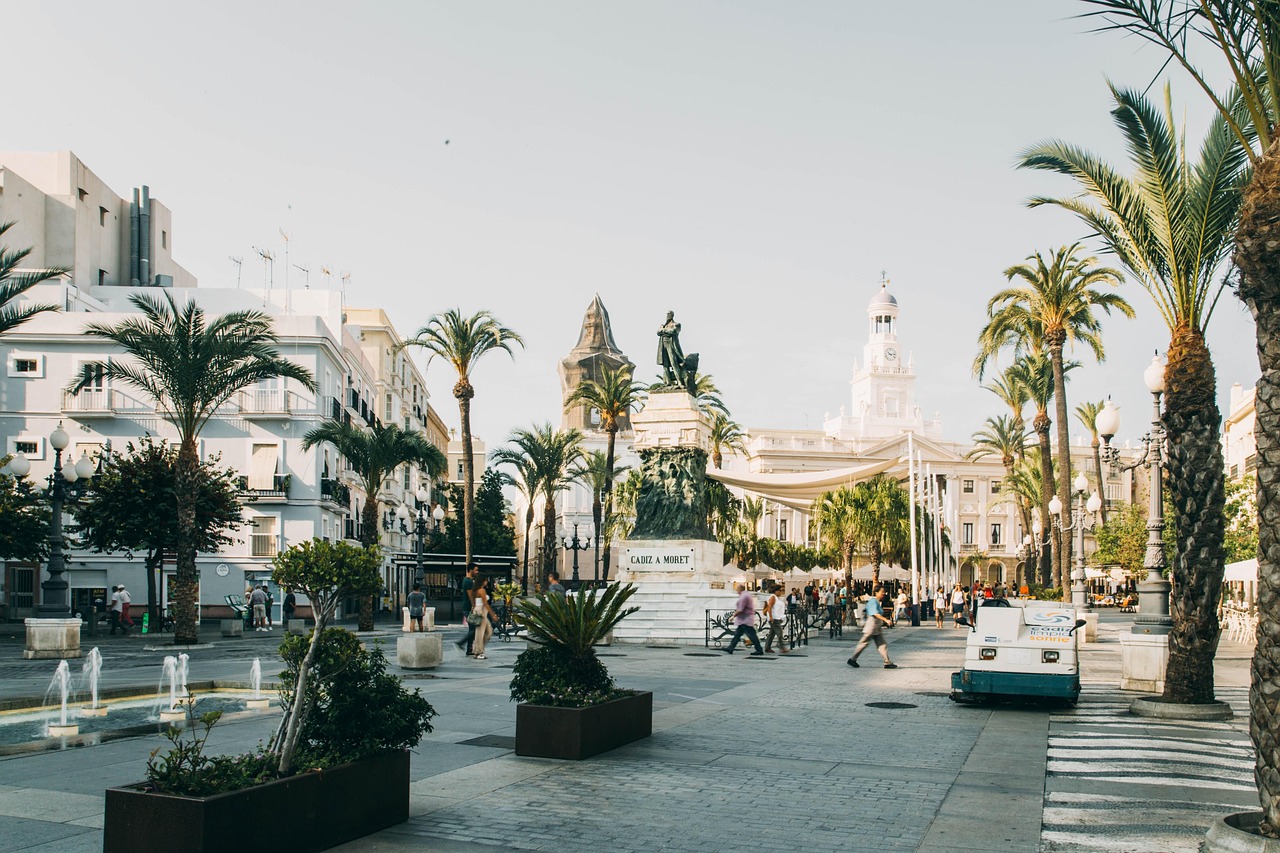
The plaza around it feels frozen in time—rebuilt after Civil War bombs left scars on the walls. I sat on a bench there once, sipping coffee from a nearby bar, just soaking it in. If you're in Cádiz, make time for this. It's small, quick to visit, but it sticks with you.
Unpacking the History Behind the Walls
Step through the door, and you're basically in a makeshift parliament from over 200 years ago. With French troops invading, delegates from all over the Spanish empire—priests, thinkers, even some from the colonies—fled to British-protected Cádiz. They took over this 17th-century oratory built by the Oratorian order and turned the nave into a debate hall. Sessions ran from dawn to dark, covering everything from free press to curbing the king's power.
I pieced it together over coffee with a volunteer named Rosa one morning. She showed me yellowed copies of the debates. "They argued nonstop," she laughed. "One even pushed to outlaw bullfights." The final draft got signed here on March 19, 1812—Saint Joseph's Day, or La Pepa to locals. It pushed ideas like male suffrage and power separation that rippled out to new nations in Latin America. Ferdinand VII killed it quick when he returned, but it kept resurfacing, influencing Spain's path right up to today.
That raw energy hits you. No marble halls or gold thrones—just wooden pews and big ideas squeezed into a room the size of my apartment living area. Rosa didn't gloss over the flaws either: no rights for women, colonies still chained. But that honesty makes it real.
What It's Like Inside: Exhibits and Atmosphere
The place is now part museum, part chapel—cozy, with a baroque altar catching the light and murals of the order's saints. Exhibits line the walls: timelines, delegate portraits, a replica signing table. Upstairs, a library with early copies of the constitution. Entry's €5 (free for EU seniors and kids under 12), open Tue-Sun 10:30am-2pm and 4-7pm (closed Mondays, check holidays). I budgeted an hour but stayed longer, tracing names on plaques and spotting old bullet pockmarks from the Civil War.
Air's cool, with a hint of incense. Floor's marble—slippery if wet, so watch your step. I tripped once rushing notes. It's intimate, no crowds shoving you. Perfect for quiet reflection or jotting thoughts.
Guided Tours: Stories That Stick
For more, join a guided tour—weekends at 11am and 5pm, €7, small groups up to 15. Book at the desk or email ahead. My guide Paco had gravelly voice and endless tales, even had us act out a debate. I mangled my lines as a stuffy noble—group cracked up. French tourists joined; felt like chatting with friends over history.
These tours add color: smuggled docs, sherry-fueled nights. Keep an eye out for 2026 events—anniversary stuff might pop up, like choral nights or talks. Spots go quick.
Why This Place Echoes Today
It wasn't just a wartime scribble. This constitution declared national sovereignty first in Europe under siege, inspired Greece, Latin America. Women like Clara del Rey snuck papers in skirts—quiet heroes. UNESCO lists it as world memory now. Standing there, you get why Cádiz calls itself liberalism's cradle. Flaws and all, it changed things.
Nearby Spots to Round Out Your Day
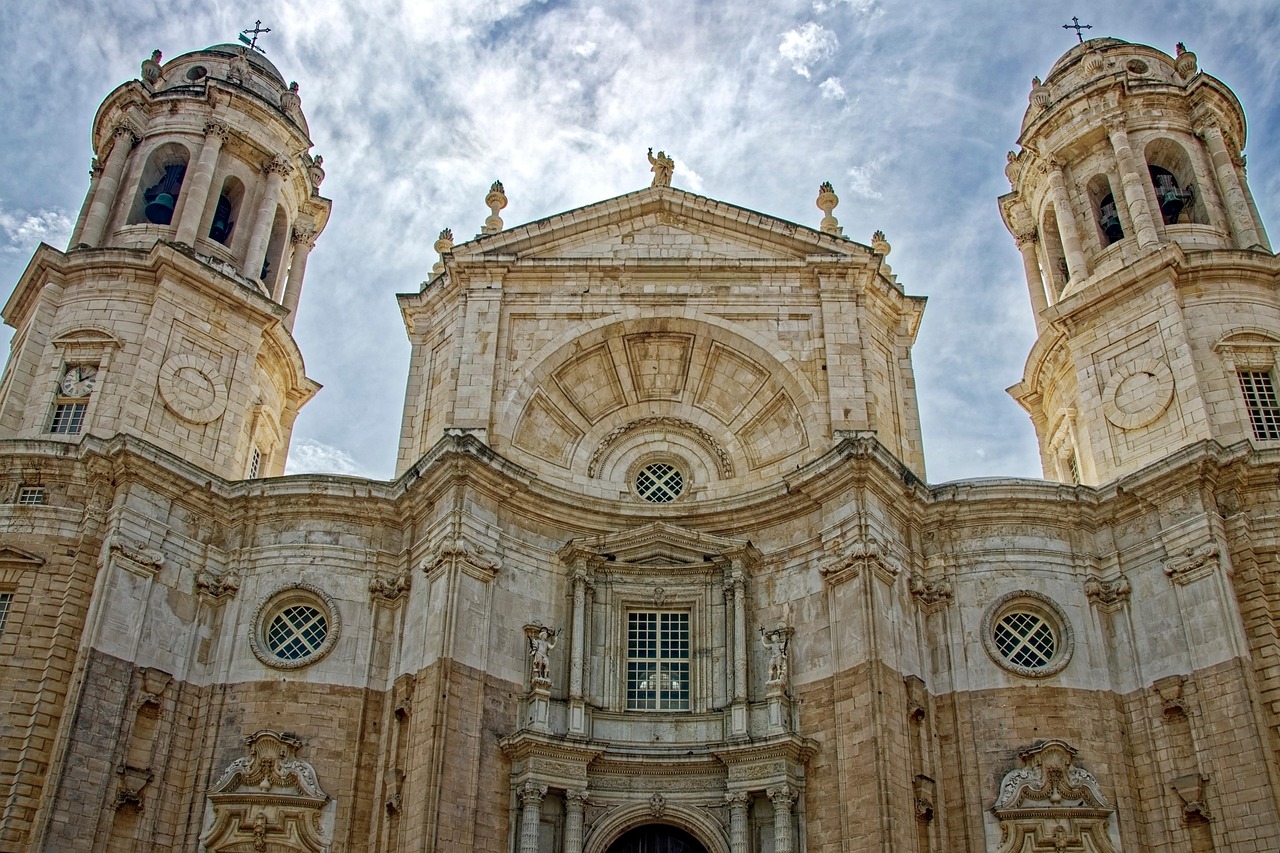
Plaza de San Felipe Neri's central—walkable gems cluster close. Cádiz Cathedral's 0.3km away (€7 combo with tower climb—172 steps for bay views, Goya art inside. No Vasco da Gama stuff; that's Lisbon). Mercado Central de Abastos (0.4km, mornings) buzzes with prawns, jamón—haggle with fishmongers like Pepe, who yarns about grandpa's tales. Grab vermouth at Bar La Manzanilla across (€2 glass, nutty dry).
Torre Tavira (0.5km, €7) projects city views via camera obscura. Or hit Playa de la Caleta (0.8km) for beach and ruins. Tapas at Casa Manteca nearby—pork cheeks €12, feeds three easy. No car needed; all under 20min stroll.
Practical Tips From My Trips
- Get there: Train to Cádiz station (15min walk), or Jerez airport (45min drive). GPS: "Oratorio San Felipe Neri, 11005 Cádiz."
- Best time: Spring/fall—summer's brutal heat.
- Tickets/access: Buy on-site; steps only, call +34 956 21 41 61 for aids.
- Stay/eat: Hotel Las Cortes (€120/night), El Faro de Cádiz (€40pp tuna bliss).
- Budget: €20/person (entry + tapas).
- Pro tip: Avoid siesta—mornings best. I learned after one empty arrival.
This corner rewired how I see Spain: not just sun and sangria, but grit-born ideas. Botch the directions like I did first time? Laugh it off. Go anyway—you'll leave with stories.