



Lost in Barcelona's Oldest Maze: Parc del Laberint 2026
I still remember the exact moment I surrendered to the hedges. Sweat trickling down my neck under that relentless Catalan sun, my phone battery dead, and my teenage niece rolling her eyes as I declared, "This is it—we're officially lost." We'd been weaving through the labyrinth for what felt like hours, chasing echoes of laughter from other wanderers, only to loop back to the same chipped stone statue of Dionysus, his marble grin mocking us. Parc del Laberint d'Horta isn't just a garden; it's a time warp, a sly whisper from 18th-century Barcelona that pulls you in with promises of romance and riddle-solving glory, then leaves you humbled. And in 2026, as the city buzzes with Olympic afterglow and eco-upgrades, this hidden gem—Barcelona's oldest garden maze, laid out in 1792—will still be waiting, unchanged yet somehow more enchanting.
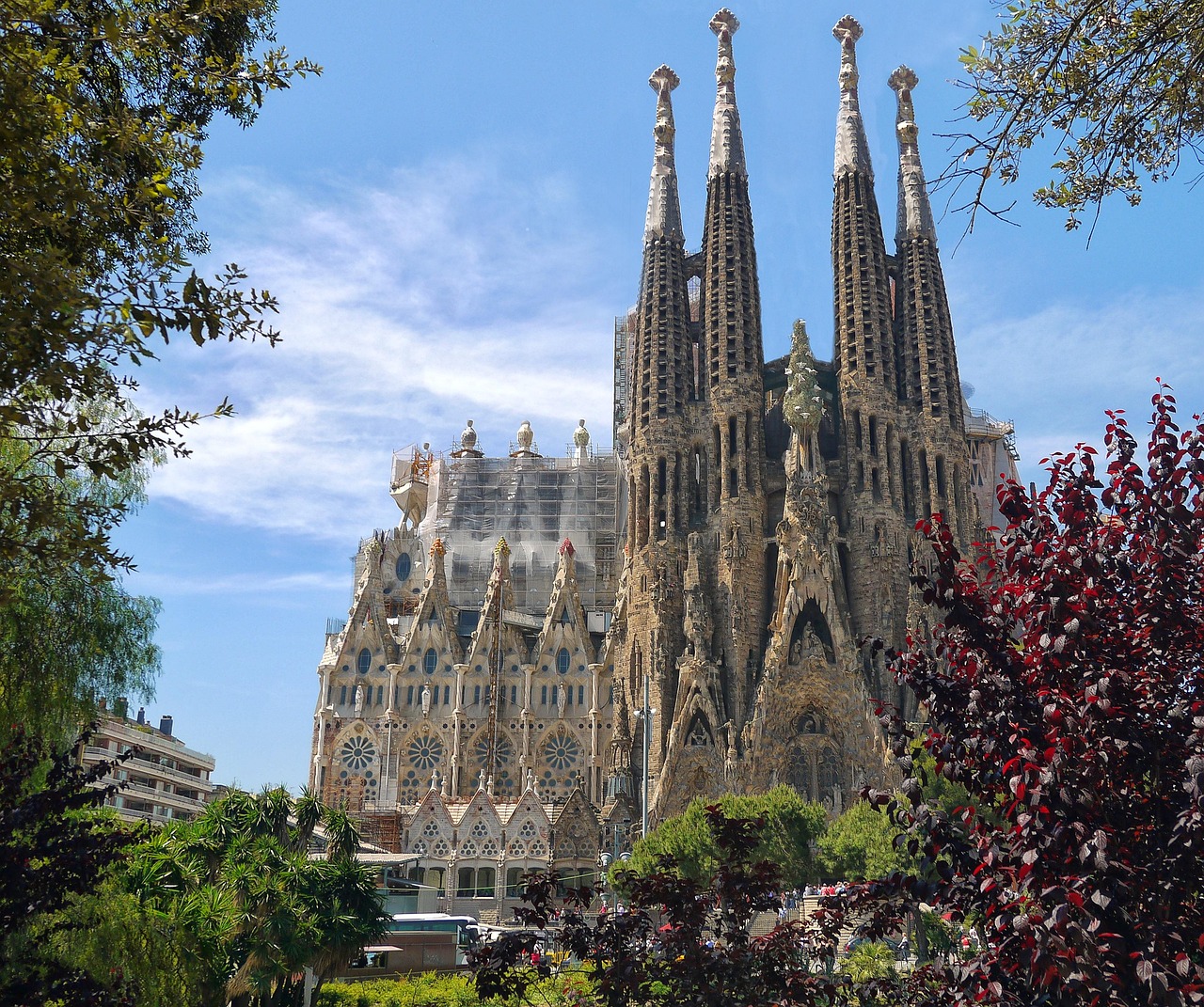
That first visit was a disaster wrapped in delight. I'd promised my family an easy afternoon escape from the Sagrada Família crowds, but the maze had other plans. We started strong, map of Barcelona's Parc del Laberint clutched in hand (grab one at the entrance kiosk—it's a photocopied treasure with faded paths that feel authentically analog). But the cypress walls, towering eight feet high and trimmed into perfect submission, swallowed us whole. Turns out, the trickiest part isn't the dead ends; it's the temptation to cheat by peeking over the top. Don't. That's half the fun—or frustration. Last summer, on a whim, I returned solo at dusk. The air smelled of jasmine and damp earth, fireflies flickering like mischievous sprites. I escaped in 17 minutes flat, whispering "victory" to no one but the owls hooting overhead. If you're plotting your own surrender, here's how to get to Barcelona's oldest maze without the saga we endured.
From the city center, hop on the L3 metro line toward Trinitat Nova and get off at Mundet station—it's a five-minute uphill stroll from there along shady paths lined with chestnut trees. Taxis drop you right at the gates for about €15 from Plaça Catalunya, or e-scooters zip you up in 20 minutes if you're feeling adventurous (just lock 'em securely; petty theft's a thing). Buses like the 27 or 113 work too, but the metro's your stress-free bet. The park sprawls across 12 hectares at Passeig dels Castanyers 1, in the leafy Horta-Guinardó district, far from the tourist scrum. No need for a car—parking's limited and the walk from Mundet is pure preamble, winding past neighborhood bakeries wafting fresh ensaïmadas. Pro tip from my third visit: time it for late morning. The gates creak open reliably, and you beat the family hordes turning it into their playground.
Speaking of which, as a family guide to Barcelona's Laberint park, I'd say it's gold for parents craving low-stakes chaos. Kids under 10 get in free, and the maze is forgiving—no sheer drops or thorny traps, just knee-high puzzles that spark shrieks of joy. Picture this: my niece, usually glued to TikTok, ditched her phone to race her little brother, their giggles bouncing off the greenery. We packed a picnic—chorizo sandwiches, juicy membrillo slices, and thermoses of horchata from the nearby market—and claimed a grassy knoll by the Neptune fountain. Hours flew by with games of I-Spy (bonus points for spotting the hidden hermits carved into tree trunks). But fairness: it's not stroller-friendly past the entrance, and summer heat can wilt the tiniest explorers. Bring water, hats, and patience. One dad I chatted with, Jordi from Gràcia, shared how his crew makes an annual ritual: blindfold challenges inside the maze, with ice cream bribes at the end. Pure magic, even when someone emerges backwards.
Now, about those practicals that trip folks up. Laberint d'Horta opening hours summer stretch from 10 a.m. to 9 p.m. most days, closing Tuesdays and trimming back to 10 a.m.–7 p.m. in shoulder seasons—always double-check the official site, as holidays shuffle things. For parc del Laberint d'Horta tickets 2026, expect online pre-booking via the Barcelona City Council portal to dodge queues; walk-ups are fine midweek but pack out weekends. The parc del Laberint entrance fee 2026 should hover around €2.50 for adults (up slightly from today's €2.23, inflation being what it is), €1.50 for seniors/students, and free for kids under 10 or Barcelona Card holders. No reservations needed for the maze itself, but the full garden access—including the neoclassical villa and potted garden—bundles in seamlessly. I botched my first buy by arriving cashless; now I Tap-to-Pay everything.
What elevates this place beyond a leafy puzzle? The whispers of history, tangled like ivy. Commissioned by wealthy merchant Joan Antoni Desvalls for his Montjuïc estate (relocated here in the 1960s), it was a private playground for Enlightenment-era aristocrats sipping Madeira amid Italianate follies. Myths swirl softly: locals murmur of Napoleonic soldiers hiding gold in the pond during the 1808 siege, or lovers etching initials into the yew arches during Franco's gray years. I once cornered a groundskeeper, Maria, with her sun-leathered hands pruning boxwood—she scoffed at treasure tales but swore by the "love letter tree," a gnarled olive where couples still tuck notes before vanishing into the maze. Grounded truth? The central tower offers a bird's-eye cheat (climb for €1 extra), revealing the Celtic cross pattern below. No ghosts, just ghosts of picnics past.
Venturing deeper uncovers hidden gardens Laberint d'Horta secrets that feel like stolen glances. Beyond the maze lies the German Garden, a Romantic riot of ruins and urns evoking Weimar melancholy—crumble a path to a faux temple where I once napped, lulled by cicadas. The potted garden dazzles with camellias that bloom riotously in February, petals carpeting the gravel like confetti. Tucked alcoves hide benches perfect for a romantic walk in Parc del Laberint Barcelona: imagine linking arms at twilight, the city lights twinkling below as you trace moonlit paths. My partner and I did just that two springs ago; we argued over the exit (I insisted left, she right), emerged laughing, and sealed it with gelato from the park café—stracciatella laced with chunks big as marbles.
The best time to visit Parc del Laberint? Spring's my heart-stealer: April-May, when azaleas explode in pinks and whites, paths dappled with light. Summers hum with families, but go post-4 p.m. to dodge peak scorch (still 30°C+). Autumn paints the maples fiery, fewer crowds; winter's skeletal beauty suits philosophers. Avoid August siesta closures and rainy Mondays. One quirky fail: my sangria-fueled October revisit. I'd overindulged at a Horta tapas spot (try Can Quimet, Carrer del Príncep d'Astúries 36, open 1-4 p.m. and 8-11 p.m., where €20 gets patatas bravas, bombas—those spicy potato croquettes—and house vermut with a side of local lore from owner Ramon, whose family fled the Civil War through these very hills. It's a shoebox spot with checkered cloths, seating 20 max; arrive hungry for the fideuà special on Fridays), then wandered in dizzy. Got lost twice more, blaming the buzz, but stumbled on a secret: the maze's "whispering corner," where sound funnels voices across hedges. Creepy-cool for games.
Escaping tips for Laberint d'Horta maze? Ditch the map first—feel the pull toward the center, where a bronze Bacchus guards the cupola exit. Clockwise spirals work 70% of the time; count turns (odd left, even right) if you're analytical. Families, assign a "leader" badge to rotate kids—builds grit without meltdowns. I failed spectacularly once, looping 45 minutes while locals breezed by, smirking. Humbling, but that's the soul of it: no one's a pro here. Post-maze, sprawl by the canal, where turtles sunbathe and herons stalk fish. It's 500 meters of serene: shallow waters reflect willows, benches invite reverie, and wild ducks quack for crumbs. Nearby, the Desvalls villa (tours Saturdays, €5 add-on) unveils faded frescoes of mythological revels—peeling but poignant, like eavesdropping on faded nobility.
Extend your day with Horta's underbelly. Five minutes downhill, Masía de Can Falguera (Carrer de Can Fabra 7, open weekends 10 a.m.–2 p.m., free entry) is a restored farmhouse turned eco-center: hands-on weaving looms, hen coops, and kid workshops on Catalan crops. Spend an hour petting goats, tasting raw honey (€3 jars), and hiking the adjacent orchard trails—ripe figs in September if you're lucky. It's 800 characters of bliss: earthen floors creak underfoot, air thick with hay and lavender; volunteers like peppy Elena demo soap-making from olive pits, sharing recipes over herbal tea. Perfect family cap, or solo recharge.
Or detour to Velódrom Friedenreich (Carrer de Bolívia 137, evenings for casual drinks, no cover), a '20s bike track reborn as bar—craft beers (€4), vermut on tap, and DJ sets pulsing through graffiti'd walls. I nursed a Estrella there post-maze, chatting with cyclists about secret Horta loops. It's gritty-glam, open till midnight, with outdoor tables under string lights—300 souls max, heaving Fridays.
This park isn't flawless. Paths roughen after rain, cafés overprice paninis (€8 for ham-cheese meh), and peak weekends feel herded. Yet that's its humanity—no Instagram polish, just raw allure. In 2026, with rumored accessibility ramps and solar-lit paths, it'll beckon anew. Return scarred by wrong turns? You've lived it. Me? I'm plotting trip four, sangria in moderation.

