



Amsterdam vs Berlin 2026: 6 Decisive Factors to Choose Your Dream Destination
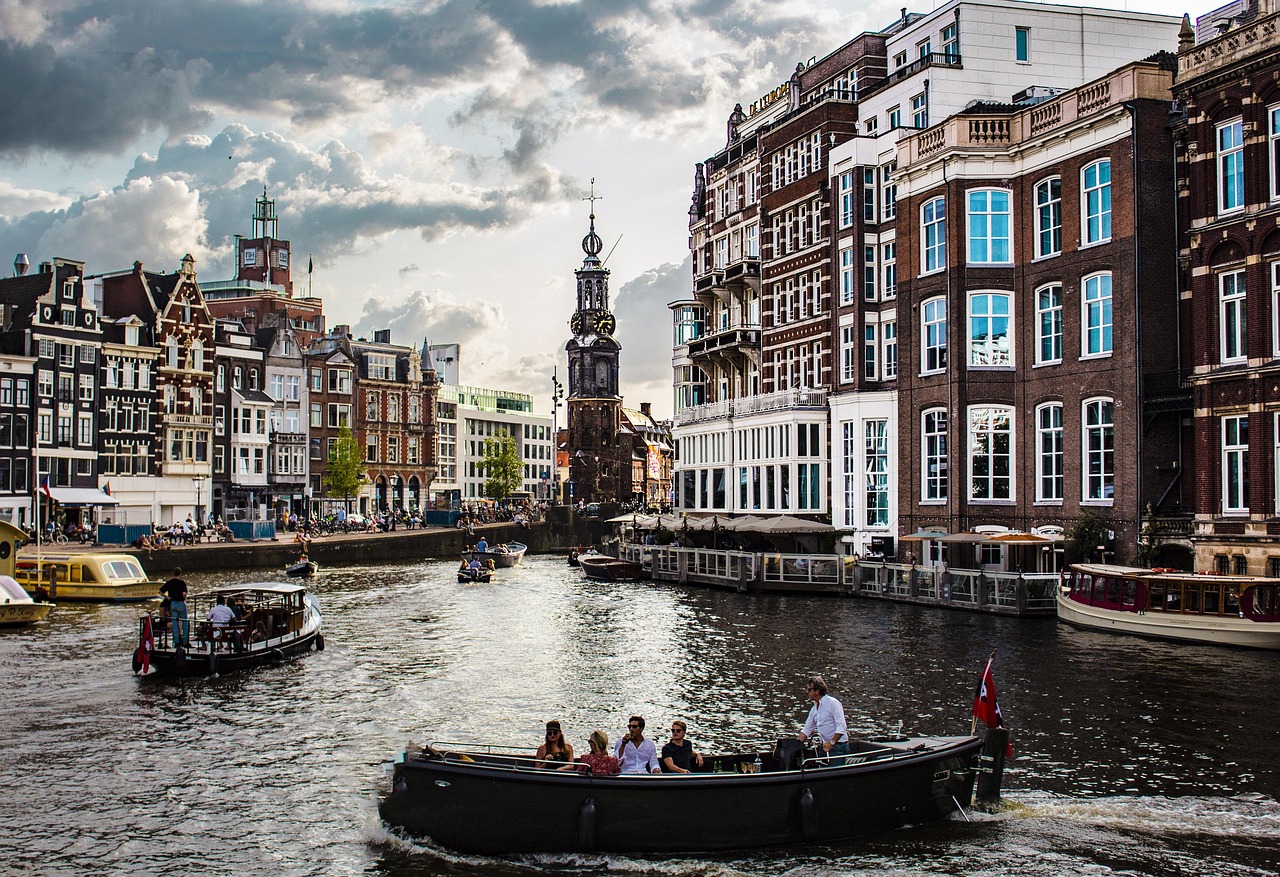
The first time I wandered through Amsterdam’s narrow canal streets, I felt the city breathing with a polite, almost apologetic rhythm. Cobblestones whispered centuries of trade, while cyclists glided past gabled houses like seasoned commuters. Six months later, I found myself in Berlin, where the energy was less a whisper and more a raw, unfiltered scream of history colliding with futurism. By 2026, both cities will still be magnetic poles for travelers, but which one pulls *you* stronger? After two decades of splitting my year between these European giants, I’m ready to dissect their souls – and practical realities – for you.
Best Time to Visit Amsterdam vs Berlin for Tourists in 2026
Spring in Amsterdam is a slow, drizzly awakening. Tulips burst in parks while locals still bundle up against the notorious “April cold snaps.” I learned the hard way to pack waterproof layers when visiting the Van Gogh Museum in March – rain slicks the cobblestones near the Jordan district, and the line for skip-the-line tickets snaks around the block by 8 AM. Autumn, though? That’s when Amsterdam casts its golden magic. Canopy of amber leaves over the Vondelpark, canal reflections glowing like liquid copper, and the air scented with roasted chestnuts from street carts near the Leidsestraat.
Berlin, meanwhile, throws its best party in late summer. By August, the city’s parks become human jungles of picnickers, beer gardens spill into neon-lit streets, and the last vestiges of “Berliner Sommer” lingera like a warm aftertaste. Try the open-air cinema at Tempelhofer Feld in September – the screen shows classic German films under a sky still blue at 10 PM. Winter in Berlin? Brutal but beautiful. Ice skating at Breitscheidplatz near KaDeWe department store feels like a scene from a Wim Wenders film, though you’ll need thick thermal layers.
2026 Tip
Amsterdam shines May–October for mild temps and blooming nature; Berlin’s peak is June–September for long days and explosive nightlife.
Amsterdam or Berlin Cheaper Travel Costs 2026 Comparison Guide
Let’s cut to the chase: Amsterdam costs have been climbing, and 2026 won’t reverse that trend. A night in a central boutique hotel? Easily €200–€300. A meal at an Ajax-themed gastropub in De Pijp? Count on €45 per head. Even a simple café latte near Dam Square sets you back €4.50. Don’t get me wrong – the quality is stellar – but your budget will weep.
Berlin, by contrast, remains Europe’s affordable rebel. Same 4-star hotel in Mitte? Often €150–€220. Dinner at Klunkerkranich, the vegan soul-food spot in Kreuzberg, feeds two for under €60. Groceries? A weekly shop at Supermac’s near Warschauer Straße costs half what you’d spend in Amsterdam’s Albert Heijn. The secret? Berlin’s vast housing stock and lower tourism density keep prices grounded. Even taxis are cheaper – a cross-city ride costs €12–€18 versus Amsterdam’s €25+.
Insider Math
For a 5-day trip, expect €1,200–€1,800 in Amsterdam vs €900–€1,400 in Berlin for mid-range comfort.
Family-Friendly Activities Amsterdam Versus Berlin 2026 Recommendations
Families need spaces to breathe, and both cities deliver – just differently. Amsterdam’s magic lies in its miniature scale. The Artis Royal Zoo on Plantage M. Kirstensein (Daily 9 AM–6 PM, last entry 5 PM) lets kids peer through glass at koalas and Amur leopards. Nearby, the NEMO Science Museum (Kalverstraat 172, 10 AM–5 PM) turns physics into play with foam-filled climbing walls. But the real gem? Renting bikes for the whole family and pedaling to the NDSM Wharf.
Berlin, though, offers raw, immersive experiences. The Berlin Zoo and Tierpark (Harnackstraße 17, 9 AM–6:30 PM) is massive – you could spend all day spotting pandas and giraffes. For history buffs, the Topography of Terror (Nolanstraße 8, 10 AM–8 PM) delivers a sobering yet accessible dive into WWII history, with interactive displays perfect for teens. And then there’s the Tempelhofer Feld: a former airport turned urban park where kids can rollerblade for miles while parents sip fair-trade coffee at a nearby food truck.
Pro Tip
Amsterdam wins for compact, bike-friendly family adventures; Berlin excels at sprawling, budget-friendly complexes.
Solo Traveler Safety Amsterdam vs Berlin 2026 Insider Tips
Safety is personal. In Amsterdam, the规则 is tolerance – but it’s enforced. I’ve never felt threatened in the Red Light District during daylight; police bikes patrol constantly, and the “tolerance policy” extends to respectful behavior. At night, stick to well-lit areas like Leidseplein and De Pijp. The local tip: Avoid the back alleys of De Wallen after midnight unless you’re with a group.
Berlin? It’s safer in many ways, but its size demands awareness. Neighborhoods like Prenzlauer Berg and Friedrichshain are incredibly safe, with elderly ladies feeding pigeons without a glance around. Yet Berlin’s sheer expanse means isolated areas – think the outskirts near Spandau – can feel empty after dark. The Stadtmitte district remains the gold standard for solo travelers: bustling, well-lit, and patrolled by vigilant BVG transit staff.
Hard Data
Both cities rank among Europe’s safest major destinations. Berlin’s homicide rate (1.8 per 100k) slightly edges Amsterdam’s (2.1), but petty theft exists in both. Always keep your wallet secure on crowded trams.
Public Transportation Differences Amsterdam and Berlin 2026 Review
Amsterdam’s OV-Fiets system is legendary – white bicycles available 24/7 at over 300 stations citywide. Cost? €7.50/day or €32.50/month. Perfect for zipping from the Anne Frank House to the Rijksmuseum in 15 minutes. The metro (metro Amsterdam) is limited but efficient where it exists. Trams? Slow but scenic, gliding past flower markets and jazz cafés.
Berlin’s BVG (Berliner Verkehrsbetriebe) is a beast of urban logistics. Six suburban lines, nine metro lines, and buses covering every corner. A single ticket (€3.20) works on all modes for 90 minutes. The S-Bahn (suburban trains) are pristine, linking Alexanderplatz to Wannsee in 30 minutes. But beware rush hour – trains pack like sardines. The MVG app (yes, it exists for Berlin too) is a lifesaver for real-time updates.
Real Talk
Amsterdam’s system is intimate and bike-centric; Berlin’s is vast and rail-focused. Both improve annually, but Berlin’s coverage remains unmatched for a city of its size.
Nightlife Scene Amsterdam Compared to Berlin for Visitors 2026
Amsterdam’s nightlife is cozy and curated. Brouwerij ‘t IJ (Funenstraat 7, 4 PM–midnight) brews hop-infused beers in a former windmill, while Paradiso (Weteringschans 6, 10 PM–3 AM) transforms from a vintage cinema to a throbbing dance floor by midnight. The vibe? Think “intimate discovery” – you’ll chat with the bartender over a Dutch gin tonic.
Berlin? This is where the planet’s pulse resides. By 2026, Berghain will still guard its mystique (no photos, no reservations), but the new kid on the block is KLANGKUST (Eberswalder Straße 22, 10 PM–4 AM), a techno temple in a repurposed factory. For something different, head to SO36 (Koblenzer Straße 36, 8 PM–3 AM) in Kreuzberg – punk rock still echoes in its brick walls. The magic? You can start at a quiet jazz bar in Moabit, end at a rooftop lounge in Charlottenburg, and never repeat a soundtrack.
Late-Night Rule
Amsterdam closes early (most clubs shut by 3 AM); Berlin’s after-hours culture means parties pulse until 6 AM legally.
Cultural Attractions Worth Seeing Amsterdam vs Berlin 2026
Amsterdam’s museums are peerless. The Rijksmuseum (Museumstraat 1, 9 AM–5 PM) isn’t just Rembrandt – its Golden Age galleries feel like walking through a Dutch Golden Age painting. The Stedelijk Museum (Van Baerlestraat 27, 10 AM–6 PM) holds Kandinsky and Malevich under shimmering white light. Don’t miss the hidden Anne Frank House (Anne Frankstraat 263, 9 AM–9 PM, book months ahead).
Berlin’s culture is visceral. The Pergamon Museum (Pergamonmuseum – Museumsinsel, 10 AM–6 PM) houses ancient Babylonian walls – you stand beneath a 2,000-year-old stone lintel and gasp. The Hamburger Bahnhof ( Invalidenstraße 50, 10 AM–6 PM) turns a disused train station into a contemporary art labyrinth. For history? The DDR Museum ( ichelsbrücke 1, 9 AM–8 PM) lets you experience life in East Germany through interactive stations – queue the “Trabant” car simulation.
Personal Pick
Amsterdam for masterpieces; Berlin for provocative dialogue.
Where to Stay in Amsterdam Versus Berlin 2026 Neighborhood Guide
Amsterdam
- De Pijp: The soul of Amsterdam. Close to Vondelpark, Albert Heijn supermarket, and the main train station. Try The Hoxton, Amsterdam (Heijderbos 1, design-forward rooms from €179) or boutique B&B Hotel Amsterdam City Centre (Vijzelgracht 38, from €95).
- Jordaan: Quiet, leafy streets near the Westerkerk church. Ideal for artists and romantics. Hotel Mercier (Katten Kabinet, Elandsgracht 112) offers canal views and homemade breakfast.
Berlin
- Kreuzberg: The beating heart of alternative Berlin. Near Naschmarkt, KLUNKERKRANICH restaurant, and SO36 club. Try SO/ Berlin Das Hotel (Skalitzer Straße 1, from €145) or the indie-minded Hotel Uhland (Uhlandstraße 187, from €89).
- Mitte: The historic core. Steps from Alexanderplatz, the Berlin Cathedral, and the Holocaust Memorial. Check into The Mandalin Hotel (Unter den Linden 33, from €160) or the budget-friendly Generator Berlin Mitte (Chausseestraße 114, dorms from €30).
Foodie Guide Amsterdam vs Berlin Best Restaurants 2026
Amsterdam
- Moeders (Elandsgracht 458, 5 PM–10 PM): Dutch home cooking reimagined. Think smoked cod with black pudding and aunt’s apple pie. Reservations essential.
- De Kas (Fruit en Groente Markt, 10 AM–10 PM): A farm-to-table paradise in a greenhouse. Seasonal tasting menus under €65.
Berlin
- Klunkerkranich (Behrensstraße 55, 5 PM–11 PM): Plant-based soul food. Their jackfruit “BBQ” bowl will change your meat-free life.
- Fischers Fritz (Behrenstraße 55, 12 PM–10:30 PM): Seafood so fresh it tastes like the Baltic Sea. Oysters from €3 each, lobster platters from €42.
Is Berlin Safer Than Amsterdam for Tourists in 2026 Detailed Analysis
Both cities are incredibly safe by global standards. Berlin edges out slightly in statistical safety (lower homicide and robbery rates), but this masks nuances. Amsterdam’s compact size means most tourists never venture beyond well-patrolled zones. Berlin’s vastness requires a bit more urban awareness – keep valuables hidden in busy areas like Alexanderplatz.
Final Take
Berlin is marginally safer statistically, but Amsterdam feels equally secure for most visitors.
The Verdict
Choose Amsterdam for: - Compact, bike-friendly exploration - Masterpiece museums and Golden Age charm - Cozy, intimate nightlife - Familiar comfort with unparalleled tolerance Choose Berlin for: - Raw, edge-of-your-seat energy - Affordable sophistication - Sprawling public transit and endless Afterhours culture - Provocative art and immersive history By 2026, both will dazzle. Your choice hinges on whether you crave the measured grace of canals and consent, or the anarchic heartbeat of a city that never sleeps.