
Why Santa Pola Salt Lakes Turn Pink: Birdwatching Paradise Guide
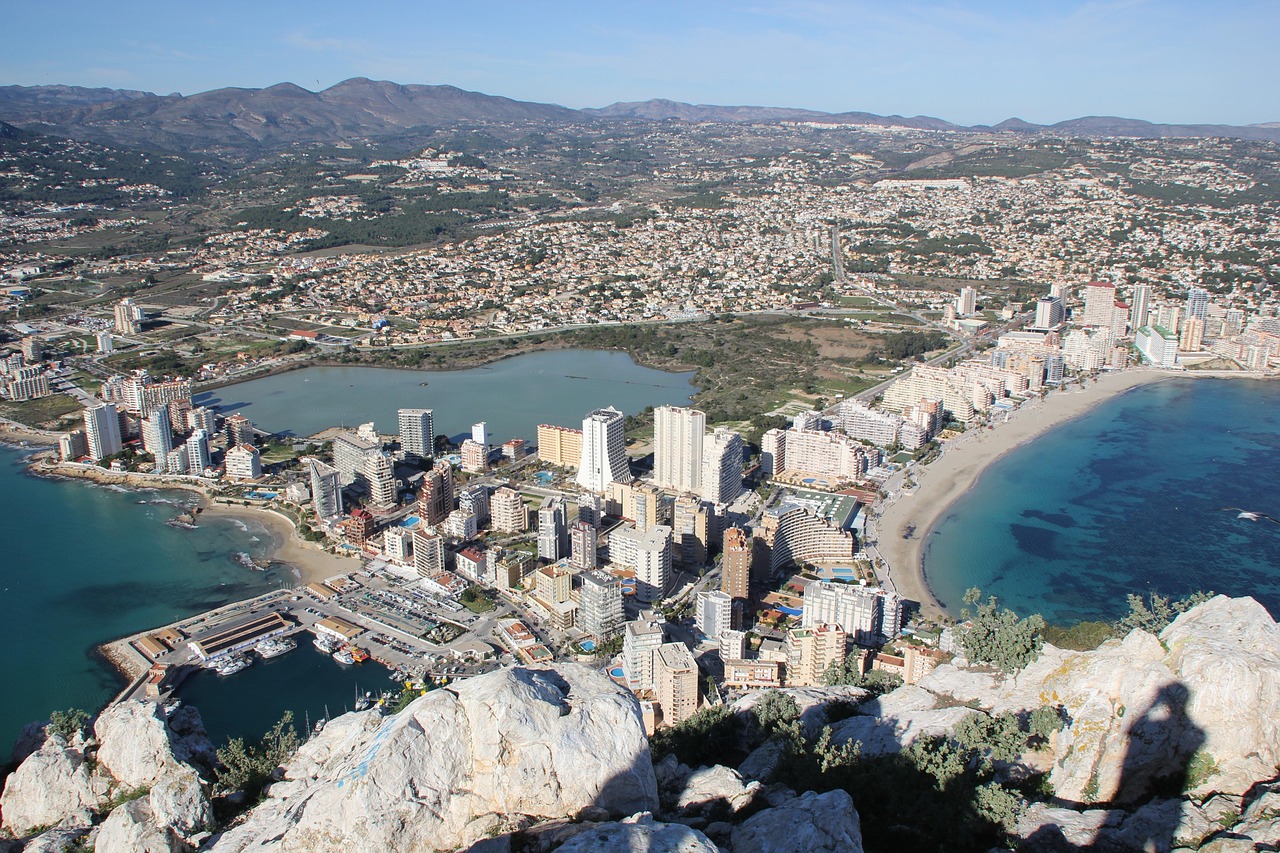
I remember the first time I stumbled upon the Santa Pola salt lakes, back in a crisp February morning about five years ago. I'd been chasing whispers of pink waters from a fellow birder in Alicante, someone who'd described them as "like stepping into a giant rosé glass, but with flamingos strutting around like they own the place." Skeptical? Absolutely. But as I crested that low hill on the outskirts of Santa Pola, the Mediterranean wind whipping salt crystals into my face, there it was: a surreal expanse of shallow lagoons glowing an otherworldly bubblegum pink. Not some Instagram filter fantasy, but real, shimmering under the low winter sun. My binoculars nearly slipped from my hands.
Why do Santa Pola salt lakes turn pink? It's a question that hooks you immediately, pulling you into one of Spain's most underrated natural spectacles—a birdwatching paradise where science, color, and feathers collide in the Salinas y Arenales de Santa Pola Natural Park.
The Science: Cause of Pink Color in Santa Pola Salt Flats
Let's unpack that pink magic first, because it's not just pretty; it's a masterclass in extremophile biology. The cause of pink color in Santa Pola salt flats boils down to a tiny green alga called Dunaliella salina, which thrives in hypersaline waters where nothing else dares. These lakes evaporate seawater in the brutal Alicante sun, concentrating salt to levels that would kill most life—up to 300 grams per liter in the saltiest ponds. Stressed by the brine, Dunaliella pumps out red carotenoids for protection, turning the water a vivid magenta. But wait, there's more: salt-loving archaea (halobacteria) join the party, their bacteriorhodopsin pigment amplifying the blush.
Santa Pola salinas algae turning water pink isn't seasonal fakery; it peaks in late summer and autumn when evaporation hits fever pitch, though I've seen that rosy hue linger into winter mornings after calm nights. Poke around the edges, and you'll smell it—that briny tang mixed with a faint, almost sweet algal whiff, like the sea's been marinated in candy floss.
A Birdwatcher's Dream: Visiting Santa Pola Pink Lakes for Birdwatching
Birders, though—this is where the real addiction kicks in. These 2,500 hectares of salt pans, marshes, and dunes form a RAMSAR wetland of international importance, a pitstop on major migration flyways from Africa to Europe. Visiting Santa Pola pink lakes for birdwatching feels like eavesdropping on nature's grand migration opera.
Greater flamingos are the rock stars, their leggy pink forms wading in the shallows, heads bobbing upside-down to filter brine shrimp. I once spent three hours mesmerized by a flock of 200, their wings flashing scarlet in flight. They're not year-round residents; the best time to see flamingos at Santa Pola salinas is winter, from November to March, when Iberian flocks swell with migrants fleeing colder climes. Come flamingo migration Santa Pola salt lakes 2026, expect even bigger numbers—rumors from park rangers suggest a bumper year if wet autumns boost food supplies.
Santa Pola Salt Lakes Bird Species List: Diversity Awaits
Beyond the flamingos, the biodiversity explodes. A Santa Pola salt lakes bird species list reads like an ornithologist's dream: over 170 species recorded, including rare breeders and passage migrants. Pied avocets teeter on needle legs, black-winged stilts probe the mud with laser focus, and little egrets stalk fish with balletic grace. In spring, Audouin's gulls nest on islands, their cries piercing the air like seagull punk rock. Kentish plovers skitter along the beaches, tiny puffballs of camouflage, while marsh harriers quarter the reeds, turning hunting into aerial poetry.
I've ticked off glossy ibis here, their curved bills gleaming iridescent, and even a slaty egret once—a mega-rarity that had Spanish twitchers piling into vans. Winters bring greylag geese honking overhead and spoonbills flashing spoon-shaped bills. It's chaotic, alive, humbling. One drizzly dawn, I watched a purple heron explode from the reeds after a snipe, mud flying everywhere—it was messy, glorious, and utterly real.
Top Birdwatching Spots in Santa Pola Salt Marshes
To make the most of it, dive into the top birdwatching spots Santa Pola salt marshes offer. No cookie-cutter lists here; these are places I've worn out boot leather on, each with its own personality.
Faro de Santa Pola: Iconic Lighthouse Vantage
Start with the iconic Faro de Santa Pola observation point, perched at the park's eastern edge. Address: Calle del Faro, 03130 Santa Pola, Alicante (park your car at the free lot near the lighthouse). Open access dawn to dusk year-round, no gates or fees—pure wild freedom.
From this weathered lighthouse hill (built in 1864, still beaming warnings to sailors), you scan three massive salinas: Levante, Poniente, and Mataredonda. The pinkest waters hug the southern pans in high summer, but winter's my pick for birds. Binocs glued to eyes, I've logged 50 species in a morning: flamingos massed like a living coral reef, shoveler ducks dabbling, glossy ibis in flocks that shimmer purple-green. The wind howls up here, tasting of salt and ozone, and if you're lucky, a peregrine falcon stoops from the cliffs, scattering everything in a feathery panic. Bring a thermos of café con leche; hunker in the stone shelter during squalls. It's raw—no handrails, just you and the elements. Spend a full day here, pacing the dirt paths, and you'll feel the pulse of the place. That first visit, I nearly missed the sunset—flamingos silhouetted against a blood-orange sky, pink lakes mirroring it all. Unforgettable.
Centro de Interpretación: Park Hub and Observation Deck
Further west, the heart of the action beats at the Centro de Interpretación de las Salinas Santa Pola, the park's unofficial HQ. Address: Calle Alcalde Vicente Madrid Blasco, 11, 03130 Santa Pola (right by the main road, easy from town). Hours: Tuesday to Sunday, 10:00 AM to 2:00 PM and 4:00 PM to 6:00 PM (closed Mondays; check their site for holiday tweaks).
Entry's free, but donations fuel the good work. This modern eco-center isn't stuffy—think interactive screens showing salinity levels, salt crystal exhibits you can touch, and a 3D map of bird flyways. Upstairs hides the real gem: a massive observation deck overlooking Salinas del Poniente, where flamingos loaf by the thousand. Staff hand out free spotting guides; one ranger, Maria, once spent 20 minutes sketching a whiskered tern for me.
Sensory overload: the faint hum of pumps drawing brine, the crunch of salt underfoot outside, and from the deck, that endless pink shimmer broken by wader silhouettes. I've birded here in pouring rain, hood up, laughing as water beaded on my lens. They run guided Santa Pola nature reserve pink lakes tours on weekends (book via 965-16-00-40 or the website; €5-10, 2 hours), looping by minibus to hidden scrapes. One tour netted me my first Balearic shearwater offshore. Post-visit, wander the adjacent boardwalk trail—500 meters of elevated wood snaking through reeds, perfect for close-ups of water rails clucking invisibly. It's accessible, family-friendly, yet wild enough for hardcore listers. My tip? Arrive at opening, snag the deck before tour groups.
Arenales del Rasall: Quiet Dune Hides
For a quieter immersion, head to the Arenales del Rasall hide network in the southern dunes. Access via a dirt track off CV-70, near the Gran Playa parking (coordinates approx. 38.192°N 0.567°W; park responsibly to avoid fines). Open 24/7, but golden hours rule—sunrise for migrants, dusk for roosts.
These camouflaged hides (three main ones: Rasall I, II, III) peer into marshy salinas fringed by tamarisks, where the pink fades to milky turquoise. It's intimate birding: little stint flocks ripple the surface, sandwich terns plunge-dive fish, and bearded tits ping-pong through reeds with metallic calls. I've lain flat for hours, mosquito-bitten and blissful, watching a hen harrier ghost low over the pans. The air's thick with mud scent and wild thyme crushed underfoot; distant waves crash on the beach, syncing with your heartbeat. Less crowded than the lighthouse, but pack bug spray—those dunes breed midges like nobody's business. In spring 2023, I ticked collared pratincole here, their scimitar wings slicing the sky. Pair it with a beach walk; fossilized shells crunch underfoot, and who knows, a Caspian tern might buzz overhead.
Santa Pola Pink Salt Lakes Birdwatching Guide: Practical Tips
This Santa Pola pink salt lakes birdwatching guide isn't complete without the practical chaos I've learned the hard way. Rent a car from Alicante Airport (30 minutes away); buses from Santa Pola town are spotty. Pack layers—microclimates swing from balmy beach to foggy marsh. Binoculars? 8x42 waterproof minimum. Apps like eBird log real-time sightings; join the Alicante Birding WhatsApp group for alerts.
Eat post-birding at Chiringuito El Cielo (Playa Levante; fresh paella with lagoon views) or grab salt flakes from the park shop for home-cooking experiments—they taste of the sea's pink soul. Sustainability matters: stick to paths, no drones (fines are steep), leave no trace.
Humor me on a near-miss: last winter, fog blanketed everything. I heard flamingos trumpet before seeing them—ghostly pink shapes materializing like a fever dream. Laughed till I cried when a grebe popped up two feet away, eyeballing my sandwich. Opinions? Skip summer crowds; embrace winter's raw edge. These lakes aren't just pink—they're a living testament to resilience, where algae battles salt, birds defy odds, and wanderers like me find quiet awe.
As 2026 looms, with climate whispers and migration shifts, Santa Pola endures. Go. Let the pink pull you in, the birds steal your heart. It's not paradise perfected; it's paradise pinked, flawed, and fiercely alive.