




Why Jijona's Turrón Museum is Alicante's Best Day Trip Secret
I’ll never forget that sticky August afternoon in Alicante, when the beachfront was a sardine tin of sunburnt tourists slathered in factor 50, and I was desperate for something—anything—different. The Costa Blanca’s got its charms, sure, the turquoise waves and paella that’ll make you weep, but after a week of it, you start craving the quiet pull of the hinterland. That’s when a local bartender at a hole-in-the-wall spot near Postiguet beach slipped me the whisper: head to Jijona. Not for the views, but for the turrón. The nougat museum. Yeah, you read that right. It sounded bonkers at first—like visiting a shrine to marzipan—but one bite of the real stuff later, and I was hooked. If you’re plotting a day trip to Jijona Turrón Museum from Alicante, you’re onto one of the best hidden gems day trips Alicante Jijona has to offer. It’s that perfect escape, just 35 kilometers northwest, where the air smells like toasted almonds and honeyed secrets.
Discovering Jijona: Alicante Province's Sweet Hinterland Hideaway
Jijona—Xixona to the Valencians—sits perched in the Alicante province foothills, a cluster of terracotta roofs hugging the Sierra de Aitana’s skirts. It’s not on every tourist radar, which is precisely why it feels like Alicante’s best-kept day trip ace up the sleeve. Forget the packed buses to Benidorm; this is secret day trips Alicante province Jijona-style, where you trade salty sea air for the sweet, nutty perfume wafting from centuries-old factories. I’ve done the route a half-dozen times now, once with hungover mates from a stag do, another with my wide-eyed niece and nephew, and let me tell you, it never disappoints. Why visit Jijona Turrón Museum near Alicante? Because it’s not just a museum—it’s a time machine into Spain’s sweetest obsession, wrapped in a town that’ll make you forget Instagram’s got a filter for everything.
How to Get to Turrón Museum Jijona from Alicante: Simple Logistics
Let’s talk logistics first, because nothing kills a vibe like getting lost in rural Spain with a full bladder and zero signal. How to get to Turrón Museum Jijona from Alicante is dead simple, whether you’re a driver or a public transport pro. If you’ve got wheels—and I’d recommend renting a zippy Fiat from Alicante airport for about 30 euros a day—the A-7 motorway north morphs into the CV-800, a winding ribbon through orange groves and almond orchards that’s pure therapy. It’s 40 minutes tops, 35km door-to-door, but budget an hour if you’re the type to pull over for photos of those gnarled almond trees heavy with blossoms in spring. Park for free in the museum lot; no stress.
Public option? Hop the ALSA bus from Alicante’s main station (Estación de Autobuses, Avenida de Salamanca 5)—line L340 to Jijona departs hourly, 4.50 euros one-way, 50 minutes with views that beat any Ryanair window seat. Last bus back around 8pm, so you’re golden for a full day.
Inside the Jijona Turrón Museum: A Sensory Dive into Nougat History
Touching down in Jijona feels like stepping into a nutty Narnia. The town’s compact, walkable core revolves around its raison d’être: turrón, that dense, chewy nougat born here in the 15th century when Moorish recipes met monastic ingenuity. Almonds from the surrounding Vinalopó valley—over 300,000 kilos harvested yearly—get roasted, honeyed, and molded into blocks that export worldwide. But the heart? The Museo del Turrón y la Almendra, smack in the old town at Calle San Pedro, 1, 03170 Jijona, Alicante. Tucked into the historic La Vila building, once a grand 18th-century residence, it’s run by the local commerce chamber and feels less like a sterile exhibit and more like your eccentric abuela’s kitchen exploded with nostalgia.
Jijona Turrón Museum Opening Hours and Tickets
Jijona Turrón Museum opening hours and tickets are straightforward: open Tuesday to Sunday, 10am-2pm and 4pm-7pm (closed Mondays and January), adults 3 euros, kids under 12 free, groups get deals. No advance booking needed unless you’re eyeing the authentic turron tasting tour Jijona museum offers—call +34 965 47 01 92 to snag a 5-euro guided slot (45 minutes, max 15 people). I rocked up unannounced on a drizzly Thursday in October, and it was just me, a retired couple from Madrid, and the guide, Paco, who’s got stories for days. (Pro tip from a guy who’s overindulged: wear elastic waistbands.)
Step inside, and bam—sensory overload in the best way. The air’s thick with that caramelized almond toastiness, like someone’s baking heaven upstairs. First hall’s a timeline: Roman amphorae for honey storage, medieval molds carved from olive wood, sepia photos of women in headscarves pounding dough by hand. Paco demoed the process on a massive marble slab, cracking eggs with precision, folding in honey that bubbled like molten gold. “Turrón blando’s soft like a hug,” he grinned, “duro’s tough like my ex-wife.” Laughter echoed off the stone walls. Upstairs, vintage machinery hums to life—steam-powered grinders from 1920, hydraulic presses that shaped blocks for Franco’s Christmas table. There’s a room of artisan tools: tiny bronze levers for egg whites, wooden boxes etched with family crests from producers like the 150-year-old Casa Domingo.
And the tasting room? Oh man. Trays of samples: Jijona’s signature soft turrón de almendra, gritty with crushed nuts; duro slices that snap like brittle; flavored twists with chocolate, yolk, or even yuzu (modern cheek). I demolished a kilo that day—honey lingering on my tongue, almonds crunching with that perfect chew. It’s a family friendly day out Alicante to Jijona museum incarnate; my niece licked her fingers clean, declaring it “better than Disneyland churros.” Paco even let us mold our own mini-blocks to take home, sticky hands and all. Spend two hours here easy; it’s worth every nutty minute.
Beyond the Museum: Jijona's Churches, Eats, and Almond Trails
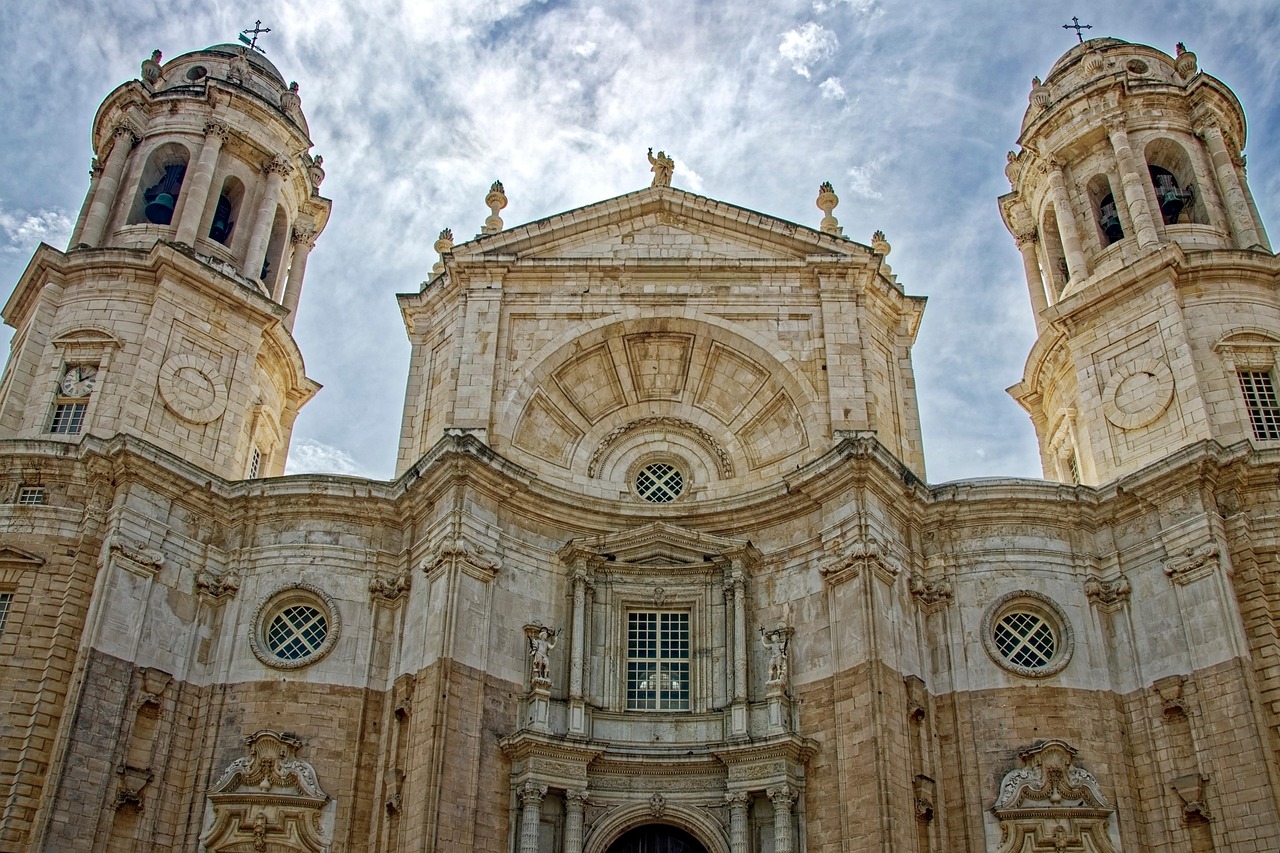
Wander out, belly happy, and Jijona unfolds like a lazy afternoon dream. Stroll five minutes uphill to the Iglesia Parroquial de la Asunción (Plaza de la Iglesia, s/n, 03170 Jijona), the parish church anchoring the main square since the 1700s. Hours: daily 9am-1pm and 5-8pm, free entry, though masses run mornings. Its baroque facade gleams gold in sunlight, twin towers framing a nave with frescoes of saints looking mildly judgmental. Inside, cool marble floors and a wooden altarpiece carved with almond motifs—subtle nod to the town’s soul. I ducked in after a tasting, sat in a pew nursing a sugar high, watching locals light candles. No crowds, just the faint echo of bells. It’s the kind of spot where time slows; perfect for digesting both turrón and thoughts.
Lunch? Jijona’s not fancy, but that’s the charm. Sidestep tourist traps; hit Bar Restaurante El Rincón de Jijona (Calle Almendros, 12, open 1-4pm daily, mains 10-15 euros). Hole-in-the-wall with checkered cloths, where I scarfed arroz al horno—baked rice studded with rabbit, chickpeas, and those local almonds—washed down with house red that punches above its weight. Owner Maria refilled my glass gratis, quizzing me on British weather while her husband flipped paella pans. Go early; it fills with factory workers. Or, for sweet overload, pop into nearby Turrones Coll (Calle San Roque, 4, 10am-8pm, tastings free). This family outfit’s been at it since 1915; their yema turrón (egg yolk softie) is illicitly good, like nougat flan. Chat with the grandkids running the counter—they’ll slip you samples and tales of exporting to Japan.
If you’re planning a family friendly day out Alicante to Jijona museum, layer in a post-museum ramble through the almond groves. Winter’s best for the Feria del Turrón (first weekend December), but spring’s bloom turns the valleys pink-white poetry. Hike the easy PR-CV 292 trail from town center (grab a map at the tourist office, Plaza Mayor, 10am-3pm), 5km loop with picnic spots overlooking barrancos. My kids chased butterflies there once, pockets stuffed with pilfered turrón, while I pondered how this tucked-away gem beats any theme park.
Your Visit Jijona Nougat Museum Guide 2026: Itinerary and Tips
For the visit Jijona nougat museum guide 2026, same drill: check alicanteturismo.com for updates, as hours might tweak post-pandemic. Book tastings ahead if traveling peak (Christmas run-up’s mad). Pack water—turrón’s thirsty work—and comfy shoes for cobbles. Combine with a Guadalest detour if you’re driving back (another 30 minutes), but Jijona alone’s plenty.
Plan perfect day trip Turrón Museum Alicante area like this: 9am bus from Alicante, 10am museum arrival, noon lunch, 2pm church and strolls, 4pm more tastings or groves, 6pm bus home by sunset. Total cost under 25 euros/person, minus souvenirs. I’ve dragged skeptics here—London foodies, American beach bums—and they all left converts, suitcases bulging with vacuum-sealed bricks. It’s not flashy, not viral, but real. Jijona’s turrón museum isn’t a secret because it’s hidden; it’s secret because once you taste it, you hoard the joy.
That first trip, I returned to Alicante dusted in sugar, grinning like a fool. My hotel mate asked, “Worth it?” I handed him a shard of duro. His eyes lit up. Enough said. Go unearth Alicante’s sweetest day trip secret—you’ll thank me later, probably with a box in the mail.