Why Germans Love Alicante So Much: Top 10 Reasons in 2026
I remember my first trip to Alicante back in 2012, stepping off a Ryanair flight from Berlin that was packed with chatty Germans in sensible sandals and sun hats. The air hit me like a warm embrace—salty sea breeze mixed with orange blossoms—and I wondered, why do Germans love Alicante so much? It wasn't just the sun; it was the ease of it all, the way this Costa Blanca gem felt like a secret handshake between practicality and paradise. Fast forward to now, as I plan my 2026 return, and the pull is stronger. Germans aren't flocking here by accident. With direct flights multiplying and new eco-upgrades on the horizon, Alicante's grip on our Teutonic neighbors tightens. In this piece, I'll unpack the top reasons Germans visit Alicante 2026, drawing from my own sunburnt escapades, chats with beer-sipping expats, and that nagging sense that this Spanish slice beats the Alps for winter blues every time.
1. Reliable Weather: A Microclimate Made for Escaping Gray Skies
Let's start with the weather, because if there's one thing Germans crave after gray skies, it's reliable sun. Alicante's microclimate is a cheat code: over 300 sunny days a year, mild winters hovering at 18°C, and summers that sizzle just right without the Mallorcan scorch. I once hunkered down here in January, sipping cortados on the promenade while Berlin froze. No wonder why Alicante is popular with German tourists—it's therapy in thermal form. By 2026, with EU green initiatives boosting sea breezes via urban forests, it'll feel even fresher.
2. Pristine Beaches with German-Friendly Vibes
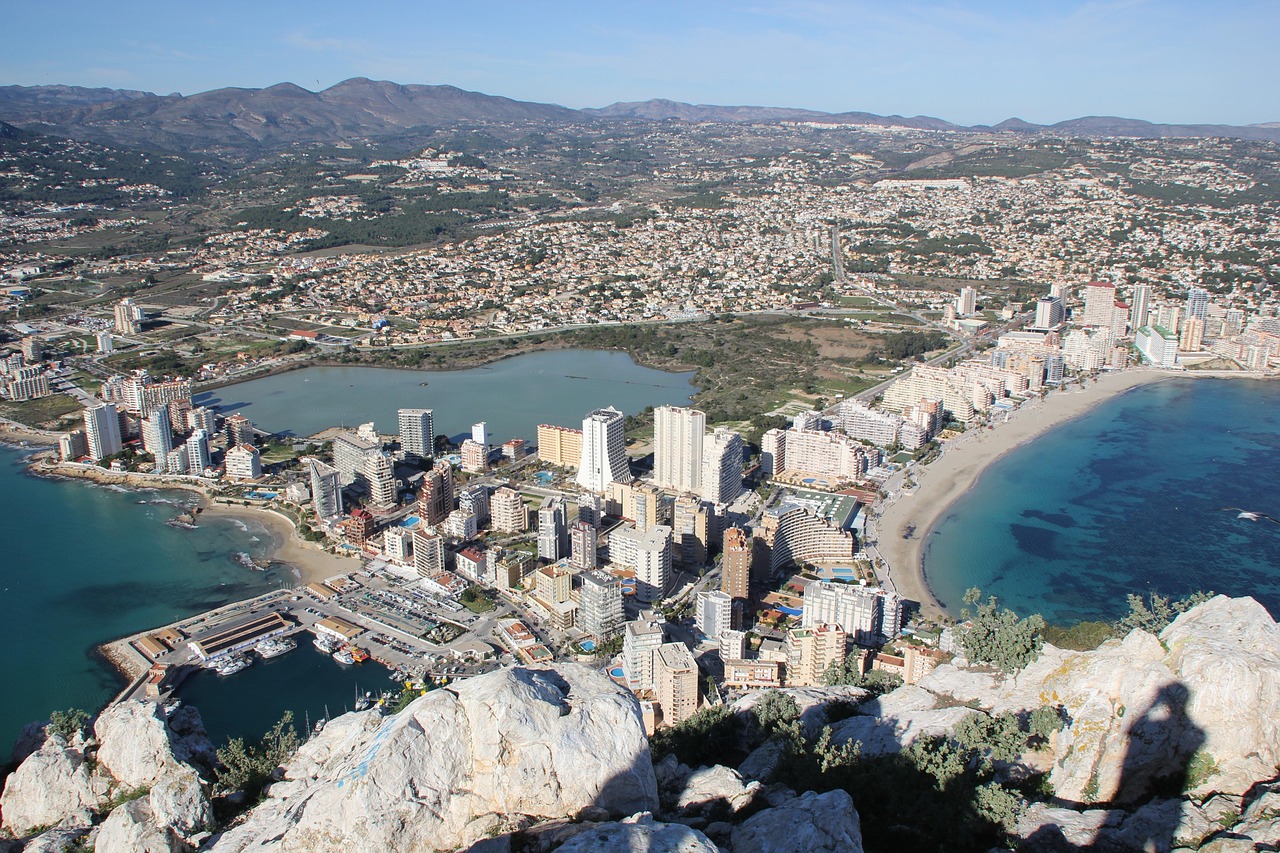
But weather alone doesn't pack planes. Those beaches are next-level. Playa del Postiguet, right in the city heart, is the star. Stretching 900 meters under the castle's shadow, its golden sand gets raked daily, water crystal-clear at 22-26°C in peak season. I spent afternoons there dodging volleyball games from Düsseldorf families, the waves gentle for kids, umbrellas popping like beer garden parasols. Address: Paseo de la Explanada, 03501 Alicante. Open 24/7, lifeguards 10am-7pm May-Sept (free entry). What hooks Germans? The chiringuitos serving Bier alongside paella, and Blue Flag status ensuring no jellyfish surprises.
Venture to Playa de San Juan, 7km north (bus C6 from center), with 7km of pine-backed bliss—perfect for Nordic walking groups. I watched a retiree brigade march at dawn, towels flapping like flags. By 2026, expect solar-powered showers and bike paths linking it all, making Alicante attractions loved by German travelers 2026 even more seamless. These shores aren't just pretty; they're efficient escapes, with changing rooms cleaner than a Munich Bahn station.
3. Unbeatable Affordability for Smart Travelers
Affordability seals the deal—reason three. Best reasons for Germans to holiday in Alicante? Your euro stretches like nowhere else in Spain. A beachfront paella for two? €25. Beers? €2. My last stay, a sea-view apartment in El Campello ran €80/night off-season, half of Barcelona's. Menus del día at €12 fuel long days, and Aldi/Lidl imports keep Bratwurst cravings at bay. Inflation-proof for 2026, with high-speed rail expansions cutting costs further. Germans love value: it's like Schwarzwald thrift meets Mediterranean bounty.
4. Seamless Connectivity from Germany
Number four: connectivity. From Frankfurt, Munich, Berlin—dozens of dailies via Eurowings, Condor, Ryanair. Alicante-Elche Airport (ALC), 12km southwest (C6 bus €1.45, 20 mins), handled 19 million in 2023, many Deutsch-bound. Taxis €20 flat to center. No layovers, just prost by lunch. This ease explains why Germans choose Alicante over other Spanish destinations—skip Ibiza's hassle for direct sunsets.
5. A Food Scene Blending Precision and Passion
Central Market: Fresh Finds and Familiar Comforts
Food's next, and oh boy. Alicante's scene marries precision with passion. Central Market (Mercado Central de Alicante, Av. Alfonso X El Sabio, 10, 03002 Alicante; Mon-Sat 9am-2pm, ideal for Käse hunts amid fresh prawns). I lost hours here, haggling for gambas rojas, the air thick with fish brine and olive oil sizzle. Vendors shout in broken German, plates of cochinillo (€15) crisp as Schnitzel.
For depth: this 1920s Modernista gem spans 5,000 sqm, 250 stalls bursting with Valencian oranges, jamón ibérico, and exotic spices. Germans adore the order—numbered aisles, hygiene stars—but thrill at tapas crawls in nearby Barrio Santa Cruz. Pair with horchata from Helados Cabrelles (Calle San Rafael, 9; daily 10am-midnight). Sensory overload: sticky figs, sizzling fritura de la costa, laughter echoing off tiled vaults. It's pure immersion, why families return. 2026 upgrades? Night markets for late Biergarten vibes.
6. Rich History at Castillo de Santa Bárbara
History tugs at the soul—reason six. Castillo de Santa Bárbara looms 166m above, a Moorish sentinel since 9th century. Address: Camí del Castell, s/n, 03003 Alicante; daily 10am-8pm (summer till 10pm), €3 entry (free post-8pm). Elevator from Paseo Nuevo free. I climbed once at dusk, wind whipping, views swallowing the bay—Postiguet glittering, Tabarca dotting horizon. Inside: cisterns echoing footsteps, Renaissance tweaks from Felipe II era. Germans pore over plaques (multilingual), picnicking on Weisswurst smuggled in. This fortress isn't sterile; graffiti scars and bat flutters add grit. Audio guides detail sieges, post-Franco digs unearthed Arab baths. By 2026, VR tours for kids. It's cultural depth without overload.
7. Thriving Expat Communities and Retirement Appeal
German Expat Life in Alicante 2026 Experiences
Expat life blooms here—reason seven. German expat life in Alicante 2026 experiences thrive in Playa de San Juan's bungalow zones, where DACH clubs host Oktoberfest proxies. I chatted with Hans from Hamburg at Deutscher Klub Alicante (Calle Capitán Segarra, 10, San Vicente; Tues-Thurs 6-10pm socials). Golden visas lure retirees; 20,000+ Germans call Costa Blanca home. Property? €200k buys sea-view villas. Healthcare's top-tier: Hospital General (Ctra. de Alicante-Valencia, km 5.3; 24/7), English-speaking docs. Why Germans retire in Alicante Spain? Taxes friendlier than Mallorca, golf courses galore (e.g., Alicante Golf, 11km out).
8. Family-Friendly Safety and Fun
Families flock for safety and ease—reason eight. Reasons German families love Alicante vacations: pedestrian promenades, parks like El Tossal (free, playgrounds galore). Theme park Terra Mítica (Terra Mítica, Pk. 4/B, 03502 Finestrat; €39 adult, summer 10am-midnight) thrills with Egyptian rides, gladiator shows—my nieces screamed on Triton coaster. Clean streets, low crime (safer than Berlin per stats). 2026: expanded family hotels with kids' clubs.
9. Vibrant Promenades and Social Scenes
Vibrancy pulses—reason nine. Explanada de España, that palm-fringed mosaic walkway (Paseo de la Explanada de España, 03002 Alicante; always open). 6.5km tiled in waves, cafes buzzing. I nursed cañas watching buskers, the sea's roar syncing with flamenco guitars. Germans blend in, debating football at Bodeguita del Café (Calle San Francisco, 32; daily noon-2am). Marble mosaics (6M pieces) depict sea life; evenings glow with lanterns. It's social glue, from jogs to Weihnachtsmarkt-style stalls in December.
10. Island Adventures at Isla Tabarca
Finally, adventure calls—reason ten. Isla Tabarca, 11km offshore (ferries from Muelle de Poniente, €22 roundtrip, 45min; daily 9:30am-5pm summer via Almadraba Al Mar). Mediterranean's first marine reserve: snorkel parrotfish amid ruins, lapas for lunch at Mesón del Mar (summer noon-6pm). I kayaked coves, walls whispering pirate tales. Germans charter boats for efficiency. Top 10 Alicante spots for German visitors culminate here—pristine, protected. 2026 electric ferries green it up.
Why Alicante Keeps Calling Germans Back
So, there you have it—the magnetic pull. Alicante isn't flashy; it's faithful, folding Germans into its sun-drenched arms. Book that flight; 2026 awaits with open cervezas.
