Unlock Fondillón: Alicante's Forgotten 10-Year Wine Treasure
I remember the first time I tasted Fondillón like it was yesterday, though it was a sticky summer evening in Alicante back in 2014. I'd been wandering the sun-baked streets of the old town, dodging tourists clutching overpriced sangria pitchers, when I ducked into a dimly lit bodega off Calle Capitán Segarra. The owner, a grizzled Spaniard named Paco with a mustache that could sweep floors, poured me a thimbleful of this amber elixir without fanfare. "Prueba esto," he grunted. One sip, and my world tilted. It was like liquid Christmas cake—dense, oxidative, with whispers of dried figs, walnuts, and something ancient, like the breath of forgotten cellars. I wasn't hungover the next day; I was enlightened.
What Is Fondillón Wine from Alicante?
What is Fondillón wine Alicante? It's not just a drink; it's Alicante's sly secret, a sweet oxidative wine born from overripe Monastrell grapes, aged a minimum of ten years in old oak barrels under a veil of flor yeast. No additives, no shortcuts—just time, patience, and the Mediterranean sun conspiring to create something profoundly rare.
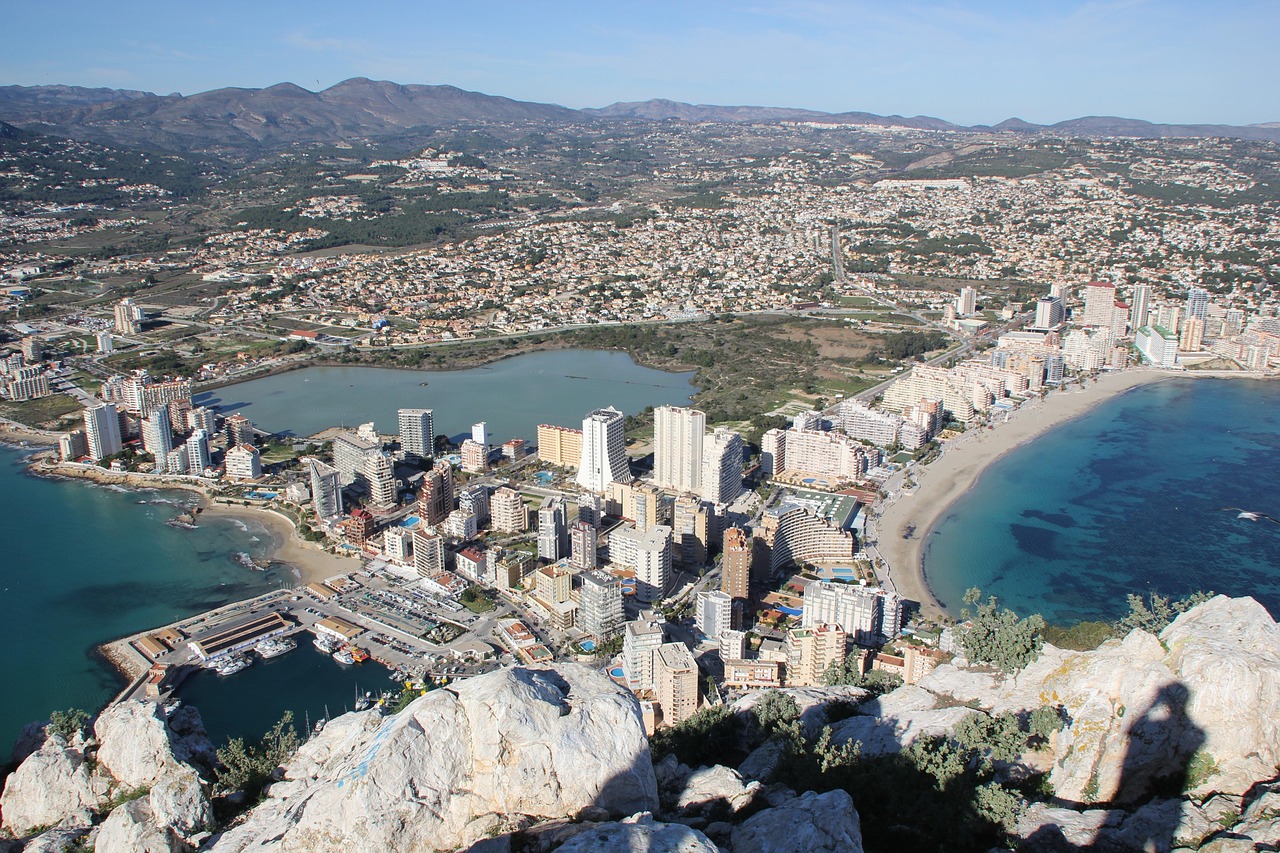
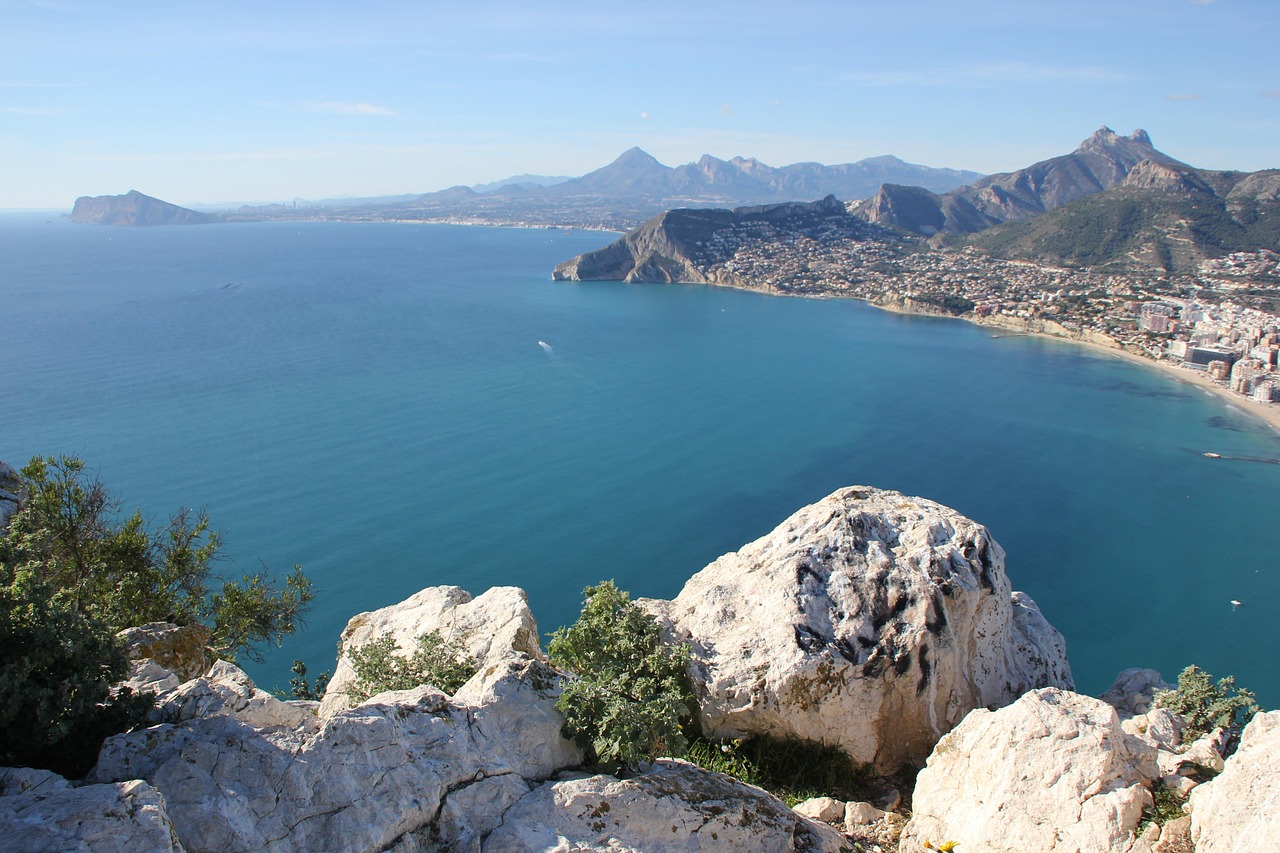
Alicante, that rugged Costa Blanca gem where mountains kiss the sea, has always punched above its weight in wine. But while Rioja whispers of oak and Tempranillo elegance, and Sherry's Jerez courts fame with its solera dance, Fondillón lurks in the shadows. It's the DO Alicante's crown jewel in the sweet wine category, regulated since 1981 but tracing roots much deeper.
The History of 10-Year Fondillón from Alicante
The history of 10 year fondillón Alicante is a tale of resilience. Picture 17th-century monks in the Vinalopó Valley, pressing late-harvest Mourvèdre (that's Monastrell to locals) grapes shriveled by autumn winds into must as thick as molasses. They'd ferment it dry, then let oxidative magic unfold in massive tinajas or French oak, sometimes for decades. English merchants smuggled it to London in the 1700s, calling it "Alicante wine" before phylloxera gutted the vines in the 1860s. Revived post-war by stubborn growers like Salvador Penedo, it's now a tiny production—barely 20,000 bottles a year—making it one of Spain's most elusive sips. I once chased a bottle through three Alicante markets, only to find it stashed behind dusty Ribera del Duero labels. That's the thrill: unearthing a treasure that's been overlooked for generations.
Fondillón vs Sherry: Key Differences Explained
Why forgotten? Blame Sherry's louder marketing machine. Fondillón vs sherry differences explained boils down to origin, grape, and method. Sherry's Palomino or Pedro Ximénez from chalky albariza in Jerez, solera-blended for consistency. Fondillón? Pure Monastrell from Alicante's limestone slopes, single-vintage oxidative aging—no blending, no fortification until late (if at all), and always that mandatory decade minimum. Sherry can be briny and nutty; Fondillón leans sweeter, more balsamic, with rancio edges from slow barrel evaporation. Think Sherry's wild cousin who skipped the family reunion: earthier, less saline, profoundly contemplative. Paco that night laughed when I compared it to PX Sherry. "Sherry is for tapas; Fondillón is for souls," he said, refilling my glass.
Fondillón Wine Tasting Notes and Reviews
Let's talk tasting. Fondillón wine tasting notes and review from my notebook: Salvador Penedo 2004 (a standout) pours viscous mahogany, legs crawling like honeyed tears. Nose hits with candied orange peel, toasted almonds, fig paste, a whiff of balsamic vinegar and old leather books. Palate explodes—dense sweetness (150-200g/L residual sugar) balanced by bright acidity, evolving through coffee grounds, raisin bread, and spice cake into a finish that lingers 60 seconds, dry-tannic at the close.
Pairing 10-Year Fondillón with Food
Pairing 10 year fondillón with food? Heaven. With aged Manchego, it melts into creamy symbiosis; alongside duck confit or blue cheese, the acidity cuts fat like a hot knife. I once paired it with foie gras at a seaside finca near Villajoyosa—bliss, though my waistline protested. Avoid chocolate; it overpowers the subtlety. Roast nuts or Christmas pudding amplify its festive soul.
Where to Buy Rare Forgotten Fondillón Wines
Hunting these rare forgotten fondillón wines for sale feels like treasure hunting. Production's minuscule, so bottles vanish fast. In Alicante, hit specialist shops like Vinoteca Tierra de Vinos (Calle San Rafael, 4, Alicante; open Mon-Sat 10am-2pm, 5-9pm). Where to buy fondillón wine online—sites like Decántalo.es ship Europe-wide (expect €50-150/bottle), or US importers like Classical Wines (classicalwines.com) for stateside rarities. I've scored gems from SpanishWinesOnline.co.uk; their 2010 Bocopa Contrasto arrived pristine, €65 plus shipping.
Visit Alicante Wineries for Fondillón Tasting
But the real unlock? Feet on the ground. Visit Alicante wineries for fondillón tasting, and prepare for epiphanies amid gnarled vines. Start with Bodegas Primitivo Quiles in Monóvar, epicenter of the cult. Address: Carretera Monóvar-Elda, Km 2, 03690 Monóvar, Alicante. Phone: +34 965 494 013. Open for visits Mon-Fri 9am-2pm, 4-7pm; tastings by appointment (€15-25/person, includes tour). I rolled up unannounced one scorching August afternoon in 2017, sweating through my linen shirt, but bodeguero Juan Miguel Quiles took pity. We descended into cool vaults stacked with 10,000L fudres, air thick with sherry-like oxidative perfume—nuts, varnish, eternal damp. He cracked a 2001 Salvador Penedo (fondillón's godfather, producing since 1945), aged 17 years. Notes: explosive prune compote, walnut hulls, marmalade tang, endless finish. The tour winds through 40ha of old Monastrell bush vines, baked red-earth rows climbing Sierra del Caballo foothills. Lunch followed: arroz a banda with local prawns, paired to the 2010 vintage—silky, balsamic depth mirroring the rice's saffron soul. Juan shared tales of Penedo's revival, how he bottled the first modern Fondillón in 1989 after phylloxera ghosts. Two hours blurred into four; I bought three bottles, tipsy on history. This isn't a factory; it's a time capsule, 500+ visitors yearly max, ensuring intimacy. Don't miss their museum of antique presses—worth the drive alone from Alicante (45 mins southwest).
Bodegas Bocopa: Value and Tradition
Next, Bodegas Bocopa, urban edge with rural heart. Address: Avenida de Murcia, 90, 03005 Alicante. Phone: +34 965 109 385. Open Mon-Fri 9am-2pm, 3-6pm; tastings weekends by reservation (€20, 1.5hrs). Just 10 minutes from the beach, I stumbled here post a 2022 surf session at Postiguet, salt-crusted and starving. Their Fondillón Contrasts 2011—named for contrasts in aging—shines: burnt toffee nose, date molasses palate, clove-spiced finish. Tour starts topside with modern steel tanks (they do DO Alicante reds too), then plunges to barrel halls echoing with quiet evaporation. Sommelier Ana explained the flor veil's fickle dance, thicker here than Sherry's velo. Sensory overload: sniff oxidized edges like grandma's attic trunk, taste layered quince paste and espresso bitterness. Pairing demo featured morcilla sausage—smoky synergy. Bocopa sources from 3,000ha cooperative growers, blending tradition with tech; their 10-year minimum yields 5,000 bottles annually. I lingered in the shop, snagging rarities at €40-60. Pro tip from experience: book ahead; walk-ins risk disappointment amid rising buzz.
Enrique Mendoza: Luxury Innovation
For luxury, Enrique Mendoza in Alfaz del Pi. Address: Avenida de Europa, 38, 03580 Alfaz del Pi, Alicante. Phone: +34 966 864 406. Open Tue-Sat 10am-2pm, 4-7pm; tastings €25-40 (2hrs, includes transport from Benidorm). Perched in modernist bodega amid lemon groves, 20 mins north of Alicante, I visited during a rainy November 2019—rare for here. Owner telescope magnate-turned-winemaker Enrique poured their experimental Fondillón Reserva 2009: ethereal lift of bergamot over raisin richness, mocha undertones, acidity like a lemon-zest whip. The estate's 50ha shimmer post-rain, Monastrell vines 60+ years old. Tour's architectural poetry—glass walls framing Sierra Helada views—leads to solera-inspired (but not!) aging rooms, barrels whispering secrets. Mendoza's twist: partial criadera blending for complexity without losing vintage soul. Lunch at their El Baret de Miquel (on-site, €50pp): suckling pig with 12-year Fondillón reduction, crispy skin yielding to balsamic grace. Enrique regaled with importer stories—Japan's sake somms now hoard it. Bought a magnum; drove home humming. This place elevates Fondillón from curiosity to art.
Best Alicante Fondillón Producers in 2026
Among best Alicante fondillón producers 2026, watch these: Primitivo Quiles for purity, Bocopa for value, Mendoza for innovation. Emerging: Casa Sicilia's limited releases, or Laderas de Lorente's micro-vintage experiments. Volumes stay tiny, but climate-resilient Monastrell promises staying power.
Your Authentic Fondillón Alicante Treasure Guide
Authentic fondillón Alicante treasure guide? Chase it now, before sommeliers worldwide wake up. Fly into ALC, rent a car, vineyard-hop April-October (harvest chaos November). Stay at Hospes Amérigo (ancient palace, Calle Mirador, 3, Alicante)—sneak Fondillón nightcaps. Markets like Mercado Central yield picnic fixings. I've returned thrice; each sip deepens the bond. Fondillón isn't chasing trends—it's timeless solace in a glass. Raise one to Alicante's quiet genius.
