

Luceros to Postiguet: Alicante's Most Beautiful Walk in 2026
I still remember the first time I stumbled upon this path, bleary-eyed from a red-eye flight into Alicante Airport, my backpack slung over one shoulder like some weary pilgrim. It was one of those crisp autumn mornings in 2018, the kind where the Mediterranean sun warms your face just enough to forgive the jet lag. I'd checked into a cheap pensión near the train station, and after dumping my bag, I wandered out to Plaza de Luceros without a plan. Little did I know I'd just tripped into Alicante's most beautiful walk: the walking route from Luceros to Postiguet Beach Alicante—a path that threads through the city's beating heart, past marble grandeur and hidden courtyards, before spilling onto the sandy embrace of Playa del Postiguet. It's not some manicured tourist trail; it's alive, pulsing with locals gossiping over cortados, street performers coaxing coins from crowds, and that salty tang of the sea sneaking up on you block by block.
Fast forward to now, as we eye 2026, and this route feels even more magnetic. The city's been sprucing things up—wider pavements in spots, smarter lighting for those evening jaunts—and with Alicante's tourism booming post-pandemic, expect subtle enhancements like pop-up art installations along the way. But don't worry, it won't lose its soul. This isn't a hike for fitness fanatics; it's a saunter, a meander that clocks in at about 1.5 kilometers. How long does it take to walk Luceros to Playa Postiguet? Figure 20 to 30 minutes at a leisurely pace, longer if you pause (and you will) for the distractions. I've done it hungover, buzzing from sangria, with kids in tow—it's that forgiving.
Plaza de Luceros: The Vibrant Starting Point
Start at Plaza de Luceros itself, the unofficial navel of Alicante. This square, smack in the city center at the intersection of Avenida de Maisonnave and Calle del Capitán Segarra, hums from dawn till the wee hours. The centerpiece is the Fuente de Luceros, a neo-baroque fountain from 1912 that's all frothy spouts and mythical figures carved in stone—think mermaids and sea gods spouting water in eternal delight. I once sat here for an hour, nursing an espresso from Bar Luceros (Calle del Capitán Segarra, 1; open daily 7am-11pm, but the real magic is 8am-2pm for fresh tostadas), watching old men play dominos under the palm fronds. The air smells of fresh churros frying nearby and diesel from trams rumbling by. It's chaotic in the best way: vendors hawking lottery tickets, a busker with a battered guitar belting out Joan Manuel Serrat tunes. Families picnic on the benches, kids chasing pigeons around the central obelisk.
Plaza de Luceros isn't just a starting point; it's a microcosm of Alicante life, where the inland bustle meets the pull of the coast. Linger here, and you'll overhear debates about the latest Real Madrid match or which beach bar slings the coldest Mahou. For accessibility on Luceros to Postiguet Beach trail Alicante, it's solid right from the get-go—flat paving stones, no steps, wide enough for wheelchairs, though watch for the occasional rogue scooter. In 2026, rumor has it they'll add tactile paving for the visually impaired, making it even more inclusive.
Drifting Down Rambla de Méndez Núñez
From Luceros, drift southeast down the Rambla de Méndez Núñez, a pedestrian boulevard that's like Alicante's answer to Barcelona's Ramblas but shorter, sweeter, and way less pickpocket-prone. Lined with orange trees dropping sticky fruit in season (messy but free snacks if you're bold), it leads past the modernist facades of early 20th-century buildings, their wrought-iron balconies dripping with geraniums. The rambla widens into Plaza del Ayuntamiento, where the ayuntamiento (town hall) looms in all its neoclassical glory—pale stone columns and a clock tower that chimes the hour with surprising gusto. I got married nearby once, not in Alicante proper but close enough; the memory of confetti crunching underfoot as I headed toward the sea still makes me grin. This stretch is prime for people-watching: suits hustling to offices, students in ripped jeans clutching McDonald's bags.
Mercado Central: A Must-Detour Hidden Gem
About 10 minutes in, you'll hit the Mercado Central de Alicante, a must-detour if your stomach growls. Tucked at Avenida Alfonso X El Sabio, 10 (open Monday-Saturday 9am-2:30pm; closed Sundays), this iron-and-glass beauty from 1920 is a riot of color and scent—one of the hidden gems along Luceros Postiguet walking route. Stalls overflow with ruby tomatoes, glistening olives the size of marbles, and jamón ibérico sliced paper-thin by pros with gleaming knives. I once blew 20 euros on a wedge of tortilla española so fluffy it dissolved on my tongue, paired with a squeeze of alioli that punched like a boxer. Seafood counters throb with activity—prawns fresh off the boats, clams clacking in buckets—and the butchers shout specials like it's an auction. Upstairs, the fruit vendors hawk chirimoyas and alien-looking granadas, while old ladies haggle over bundles of spinach. It's not huge, but the atmosphere? Electric. Narrow aisles mean dodging elbows, and the heat from the fish stalls can wilt you in summer, but that's the charm. Spend 45 minutes here minimum; wheelchair access is decent via the main ramps, though some stalls are tight.
Explanada de España: The Marble Promenade
Emerging from the market haze, the route funnels you onto the Explanada de España, the crown jewel of this stroll. This 500-meter marble promenade, stretching from the port to the foot of Mount Benacantil (where Santa Bárbara Castle perches), is mosaicked with black-and-white tiles forming waves and marine motifs under a double avenue of Washington palms. Officially Passeig Esplanada d'Espanya (open 24/7, as it's public space), it's where Alicante exhales. The sea crashes just beyond the balustrade, sending up sprays that cool your skin on hot days. Street artists sketch caricatures, horse-drawn carriages clip-clop for tips, and cafes spill tables onto the pavement.
I love ducking into Casa Baró (Explanada de España, 2; open daily 9am-midnight, kitchen till 11pm) for their arroz a banda—rice simmered in fish stock with plump prawns and aioli on the side. The terrace overlooks the water, and on windy days, napkins fly like confetti. It's pricey for Alicante (mains 15-25 euros), but the people-watching pays dividends: couples canoodling, runners pounding the tiles at dawn. Sunsets here are legendary; the sky bleeds orange and pink over the horizon, turning the palms into silhouettes. That's why the best time for Luceros to Postiguet scenic walk 2026 is late afternoon—start around 5pm in summer, 4pm in winter, to catch that unforgettable sunset walk from Luceros Square to Postiguet Alicante. The light gilds everything golden, and the air fills with the sizzle of chiringuito grills firing up. For a map of Luceros Postiguet promenade Alicante, grab a free one from the tourist office near Luceros (Calle Portugal, 17; open 9:30am-7pm Mon-Sat) or download the Alicante Turisme app—it's got GPS overlays marking detours.
Playa del Postiguet: Your Sandy Reward
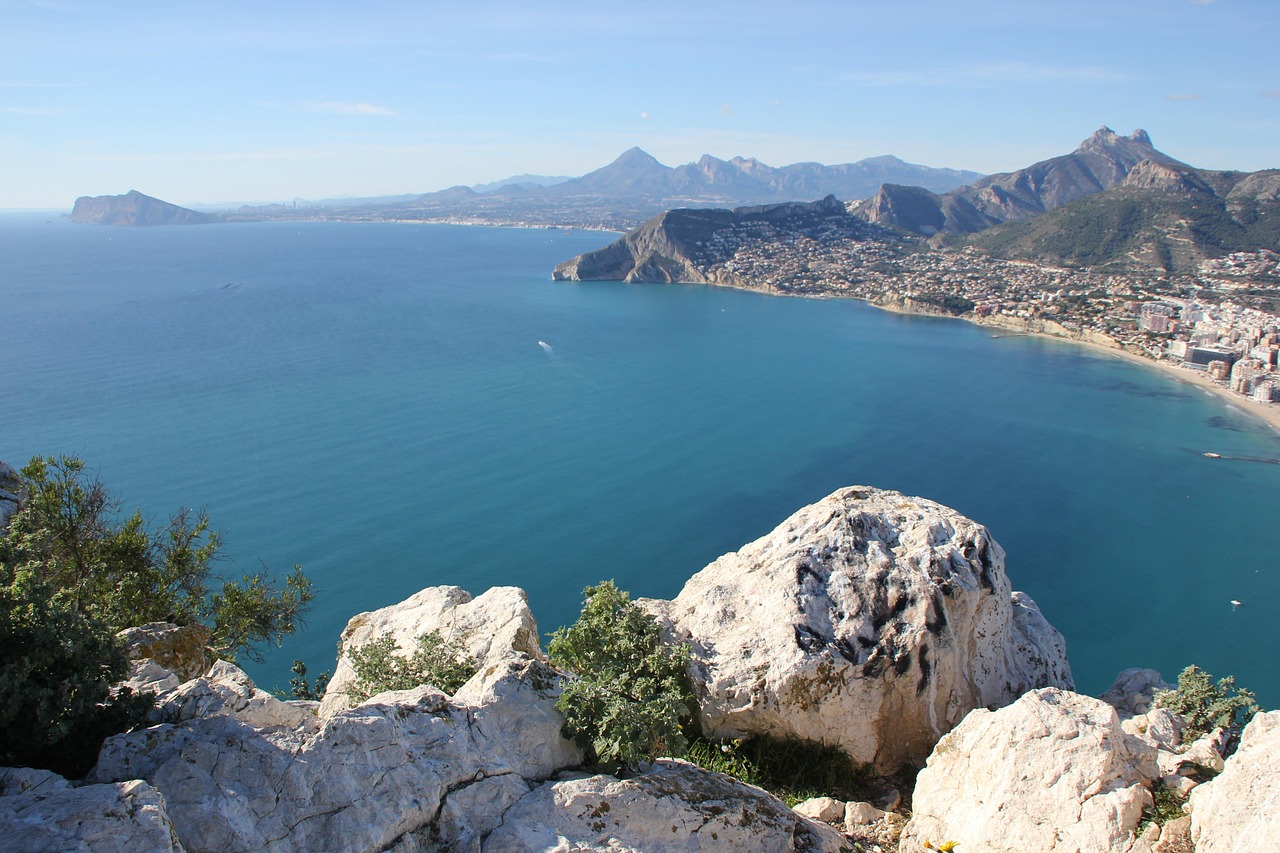
The Explanada nudges you toward Postiguet via a gentle ramp (excellent accessibility—no steep stairs if you take the right path). Playa del Postiguet unfurls like a promise kept: 1km of fine golden sand hemmed by the castle promontory on one end and the port on the other. Address? It's right off the promenade at Paseo del Postiguet (beach open 24/7, lifeguards 10am-7pm June-September; chiringuitos seasonal, like Postiguet Beach Club at the east end, open 10am-2am in peak season). I've swum here hungover, the water shockingly clear and cool even in July heatwaves. Families build sandcastles under colorful umbrellas (rentals 5-10 euros/day), while paddleboarders bob offshore.
The vibe shifts hourly: morning dog-walkers, midday sunbathers slathered in factor 50, evenings alive with volleyball games and impromptu paella picnics. Behind the beach, a string of bars serves helados and bocadillos—try the calamares a la romana at Chiringuito del Postiguet (they rotate spots, but usually beachfront; open 11am-late). It's family friendly coastal path Luceros Postiguet 2026 material through and through: shallow entry for kids, showers and toilets dotted along (free, cleanish), and that castle looming protectively. But beware the nudist fringe at the far east—no, really, it sneaks up.
Hidden Gems, Guided Tours, and Practical Tips
Off-the-Beaten-Path Detours
Along the way, hidden gems abound if you veer off-script. Poke into the courtyard of the Concatedral de San Nicolás (Plaza Abad Penalva; open Mon-Sat 10am-7pm, Sun 9am-1pm, 5-8pm)—a 15th-century gem with baroque twists, its cloister a shady oasis with orange trees and trickling fountains. I found a bench there once, ate stolen market figs, and napped amid the coos of doves. Or, midway down the rambla, duck into Librería Central (Calle Gadea, 5; open Mon-Sat 9:30am-2pm, 4:30-8:30pm), a dusty bookshop crammed with travelogues and faded maps—perfect for armchair Alicante adventures. These aren't signposted; they're the rewards for dawdlers.
Guided Tours and Future Updates
Want structure? Guided tours Luceros to Postiguet promenade Alicante pop up via Alicante Tourist Office—free 90-minute walks Wednesdays at 10am (book ahead at alicanteturismo.com), or private ones with Flavors of Spain (around 25 euros/person, 2 hours, including tapas stops). They're chatty locals who spill stories like the time Hemingway holed up nearby scribbling about bullfights.
I've walked this dozens of times now—once in a downpour that turned the Explanada into a skating rink (comedy gold), another racing a thunderstorm with beach towels flapping. In 2026, with cruise ships docking more frequently and the castle's new VR exhibits drawing crowds, it'll buzz louder, but the core magic endures: that transition from urban hum to salty serenity. It's not perfect—the odd whiff of exhaust, crowds in August—but that's life. Word on the street? This trail's set to get EU funding for solar benches and bike shares by '26, keeping it fresh. Whether solo, with a lover, or herding rugrats, it's the walk that hooks you back to Alicante time and again. Lace up your trainers, skip the bus, and let Luceros lead you to Postiguet. You'll arrive thirsty, sandy, and utterly content. Trust me.