Is Alicante Good for Digital Nomads in 2026? Pros, Cons & Complete Guide
I remember the first time I stepped off the train at Alicante's Terminal station, back in early 2023, backpack slung over one shoulder, laptop bag in the other, feeling that mix of exhaustion and thrill that hits every nomad chasing the next sun-soaked spot. The air was thick with sea salt and the faint citrus tang from the orange groves just inland. I'd been bouncing around Spain—Barcelona's buzz, Valencia's artsy edge—and Alicante? It whispered promises of affordability and ease, without the frenzy. Fast forward to now, plotting my return for 2026, and I'm asking myself the big question so many are Googling: is Alicante good for digital nomads 2026? Spoiler: It's not just good; it's a sneaky gem that could redefine your remote work rhythm, if you're the type who thrives on beach breaks between Zoom calls.
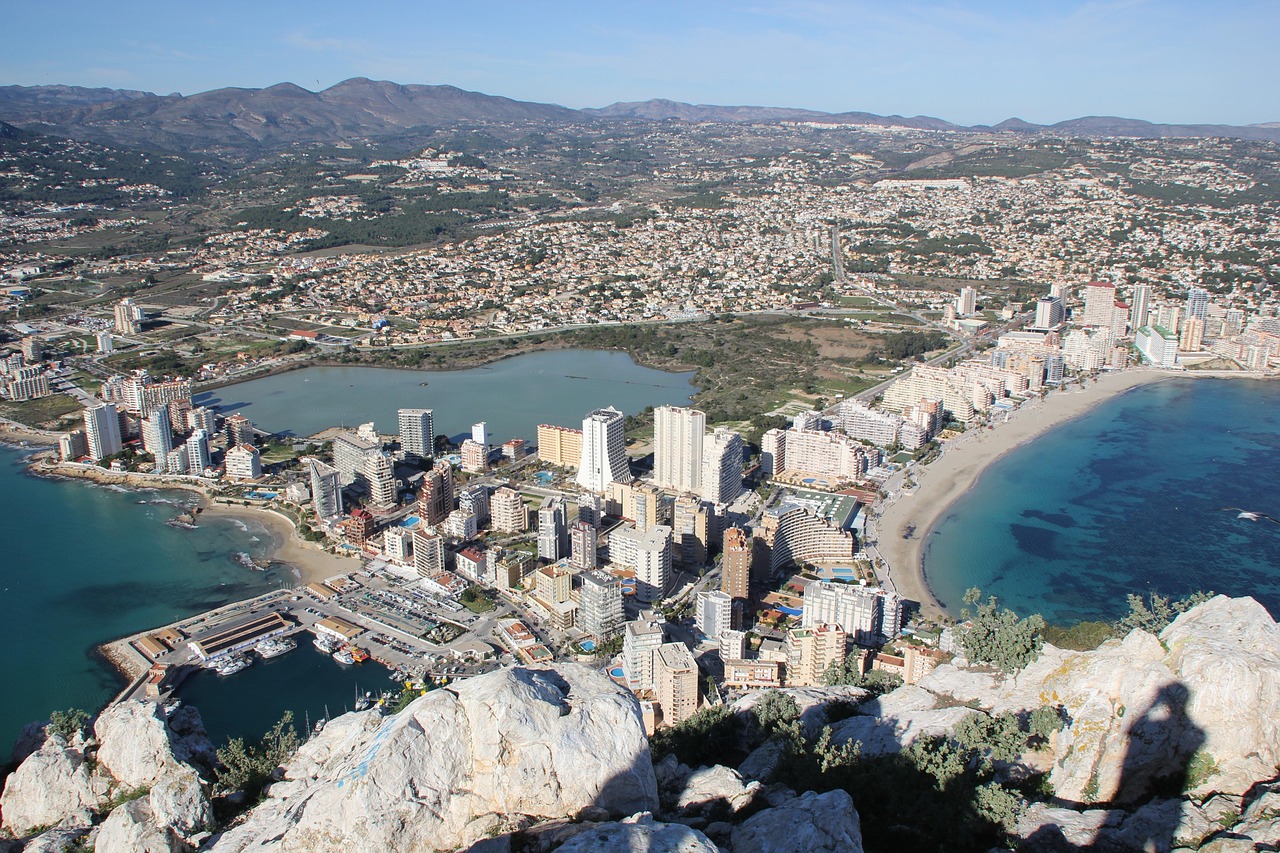
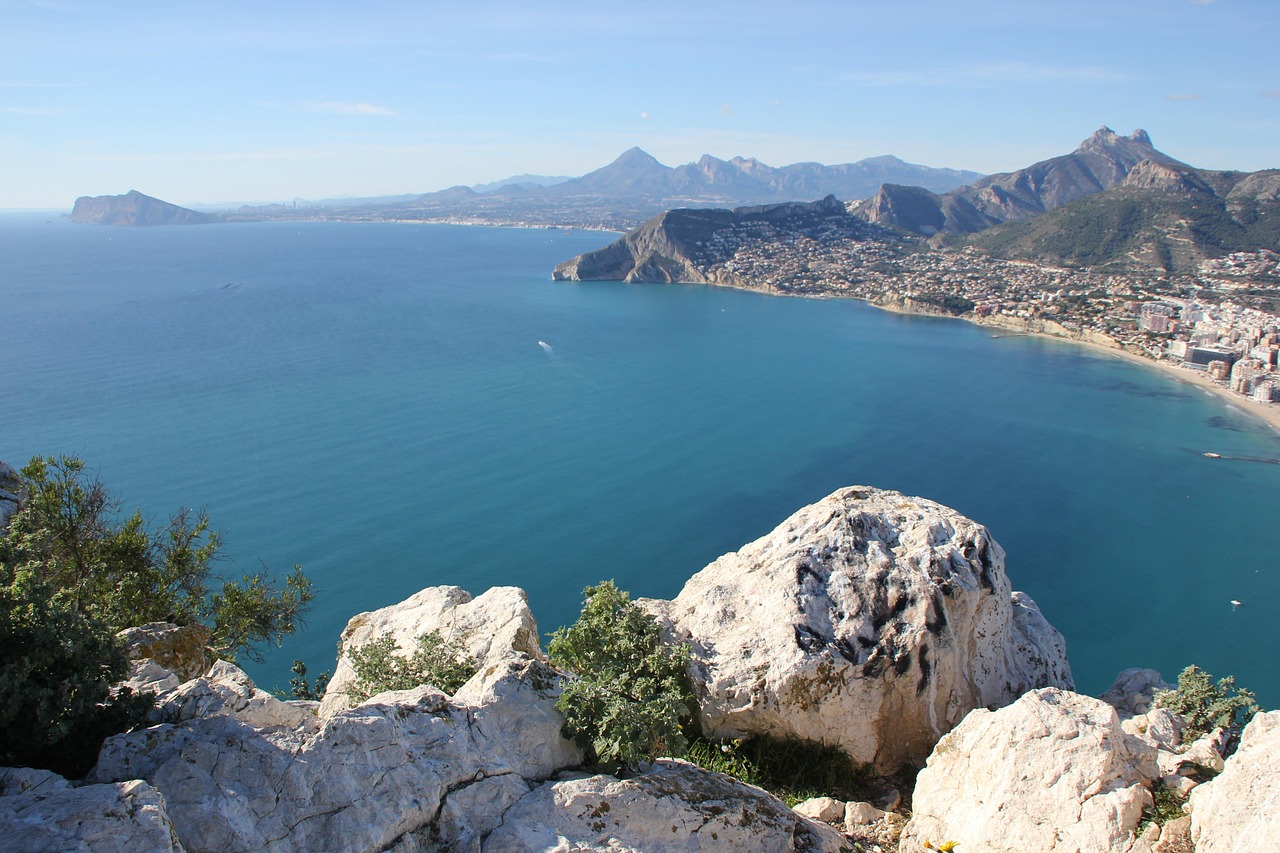
Let me paint the picture. Alicante isn't Madrid's hustle or Málaga's influencer parade. It's the Costa Blanca's understated heart, a city of 330,000 souls hugging a crescent bay, with the hulking Santa Bárbara Castle brooding over it all from its cliff perch. I've spent weeks here over multiple trips, hacking away at deadlines from seaside cafés, and it's grown on me like that one song you hate at first but can't stop humming. But like any nomad haven, it has its rough edges. This digital nomad guide to Alicante Spain pulls no punches—pros, cons, nitty-gritty costs, and where to plant your flag in the best neighborhoods Alicante for nomads 2026. Let's wander through it together.
Why Alicante Hooks Digital Nomads (Key Pros)
First off, the weather. Oh man, the weather. Winters here are what Scandinavians dream of—mild teens Celsius, sunny skies 80% of the time. Summers? Balmy 30s, but with that Mediterranean breeze keeping it from sweltering like inland hellholes. I once powered through a January client pitch from a bench on Playa de Postiguet, toes in the sand, while my London friends shoveled snow. In 2026, with climate patterns shifting, Alicante's microclimate (protected by those sierras) should still deliver 300+ sunny days, perfect for vitamin D-fueled productivity.
Then there's the cost of living Alicante for remote workers 2026. It's a steal compared to northern Europe or even Barcelona. My last stint: a bright one-bed in El Campello, sea views, €750/month including bills. Groceries? €200-250 for fresh markets bursting with tomatoes sweeter than candy, olives that pop with brine, and fish straight off the boats. A beer or cortado? €1.50-2. Eating out's a joy—paella at €12 a head that doesn't taste tourist-trappy. Factor in gym (€30/month), coworking (€150), and fun (hikes, ferries to Tabarca island), and your monthly budget digital nomad Alicante lands at €1,800-2,500 solo. Couples? Stretch it to €3,000 comfortably. Inflation's creeping, sure, but Spain's nomad visa perks (more on that soon) keep it appealing.
Community's bubbling up too. Nomad groups on Facebook and Telegram are exploding—Alicante Digital Nomads has 5k+ members now, hosting beach volleyball meetups and paella potlucks. I stumbled into one at a finca outside town, swapping stories with devs from Berlin and marketers from Bogotá under olive trees strung with fairy lights. By 2026, with remote work normalized post-pandemic, expect more pop-ups, hackathons, and that elusive "found family" vibe.
And internet speed Alicante for remote work 2026? Solid gold. Fiber optic blankets the city—average 300Mbps down, 100 up, from providers like Movistar or Vodafone. I tested it obsessively: Zoom flawless, 4K streams buttery, even uploading raw video edits. Rural edges lag, but urban Alicante? Nomad-ready. Downtime? Rare, unless a storm hits (and even then, cafés have backups).
Safety for digital nomads in Alicante seals the deal. Spain's one of Europe's safest, and Alicante's pickpocketing rates are lower than Barcelona's Ramblas. I wandered El Barrio at midnight solo, no qualms. Families stroll boulevards late; cops patrol visibly. Women nomads I've chatted with rave about it—low catcalling, empowering solo adventures. Stats back it: 2023 crime index via Numbeo? 28/100 (lower is safer). In 2026, with tourism rebounding smartly, it'll stay chill.
Alicante Digital Nomad Pros and Cons: The Flip Side
No place is paradise without mosquitoes. Summers swarm with tourists—British stag dos belting karaoke on Explanada de España, families clogging beaches. June-August, Postiguet's a sardine tin; prices spike 20%. I fled to quieter coves once, but it's disruptive if you're deadline-deep.
Winters drag a tad—rainy spells turn grey, though still warmer than Manchester. Nightlife? Decent tapas bars and clubs in El Barrio, but it's no Ibiza. If you crave 24/7 pulse, head north.
Language barrier nips at heels. English is tourist-friendly downtown, but locals lean Castellano-Valenciano. My rusty Duolingo saved me haggling markets, but bureaucracy (bank accounts, rentals) demands patience or an app like Google Translate. Spaniards are warm, though—crack a smile, and doors open.
Job market's thin for side gigs; it's tourism/service-heavy. And flights? Alicante-Elche Airport's a hub (Ryanair heaven), but long-haul? Connect via Madrid.
Weighing it all, the Alicante digital nomad pros and cons tilt positive for mid-term stays (3-12 months). It's not flashy, but it nurtures deep work.
Alicante Spain Nomad Visa Options 2026
Spain's Digital Nomad Visa (DNV), launched 2023, is your golden ticket. Non-EU? Apply for 1-year renewable up to 5, remotely or in-country. Requirements: €2,760/month proven income (80% if family), 3 months bank statements, health insurance, clean record. Processing: 20-30 days. Taxes? Beckham Law caps at 24% flat for new residents.
By 2026, expect tweaks—maybe extended family options, faster renewals amid EU nomad push. I helped a friend apply last year; Alicante's extranjería office (Calle San Quintín, 8) was efficient, staff sipping coffee while stamping. Pair with NIF (tax ID) for rentals. Short-term? Schengen 90/180 days. Post-Brexit Brits: ETIAS €7 fee incoming.
Best Neighborhoods Alicante for Nomads 2026
Hunt smart—avoid thumping tourist core.
Playa de San Juan
My top pick. 7km north, endless golden sands fringed by palms, high-rises with pools. Quiet winters, lively summers without chaos. Cafés like La Envidea serve acai bowls (€6) amid joggers. Rents: €800-1,200 one-bed. Walkable to tram (Line 1 to center, 10 mins). I holed up in a €900 Airbnb here, balcony ocean views, waking to waves crashing. Pros: Superyacht marina for people-watching, cycle paths to Campello. Cons: Pricier summers. Internet: Blazing. Safety: Families everywhere. Dive into Nomad List vibes—expat bars like Pacifico Beach Club host trivia nights. Stay at Apartamentos San Juan (Calle L'Antiquari, 3; open year-round, self-check-in)—spacious, €70/night low season, kitchenettes for meal-prep warriors. Fully equipped, sea-view balconies, 5-min beach walk. Book via Booking.com; hosts speak English.
El Campello
Edgy surf spot, 10km north. Fishermen's vibe—boats bobbing, chiringuitos grilling sardines. Rents dirt-cheap: €600-900. I rented a studio (Carrer Sant Pere, 12) for €650, steps from Muchavista Beach. Tram zips to Alicante center (15 mins, €1.50). Hike Sierra de Aitana trails for head-clearing. Cowork from beach cafés; evenings, pintxos crawls. Families and young pros mix—safe, unpretentious. Tabarca ferry (€20 day trip) from here. Downsides: Fewer nomads, grotty trains sometimes. El Campello's market (Plaza de la Constitución; Mon-Sat 8am-2pm) overflows with local produce—grab €3/kg prawns.
Casco Antiguo/El Barrio
Old town's heartbeat, castle shadow. Cobbled alleys, street art, indie shops. Rents €700-1,000. I crashed at Hostal Les Monges (Calle Bailén, 9; €50/night doubles, 24/7 desk)—cozy, AC, breakfast €5. Near Mercado Central for €2 empanadas. Buzz without Barcelona overwhelm. Gay-friendly, artsy. Steep hills tax laptops uphill.
Best Coworking Spaces Alicante Digital Nomads
Ditch hotel desks.
WayCo Alicante
(Avenida Federico Mayo, 10; Mon-Fri 8:30am-8pm, Sat 9am-2pm; €15/day, €120/month hotdesk): My fortress. Loft vibes—exposed brick, plants, ergonomic chairs. Kitchen pumps free coffee; terrace for calls. 30+ desks, events like yoga. Fiber: 1Gbps. I chained 10-hour days here, fueled by their €4 poke bowls. Community: Nomads galore—networking Tuesdays. Private offices €250/month. Wheelchair access, bikes storage. Near tram. Book via wayco.es. In 2026, expansions rumored.
Sun & CO Alicante
(Calle Capitán Segarra, 10, in San Vicente; Mon-Fri 9am-7pm; €12/day, €99/month): Sunny, minimalist haven amid orange trees. 20 desks, standing options, nap pods. Balcony sea glimpses. Events: Wine tastings, skillshares. Internet: 500Mbps+. Café serves €3 smoothies. I wrote my last book chapter here, sunlight streaming. Quiet zone perfect for deep focus. Near castle hikes. sunandcoworking.com.
Café alt: Nomad-owned Chocolat (Calle San Francisco, 3; daily 8am-midnight)—€2.50 flat white, plugs galore, beach views. Scribble amid chatter.
Your Daily Nomad Rhythm in Alicante
Dawn: Coffee at La Taberna del Gourmet (Plaza de Luceros; 8am-1am)—€1.20 tostada con tomate, people-gaze. Commute tram (€9 monthly pass). Work till 2pm. Lunch: Mercado Central (Av. Alfonso X El Sabio, 10; Mon-Sat 9am-2pm)—€10 fideuà stall. Beach siesta. Afternoons: Cowork, then hike Mount Benacantil (free, dawn-dusk). Evenings: Tapas at Nou Manolín (Calle Villegas, 3; daily 1pm-1am)—€20 tasting menu, Michelin nods. €1.50 wine flights.
Budget breakdown: Rent €800, food €300, transport €50, cowork €150, fun €200, misc €200. Total €1,700 base.
Humor me: Alicante's like that reliable friend—not the party animal, but the one cooking killer arroz a banda at 2am while you rant about clients. Flaws? Sure, but they make it real.
In 2026, with high-speed rail links expanding and nomad visas streamlining, Alicante's poised to shine brighter. I've got my eye on a San Juan return. You should too—grab that visa, book a WayCo day pass, and let the bay work its magic. Is it perfect? Nah. Is it damn good? Absolutely.
